Château la Gaffelière
Updated on
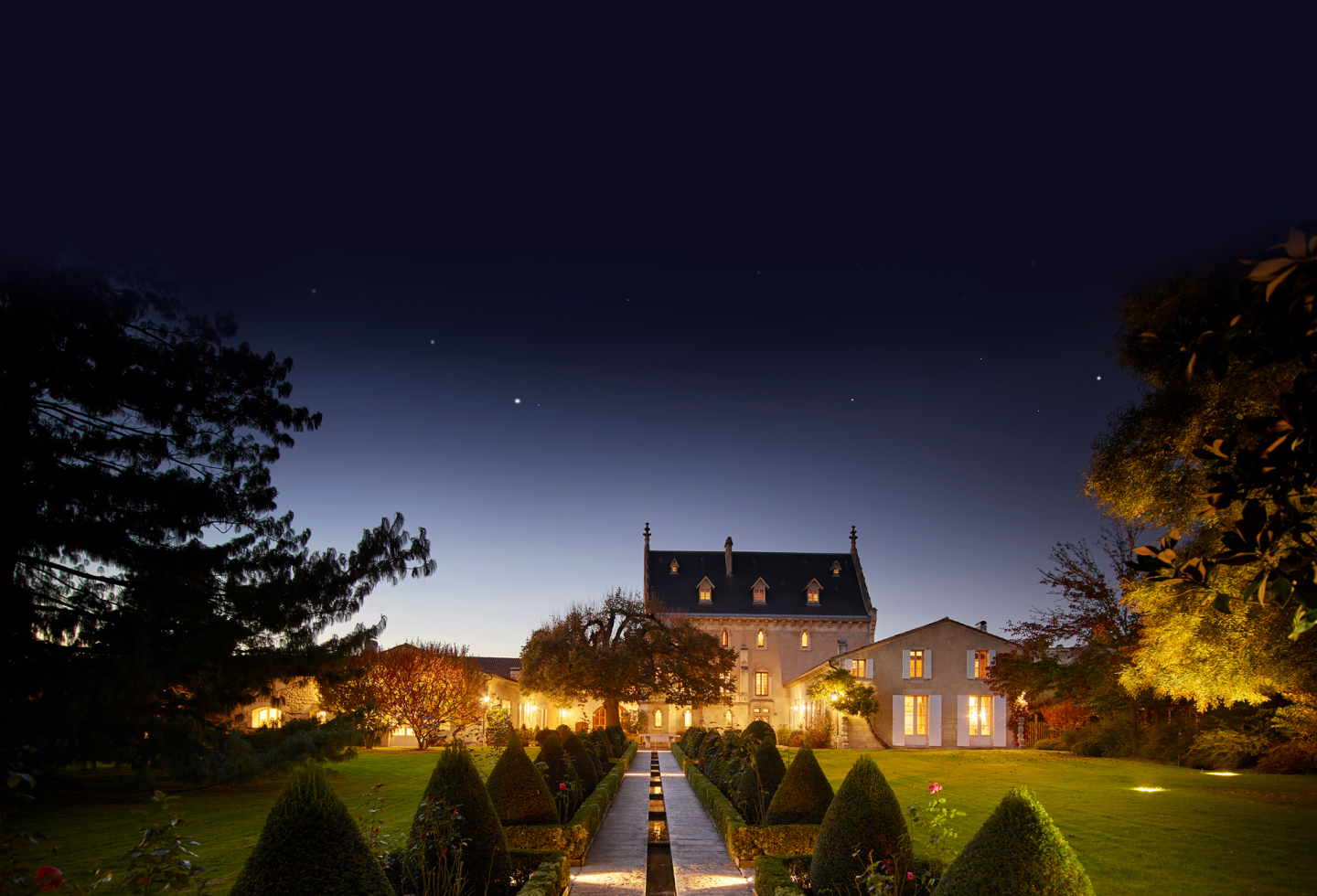
Château La Gaffelière, a family-owned estate for centuries in Saint-Émilion, is renowned for its Saint-Émilion Grand Cru wines, crafted from a 22-hectare vineyard on clay-limestone and siliceous soils, certified HVE.
Identity
Château La Gaffelière is a winegrowing estate located in the commune of Saint-Émilion, in Gironde. The estate is managed by the de Malet Roquefort family, with Alexandre de Malet Roquefort at the helm, Stéphane Derenoncourt as consultant oenologist, and Franck Darricau as cellar master.
History and Philosophy
The history of Château La Gaffelière is steeped in time, with the Malet-Roquefort family present for several centuries, making them one of the oldest families in the region. The estate's name is linked to a medieval leper colony that once cared for the "gaffets". The estate has undergone significant modernization phases, notably in 1990 with the renovation of the underground cellar, and in 2004, marking the start of a vineyard modernization led by Léo and Alexandre de Malet Roquefort. In 2013, further technological enhancements were introduced in the vat room, including an optical sorting line, a cold room, and a vertical press. The estate is certified HVE (Haute Valeur Environnementale).
The Appellations
Château La Gaffelière produces wines under the Saint-Émilion Grand Cru appellation. The estate was ranked Premier Grand Cru Classé de Saint-Émilion in 1959. It withdrew from the classification in 2022.
Practical Information
Château La Gaffelière is located in Saint-Émilion. You can contact them by phone at +33 (0)5 57 24 72 15 or by email at contact@gaffeliere.com. The boutique is open from 8 am to 12 pm and from 2 pm to 6 pm. Tours and tastings are available seven days a week, by appointment, with set slots at 10:30 am, 2:00 pm, and 4:00 pm. Online booking is recommended. The estate also offers accommodation with four villas available across the Grand Saint-Emilionnais area.
Find Out More
Frequently asked questions
- What is the primary appellation of Château La Gaffelière and what are its cuvées?
- Château La Gaffelière primarily produces wines under the Saint-Émilion Grand Cru appellation. Its flagship cuvées include Château La Gaffelière, the second wine Clos La Gaffelière (also marketed under the name Dame de Gaffelière in some markets), and a cuvée named G La Gaffelière made from Chardonnay.
- What is the composition of the Château La Gaffelière vineyard?
- The vineyard of Château La Gaffelière spans 22 hectares. It is planted predominantly with Merlot (between 65% and 75%) and Cabernet Franc (between 25% and 35%). The vines average 35 years of age and are planted at a density of approximately 6,000 vines/ha.
- What is the terroir of Château La Gaffelière?
- The terroir of Château La Gaffelière features clay-limestone soils on the south-facing slopes of Saint-Émilion, and more siliceous soils at the foot of the slopes. This diversity imparts complexity to the wines, reflecting these different soil types.
- Is Château La Gaffelière certified for its environmental practices?
- Yes, Château La Gaffelière is certified HVE (Haute Valeur Environnementale), reflecting its dedication to environmentally friendly viticultural practices that promote biodiversity and sustainable management of natural resources.
The Vineyard (Terroir)
The vineyard of Château La Gaffelière covers 22 productive hectares. Nestled against the south-facing slopes of Saint-Émilion, it boasts diverse soils: clay-limestone on the hillside and more siliceous at the foot of the slope. The grape varieties are predominantly Merlot (between 65% and 75%) and Cabernet Franc (between 25% and 35%), with vines averaging 35 years of age. Planting density is around 6,000 vines/ha. Harvesting is carried out by hand, including selective sorting directly in the vineyard.
Flagship Cuvées
The estate's main cuvées are Château La Gaffelière and Clos La Gaffelière, its second wine. Clos La Gaffelière was created in 1985 and is crafted from younger vines (under 25 years old), with a blend featuring 90% Merlot. The estate also offers the cuvée Dame de Gaffelière (sometimes used as an alternative name for the second wine abroad) and a cuvée called G La Gaffelière, produced entirely from Chardonnay.
Vinification and Ageing
The estate modernised its facilities with a new vat room installed in 2013, featuring twenty stainless steel vats. Harvesting is manual, complemented by selective sorting in the vineyard.
- Appellations
- Saint-Émilion Grand Cru, Saint-Émilion
- Commune
- Saint-Émilion
- Wine region
- Libournais
- Classification
- 1er Grand Cru Classé B (2022)
- Owner
- Famille Malet Roquefort
- Technical direction
- Derenoncourt Consulting
- Surface area
- 22 ha
- Second wine
- Clos La Gaffelière
- Certifications
- HVE
- Grape varieties
- Merlot 65%, Cabernet Franc 35%
Estate news
23 August 2026
Tour de France durch die Weingärten von Bordeaux
Cet article explore le vignoble bordelais à travers une "Tour de France" à vélo, mettant en lumière la diversité de ses vins et les défis actuels de l'industrie. Le viticulteur Alexis Charrier, de Bommes, un village près de Sauternes, évoque la tradition familiale autour des vins liquoreux. L'itinéraire cyclable commence à Bordeaux, passe par la Cité du Vin, puis s'étend vers l'Entre-deux-Mers jusqu'à Saint-Émilion. On y apprend que, malgré l'afflux de visiteurs, l'industrie viticole est en crise, notamment pour les vins rouges, poussant les châteaux à innover dans le tourisme. Le Château Fleur de Lisse propose des cours de cuisine et des chais monumentaux. Dans le Graves-Sauternes, Caroline et Xavier Perromat du Château de Cérons ont développé des expériences œnologiques immersives, soulignant la passion qui les anime. Le pays du Margaux est représenté par le Château Siran, qui mise sur des dégustations pédagogiques et son riche patrimoine. Enfin, dans les Côtes de Bourg, Valérie Bassereau du Château de la Grave a réduit ses surfaces viticoles pour se diversifier dans l'œnotourisme. L'article conclut sur la beauté des paysages viticoles et l'expérience sensorielle d'une dégustation au Château Eyquem, tout en mentionnant que la région de Bordeaux n'a pas été affectée par les récents incendies. La période idéale pour cette découverte est du printemps à l'automne, avec des options d'hébergement sur des domaines comme Sigalas Rabaud et le Château de la Grave.
Read the source — lz.dePractical information
- Address
- BP65, 33330 Saint-Emilion
- Phone
- 05 57 24 72 15
- Contact form
- Contact the estate
- Opening hours
- De 8h à 12h et de 14h à 18h.
- Visits
- Visites et dégustations proposées en journée. Il est conseillé de prendre rendez-vous en ligne.