
Château Meylet
Updated on
Château Meylet is a family-run winegrowing estate in Saint-Émilion farmed biodynamically since 1987. It produces wines under the Saint-Émilion and Saint-Émilion Grand Cru appellations, with no added sulphites during vinification since 1990.
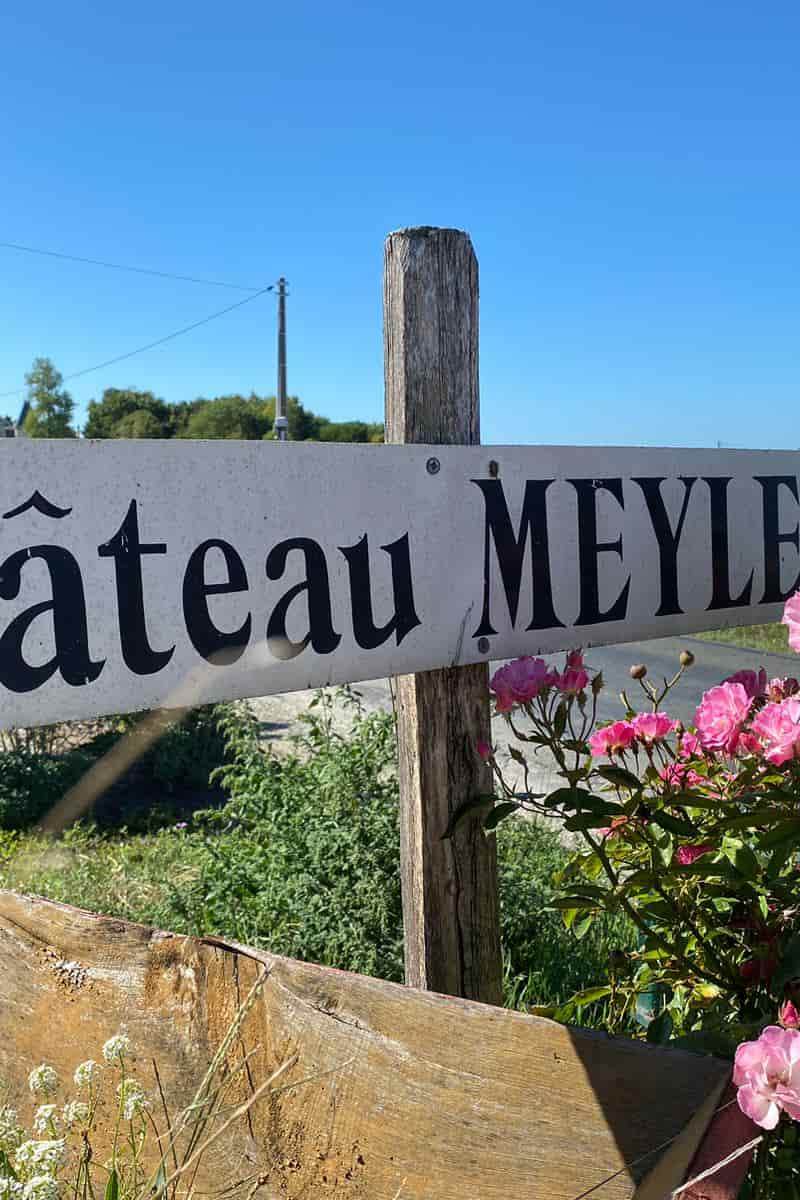
Identity
Château Meylet is a winegrowing estate located in the commune of Saint-Émilion. It is currently owned by David Favard, carrying forward the family legacy established by Jean Morel.
History and philosophy
Château Meylet was founded in 1875 by Jean Morel, with a vineyard that then spanned 1.58 hectares. The estate has remained within the same family across five successive generations of winemakers. Committed to an environmentally friendly approach, Château Meylet has been practising biodynamics in its vineyards since 1987. This philosophy is also reflected in the cellar, with no added sulphites during vinification since 1990.
The appellations
Château Meylet produces wines under the Saint-Émilion and Saint-Émilion Grand Cru appellations, as its parcels are situated within this geographical area.
Practical information
Château Meylet is located at the following address: 5, Gomerie, 33330 Saint-Émilion. For any enquiries, the estate can be contacted by telephone on 05 57 24 68 85. Cellar and vineyard visits are available, with bookings made via the contact form on the château’s official website.
Find out more
Frequently asked questions
- Who is the current owner of Château Meylet and what are the estate's origins?
- Château Meylet is currently owned by David Favard, who continues the family legacy. The estate was founded in 1875 by Jean Morel, with an initial vineyard of 1.58 hectares. It has remained within the same family across five generations of winemakers, testifying to a long-standing viticultural heritage.
- What is the surface area of the Château Meylet vineyard and what are the characteristics of its terroir?
- The Château Meylet vineyard spans an area of 2.6 hectares. The estate is committed to never sourcing external grapes for the production of its wines. The terroir consists of sandy-clay-limestone soils, which shape the distinctive character of the wines produced from these parcels.
- Under which appellations are Château Meylet wines marketed?
- Château Meylet produces wines under two main appellations: Saint-Émilion and Saint-Émilion Grand Cru. These appellations reflect the geographical location of the vineyard parcels within the designated boundary for these denominations.
- What are the key winemaking practices at Château Meylet?
- Château Meylet stands out for its respectful winemaking practices and distinctive philosophy. The estate has been committed to biodynamics since 1987 and has vinified with no added sulphites since 1990. This method is designed to preserve and highlight the pure, natural expression of the fruit and terroir.
The vineyard (terroir)
The Château Meylet vineyard covers an area of 2.6 hectares. The soils are sandy-clay-limestone. Prior to 1978, the vineyard covered 2.3 hectares. The estate is committed to never buying in external grapes.
Flagship cuvées
Château Meylet crafts an iconic cuvée under the name Château Meylet, whose first vintage was produced in 1978. The estate also offers wines under the Saint-Émilion designation, such as the 2019 vintage.
Vinification and ageing
Château Meylet's wines are crafted with a distinctive approach, notably characterised by vinification with no added sulphites, a practice embraced by the estate since 1990. This method seeks to express the fruit and terroir with pure authenticity.
- Appellations
- Saint-Émilion, Saint-Émilion Grand Cru
- Commune
- Saint-Émilion
- Wine region
- Libournais
- Classification
- Domaine en biodynamie
- Owner
- David Favard
- Surface area
- 2.6 ha
- Certifications
- Biodynamie
Practical information
- Address
- 5, Gomerie, 33330 SAINT-EMILION
- Phone
- +33687842726
- Contact form
- Contact the estate
- Visits
- Possibilité de visiter la cave et le vignoble. Réservation via le formulaire de contact.