
Château Beneyt
Updated on
Château Beneyt, located in Rions and owned by Nathalie Vrignaud and Fabien Laborde, produces wines under the Bordeaux Rosé appellation. The estate is certified Haute Valeur Environnementale (HVE) and holds the Développement Durable (RSE) label.
Identity
Château Beneyt is located in Rions, in the Gironde department. It is owned by Nathalie Vrignaud and Fabien Laborde.
History and philosophy
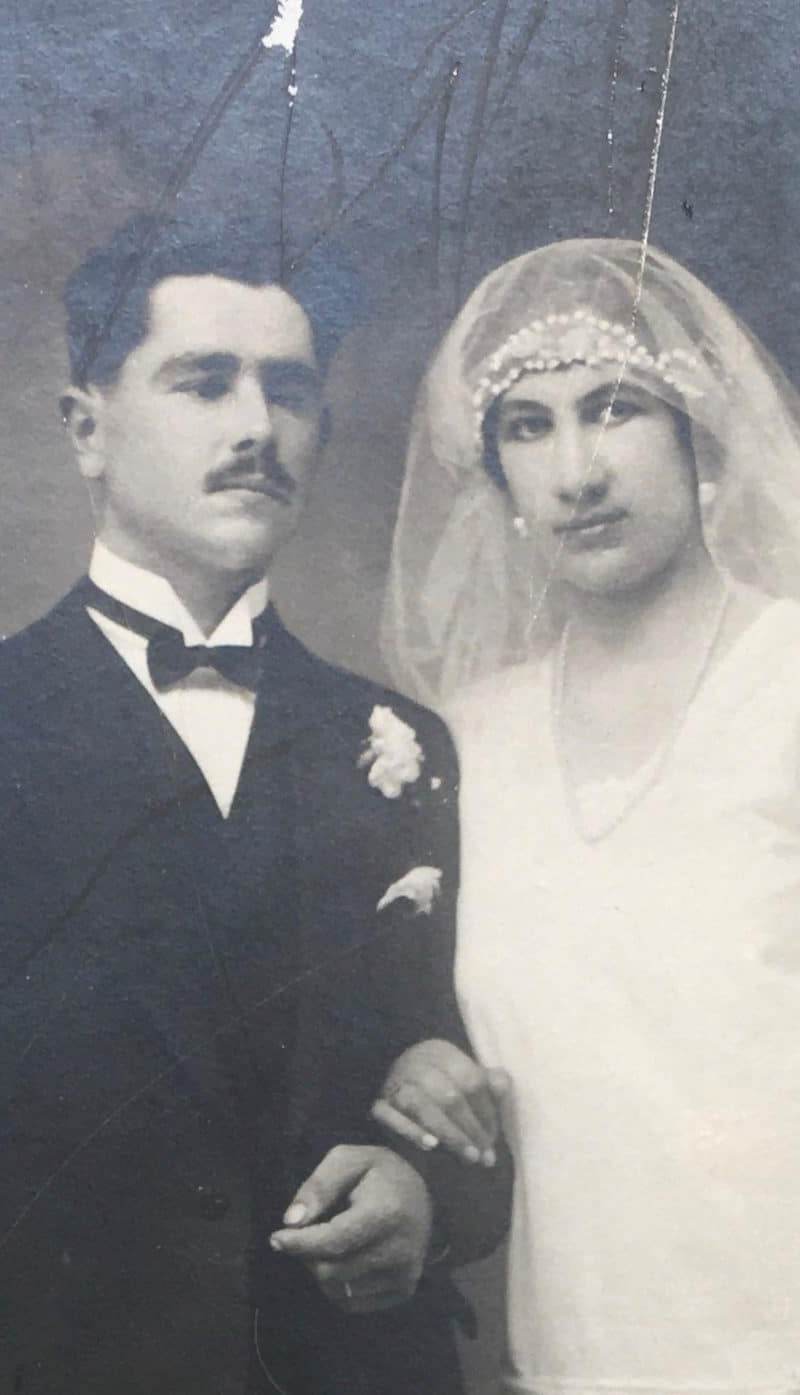
The history of Château Beneyt began in 1910 with Germaine and Léonce, joined by Henriette and Albert that same year. In 1936, grandfather Jean joined the estate. Jean and Paulette took over the reins in 1945. At that time, wines were sold in bottle, alongside bulk sales to the négociant trade.
In 1976, father Joël took over management. Under his leadership, the vineyard doubled in surface area and a cellar dedicated to vinification, ageing, and storage was built. In 1994, Nathalie and Fabien joined the estate, putting an end to bulk sales to focus entirely on direct sales to consumers. Fabien Laborde, an oenologist, serves as the estate's winemaker, while Nathalie Vrignaud oversees quality, safety, and environmental management. The official handover to Nathalie and Fabien took place in 2018.
Château Beneyt is committed to sustainable practices, certified Haute Valeur Environnementale (HVE) and holding the Développement Durable (RSE) label.
Appellations
Château Beneyt produces wines under the Bordeaux Rosé appellation. The estate takes part in the open cellar days (Journées Portes Ouvertes) across the Premières Côtes de Bordeaux region.
Practical information
Château Beneyt regularly participates in the Journées Portes Ouvertes in the Premières Côtes de Bordeaux region.
Find out more
Frequently asked questions
- Where is Château Beneyt located?
- Château Beneyt is located in the commune of Rions, in the Gironde department. It is part of the Bordeaux wine region and regularly participates in the Premières Côtes de Bordeaux open cellar days.
- Which appellations are produced by Château Beneyt?
- Château Beneyt produces wines under the Bordeaux Rosé appellation. The estate also crafts a broader range of cuvées, including red wines, dry and moelleux whites, as well as sweet botrytised wines.
- Which grape varieties are planted at Château Beneyt?
- The Château Beneyt vineyard is planted with several grape varieties: Merlot, Cabernet Franc, Cabernet Sauvignon, Malbec, and Petit Verdot for the reds; Sauvignon for the dry whites; Sauvignon and Sémillon for the moelleux sweet whites; and Sémillon for the sweet botrytised wines.
- What is the viticultural philosophy of Château Beneyt?
- Château Beneyt is dedicated to sustainable winegrowing, as demonstrated by its Haute Valeur Environnementale (HVE) certification and the Développement Durable (RSE) label, underscoring its environmentally respectful approach.
The vineyard (terroir)
Harvesting for white and rosé wines takes place during the coolest hours of the day, or even at night. For the sweet botrytised wines, picking is carried out by hand in late October, capitalising on the development of noble rot (Botrytis Cinerea) encouraged by the proximity of the Garonne and the Nau rivers, which generate morning mists and humidity followed by afternoon warmth.
The grape varieties for the red wines comprise Merlot, Cabernet Franc, Cabernet Sauvignon, Malbec, and Petit Verdot. For the rosé wines, Merlot, Cabernet Franc, and Cabernet Sauvignon are used. Dry white wines are crafted from Sauvignon, while sweet moelleux whites are mainly made from Sauvignon (90%) and Sémillon. Sémillon is the sole grape variety used for the estate's sweet botrytised wine.
Flagship cuvées
Cuvées fruitées
The Cuvées fruitées, notably Rosé de Beneyt, focus on purity of fruit during vinification. These wines are crafted to be generous, crisp, and expressive.
Cuvées Flore and Gaston
Cuvée Flore and Cuvée Gaston offer greater complexity and depth. Their blend and ageing follow the purest Bordeaux traditions.
Cuvées Grande Réserve
The Cuvées Grande Réserve are sourced from the estate's oldest vines. Vinified and aged in new oak barrels, they are crafted for cellaring. In 2019, the Grande Réserve Sauvignon blanc 2019 was highlighted in Terre de Vins magazine with a 17.5/20 score and an editorial favourite distinction ("coup de cœur de la rédaction").
Vinification and ageing
For the Rosé de Beneyt, the Merlot undergoes bleeding (saignée), while Cabernet Sauvignon and Cabernet Franc are processed by direct pressing. Fermentations are carried out at low temperatures, between 14 and 17 °C. The harvest of Sauvignon Blanc and rosé grapes takes place during the coolest hours, often at night.
The Cuvées Grande Réserve are vinified and aged in new oak barrels. The sweet botrytised wine, Cuvée Flore, is likewise aged in oak casks. Harvesting for the sweet wines is done entirely by hand in late October, once noble rot has fully developed.
- Appellation
- Bordeaux Rosé
- Commune
- Rions
- Wine region
- Bordeaux & Bordeaux Supérieur
- Owner
- Nathalie Vrignaud et Fabien
- Technical direction
- Fabien Laborde
- Certifications
- HVE
- Grape varieties
- Merlot, Cabernet Franc, Cabernet Sauvignon, Malbec, Petit Verdot, Sauvignon, Sémillon
Estate news
19 May 2026
Portes ouvertes Maison des Vins 2026 | Ville de Cadillac sur Garonne
La 31ème édition des Journées Portes Ouvertes de la Région des Premières Côtes de Bordeaux se tiendra les 6 et 7 juin 2026, de 10h à 19h. Cet événement permettra aux visiteurs de rencontrer une trentaine de vignerons d'exception qui partageront leur passion et proposeront de nombreuses animations, activités ludiques et déjeuners. Parmi les 32 châteaux participants figurent, à Cadillac, le Château Fayau ; à Camblanes-et-Meynac, le Château Brethous et le Domaine du Tasta ; à Capian, le Château Suau, le Château de Potiron et le Domaine de Darbalot ; à Cardan, le Château du Payre ; à Carignan, le Château Carignan ; à Donzac, le Château Rozier-Morillons et le Château Le Filh ; à Haux, le Château Lamothe de Haux ; à Langoiran, le Château La Peyruche et le Château Langoiran ; à Latresne, le Château Pascot ; à Laroque, le Château Peller Laroque ; à Loupiac, le Château Grand Peyruchet et le Château Dauphiné Rondillon ; à Monprimblanc, le Château Garbes Cabanieu ; à Omet, le Château La Bertrande ; à Paillet, le Château Sainte Catherine ; à Rions, le Château Carsin, le Château Petit Guillot (au Château Carsin), La Bastane, le Château Beneyt et le Château Réaut ; à Saint Caprais, le Château le Sens ; à Sainte-Croix du Mont, le Château du Pavillon ; à Saint Germain de Graves, le Domaine du Cheval Blanc ; à Saint-Loubès, le Château Haut Tellas ; à Saint Maixant, le Château La Prioulette ; à Tabanac, le Château Renon ; et à Verdelais, le Château Charreau. Des séances d'initiation à la dégustation de vin, animées par un formateur de l’école du vin de Bordeaux, seront également proposées sans réservation à la Maison des Vins de Cadillac, au tarif de 3€ par personne, le samedi et le dimanche à 11h, 12h, 14h, 15h, 16h et 17h, dans la limite des places disponibles. Il est à noter que le Château Réaut ne proposera pas de restauration ni de concert comme initialement prévu, mais les visites de son chai resteront possibles.
Read the source — cadillacsurgaronne.frPractical information
- Address
- Rions
- Contact form
- Contact the estate