
Château du Champ des Treilles
Updated on
Located in Margueron, Château du Champ des Treilles is a family-run biodynamic winegrowing estate in the Sainte-foy-bordeaux appellation. Managed by Corinne Comme, it crafts wines from a 10 ha vineyard planted on clay-limestone soils, using indigenous yeast fermentations.
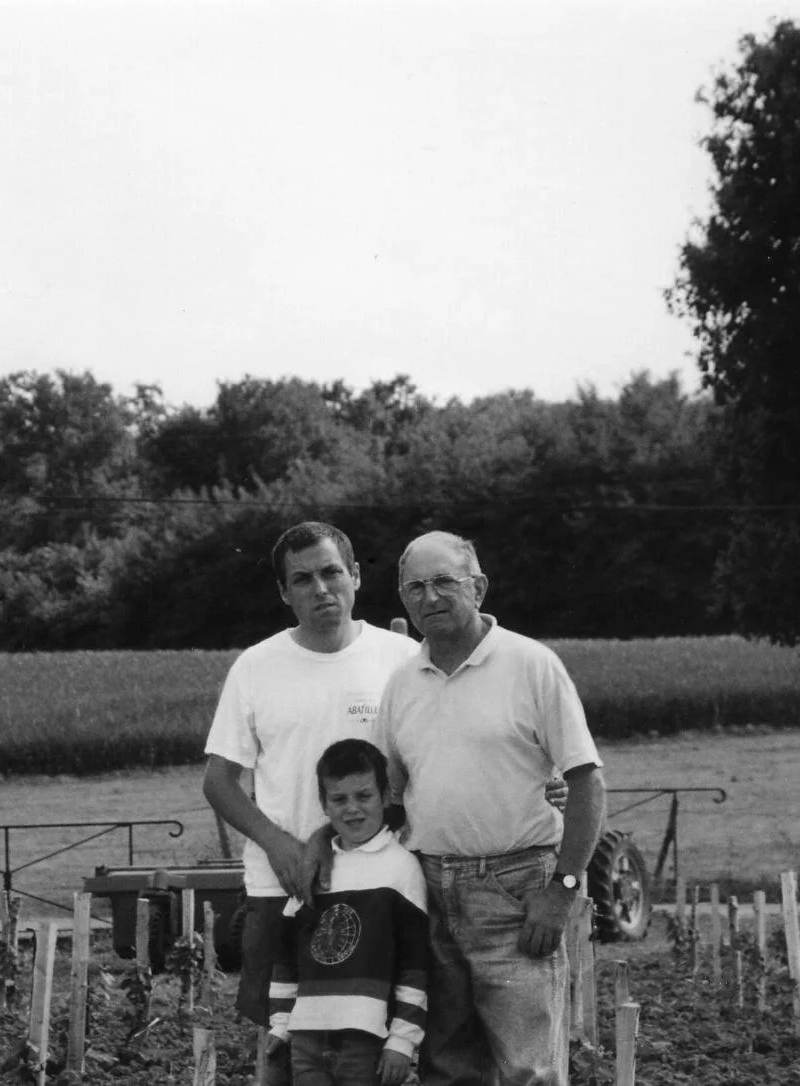
Identity
Château du Champ des Treilles is a winegrowing estate located in Margueron. It is run by Corinne Comme, with the involvement of Jean-Michel.
History and philosophy
The history of Château du Champ des Treilles is defined by Corinne Comme's decision to preserve the family vineyard in 1998. She settled at the estate in 2020, having taken over the property in 1998. The estate is committed to environmentally friendly viticulture, adopting organic farming practices in 2004 alongside biodynamics.
The appellations
Château du Champ des Treilles produces wines under the Sainte-foy-bordeaux appellation.
Practical information
Château du Champ des Treilles offers sales and tastings on site at the estate.
Find out more
For further information, visit the estate's official website: Official estate website
Frequently asked questions
- Where is Château du Champ des Treilles located and who owns it?
- Château du Champ des Treilles is located in the commune of Margueron. The property is managed by Corinne Comme, who decided to retain the family vineyard in 1998 and moved to the estate in 2020. She is actively involved in running the estate in collaboration with Jean-Michel.
- What environmental certifications does Château du Champ des Treilles hold?
- Château du Champ des Treilles is committed to an environmentally friendly approach, reflected in its certifications. The estate adopted organic farming practices in 2004 and has also embraced biodynamics. These certifications demonstrate a commitment to sustainable viticulture that respects the vineyard's natural balance.
- What are the terroir and grape varieties at Château du Champ des Treilles?
- The Château du Champ des Treilles vineyard spans 10 hectares. Its terroir is characterised by clay-limestone soils with occasional flint outcrops. The average age of the plots is around forty years. For red wines, the varieties grown are Merlot (the majority), Cabernet Franc, Cabernet-Sauvignon and Petit-Verdot. For white wines, the vineyard is planted with Sauvignon blanc, Sémillon and Muscadelle.
- What winemaking methods are used at Château du Champ des Treilles?
- For white wines, after pressing, the grapes are kept chilled before settling. Alcoholic fermentation is carried out exclusively with indigenous yeasts, followed by ageing on yeast lees. For red wines, the grapes are destemmed, and extraction is performed via manual punching down. Alcoholic fermentation relies on parcel-specific indigenous yeasts, and maceration lasts around 4 weeks. Malolactic fermentation occurs naturally, and ageing takes place in concrete or stainless steel vats.
The vineyard (terroir)
The Château du Champ des Treilles vineyard covers an area of 10 hectares. The soils are clay-limestone, with flint outcrops in places. The average age of the vines across the plots is around forty years.
The grape varieties grown include Merlot as the principal red variety, complemented by Cabernet Franc, Cabernet-Sauvignon and Petit-Verdot. For white wines, the vineyard is planted with Sauvignon blanc, Sémillon and Muscadelle.
The traditional planting density is 5,000 vines per hectare, though some plots have had their density doubled to reach 10,000 vines per hectare. Viticultural practices aim to guide the vines naturally, without leaf-thinning or green harvesting. The estate has notably introduced Petit-Verdot.
Flagship cuvées
The cuvées produced by the estate include the sweet Vieilles Vignes, documented for the 1998 and 2001 vintages. The estate also offers the Le Petit Champ cuvée, noted for its 2006 vintage, as well as the dry white Vin passion blanc sec, identified for the 2007 vintage.
Vinification and ageing
For the white wines, the grapes are pressed and kept chilled for 24 hours. Settling (débourbage) separates the clear juice for fermentation. Alcoholic fermentation is carried out exclusively with indigenous yeasts. The wines are then aged on yeast lees for several months, with the exact duration varying according to the vintage.
For the red wines, the grapes are destemmed, with or without crushing depending on the lot. Extraction is carried out by manual punching down (pigeage). Alcoholic fermentation takes place exclusively with indigenous yeasts specific to each plot. Maceration lasts approximately 4 weeks, varying according to the year and the vat. Malolactic fermentation occurs naturally via lactic acid bacteria present in the wine. Red wine ageing takes place in concrete or stainless steel vats for 11 to 18 months. The 2000 vintage was aged in oak barrels.
- Appellation
- Sainte-Foy Côtes de Bordeaux
- Commune
- Margueron
- Wine region
- Entre-deux-Mers
- Owner
- Corinne Comme
- Surface area
- 10 ha
- Certifications
- Bio, Biodynamie
- Grape varieties
- Merlot, Cabernet Franc, Cabernet-Sauvignon, Petit-Verdot, Sauvignon blanc, Sémillon, Muscadelle
Practical information
- Address
- Margueron
- Contact form
- Contact the estate