
Château Filhot
Updated on
Château Filhot, a Second Cru Classé of Sauternes founded in 1709, is managed by Comte Gabriel de Vaucelles. The 60–62-hectare vineyard, certified HVE3, produces sweet wines crafted from Sémillon, Sauvignon Blanc and Muscadelle.
Identity
Château Filhot is a winegrowing estate located in the commune of Sauternes. It is managed by Comte Gabriel de Vaucelles, with Henri de Vaucelles also named as owner. The estate's history dates back to its foundation in 1709 by Romain de Filhot.
History and philosophy
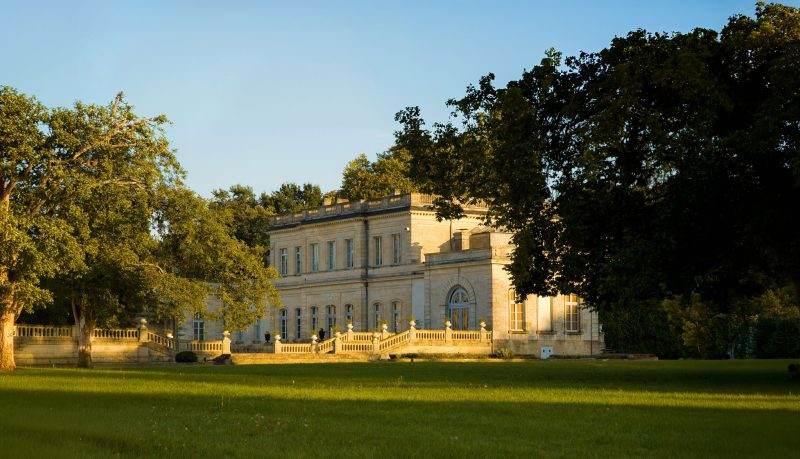
Founded in 1709 by Romain de Filhot, Château Filhot is steeped in the tradition of great Sauternes sweet wines. The estate gained recognition in 1855, being awarded the Second Cru Classé ranking. The château's parklands, established in 1845, were designed by landscape architect Louis-Bernard Fischer. Committed to environmental stewardship, Château Filhot has achieved Level 3 Haute Valeur Environnementale (HVE) certification.
Appellations
Château Filhot produces wines under the Sauternes Appellation d'Origine Contrôlée. It is ranked as an 1855 Second Cru Classé within this appellation.
Practical information
Château Filhot is located at FILHOT, 33210 SAUTERNES. The estate can be contacted by telephone on +33 (0)5 56 76 61 09 or by email at filhot@filhot.com. Cellar door sales are available, and the tasting room is open from Monday to Friday. Complimentary tours and tastings in the château cellars are offered in French and English, accommodating groups of 5 to 25 people. Additional estate products, such as acacia honey from the château, are also available. Payment methods accepted include credit/debit cards, bank and postal cheques, and cash. Delivery services are also available.
Find out more
Frequently asked questions
- Who are the current owners of Château Filhot and what is its history?
- Château Filhot is currently managed by Comte Gabriel de Vaucelles, with Henri de Vaucelles also named as owner. The estate's history began in 1709 when it was founded by Romain de Filhot. The château has been classified as a Second Cru Classé since the 1855 classification, and its park was landscaped in 1845 by Louis-Bernard Fischer.
- What is the size of Château Filhot's vineyard and which grape varieties are grown there?
- The vineyard at Château Filhot extends over approximately 60 to 62 hectares, situated on the southern slope of the hill in the village of Sauternes. Grape varieties are predominantly Sémillon (60%), complemented by Sauvignon Blanc (36%) and Muscadelle (4%). The average vine age is around 35 years.
- What environmental certifications has Château Filhot achieved?
- As part of its commitment to environmental stewardship, Château Filhot has achieved Level 3 Haute Valeur Environnementale (HVE) certification. This certification validates the sustainable farming practices implemented to preserve biodiversity and minimise the environmental impact of wine production.
- Does Château Filhot offer visits and tastings?
- Yes, Château Filhot offers complimentary tours and tastings in its cellars. These experiences are available in French and English for groups of 5 to 25 people. The estate tasting room is open from Monday to Friday for direct sales, where additional products such as estate-produced acacia honey are also available.
The vineyard (terroir)
The vineyard of Château Filhot covers an area of 60 to 62 hectares, depending on sources, set on the southern slopes of the hill in the village of Sauternes. The vines have an average age of around 35 years. The grape varieties are dominated by Sémillon (60%), complemented by Sauvignon Blanc (36%) and Muscadelle (4%). Grapes are harvested by hand, an essential practice for producing fine sweet wines.
Flagship cuvées
Château Filhot offers several sweet wine cuvées. The primary wine is Château Filhot. Other cuvées produced include Trianon De Filhot, Sauternes Zest, Sauternes Réserve Crème de Tête, and Sauternes gold reserve. These wines are distinguished by their luscious, sweet profile, typical of the Sauternes appellation.
Vinification and ageing
The vinification and ageing process at Château Filhot is tailored to sweet wine production, for which selective hand-harvesting is a crucial step.
- Appellation
- Sauternes
- Commune
- Sauternes
- Wine region
- Graves & Sauternais
- Classification
- 2e Cru Classé 1855
- Owner
- Comte Gabriel de Vaucelles
- Surface area
- 62 ha
- Second wine
- Trianon De Filhot
- Certifications
- HVE
- Grape varieties
- Sémillon 60%, Sauvignon Blanc 36%, Muscadelle 4%
Estate news
03 February 2010
Classement 1855 Sauternes et Barsac
Cet article présente le classement officiel des vins de Sauternes et Barsac, établi en 1855 à la demande de l'Empereur Napoléon III pour l'Exposition Universelle de Paris. La classification a été confiée au Syndicat des Courtiers de Commerce de la bourse de Bordeaux et visait à reconnaître la qualité et la notoriété de chaque cru. Le classement initial comprenait 25 châteaux, mais en raison de successions et de partages de sols, il en compte aujourd'hui 26. Le classement inclut une catégorie "Premier Cru Supérieur" représentée par le Château d'Yquem. Les "Premiers Crus" sont les Châteaux La Tour Blanche, La Faurie-Peyraguey, Clos Haut-Peyraguey, de Rayne-Vigneau, Suduiraut, Coutet, Climens, Guiraud, Rieussec, Rabaud-Promis et Sigalas-Rabaud. Enfin, la catégorie des "Seconds Crus" regroupe les Châteaux de Myrat, Doisy Daêne, Doisy-Dubroca, Doisy-Vedrines, d'Arche, Filhot, Broustet, Noirac, Caillou, Suau, de Malle, Romer-Du-Hayot, Lamothe et Lamothe-Guignard. L'article a été rédigé par Adelin Pâques et publié le 3 février 2010.
Read the source — chais-et-vignes.comPractical information
- Address
- FILHOT, 33210 SAUTERNES
- Phone
- +33556766109
- filhot@filhot.com
- Contact form
- Contact the estate
- Opening hours
- Du lundi au vendredi
- Visits
- Visite et dégustation dans les chais du Château