
Château la Clotte-Cazalis
Updated on
Château La Clotte-Cazalis, a certified organic family winegrowing estate in Barsac, produces sweet, dry white and red wines. Managed by Marie-Pierre Lacoste-Duchesne, it implements an agroecological approach on gravelly and clay-limestone soils.
Identity
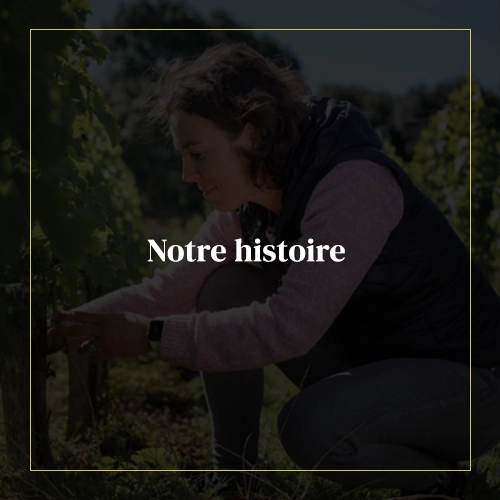
Château La Clotte-Cazalis is a family-owned estate located in Barsac, Gironde. The property is managed by Marie-Pierre Lacoste-Duchesne, an agricultural engineer and oenologist.
History and philosophy
The history of this family-owned property dates back to 1769, when it was acquired by the Lacoste family. The estate was founded in 1779. In 2001, Marie-Pierre Lacoste-Duchesne revived winegrowing operations. In 2012, the estate began its conversion to organic viticulture, achieving certification in 2015. An agroecological approach is applied, incorporating nature-friendly practices, the preservation of living soils, and the planting of trees and hedges as part of an agroforestry initiative. Animal traction is also used with a draught horse.
Appellations
Château La Clotte-Cazalis produces wines under the Barsac, Sauternes and Bordeaux appellations.
Practical information
Château La Clotte-Cazalis is located at 1 La Clotte, 33720 Barsac.
The estate offers guided tours including a discovery of the property and the museum, followed by a tasting of two vintages. Visits are available by appointment. Museum admission is free for individual visitors and costs €6 per person for groups.
To contact the estate:
- Telephone: +33687200334
- Email: contact@laclotte.com
The estate also offers reception rooms and event spaces for hire, fully equipped (audiovisual equipment, air conditioning, tables and chairs) for private or corporate events, such as weddings and seminars. Cellar-door direct sales and mail order are available.
Find out more
Frequently asked questions
- What is the history of Château La Clotte-Cazalis?
- Château La Clotte-Cazalis is a family property whose history dates back to 1769, when it was acquired by the Lacoste family. The estate was founded in 1779. In 2001, Marie-Pierre Lacoste-Duchesne revived winegrowing operations. The estate has been certified organic since 2015, following a conversion started in 2012, and implements an agroecological approach.
- What specific viticultural practices are used at Château La Clotte-Cazalis?
- Château La Clotte-Cazalis practises organic viticulture and an agroecological approach. This includes nature-friendly methods, the preservation of living soils and the use of animal traction with a draught horse. The estate also plants trees and hedges as part of agroforestry. The harvest can be carried out by hand, sometimes berry by berry across multiple passes, and mechanically for other cuvées.
- Which grape varieties are grown at Château La Clotte-Cazalis and on what type of terroir?
- The vineyard of Château La Clotte-Cazalis covers 8 hectares. The grape varieties planted comprise Sémillon (95%) with a touch of Sauvignon for white wines, and Cabernet-Sauvignon (50%) and Merlot (50%) for red wines. The terroir is characterised by shallow gravelly soils over clay-limestone subsoils with a strong limestone influence, as well as sandier soils near the Garonne.
- Which appellations are produced by Château La Clotte-Cazalis?
- Château La Clotte-Cazalis produces wines under several appellations. The main appellation is Barsac. The estate also produces wines under the Sauternes appellation, renowned for its sweet wines, and under the generic Bordeaux appellation for its red and dry white wines.
The vineyard (terroir)
The vineyard of Château La Clotte-Cazalis covers a planted area of 8 hectares out of a total of 20 hectares. It is established on shallow gravelly soils resting on clay-limestone subsoils, with a prominent limestone imprint, and sandier soils in the lower parts of Barsac, near the Garonne. The average age of the vines is 40 years, with plots of seventy-year-old vines.
The grape varieties planted comprise:
- For white grape varieties (5 hectares): 95% Sémillon, with a touch of Sauvignon.
- For red grape varieties (3 hectares): 50% Cabernet-Sauvignon and 50% Merlot.
Harvesting is carried out by hand, sometimes berry by berry, requiring 7 to 8 passes by the pickers from mid-September to November for the sweet wines. Mechanical harvesting is also used for other cuvées.
Key cuvées
The estate offers a range of wines comprising sweet wines, dry white wines and red wines.
- La Clotte-Cazalis traditionnel: This sweet wine is characterised by aromas of apricot, quince and citrus fruit.
- Alma Terra: A sweet wine crafted from seventy-year-old vines.
- Cazalis de LCC: Presented as a fresh, lively wine.
- Sec de La Clotte-Cazalis: A pale gold dry white wine delivering aromas of exotic fruit.
- Taropa (Barsac): A lightly sweet wine, made predominantly from Sémillon, described as approachable, pure and spontaneous.
- Altaïr (Barsac): A lightly sweet wine, crafted from Sauvignon, characterised by its approachable, pure and spontaneous profile.
- Château Couladan: A red wine, presented as a cuvée focused on fresh fruit expression.
Vinification and ageing
The winemaking philosophy favours a natural approach, with moderate use of sulphur and the exclusive use of indigenous yeasts. The wines are vinified in stainless steel vats, stoneware or terracotta jars, and French oak barrels. Sec de La Clotte-Cazalis undergoes a long fermentation and bâtonnage on lees.
- Commune
- Barsac
- Wine region
- Graves & Sauternais
- Owner
- Marie-Pierre Lacoste-Duchesne
- Technical direction
- Marie-Pierre Lacoste-Duchesne
- Surface area
- 8 ha
- Certifications
- Bio
- Grape varieties
- Sémillon 60%, Sauvignon 2.5%, Cabernet-Sauvignon 18.75%, Merlot 18.75%
Practical information
- Address
- 1 La Clotte, 33720 Barsac
- Phone
- +33687200334
- contact@laclotte.com
- Contact form
- Contact the estate
- Visits
- Visite guidée du domaine et du musée, dégustation de deux millésimes, sur rendez-vous uniquement