
Château du Retout
Updated on
Château du Retout, located in Cussac-Fort-Médoc, is a family-owned winegrowing estate in Haut-Médoc run by the Kopp family. Certified HVE3, the estate cultivates 33 hectares of vines using an environmentally friendly approach, producing both red and white wines.
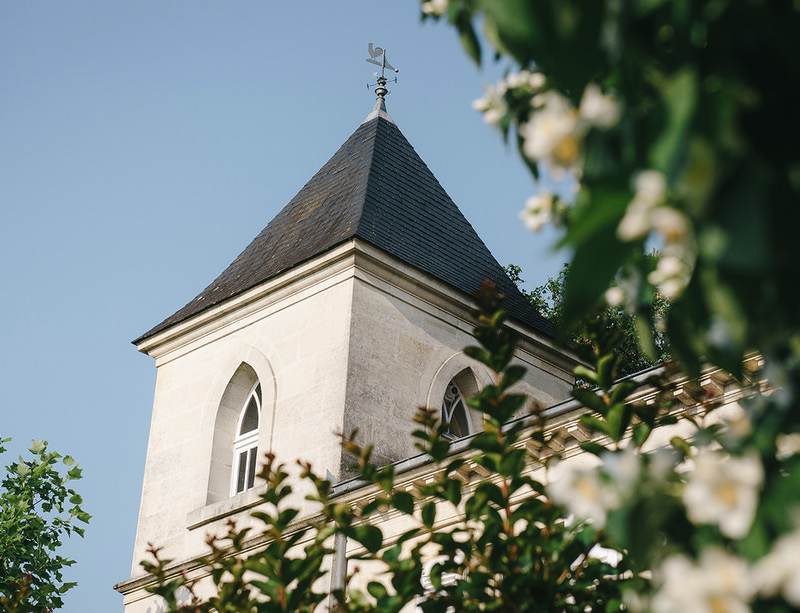
Identity
Château du Retout is located in Cussac-Fort-Médoc. It is owned by the Kopp family. Hélène and Frédéric Soual manage the estate, and Loïse Soual Kopp has also joined the property.
History and philosophy
The Kopp family acquired Château du Retout in the 1950s. Prior to this acquisition, the estate brought together properties such as Château Retou-Rosset and Château Salva de Camino, classified as Crus Bourgeois, alongside Château Moulina. The estate is committed to environmentally friendly viticulture, without insecticides, CMR substances or herbicides. It uses 100% natural fertilisers sourced from horse manure and on-site organic waste. Soil management is tailored to each plot and vintage. The estate obtained HVE3 certification in 2017.
Appellations
Château du Retout produces wines under the Haut-Médoc appellation.
Signature wines
The estate produces a red wine, Château du Retout Cru Bourgeois, and a white wine, Château du Retout Vin blanc Bordeaux.
Practical information
Address: Château du Retout, 33460 Cussac-Fort-Médoc. Telephone: 05 56 58 91 08. Email: contact@chateau-du-retout.com. The estate does not offer cellar-door sales, mail orders, tours or accommodation.
Find out more
Official estate websiteFrequently asked questions
- Who owns and manages Château du Retout?
- The Kopp family owns Château du Retout. Hélène and Frédéric Soual manage the estate, and Loïse Soual Kopp has also joined the property. The estate is located in the commune of Cussac-Fort-Médoc. The Kopp family acquired the domain in the 1950s, bringing together several historic properties.
- What is Château du Retout's viticultural approach?
- Château du Retout is committed to environmentally friendly viticulture. The estate does not use insecticides, CMR substances or herbicides. Fertilisers are 100% natural, derived from horse manure and the farm's organic waste. Soil cultivation is tailored specifically to each plot and vintage. The estate obtained HVE3 certification in 2017.
- What is the surface area of the vineyard and which grape varieties are grown?
- The Château du Retout vineyard covers 33 hectares, including 31 in a single continuous block, with an average vine age of 35 years. The red grape varieties consist of 68% Cabernet Sauvignon, 25% Merlot and 7% Petit Verdot. The white grape varieties include Sauvignon gris, Gros Manseng, Savagnin and Mondeuse. The soils feature clay-gravel and deep Garonne gravel for the reds, and sandy marl for the whites.
- Under which appellations are Château du Retout wines produced?
- Château du Retout produces red wines primarily under the Haut-Médoc appellation, notably Château du Retout Cru Bourgeois. The estate also crafts a white wine, Château du Retout Vin blanc Bordeaux, under the Bordeaux appellation. The property is situated in the commune of Cussac-Fort-Médoc.
The vineyard (terroir)
The Château du Retout vineyard extends over a total area of 33 hectares, 31 of which form a single continuous block. The average vine age is 35 years. The highest point of the estate reaches 17 metres. The oldest plots were planted in the late 1950s. For the red vines, the soils are clay-gravel at the foot of the slope and deep Garonne gravel on top of the rise. The white grape variety plots, covering 1.5 hectares, are planted on sandy marl in the locality known as “Le Retout”. The initial planting of the white plots dates back to 1970 with Merlot noir, which was top-grafted in 2009. The red grape varieties comprise 68% Cabernet Sauvignon, 25% Merlot and 7% Petit Verdot. The white grape varieties include Sauvignon gris, Gros Manseng, Savagnin and Mondeuse.
Vinification and ageing
Vinification is carried out plot by plot. The vats have been equipped with temperature control systems since 2001.
- Appellations
- Haut-Médoc, Bordeaux
- Commune
- Cussac-Fort-Médoc
- Wine region
- Médoc
- Owner
- Hélène Soual Kopp
- Surface area
- 33 ha
- Certifications
- HVE
- Grape varieties
- Cabernet Sauvignon 68%, Merlot 25%, Petit Verdot 7%, Sauvignon gris, Gros Manseng, Savagnin, Mondeuse
Estate news
06 August 2026
How to make Red Wine
L'article, publié le 6 août 2026 et rédigé par Mary Domange, explore les étapes cruciales de la fabrication du vin rouge, soulignant les méthodes utilisées pour développer le corps, la texture, la fraîcheur et le potentiel de vieillissement du vin. Il débute par la récolte manuelle des raisins de qualité optimale pour un équilibre sucre-acidité, évitant ainsi l'ajout ultérieur d'acidifiants. Viennent ensuite le tri et l'égrappage, où les raisins de qualité inférieure sont écartés, une pratique souvent négligée dans la production de masse. Le foulage doux libère le jus qui macère avec les peaux pour la couleur, suivi par la fermentation avec des levures naturelles sélectionnées par les vignerons, par opposition aux levures commerciales aromatisées utilisées pour les vins de masse. Pendant la fermentation, la «chapeau» de peaux est régulièrement immergée pour extraire la couleur, les tanins et les saveurs. Après la fermentation, le pressurage sépare le vin des peaux, le contact prolongé donnant des vins plus tanniques et adaptés au vieillissement. L'article détaille ensuite les méthodes de vieillissement, notamment en cuves inox pour préserver les arômes fruités frais, en cuves béton pour une texture lisse et une pureté du fruit, et en fûts de chêne (neufs ou usagés) qui apportent des saveurs variées telles que vanille, cannelle ou caramel, tout en adoucissant les tanins. Il démystifie l'idée que tous les grands vins rouges vieillissent en fûts de chêne neufs, insistant sur l'importance de l'équilibre et non de la dominance du boisé. Enfin, il aborde la clarification par décantation, filtration ou collage (avec des agents comme le blanc d'œuf pour certains grands vins) et l'embouteillage, où certains vins sont prêts à boire immédiatement tandis que d'autres vieillissent en bouteille. L'article mentionne plusieurs vins, dont le Château du Retout (Haut Médoc AOC Cru Bourgeois 2020) et le Château Puy Boyrein (Graves AOC 2021) comme exemples illustrant la diversité des techniques de vinification.
Read the source — wineathome.orgPractical information
- Address
- Château du Retout, 33460 Cussac-Fort-Médoc
- Phone
- 05 56 58 91 08
- Contact form
- Contact the estate
- Visits
- Pas de visite