
Château la Clyde
Updated on
Château La Clyde, owned by Florence and Jacques Jouny in Tabanac, is undergoing organic and biodynamic conversion. It produces red, white, and rosé wines in Cadillac Côtes de Bordeaux, focusing on aromatic complexity.
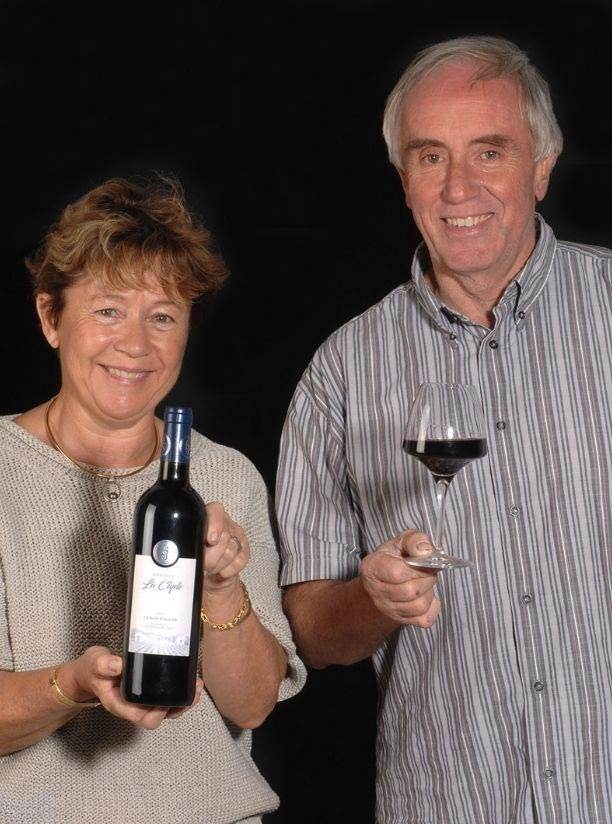
Identity
Château La Clyde is located in the commune of Tabanac in Gironde. It is owned by Florence and Jacques Jouny.
History and philosophy
Château La Clyde was acquired by Florence and Jacques Jouny in 2016. Since 2018, the estate has been committed to converting to organic and biodynamic viticulture. The château's philosophy aims to produce wines that reflect their terroir, with particular attention to grape quality, grown without pesticides. The estate seeks to craft food-friendly wines endowed with aromatic complexity, while also offering bottlings ready to be enjoyed in their youth.
Appellations
Château La Clyde produces wines under the Cadillac Côtes de Bordeaux appellation. The estate also comes under the Premières Côtes de Bordeaux Moelleux appellation.
Winemaking and ageing
Oenological practices at Château La Clyde aim to express the terroir's potential and the quality of grapes harvested through meticulous viticulture.
Practical information
Address: 33550 Tabanac
Telephone: 06 14 27 66 83
Email: laclyde@orange.fr
Find out more
Frequently asked questions
- Who owns Château La Clyde and when did they acquire it?
- Château La Clyde is owned by Florence and Jacques Jouny. They acquired the estate in 2016, marking the beginning of a new era for this winegrowing property located in Tabanac, Gironde. Their commitment took shape through a progressive conversion to organic and biodynamic viticulture, initiated two years after their purchase, in 2018.
- What certifications does Château La Clyde hold?
- Château La Clyde is certified organic and biodynamic. This approach was initiated in 2018, reflecting a philosophy centred on environmental respect and the production of wines that faithfully express their terroir without pesticide use. These certifications guarantee viticultural practices mindful of the vineyard ecosystem and grape quality.
- What are the characteristics of Château La Clyde's terroir?
- The Château La Clyde vineyard is planted on clay, limestone, and gravel soils. It sits at an altitude of approximately 80 metres, near the Garonne. This distinctive terroir gives the wines a unique expression shaped by the nature of the soils and the geographical setting. Viticultural practices are adapted to best showcase these natural specificities.
- Under which appellations are Château La Clyde wines produced?
- Château La Clyde wines are produced primarily under the Cadillac Côtes de Bordeaux appellation. The estate also comes under the Premières Côtes de Bordeaux Moelleux appellation. This diversity of appellations allows the château to craft a versatile range of wines, including red, white, and rosé bottlings, all designed to reflect their terroir and complement fine dining.
The vineyard (terroir)
The Château La Clyde vineyard extends over clay-limestone and clay-gravel soils. It is situated close to the Garonne, at an altitude of around 80 metres. Viticultural practices focus on yielding healthy grapes with respect for the environment, following an organic and biodynamic conversion initiated in 2018. The estate does not purchase external grapes.
Flagship cuvées
Château La Clyde crafts red, white, and rosé wines. The wines are designed to pair with gastronomy, offering a distinct aromatic complexity. Certain cuvées have earned recognition for their originality and the meticulous care brought to viticulture and winemaking, such as Hédoné 2020. The estate also offers wines that can be enjoyed young.
- Appellation
- Cadillac Côtes de Bordeaux
- Commune
- Tabanac
- Wine region
- Entre-deux-Mers
- Owner
- Florence et Jacques Jouny
- Certifications
- Bio, Biodynamie
Practical information
- Address
- 33550 TABANAC
- Phone
- 06 14 27 66 83
- laclyde@orange.fr
- Contact form
- Contact the estate