
Château Cantinot
Updated on
Château Cantinot, a family-owned winegrowing estate in Blaye Côtes de Bordeaux, has been certified organic since 2023. It offers a range of red wines crafted from Merlot and Cabernet grape varieties, grown on clay-limestone terroir.
Overview
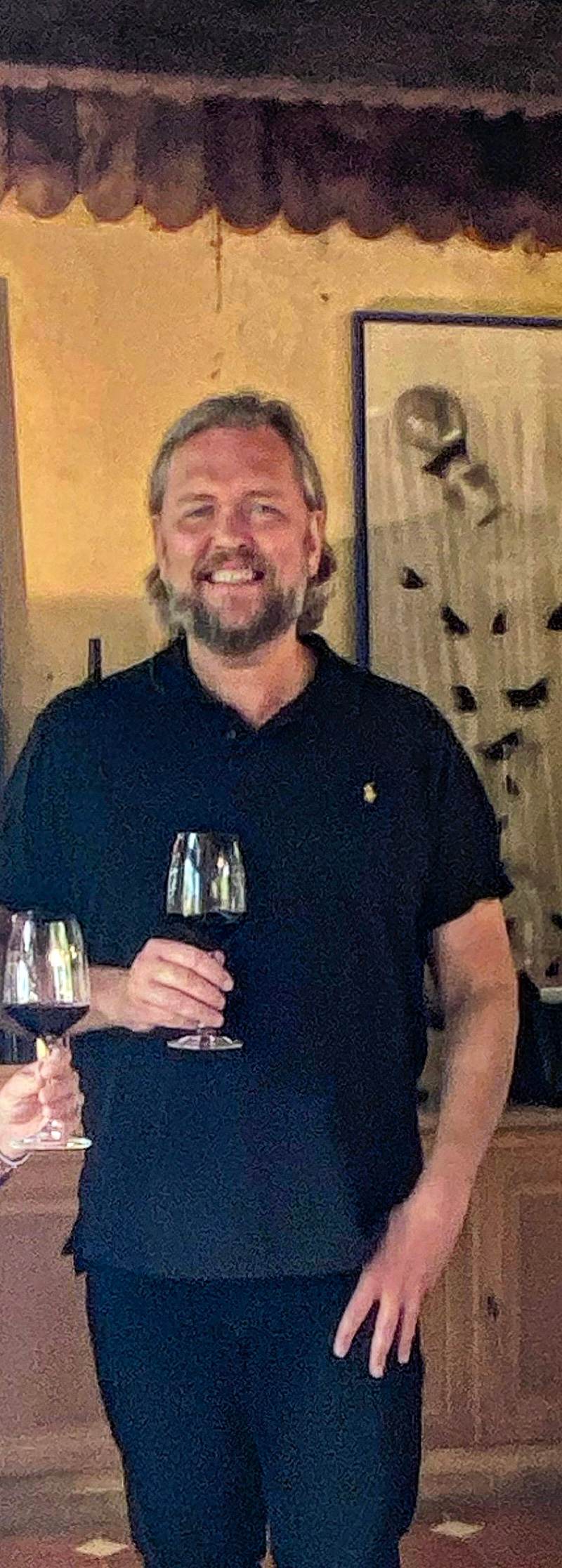
Château Cantinot is a winegrowing estate located in the commune of Cars, in the Gironde department. It is owned by Tristan Bouscasse and Sophie Guillaumin-Grimaldi, who oversee management, sales, and communications. Romain Moulineau serves as cellar master and vineyard manager, with Andreas Larsson acting as blending consultant.
History and philosophy
Château Cantinot was acquired in 2002 by Yann Bouscasse and Florence Vieljeux. The estate began its conversion to organic viticulture in early 2020, achieving organic certification on 15 September 2023.
Appellations
Château Cantinot produces wines under the Blaye Côtes de Bordeaux and Bordeaux appellations.
Practical information
Château Cantinot is located at 1, Cantinot, 33390 Cars. The estate can be contacted by telephone on +33 5 57 64 31 70 or by email at contact@chateau-cantinot.com. Wine tastings and direct sales are available at the estate.
Find out more
Frequently asked questions
- Where is Château Cantinot located and what is its main appellation?
- Château Cantinot is located in the commune of Cars, in the Gironde department. Its primary production falls under the Blaye Côtes de Bordeaux appellation.
- What is the surface area of the Château Cantinot vineyard and what is its terroir?
- The Château Cantinot vineyard covers 37 hectares and is characterised by a clay-limestone terroir.
- When did Château Cantinot achieve organic certification?
- Château Cantinot began its organic conversion in early 2020 and was officially certified organic on 15 September 2023.
- What are the main grape varieties grown at Château Cantinot?
- Château Cantinot mainly cultivates Cabernet and Merlot grape varieties, which are planted in nearly equal proportions across the vineyard.
The vineyard (terroir)
The Château Cantinot vineyard spans 37 hectares, planted on clay-limestone soils. The grape varieties are divided almost equally between Cabernet and Merlot.
Flagship cuvées
The estate produces several cuvées, including Château Cantinot, the estate's Grand Vin, crafted since 2002 from a blend of Merlot and Cabernet Sauvignon.
The Rivière de Château Cantinot cuvée is a second wine, dominated by Merlot (around 90%) alongside Cabernet Sauvignon. Aged in large 70-hl oak vats, it is designed for an optimal ageing potential of 7 to 12 years.
Les Tours de Cantinot is a single-plot selection from old vines, predominantly planted with mature Cabernet vines (around 95% Cabernet-Sauvignon). With an annual production of approximately 6,500 bottles, this cuvée is aged for two years in either truncated wooden vats or oak barrels.
The Orbite de Cantinot cuvée features a blend that can vary with each vintage, incorporating Malbec, Merlot, and Cabernet Franc. This wine is vinified from hand-harvested, whole-cluster grapes in rotating micro-vinification fermenters.
A white wine crafted from black grapes (blanc de noirs), named SIOMA, is also produced from 100% Merlot.
Vinification and ageing
Vinification techniques are tailored to each cuvée. For Orbite, whole bunches are harvested by hand and vinified in rotating micro-fermenters. Rivière de Château Cantinot is aged in large 70-hl foudres, while Les Tours de Cantinot benefits from two years of ageing in truncated vats or oak barrels.
- Appellations
- Blaye Côtes de Bordeaux, Bordeaux, Côtes de Bordeaux
- Commune
- Cars
- Wine region
- Les Vins de Côtes
- Owner
- Tristan Bouscasse
- Technical direction
- Andreas Larsson
- Surface area
- 37 ha
- Second wine
- Rivière de Château Cantinot
- Certifications
- Bio
- Grape varieties
- Merlot, Cabernet Sauvignon, Cabernet Franc, Malbec
Estate news
26 December 2024
Insolite. Quand la roue du Bollwerk flotte sur du vin de Bordeaux...
L'article dévoile l'histoire insolite de la présence de la roue de Mulhouse, symbole du Bollwerk, sur les étiquettes du vin de Bordeaux (AOC Blaye) du Château Cantinot. Cette connexion remonte à 1891 et s'explique par un lien familial entre Mulhouse et La Rochelle. Émile Delmas, l'un des fondateurs de la compagnie maritime rochelaise Delmas-Vieljeux, avait épousé Irma Thierry de Mulhouse en 1860, nièce de l'industriel alsacien André Koechlin. Après la perte de l'Alsace, Émile Delmas est revenu s'installer à La Rochelle avec son épouse, apportant un soutien financier à la compagnie maritime. En souvenir de Mulhouse et grâce à cet apport, la roue de la ville a orné les navires de la compagnie pendant plus d'un siècle. Plus récemment, les propriétaires actuels du Château Cantinot, Tristan Bouscasse et Sophie Guillaumin-Grimaldi, ont choisi d'intégrer cette roue emblématique sur les étiquettes de leurs bouteilles. Pendant le marché de Noël, les vignerons du Château Cantinot sont venus à Mulhouse pour découvrir la ville dont le symbole figure sur leurs vins et chercher des distributeurs locaux. Cette initiative coïncide avec les célébrations des 800 ans de Mulhouse, où la roue du Bollwerk est mise à l'honneur de diverses manières.
Read the source — lalsace.frPractical information
- Address
- 1 Cantinot, 33390 Cars
- Phone
- 05 57 64 31 70
- Contact form
- Contact the estate
- Visits
- Oui