Château Montlau
Updated on
Château Montlau, owned by the Schuster de Ballwil family since 1971, is situated on the hillsides of Moulon. Its 10-hectare vineyard, set on clay-gravel soils, produces wines under the Bordeaux Supérieur, Bordeaux, and Entre-Deux-Mers appellations.
Identity
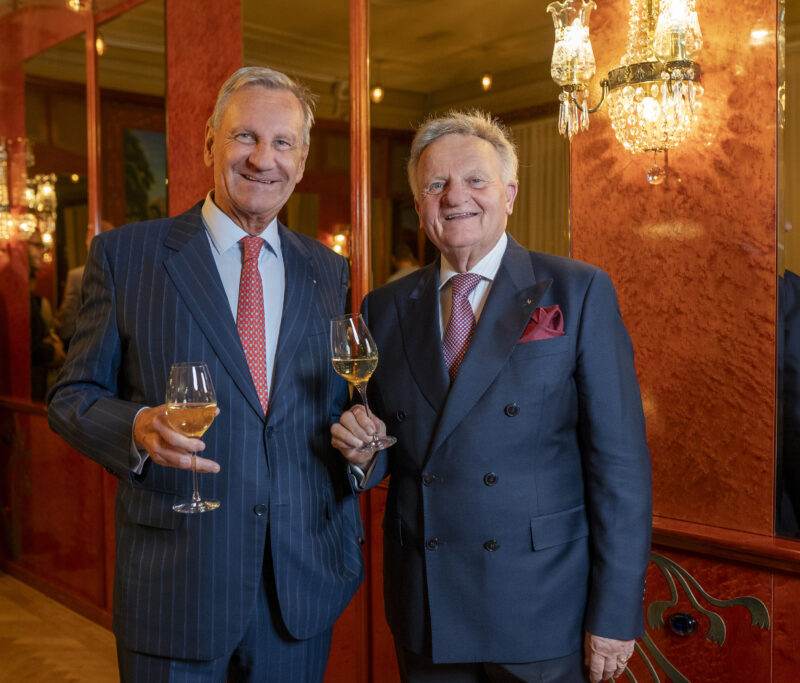
Château Montlau is a winegrowing estate. It has been owned by the Schuster de Ballwil family since 1971.
History and Philosophy
The origins of Château Montlau date back to Gallo-Roman times. The manorial residence was fortified during the Middle Ages and retains two towers dating from the 14th and 15th centuries. The vineyard itself has been documented for half a millennium. In 1971, the Schuster de Ballwil family carried out their first harvest at the estate, celebrating their 50th vintage in 2021.
Appellations
Château Montlau produces wines under the Bordeaux Supérieur appellation, as well as under the Bordeaux and Entre-Deux-Mers appellations for certain cuvées.
Practical Information
The estate offers tastings and direct sales at the property. Visits for individual visitors are available from March to September, and groups are welcomed all year round. Château Montlau also hosts events.
Find Out More
Official estate websiteFrequently asked questions
- Who owns Château Montlau?
- Château Montlau is owned by the Schuster de Ballwil family. They have managed the estate since 1971, the year of their very first harvest on the property.
- What is the size and location of the Château Montlau vineyard?
- The Château Montlau vineyard covers 10 hectares. It is located on the hillsides of Moulon, situated on the south bank of the Dordogne. The soil is predominantly clay-gravel.
- Which appellations can Château Montlau wines claim?
- Château Montlau produces wines under the Bordeaux Supérieur appellation. Certain specific cuvées are also crafted under the Bordeaux and Entre-Deux-Mers appellations.
- What are the main grape varieties grown at Château Montlau?
- Château Montlau cultivates several primary grape varieties. For the red wines, the blends incorporate Merlot and Cabernet Franc. For the white wines, the estate uses Muscadelle, Sémillon, and Sauvignon.
The Vineyard (Terroir)
The Château Montlau vineyard extends over 10 hectares. It is located on the hillsides of Moulon, on the south bank of the Dordogne. The soil is clay-gravel. The grape varieties planted include Merlot, Cabernet Franc, Muscadelle, Sémillon, and Sauvignon.
Flagship Cuvées
Château MONTLAU Vieilli en fût de chêne
This wine is produced from a blend of two-thirds Merlot and one-third Cabernet Franc. It is aged in oak barrels for approximately seven months, with one-fifth of the barrels renewed each year. Serving at 16 °C is recommended.
Château Montlau blanc
Composed of Muscadelle (55%), Sémillon (35%), and Sauvignon (10%), this still white wine can be enjoyed up to 2025. One of its white cuvées was distinguished by a panel of wine professionals in 2023.
Montlau Natur
Crafted under the Bordeaux appellation, this cuvée is produced with no added sulphur.
Favory de Montlau
Made from equal parts Sémillon and Muscadelle, this cuvée is characterised by expressive aromatics, a delicate toasty note, body, and elegance. It is recommended as an aperitif or paired with seafood, shellfish, and fish dishes.
Vinification and Ageing
Ageing takes place in vats as well as barrels. Certain wines are matured for seven months in oak barrels, with an annual renewal of one-fifth of the cellar's oak stock.
- Appellations
- Bordeaux Supérieur, Bordeaux, Entre-deux-Mers
- Wine region
- Bordeaux & Bordeaux Supérieur
- Owner
- Famille Schuster de Ballwil
- Surface area
- 10 ha
- Grape varieties
- Merlot, Cabernet Franc, Muscadelle, Sémillon, Sauvignon
Estate news
26 February 2018
Le château Chantelouve remporte le 13e trophée du Top Vin de l'Entre-Deux-Mers
Le Château Chantelouve, propriété de Laurent Lescoutras, a remporté la 13e édition du trophée du Top Vin de l'Entre-Deux-Mers pour l'année 2018. Le palmarès, dévoilé suite à une dégustation à l'aveugle organisée à la Maison des Vins de La Sauve, a également distingué le Château Lestrille en deuxième position et le Château Turcaud en troisième place. Le concours visait à sélectionner les 20 meilleurs vins blancs secs de l'appellation Entre-Deux-Mers de l'année 2017, qui serviront ensuite à la promotion de l'appellation tout au long de l'année. Un jury composé de 5 tables de 6 dégustateurs, incluant journalistes spécialisés et professionnels du vin, a évalué les qualités gustatives et visuelles de 40 châteaux participants. Claire Lescoutras, fille de Laurent Lescoutras et étudiante en école de commerce, a représenté le Château Chantelouve pour recevoir le trophée, décrivant leur vin comme fruité avec des notes exotiques et de pêche blanche. Les vins récompensés sont majoritairement assemblés à partir de sauvignon, complété par du sémillon et de la muscadelle, caractérisés par leur vivacité, fraîcheur et droiture. Parmi les autres châteaux primés par ordre alphabétique figurent le Château de l'Aubrade, Château Beauregard Ducourt, Château Canteloudette, Château La Grande Métairie, Château Haut-Guillebot, Château Haut-Pougnan, Château Hostin Le Roc, Château Landereau, Château Lauduc, Château Marjosse, Château Martinon, Château Montlau, Château Peyrines, Château Sainte-Marie, Château Tour de Mirambeau Cuvée Hortense.
Read the source — france3-regions.blog.franceinfo.frPractical information
- Contact form
- Contact the estate