
Château Doyac
Updated on
Château Doyac, in Haut-Médoc, is owned by the Pourtalès family and managed by Max and Clémence. Certified biodynamic by Demeter and Biodyvin, it produces red wines in Haut-Médoc and a white wine in Bordeaux. The estate employs environmentally friendly practices, including the use of animals in the vineyard.
Identity
Château Doyac is a winegrowing estate located in Saint-Seurin-de-Cadourne, in Gironde. It has been owned by the Pourtalès family since 1998, with Max de Pourtalès as proprietor. Clémence de Pourtalès also manages the estate and acts as consulting oenologist.
History and philosophy
The Pourtalès family acquired Château Doyac in 1998. The estate is committed to environmentally friendly farming practices. Organic viticulture has been practiced since 2016, and the estate has been certified biodynamic by Demeter since 2019 and by Biodyvin since 2022. Soil tillage is an established vineyard practice. Kunekune pigs are used for weeding, decompacting the soil and consuming fallen leaves. In 2022, the estate received the Grand Prix d'Or at the Trophées Bordeaux Vignoble Engagé in the "Nature et Respect" category. Projects such as the installation of a second 700 m² solar building and a 400-metre-long flower meadow strip have also been introduced.
Appellations
Château Doyac produces wines under the Haut-Médoc appellation, as well as the Bordeaux appellation for its white wine. It is also classified as Cru Bourgeois Supérieur.
Practical information
The estate offers cellar-door sales and mail-order purchasing. Visits and tastings are available by appointment. Holiday cottage accommodation (gîte) is also available on site.
Find out more
Official estate websiteFrequently asked questions
- What is the background of Château Doyac and who manages it today?
- Château Doyac is a winegrowing estate located in Saint-Seurin-de-Cadourne, in Gironde. It has been owned by the Pourtalès family since 1998, with Max de Pourtalès as proprietor. Clémence de Pourtalès also manages the estate and works as consulting oenologist, bringing her expertise to the vineyard and cellar alongside other specialist consultants.
- What environmental certifications and vineyard practices are implemented at Château Doyac?
- Château Doyac is committed to environmentally friendly farming practices, having been certified in organic viticulture since 2016. The estate has also been certified biodynamic by Demeter since 2019 and by Biodyvin since 2022. Kunekune pigs are notably used for weeding and soil decompaction. In 2022, the estate was awarded the Grand Prix d'Or at the Trophées Bordeaux Vignoble Engagé in the "Nature et Respect" category.
- Which grape varieties are grown and which appellations are produced at Château Doyac?
- The Château Doyac vineyard spans 24 hectares. For the red wines, the primary grape varieties are Merlot (59%) and Cabernet Franc (34%), complemented by Cabernet Sauvignon and Pinot noir. For white wines, Sauvignon blanc (66%) and Chardonnay (34%) are cultivated. The estate produces wines under the Haut-Médoc appellation for its reds and the Bordeaux appellation for its white wine, Le Pélican, and is classified as Cru Bourgeois Supérieur.
- What vinification and ageing methods are used at Château Doyac?
- Vinification at Château Doyac is natural, conducted without additives and using indigenous yeasts. Ageing for the main red wine lasts 12 months and takes place in barrels, amphorae and foudres. For the white cuvée Le Pélican, the wine is fermented and aged in 500-litre barrels, foudres and sandstone jars, using a variety of vessels to refine the aromas and structure of the wine.
The vineyard (terroir)
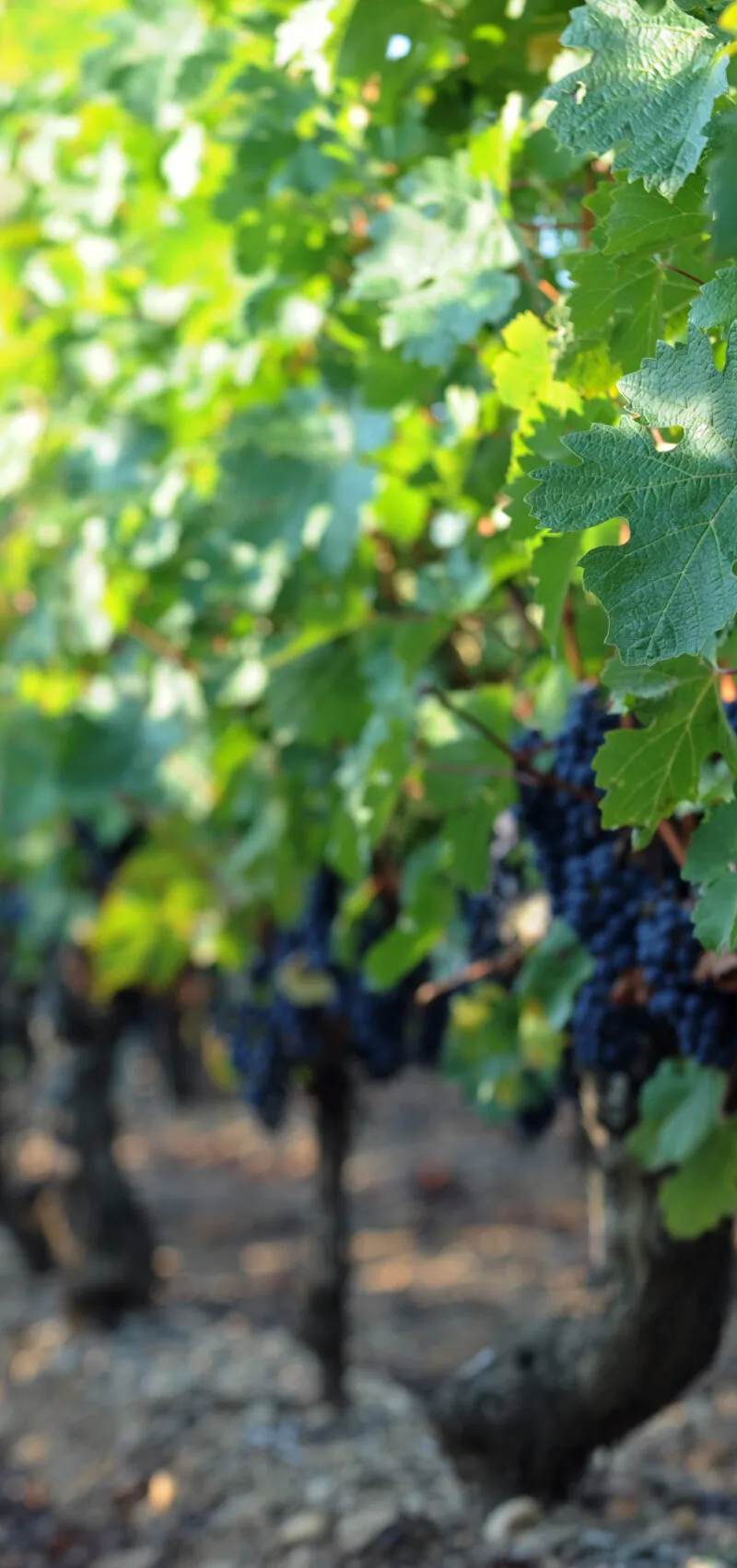
The Château Doyac vineyard covers a total planted area of 24 hectares. The soils are clay-limestone, resting on a limestone bedrock. The average age of the vines is 20 years. The estate does not purchase grapes from outside growers. The area planted with red grape varieties covers 21.5 hectares, while white grape varieties account for 2.5 hectares. The red grape varieties include Merlot (59%), Cabernet Franc (34%), Cabernet-Sauvignon (4%) and Pinot noir (3%). The white grape varieties are Sauvignon blanc (66%) and Chardonnay (34%). The estate also features 40 hectares of meadows, ponds and woodlands. Nicolas Jamin serves as biodynamic consultant, and Eric Boissenot's team provides expertise for vineyard management and vinification. Clémence de Pourtalès is the estate's oenologist, with Marco Balsimelli also contributing as consulting oenologist.
Flagship cuvées
The estate produces a principal red wine under the Haut-Médoc appellation. The blend for the 2022 vintage was 85% Merlot, 10% Cabernet Sauvignon and 5% Cabernet Franc. Château Doyac also produces a white wine, Le Pélican, under the Bordeaux appellation. The first vintage of Le Pélican was 2019, crafted from 100% Sauvignon. Single-varietal cuvées of Chardonnay and Pinot Noir are planned for the 2023 vintage, along with a 100% Syrah cuvée.
Vinification and ageing
Vinification at Château Doyac is natural, carried out without additives and with indigenous yeasts. Ageing lasts 12 months and takes place in barrels, amphorae and foudres. For the Le Pélican cuvée, the wine is fermented and aged in 500-litre barrels, foudres and sandstone jars.
- Appellations
- Haut-Médoc, Bordeaux
- Commune
- Saint-Seurin-de-Cadourne
- Wine region
- Médoc
- Owner
- Max de Pourtalès
- Technical direction
- Clémence de Pourtalès
- Surface area
- 30 ha
- Second wine
- Le Pélican
- Certifications
- Bio, Biodynamie
- Grape varieties
- Merlot 59%, Cabernet Franc 34%, Cabernet Sauvignon 4%, Pinot noir 3%, Sauvignon blanc 66%, Chardonnay 34%
Practical information
- Address
- 33180 Saint Seurin de Cadourne, 33180
- Phone
- 07 71 16 37 63
- Contact form
- Contact the estate
- Visits
- Oui sur rendez-vous