
Château Marquis d'Alesme
Updated on
Château Marquis d'Alesme, a 3e Cru Classé in 1855 in Margaux, is owned by Nathalie Perrodo Samani. The 15 ha winegrowing estate (Cabernet Sauvignon, Merlot) is committed to sustainable viticulture and wine tourism.
Identity
Château Marquis d'Alesme is an 1855 3e Cru Classé located in Margaux, in the Gironde département. The estate is managed by Nathalie Perrodo Samani. Marjolaine Maurice de Coninck serves as General Manager, and Claude Gros is the consultant oenologist. The estate has been awarded the Vignobles et Découvertes label.
History and philosophy
The history of Château Marquis d'Alesme dates back to 1585, when François d’Alesme founded the estate. The vineyards were established at the beginning of the 17th century. In 1803, Jean Bekker-Terrlink acquired the property. The estate was classified as a third Grand Cru in 1855 under the name of Jean Bekker-Teerlink. The Perrodo family acquired the estate in 2006. Nathalie Perrodo Samani took ownership following her father's passing that same year. Formerly named Marquis d’Alesme Becker, the estate's name was changed in 2009. Under Nathalie Perrodo Samani's leadership, extensive renovation works began in September 2013 to construct a new cellar, completed in 2015. A comprehensive architectural project, overseen by architect Fabien Pedelaborde, ran from 2015 to 2017, incorporating dedicated wine tourism facilities. Château Marquis d'Alesme is committed to sustainable cultivation methods, holds HVE (Haute Valeur Environnementale) certification, and follows a CSR approach.
Appellations
The wines of Château Marquis d'Alesme are produced under the Margaux appellation.
Practical information
Château Marquis d'Alesme is located at 7 rue de la Trémoille, 33460 Margaux. The estate can be contacted by telephone on +33 5 57 81 13 20 or by email at contact@marquis.wine. Visits are available by appointment during the tourist season (closed in winter). The tasting and sales cellar is open Monday to Friday from 10:00 to 18:00, from April to October. A tour package is offered, including a tasting of two vintages. The estate provides facilities such as a boutique, a play area, delivery options, and Wi-Fi. A restaurant, La Table de Nathalie, is open from May to October. French and English are spoken. Groups (6–12 people) and pets are welcome.
Find out more
Frequently asked questions
- What is the history of Château Marquis d'Alesme and its current classification?
- Château Marquis d'Alesme was founded in 1585 by François d’Alesme, and its vineyards were established in the early 17th century. The property was acquired by Jean Bekker-Terrlink in 1803 and was classified as a 3e Grand Cru in 1855 under the name Jean Bekker-Teerlink. The Perrodo family acquired the estate in 2006, with Nathalie Perrodo Samani at its helm. The name was modified in 2009. Today, it retains its status as an 1855 3e Cru Classé.
- Who are the key people involved in the management of Château Marquis d'Alesme?
- Château Marquis d'Alesme is led by owner Nathalie Perrodo Samani. Marjolaine Maurice de Coninck serves as General Manager, while Claude Gros acts as consultant oenologist. These individuals oversee and guide the estate's operations, driving its development and the quality of its wine production.
- What are the characteristics of the Château Marquis d'Alesme vineyard?
- The Château Marquis d'Alesme vineyard covers 15 hectares. The soils are predominantly composed of clay-limestone, clayey gravel, and silica gravel. Grape varieties are dominated by Cabernet Sauvignon (63%), complemented by Merlot (30%), Petit Verdot (5%), and Cabernet Franc (2%). Harvesting is carried out by hand and the average vine age is 30 years, with a planting density of 10,000 vines per hectare.
- What are Château Marquis d'Alesme's environmental certifications and commitments?
- Château Marquis d'Alesme is committed to sustainable viticulture. It holds HVE (Haute Valeur Environnementale) certification, attesting to its environmentally friendly practices. The estate is also engaged in a Corporate Social Responsibility (CSR) initiative and has earned the Vignobles et Découvertes label, recognising its dedication to promoting wine tourism and sustainable practices.
The vineyard (terroir)
The Château Marquis d'Alesme vineyard covers 15 hectares. The soils consist of clay-limestone, clayey gravel, and silica gravel. The climate benefits from the moderating influence of the Gironde estuary. Grape varieties are dominated by Cabernet Sauvignon (63%), complemented by Merlot (30%), Petit Verdot (5%), and Cabernet Franc (2%). The average vine age is 30 years. The average planting density is 10,000 vines per hectare. Harvesting is carried out by hand. The average yield is 35 hectolitres per hectare.
Key cuvées
Château Marquis d'Alesme produces a grand vin and a second wine named Marquise d’Alesme. Annual production of the grand vin is approximately 60,000 bottles, and 12,000 bottles for the second wine.
Vinification and ageing
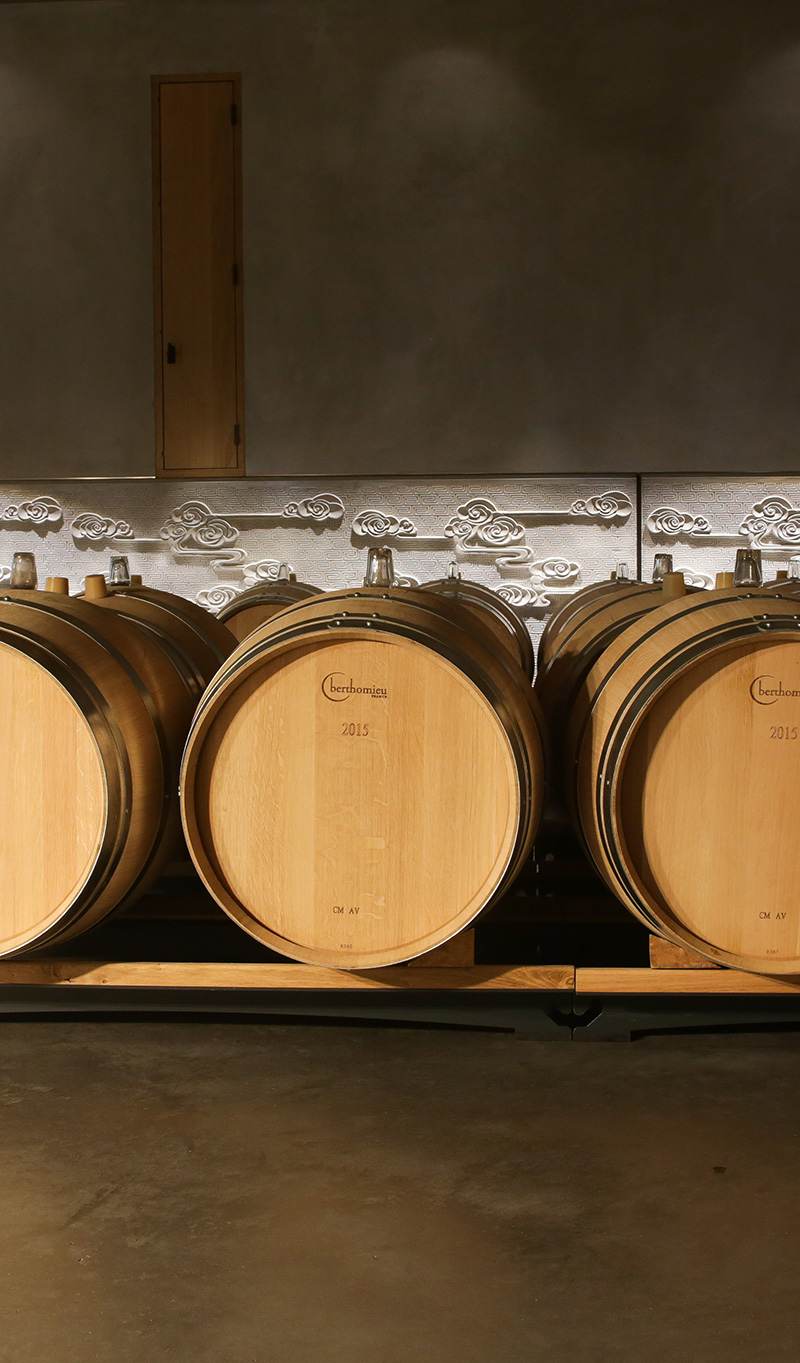
Vinification at Château Marquis d'Alesme follows traditional methods. Ageing takes place in oak barrels for 18 months, with 65% new oak.
- Appellation
- Margaux
- Commune
- Margaux-Cantenac
- Wine region
- Médoc
- Classification
- 3e Cru Classé 1855
- Owner
- Nathalie Perrodo Samani
- Technical direction
- Claude Gros
- Surface area
- 15 ha
- Second wine
- Marquise d’Alesme
- Certifications
- HVE, RSE, Vignobles et Découvertes
- Grape varieties
- Cabernet Sauvignon 63%, Merlot 30%, Petit Verdot 5%, Cabernet Franc 2%
Practical information
- Address
- 7 rue de la Trémoille, 33460 Margaux
- Phone
- +33 5 57 81 13 20
- contact@marquis.wine
- Contact form
- Contact the estate
- Opening hours
- Du 01/05/2026 au 31/10/2026: lun 10:00-18:00, mar 10:00-18:00, mer 10:00-18:00, jeu 10:00-18:00, ven 10:00-18:00; Du 01/05/2027 au 31/10/2027: lun 10:00-18:00, mar 10:00-18:00, mer 10:00-18:00, jeu 10:00-18:00, ven 10:00-18:00
- Visits
- Open for the tourist season (closed during winter), visits only by appointment.