 The essential
6 × Entre Amis red
6 bottles — Graves red 2022
The best price of the cellar: €12 per bottle delivered.
The everyday red: generous and straight to the point.
I want it
An illustrious owner for the Cazebonne vineyards
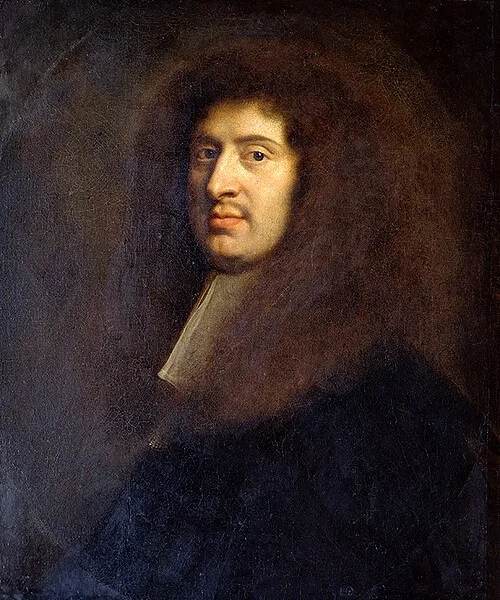
Nicolas de la Reynie, an iconic figure of the 17th century, began and shaped his career in the Bordeaux region. Trained in law, he first distinguished himself as a lawyer, then as president of the Présidial de Guyenne. His career took a major leap forward when he caught the attention of Jean-Louis de Nogaret de La Valette, Duke of Épernon and Governor of Guyenne, who appointed him intendant during the tumultuous period of the Fronde. The Duke of Épernon, an influential figure of his era, was involved in the political affairs of the reigns of Henry III, Henry IV, and Louis XIII, and is renowned for having built the Château de Cadillac. This connection highlights the significance of Bordeaux networks in shaping La Reynie’s career.
Nicolas de la Reynie’s path was unique, particularly through his ties with the Bordeaux elite. In January 1645, his marriage to Antoinette Desbarats, the daughter of a lawyer at the Parlement de Bordeaux, further cemented his status. A pivotal event took place in 1655: he inherited a substantial share of the estate of Jacques Ardent, a lawyer, jurat of Bordeaux, and landowner. This inheritance included the estates of Respide and Peyron, rich in vineyards, arable land, woods, and meadows, located in the Barony of Langon. Jacques Ardent’s agronomic writings, such as "L’agriculture et maison rustique", reflect the early interest taken in viticulture on these estates.
La Reynie was subsequently appointed Lieutenant General of Police in Paris in 1667 by Colbert, a post he held for three decades. His tenure was marked by structural reforms, such as improving safety and introducing public street lighting, transforming Paris into the "City of Light". His work went far beyond urban planning; he played a major political role in suppressing pamphleteers and enforcing the measures of the Revocation of the Edict of Nantes. The Affair of the Poisons, over which he presided from 1679 to 1682 at the Chambre Ardente, illustrates his thoroughness in state affairs. Despite his Parisian responsibilities, he maintained a connection to his Bordeaux estates, managed by proxy, where his wife resided at the noble estate of Respide.
It is only a small step to say that without Château Cazebonne, Paris might never have become what it is today...
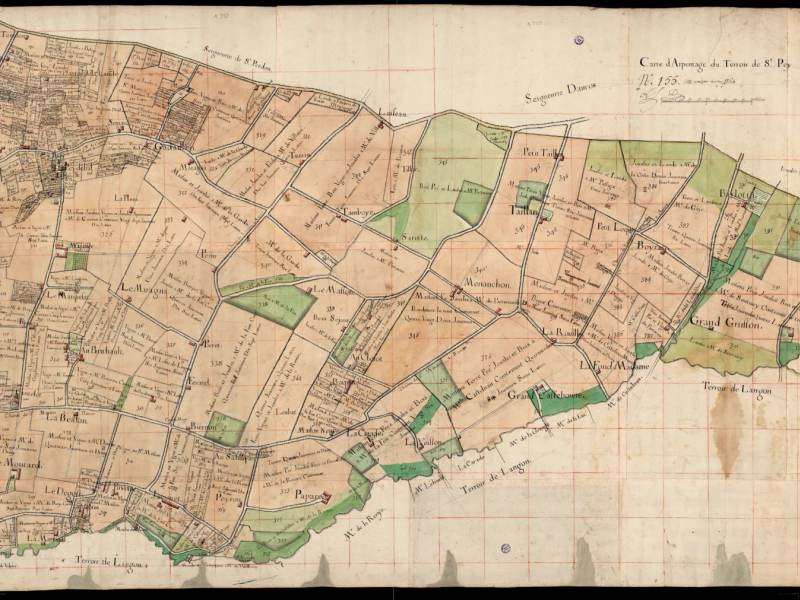
Nicolas de la Reynie owned numerous plots that today make up part of Château Cazebonne, notably those in the lieu-dit Peyron, where our current winery is located. A map dating from circa 1700, which we rediscovered and for which a 1697 land survey exists, attests to his ownership of all the parcels in the commune of Saint-Pierre de Mons. This highlights the deep historical connection between the estate and this 17th-century figure. The document entitled "Langon, Toulenne et Saint-Pierre de Mons" also notes that the commune of Saint-Pierre de Mons was bounded to the north by the Garonne, and that its wines were typically sold in good years for 190 to 200 francs per 912-litre tonneau. The record mentions owners such as "Dutil", who held an estate at La Graveyre (Respide), and already noted the "sandy subsoils rather prone to frost". We strive to honour this inherited terroir, tending our old vines with the utmost care.
The land owned by Nicolas de la Reynie in the Barony of Langon encompassed varied and historic terroirs. Today, these lands form an integral part of Château Cazebonne, embodying the heritage of a rich viticultural geology. Among the identified terroirs:
Respide: A noble estate where his wife resided, and one of the properties mentioned in Jacques Ardent’s estate (not owned by the domaine today).
Peyron: Crucial for Château Cazebonne, as it is now home to our winery. A 1697 map entitled "Arpentement de La Reynie à Peyron" confirms the importance of this site.
La Graveyre: Also mentioned as the property of Dutil in the commune of Toulenne, this name reflects the richness and diversity of the soils at the time, which were often sandy and frost-prone according to contemporary documents (not owned by the domaine today).
These locations lie at the heart of our current vineyards. The plots at Peyron were specifically noted for producing wines commanding standard market prices in good vintages, highlighting the viticultural significance of this terroir long before our time.
Just as Nicolas de la Reynie worked to bring structure and modernity to his era, we at Château Cazebonne are dedicated to replanting long-lost grape varieties in Bordeaux, thereby contributing to the enrichment of our viticultural heritage for future generations. This work is made possible thanks to the support of wine enthusiasts who have embraced our wines. We invite you to discover our white paper on the history of Bordeaux grape varieties, test your knowledge with our wine quizzes, or explore our online shop to savour the fruits of this dedication.
Sources
The legacy of Nicolas de la Reynie included vines at Peyron, this historic terroir now yielding Feldspath de Peyron, a wine made from 100% Sauvignon.
Our suggestions
-5%on your 1st order with code BIENVENUE
The essential6 bottles — Graves red 2022
The best price of the cellar: €12 per bottle delivered.
The everyday red: generous and straight to the point.
I want it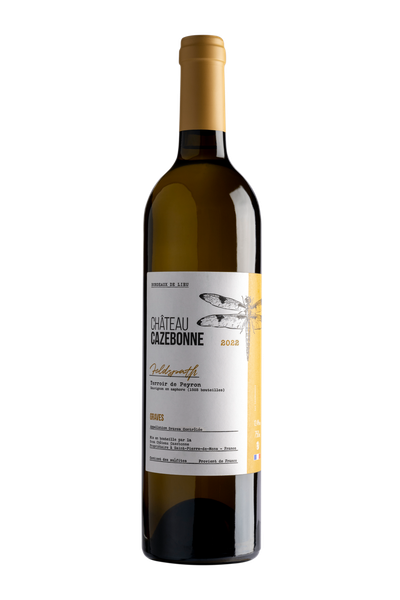 Our recommendation
 Go further
12 bottles — the whole range
12 bottles, the whole range tasted: the best discovery-to-price ratio.
The complete tour of the estate, in a single case.
I want itThe cellar, forgotten grape varieties and our cuvées, twice a month. 5% off your first order with the code BIENVENUE.