
 The essential
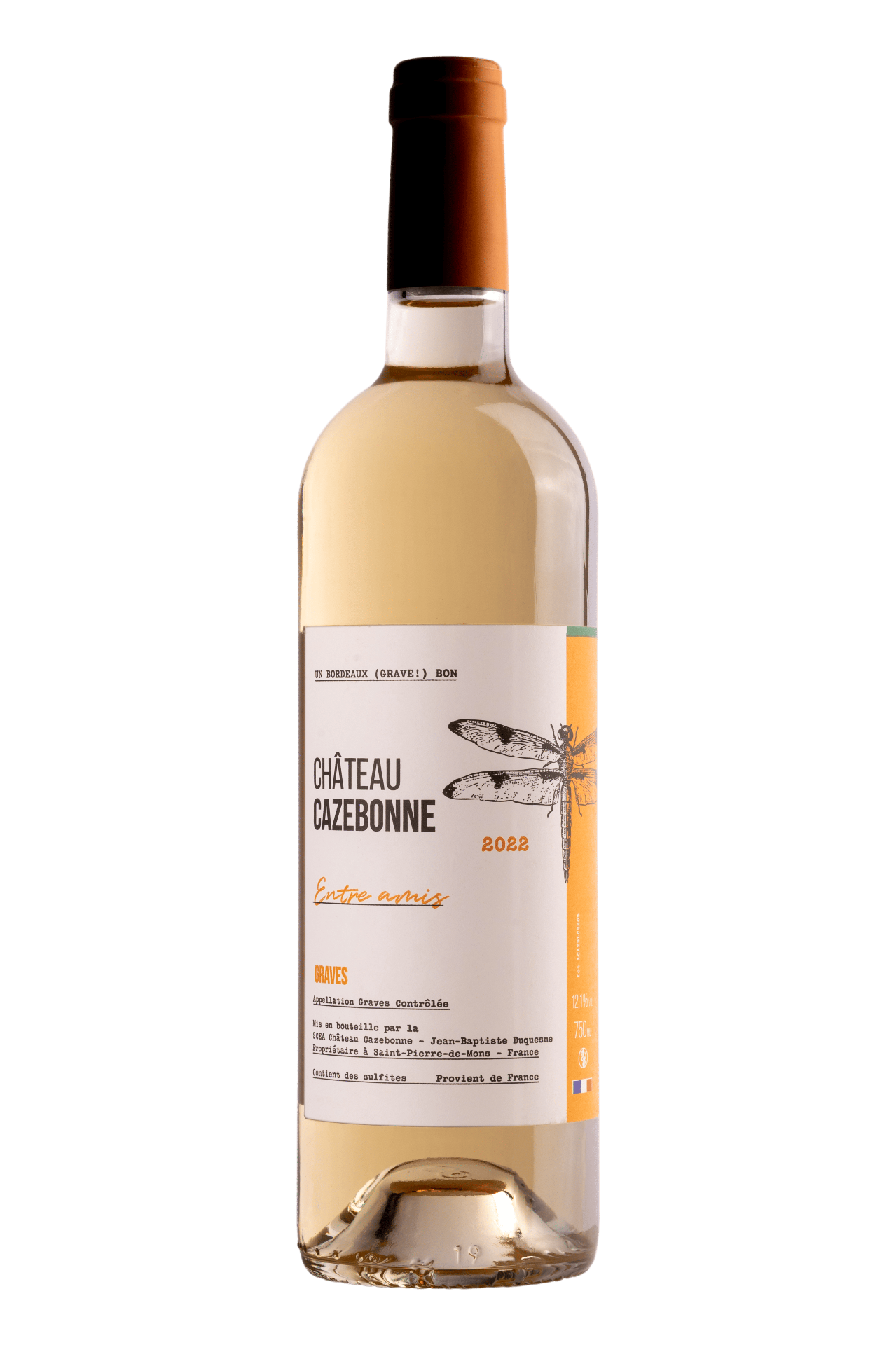
Entre Amis white 2024
Graves white 2024
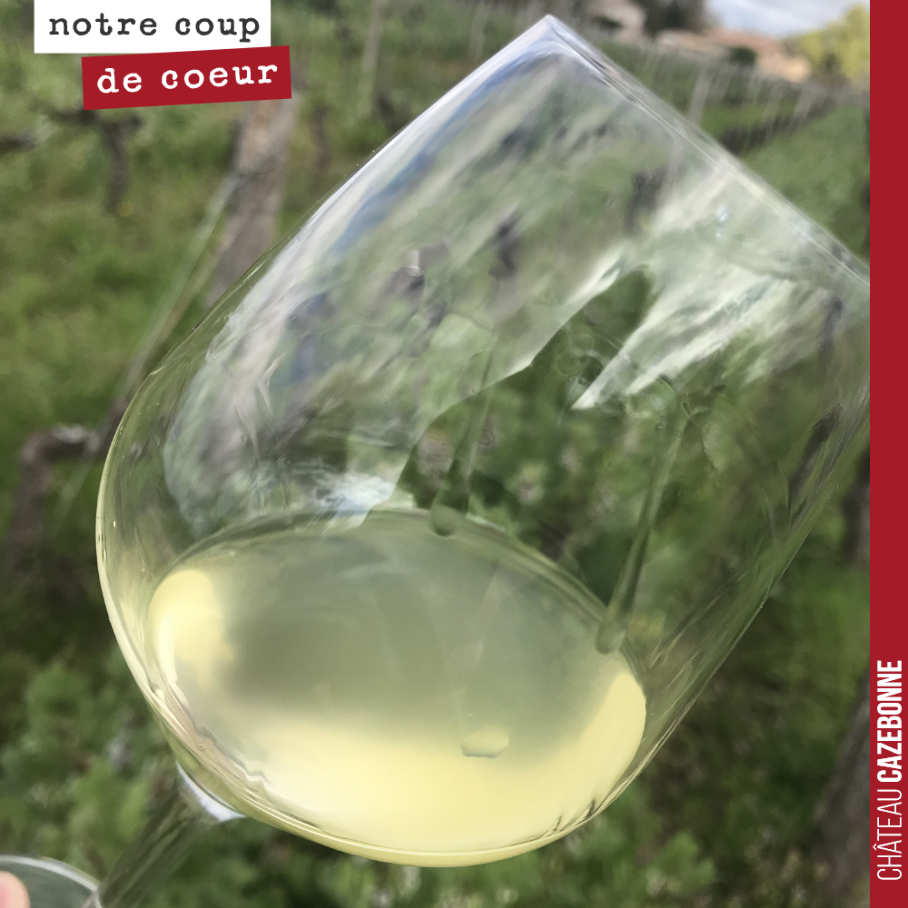
Crisp and saline: the easy aperitif, at a gentle price.
The estate's thirst-quenching white, open it without thinking.
I want itSauvignon
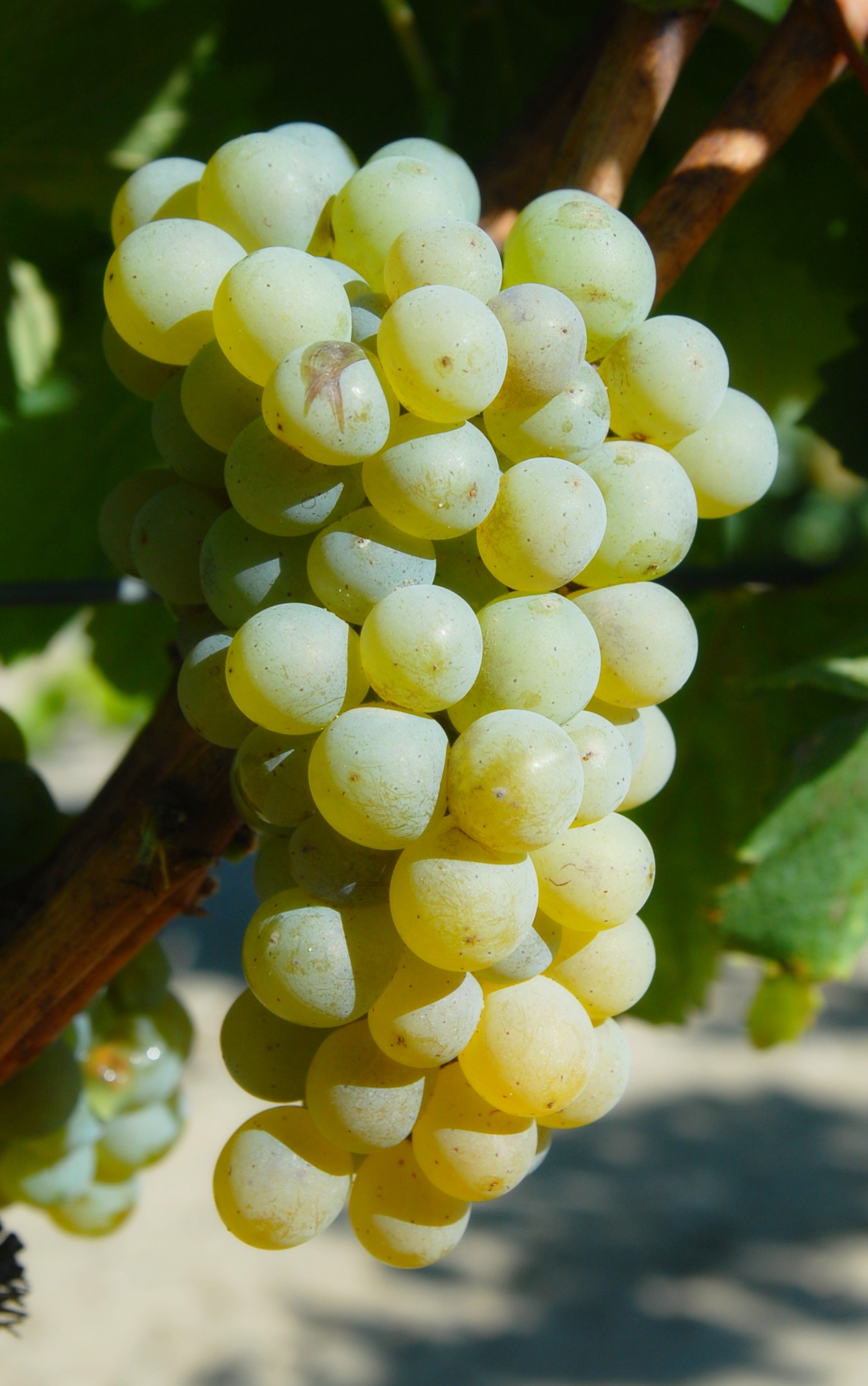
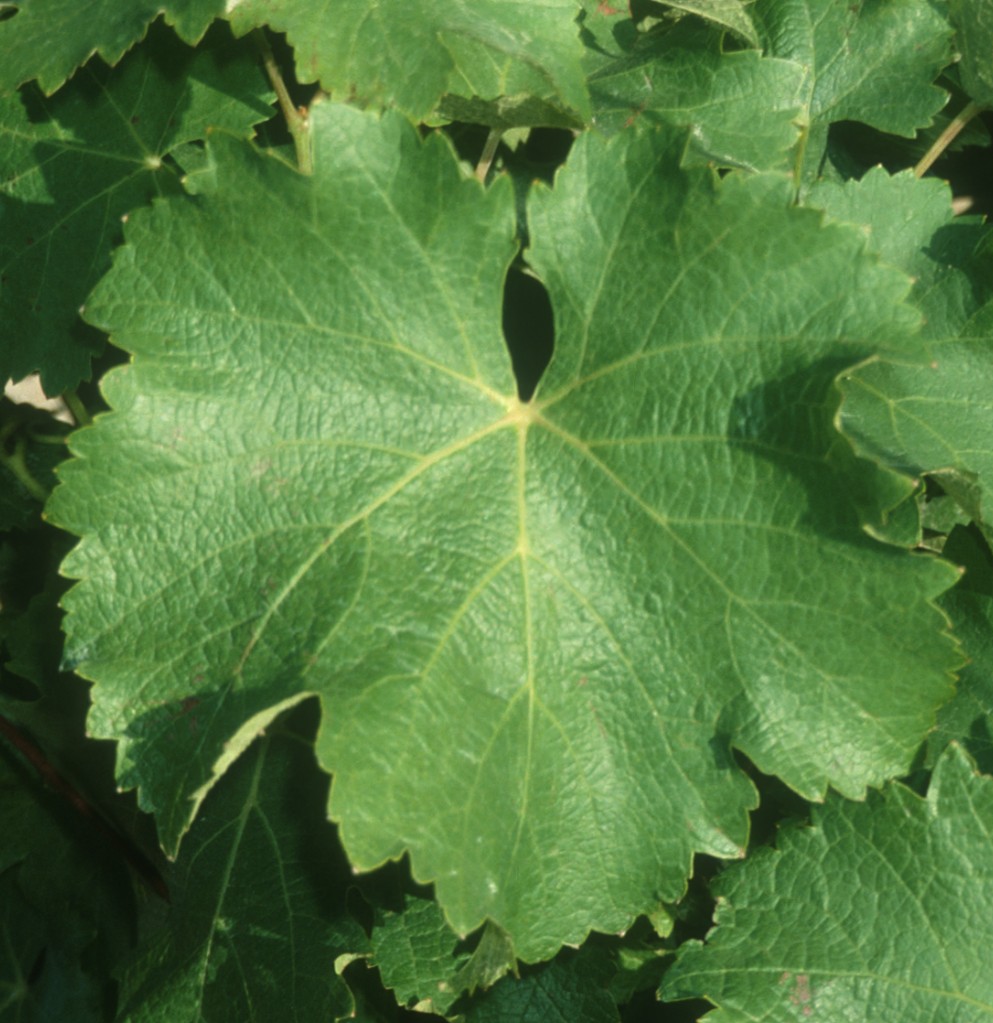
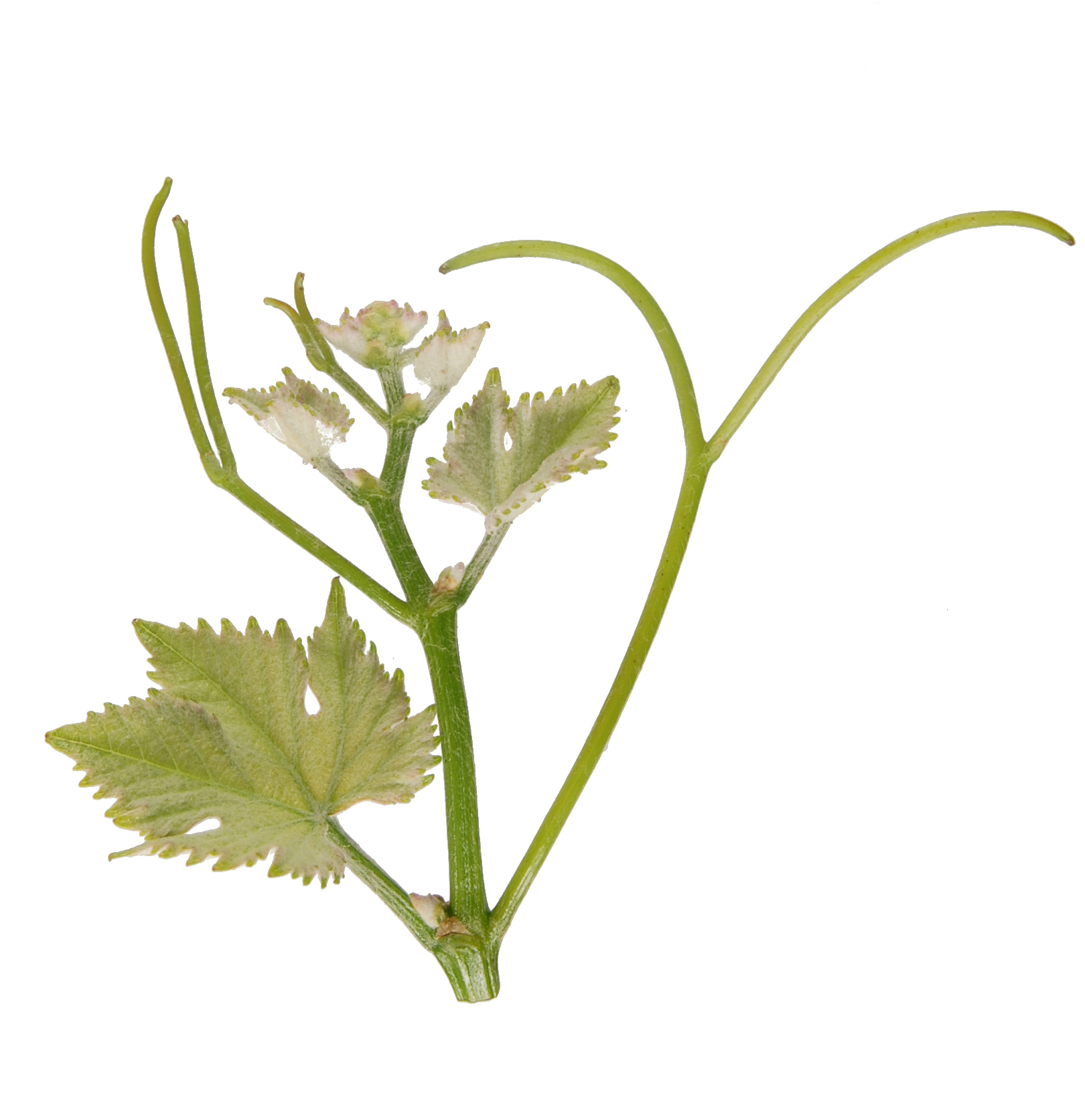
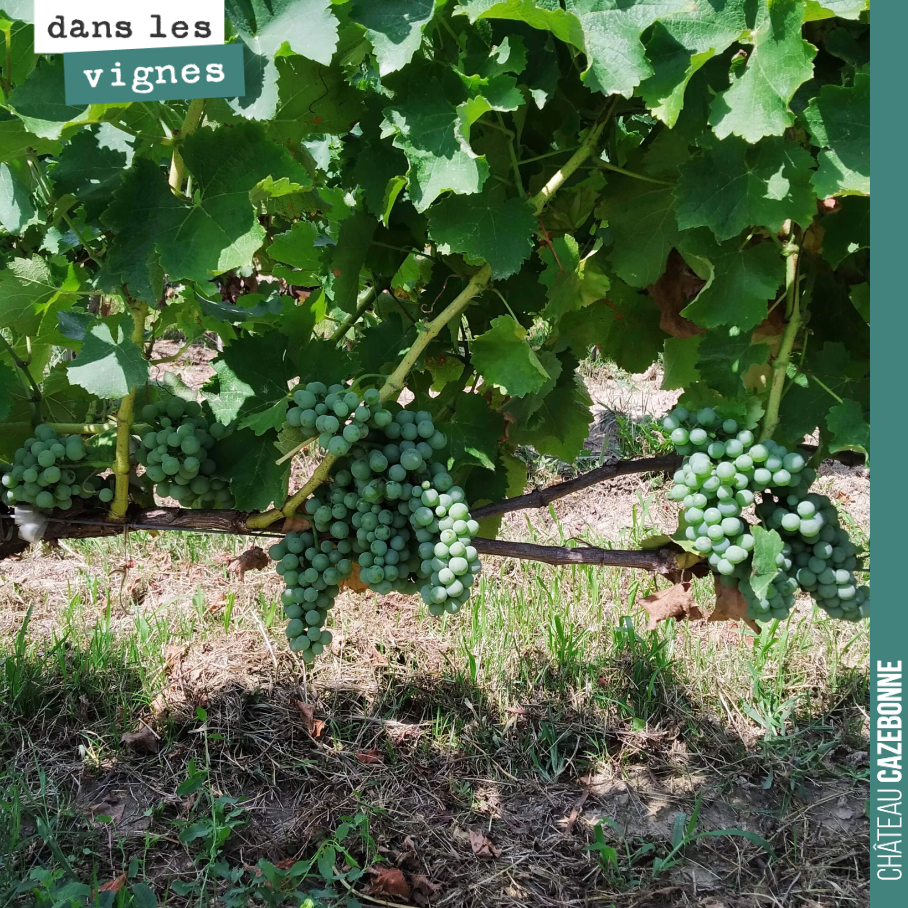
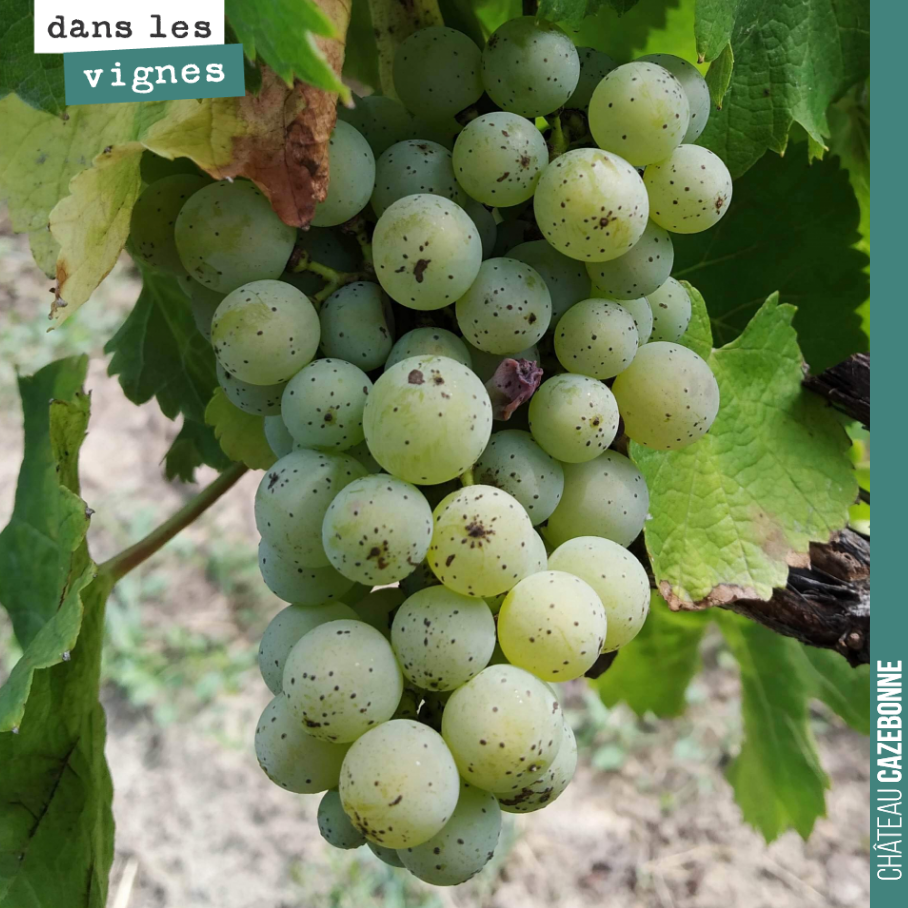
Sauvignon, more commonly known as Sauvignon Blanc, is an iconic grape variety, renowned for the brilliance and vibrancy it imparts to white wines, particularly those of Bordeaux. Its origin, although debated, is suggested by genetic analyses to be linked to Savagnin, bearing witness to an ancient and prestigious lineage.
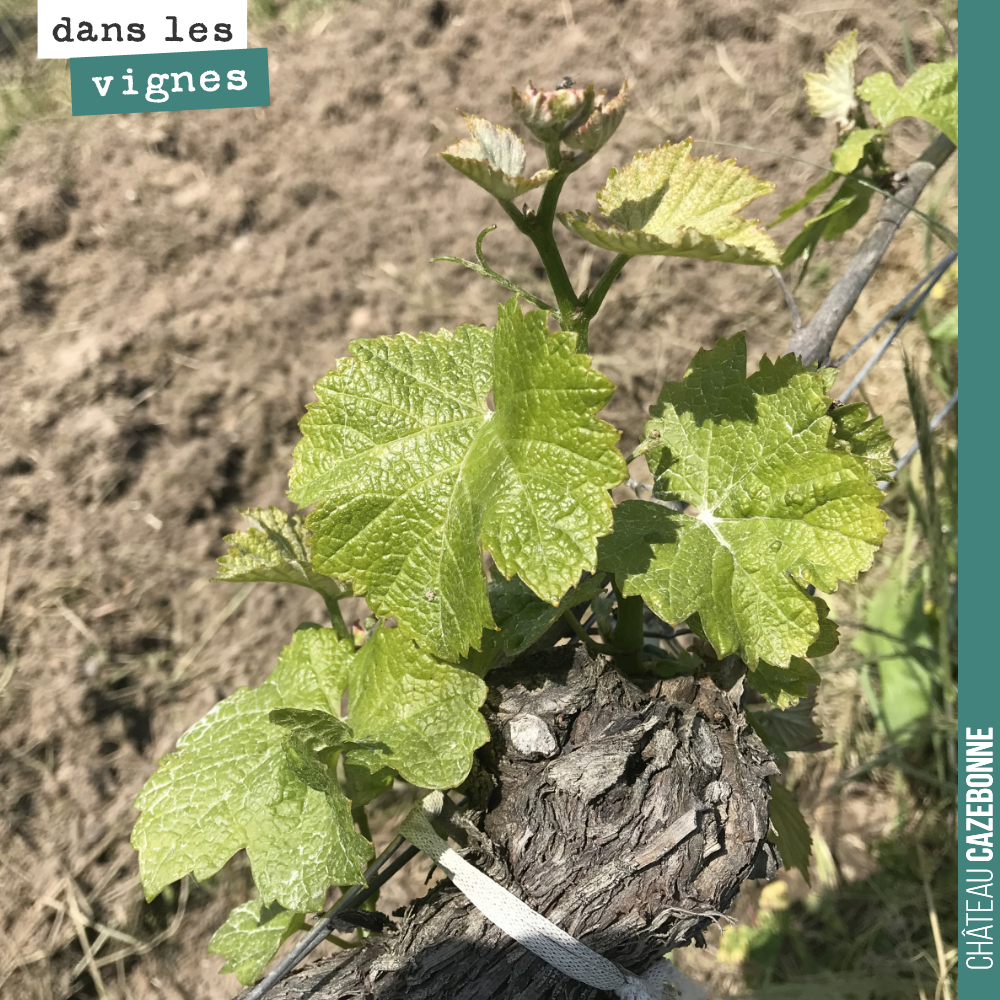
In the Bordeaux vineyard, Sauvignon buds slightly after Sémillon, but before Cabernet Sauvignon, demonstrating a particular earliness that requires meticulous attention from the winegrower. Its susceptibility to certain diseases, such as powdery mildew, almost caused its decline in the 19th century, before it regained its former glory thanks to adapted viticultural techniques. This susceptibility, particularly to grey rot, is sometimes harnessed for the production of exceptional sweet wines, such as the famous Sauternes.
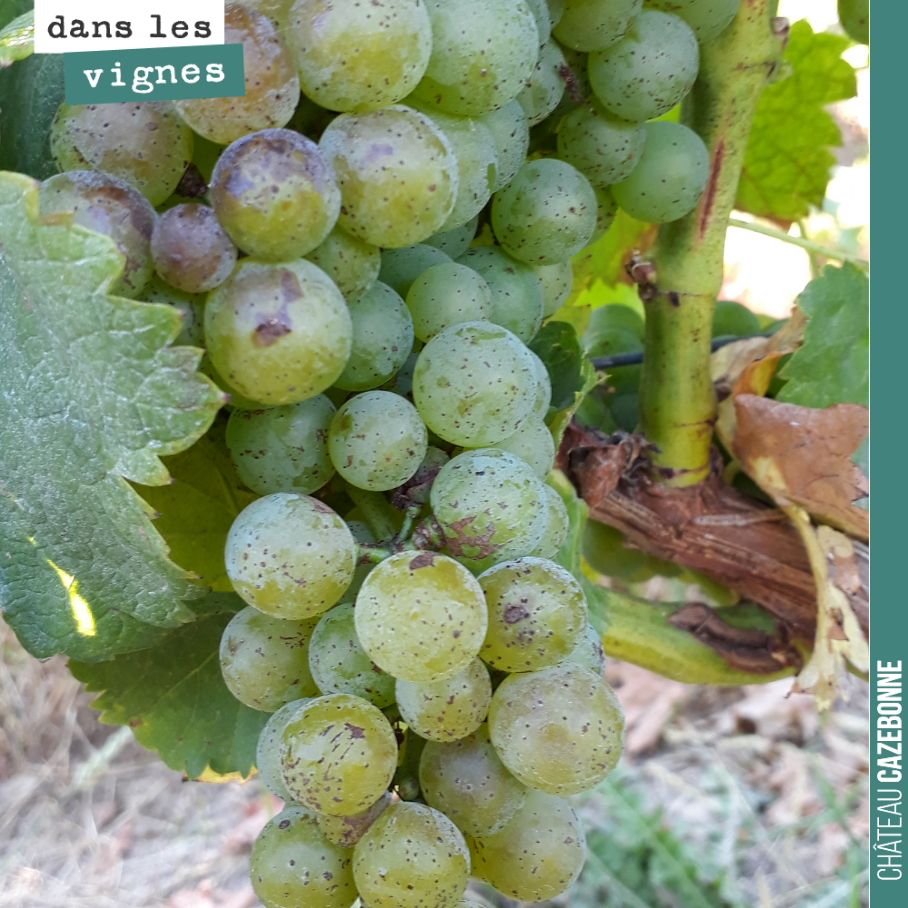
Beyond its agronomic characteristics, Sauvignon is above all celebrated for its unique aromatic profile and its ability to express the typicity of its terroir. It is capable of adapting to varied terroirs, notably gravel and clay-limestone soils, offering a palette of flavours ranging from citrus fruits to vegetal notes, sometimes with distinctive mineral touches of gunflint. It is thus an essential grape variety in the production of high-quality dry white wines and orange wines, but also magnificent sweet wines.
| Characteristic | Description |
|---|---|
| Budburst | Early to medium, slightly after Sémillon, but before Cabernet Sauvignon. |
| Maturity | Early. |
| Vigour | Medium to high. |
| Growth habit | Erect to semi-erect. |
| Susceptibility to downy mildew | Fairly resistant. |
| Susceptibility to powdery mildew | Very susceptible. |
| Susceptibility to botrytis | Vulnerable to grey rot (harnessed for sweet wines), low susceptibility to noble rot on healthy grapes. |
| Susceptibility to black rot | Fairly susceptible. |
| Aromatic profile | Citrus (grapefruit, lemon), vegetal notes (boxwood, blackcurrant bud), floral (broom), sometimes exotic (passion fruit), mineral (gunflint). |
| Winemaking potential | Lively, aromatic dry white wines with good acidity; exceptional sweet wines. |
Historically, Sauvignon has always held a prominent place in the Bordeaux vineyard, although its proportion may have varied. Jullien, in 1832, already mentioned Sauvignon, alongside Sémillon and other grape varieties, for the production of Barsac, Preignac and Sauternes wines. Féret, in 1878, confirmed its presence on the right bank of the Garonne. In the white wines of the Garonne region (Sainte-Croix-du-Mont, Loupiac, Gabarnac, Cadillac), it was traditionally blended with 3/4 Sémillon and a very small proportion of Muscadelle. A higher proportion of Sauvignon, too pronounced in taste, would have impacted the vineyard's yield. Despite its high susceptibility to powdery mildew, which may have caused it to be neglected in favour of Sémillon at the end of the 19th century, its ability to produce highly typical wines ensured its preservation and revival. The Sauvignon gris grape variety is a colour mutation of Sauvignon Blanc, offering a different expression of the grape, just as Sauvignon rouge: a rare colour mutation of Sauvignon blanc is an interesting variant for other wines.
At Château Cazebonne, we cultivate traditional Bordeaux grape varieties while committing to the renewal and resilience of our vineyard, notably by reintroducing ancient varieties that bring the history of our terroirs back to life. This work is made possible thanks to the support of wine lovers. To deepen this knowledge, we invite you to download our book "Bordeaux, a history of grape varieties", which recounts the richness and diversity of this viticultural heritage, to test your knowledge through our oenological quizzes, and of course, to discover our cuvées and our iconic wines directly on our online shop.
Sources
Our suggestions
-5%on your 1st order with code BIENVENUE
The essentialGraves white 2024
Crisp and saline: the easy aperitif, at a gentle price.
The estate's thirst-quenching white, open it without thinking.
I want it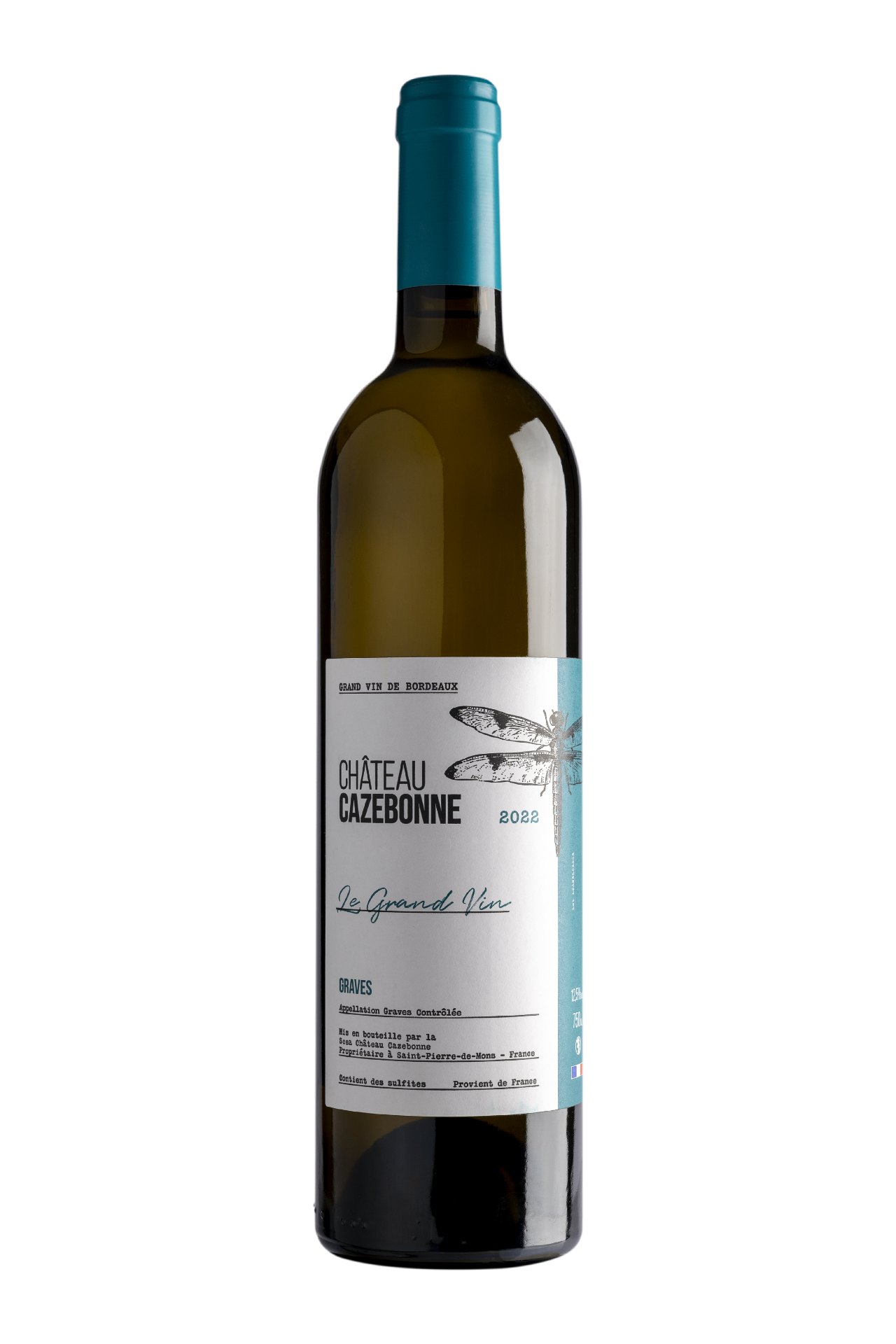 Our recommendation92/100 RVF
Graves white 2022, 92/100 RVF
Rated 92/100 by La Revue du vin de France: old-vine Sémillon.
The great Graves white: taut and deep.
I want it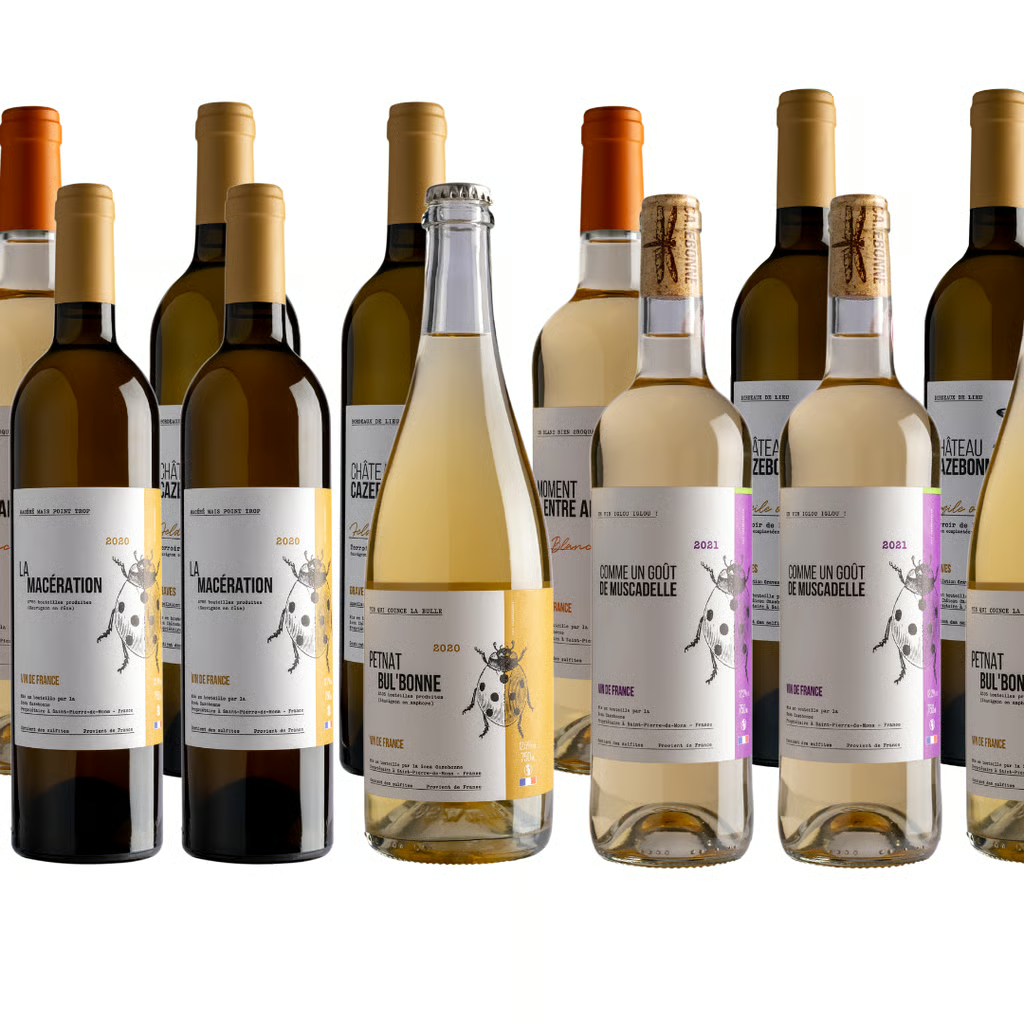 Go further
12 bottles — plot selection
All our organic whites together: the complete plot-by-plot flight.
To explore Sémillon in all its forms.
I want it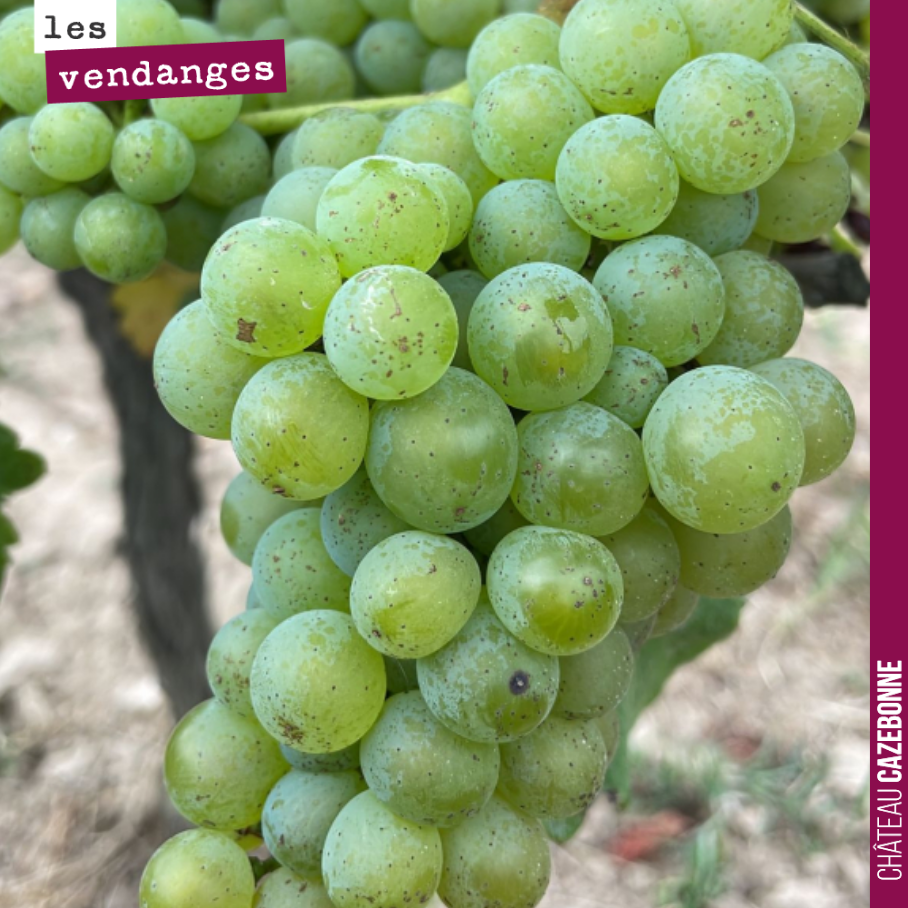
05 August 2023
24 September 2020
27 August 2020
29 July 2020
30 September 2019
27 September 2019
25 September 2019
21 September 2019
08 September 2019
08 September 2019
03 September 2019
01 September 2019
28 August 2019
23 August 2019
10 August 2019
08 August 2019
26 June 2019
27 May 2019
24 March 2019
The cellar, forgotten grape varieties and our cuvées, twice a month. 5% off your first order with the code BIENVENUE.