
20 August 2026
Yesterday, I shared a lovely photo of crates of hand-harvested grapes.

Indeed, we did go out and cut around twenty crates—300 kilos of grapes—using our épinettes, those small snips we use for harvesting.
But the truth is that we brought in the harvesting machine for this first day at 5am. The crates picked by hand were gathered after the machine had passed, to pick the bunches it had left behind. In my childhood, in October, we used to go gleaning maize in the fields after the combine harvester. My father would give us a few precious francs for every sack filled. But that is another story.
So why the harvesting machine? Let’s be honest, it is first and foremost a question of harvest costs. €0.20 per litre, compared to €1 or more for hand harvesting. On a bottle that we will sell to the wine merchant for €6 (which they will sell on to you for €12) in 2 or 3 years' time, hand harvesting is economically difficult to absorb.
Furthermore, we can bring the harvesting machine in at 5am. It was 18 degrees, and temperatures rose to 33 degrees in the afternoon. Being able to pick cool grapes avoids complicating the fermentations later on.
We will harvest our premium cuvées by hand. This will notably be the case for our forgotten grape varieties destined for the Comme en 1900 cuvée.
See you soon for more adventures!
Our suggestions
Treat yourself
-5%on your 1st order with code BIENVENUE
 The essential92/100 RVF
6 × Le Grand Vin red
6 bottles — Graves red 2022, 92/100 RVF
Rated 92/100 by La Revue du vin de France: a solid 10-year ageing potential.
Our Graves for ageing, the finest gateway to the estate.
I want it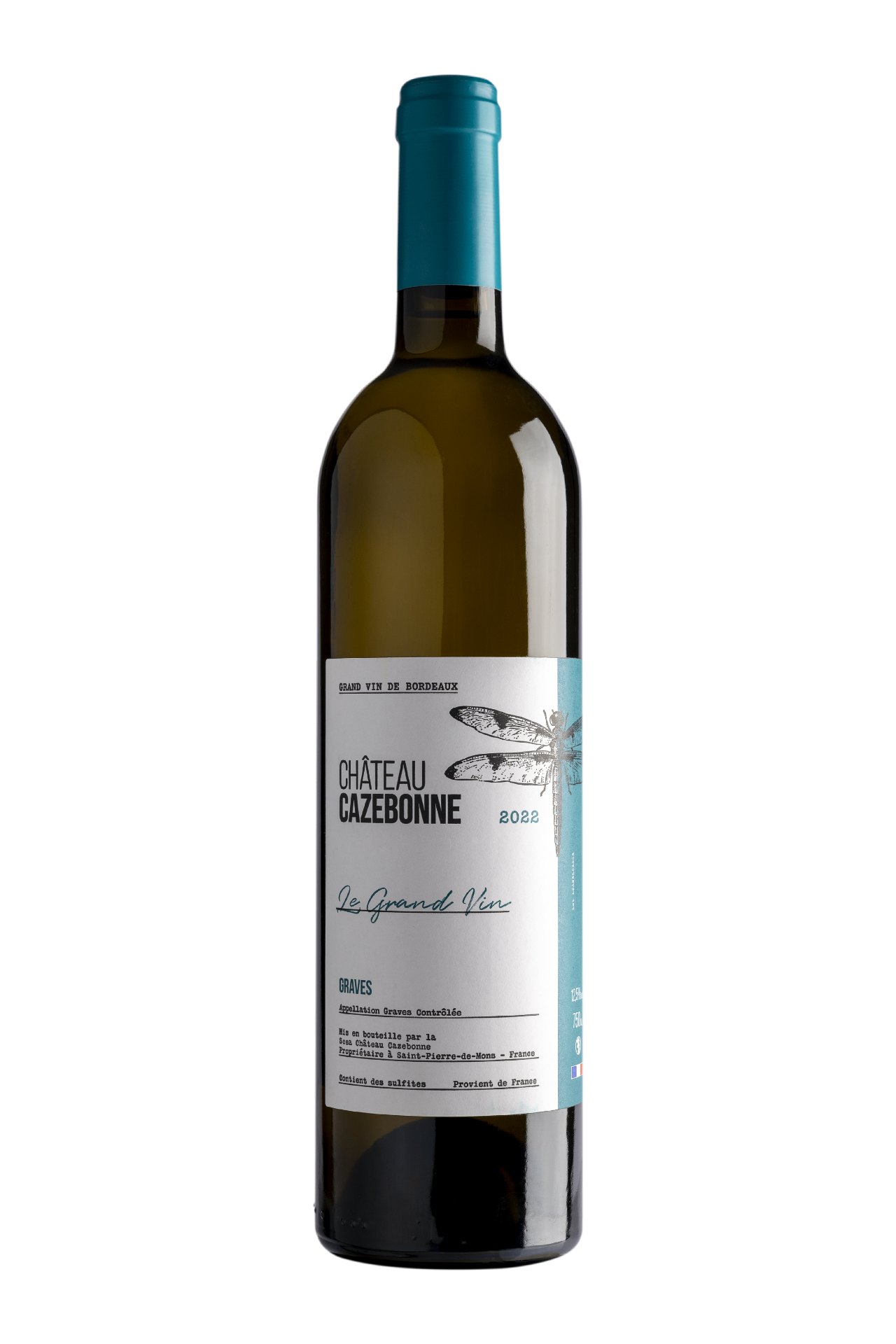 Our recommendation92/100 RVF
Le Grand Vin white 2022
Graves white 2022, 92/100 RVF
Rated 92/100 by La Revue du vin de France: old-vine Sémillon.
The great Graves white: taut and deep.
I want it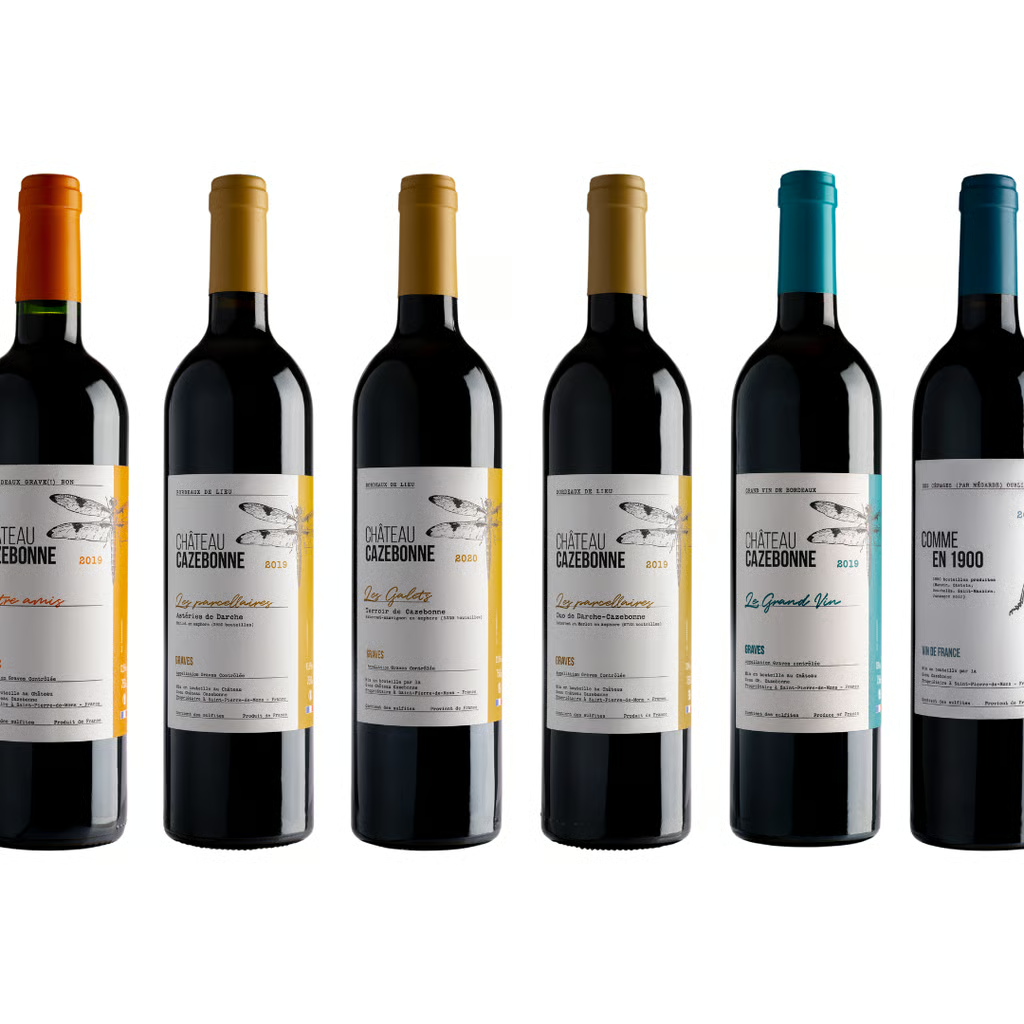 Go further
Case of 6 reds
6 bottles — Graves & Bordeaux
Six organic reds to compare the estate's plots.
The reds discovery, short format.
I want it