
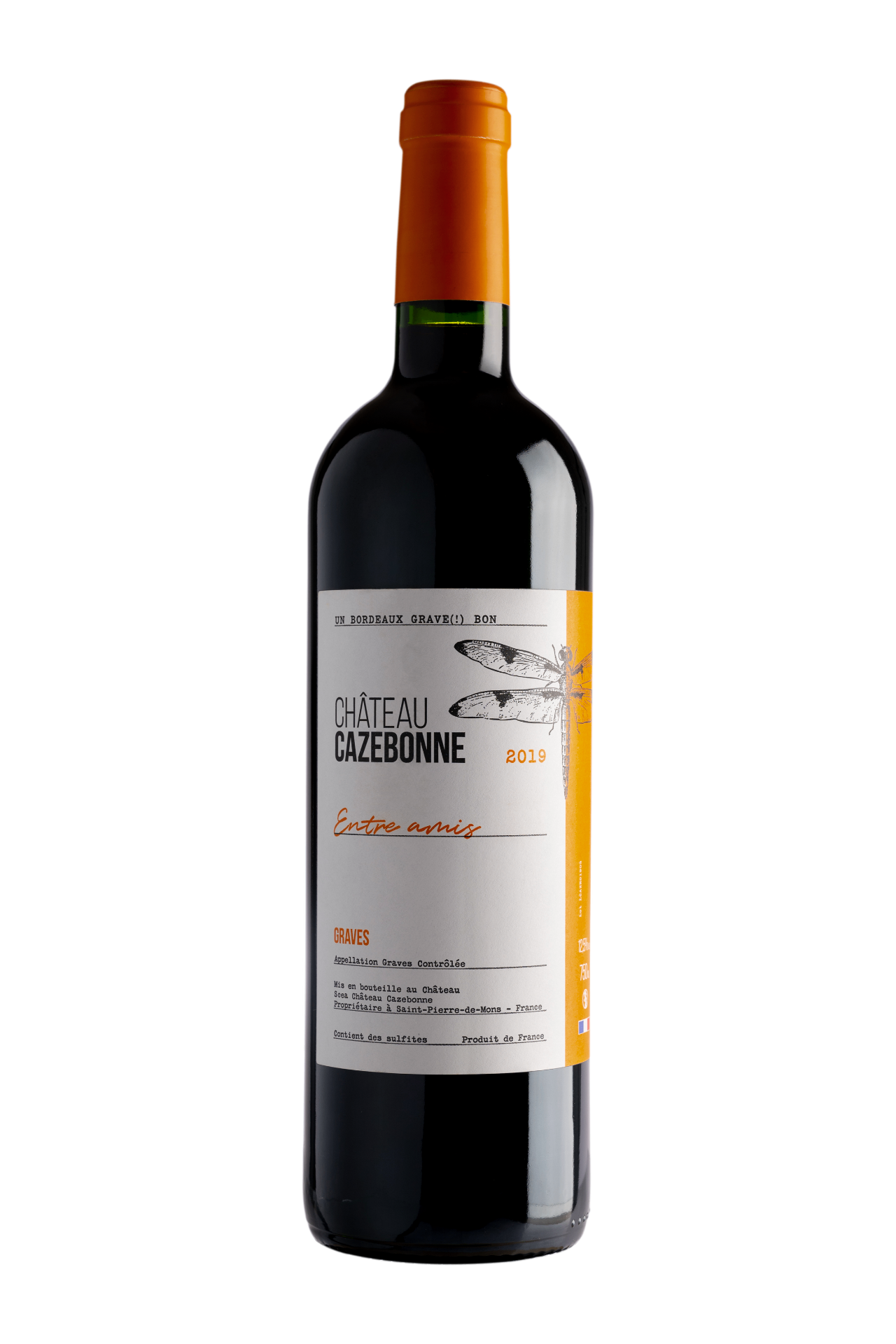
 The essential
6 × Entre Amis red
6 bottles — Graves red 2022
The best price of the cellar: €12 per bottle delivered.
The everyday red: generous and straight to the point.
I want itEstate archives
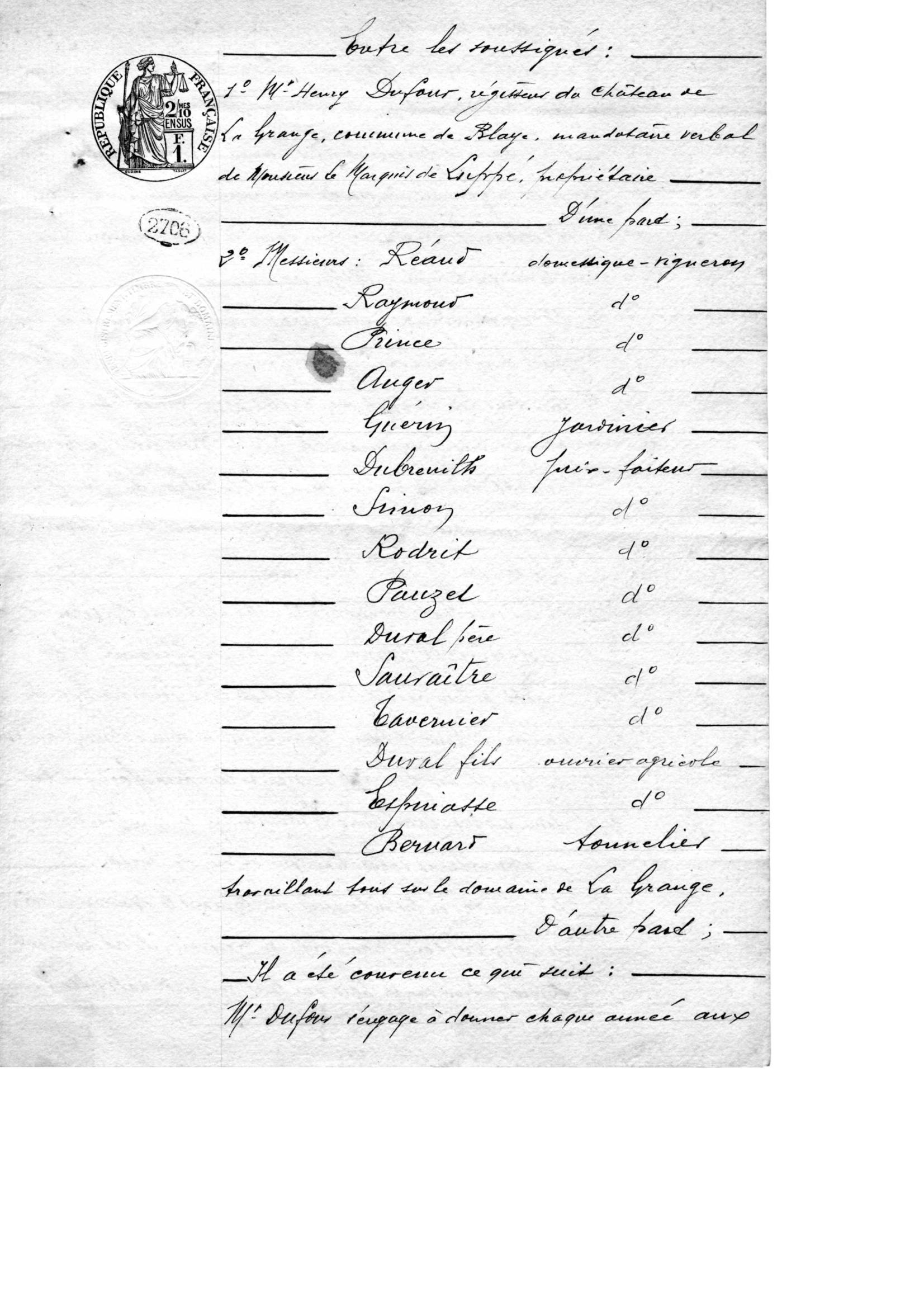
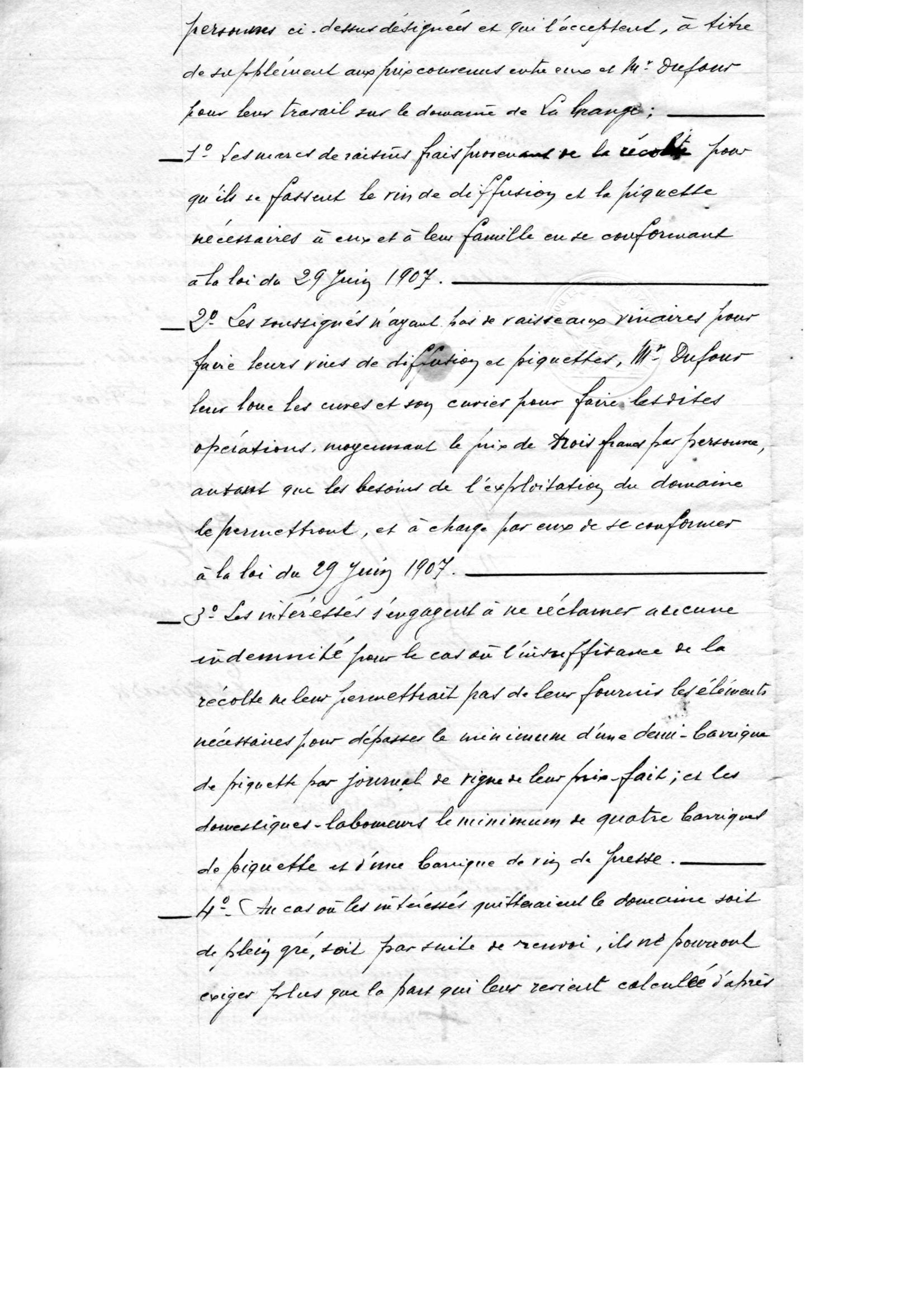
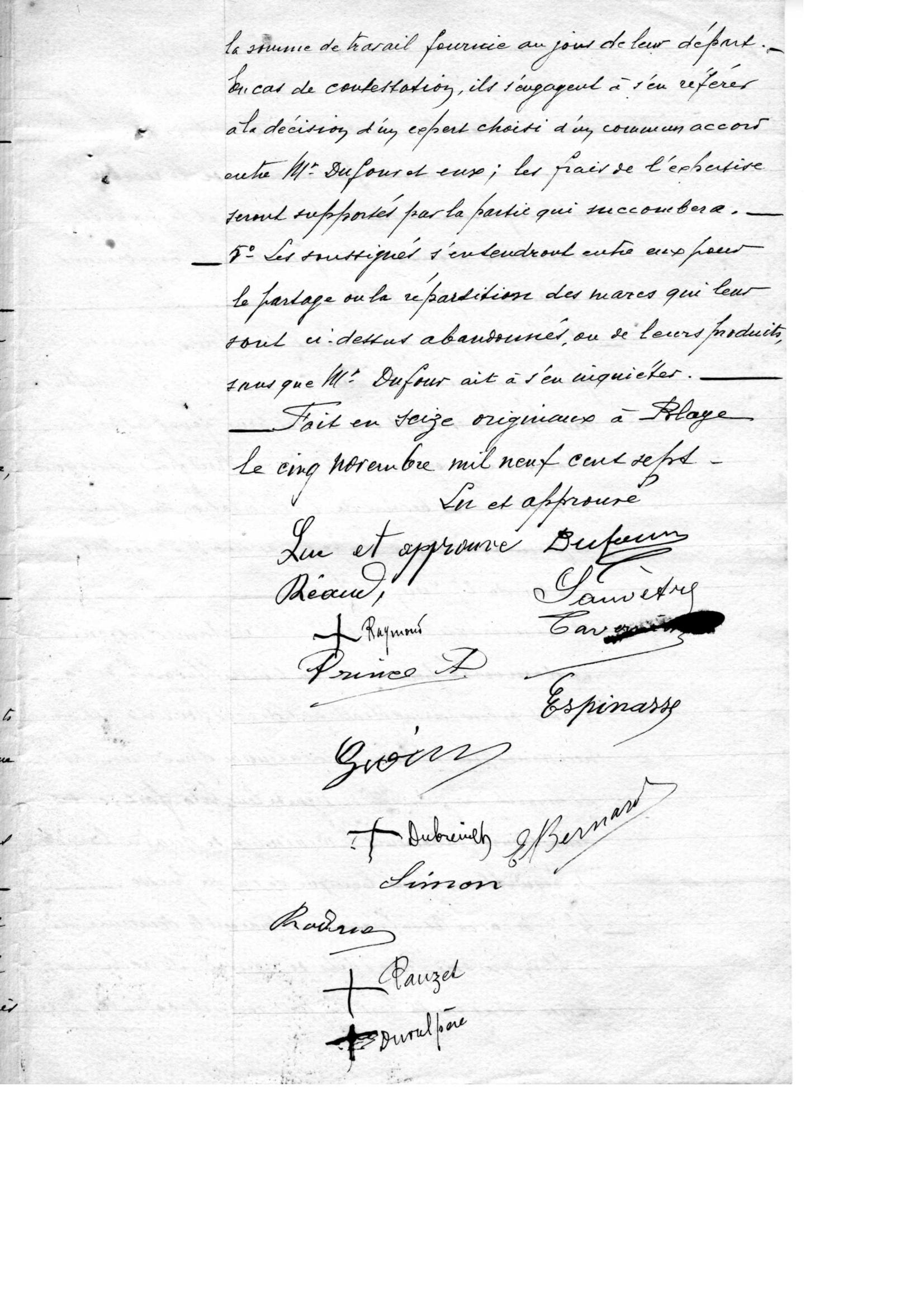
The early 20th century, particularly the year 1907, was a period of major upheaval for the Bordeaux vineyard, marked by the need to adapt to the aftermath of phylloxera. In this context of reconstruction and scarcity, many estates had to ensure the livelihood of their workers. It was during this era that agreements, such as the 1907 piquette contract for Domaine de la Grange in Bordeaux, took on their full significance. The goal was to formalise a customary right: that of agricultural workers having access to a share of the production for their own personal consumption.
This historical document, dated 8 September 1907, was far more than a simple administrative act. It sealed a commitment between Monsieur Desqueyroux, owner of Domaine de la Grange, and sixteen of his vineyard workers—just as many families dependent on the land and its fruits. These sixteen signatories, emblematic figures of their time, bore names that still resonate in local history, bearing witness to the importance of such social practices in rural life. The text, drafted with great precision, aimed to prevent any disputes regarding the delivery terms of this drink, proving the vital importance of this "privilege" for the workers.
The heart of the contract lay in the owner's commitment to provide his workers with a specific volume of piquette, estimated at 500 litres per household per year. Piquette itself was not a fine wine, but a beverage made by refermenting grape pomace (marc) with water, designed to quench the workers' thirst at minimal cost and with a low alcohol level. The terms were clear: delivery was to take place in two instalments—one at All Saints' Day, the other at Christmas—at the property. The contract also stipulated each party's responsibilities, notably the provision of barrels by the workers and a strict ban on selling this piquette, underlining its subsistence, non-commercial nature. (Read more about piquette here).
Introducing such contracts was a pragmatic response to the economic hardships of the era and the needs of the workforce. It guaranteed workers an essential staple for daily consumption, thereby reducing their household expenses and strengthening the social bond with the estate owner. For wine estates, it was a way of building team loyalty at a time when skilled labour was precious, especially following the ravages of phylloxera and the rise of contracts from 1892 and 1895. This type of agreement highlighted the value of labour and the role of every individual in wine production.
This contract, signed over a century ago, reminds us of a truth that is sometimes forgotten: wine, in Bordeaux, was above all a human affair. Sixteen signatories, sixteen families reliant on this precious estate piquette—it reminds us of the human scale that shaped our vineyards. At Château Cazebonne, we strive to recapture this dimension today. Our estate operates on a human scale, where meals, gestures, and the fruits of our labour are still shared in a spirit of conviviality inherited from these ancestral practices. Our Pét-Nat Bulbonne—gently sparkling, crisp, and thirst-quenching—is in its own way a contemporary nod to those unpretentious wines enjoyed by the workers of La Grange.
We firmly believe that replanting Bordeaux's forgotten grape varieties, cultivating the vine as a living philosophy, and working our terroirs parcel by parcel are part of this very same approach: restoring wine's multifaceted character and giving those who craft it their rightful place. This process is rooted in a desire to champion Bordeaux's viticultural heritage, just as the 1907 law framed centuries-old practices. The same holds true for the land survey of La Reynie in Peyron (1697). This restoration work is made possible thanks to the dedication of wine enthusiasts who have embraced our wines, playing an active part in the renaissance of these heritage grape varieties. To learn more about this approach, feel free to download our book "Bordeaux, a Story of Grape Varieties" and test your wine knowledge with our quizzes. We also invite you to discover our wines online, the fruit of this passion and respect for the history and future of the Bordeaux vineyard.
Our suggestions
-5%on your 1st order with code BIENVENUE
The essential6 bottles — Graves red 2022
The best price of the cellar: €12 per bottle delivered.
The everyday red: generous and straight to the point.
I want it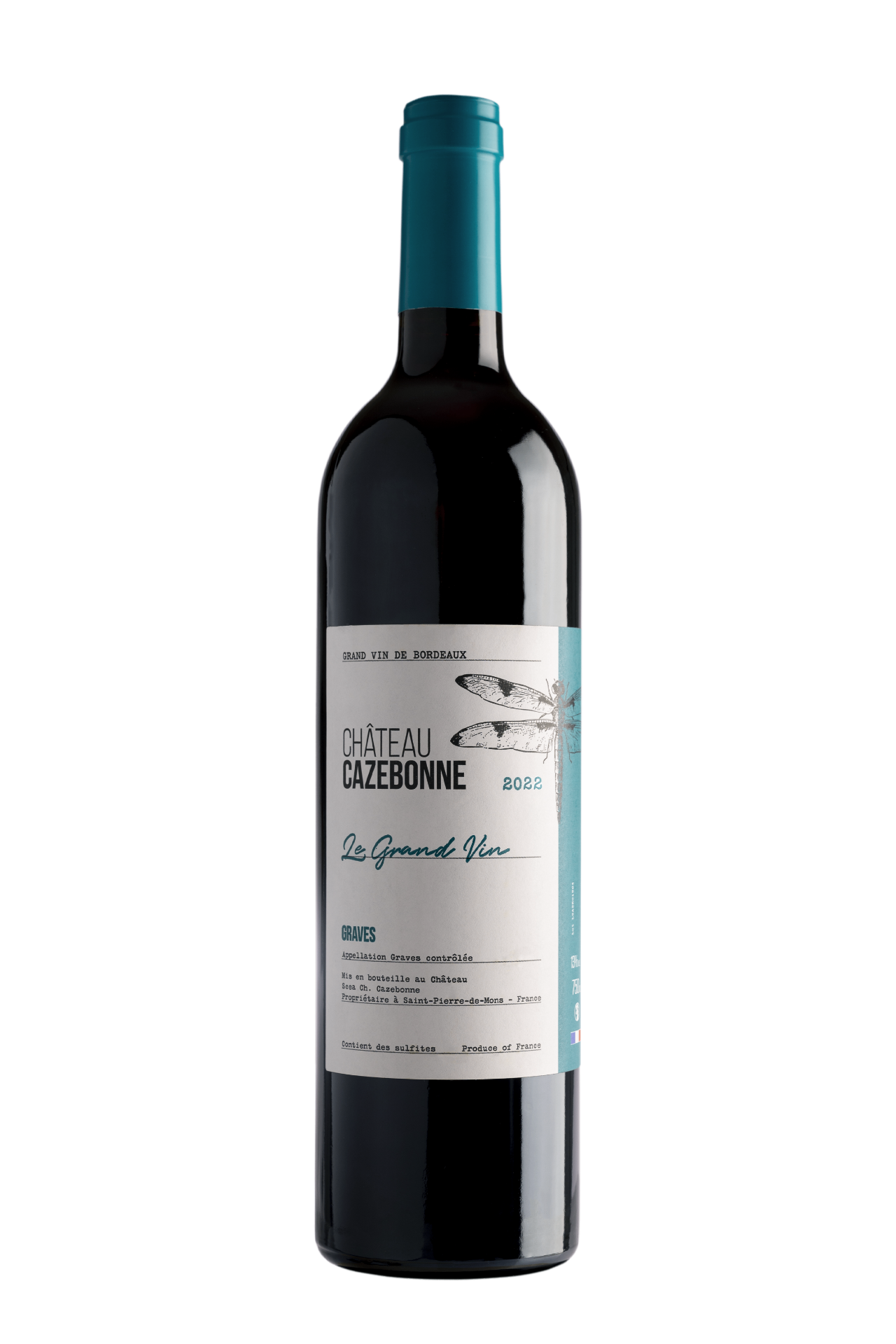 Our recommendation92/100 RVF
6 bottles — Graves red 2022, 92/100 RVF
Rated 92/100 by La Revue du vin de France: a solid 10-year ageing potential.
Our Graves for ageing, the finest gateway to the estate.
I want it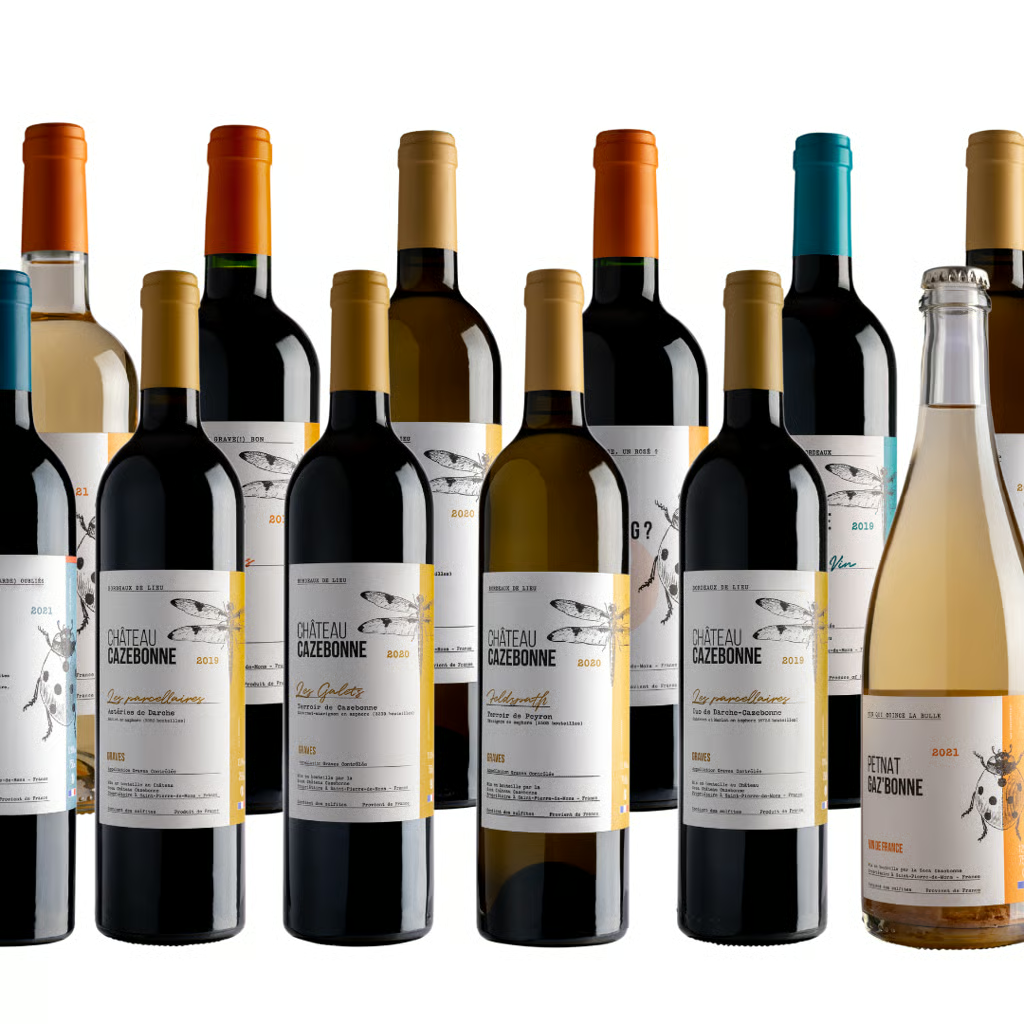 Go further
12 bottles — the whole range
12 bottles, the whole range tasted: the best discovery-to-price ratio.
The complete tour of the estate, in a single case.
I want it