
Gouais
The Gouais grape variety, a generous producer from the Médoc’s past
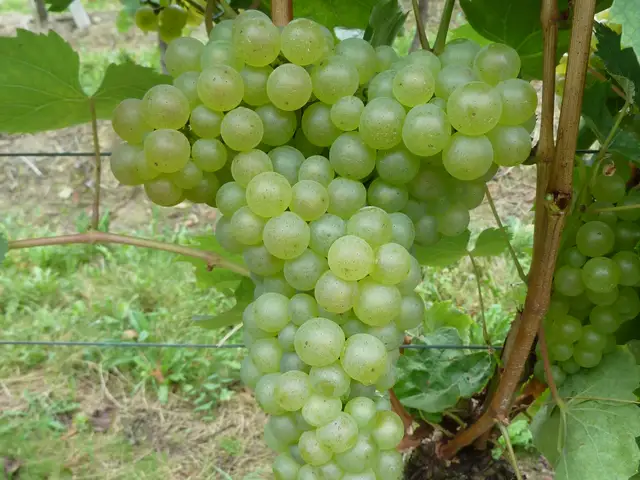
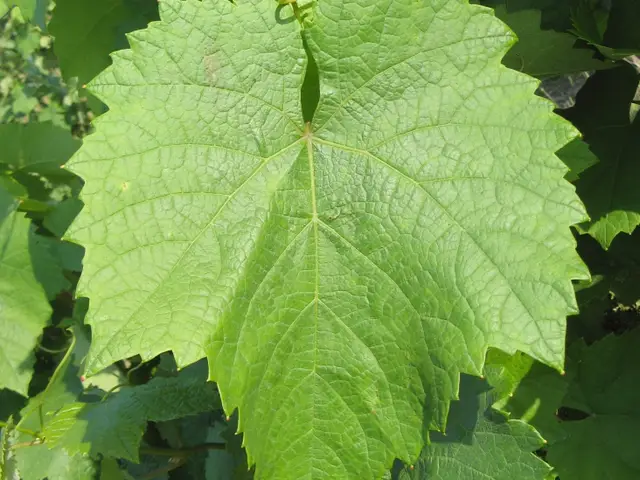
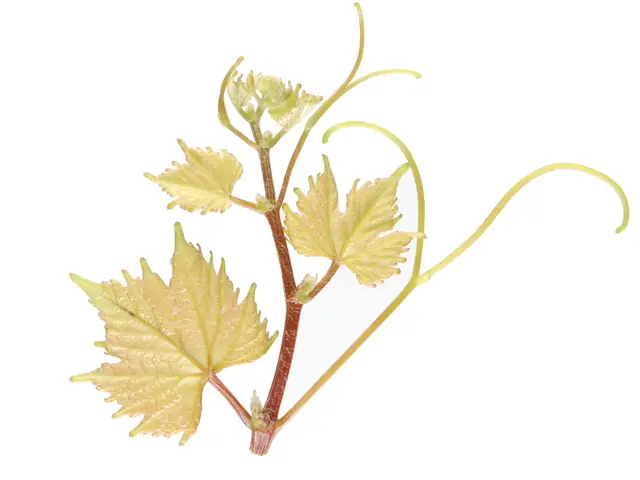
Although largely overlooked today, Gouais is a grape variety of paramount importance in French ampelographic history. Indeed, it is the parent of numerous iconic grape varieties, having fathered cultivars such as Muscadelle, the Jurançon blanc grape variety, the Colombard grape variety, and Folle Blanche. These varieties, which once played a major role in shaping the Bordeaux viticultural landscape, carry within them the genetic heritage of this ancestral grape. Its influence is all the more remarkable given that genetic parentage has also been established with Chardonnay, Gamay, and even Riesling, bearing witness to its wide dissemination and key role in the diversity of European grape varieties.
A Gironde past with many names
In the Gironde, Gouais was known under various local names, reflecting its historic presence. It was thus known as "Bouilleaud" in the Blayais, "Bouillenc" in Guyenne, and "Colle" or "Figuier" in the Entre-Deux-Mers. These vernacular names illustrate its widespread footprint and adaptation to the specificities of each terroir. Louis Bordenave, an emblematic figure in the preservation of heritage grape varieties, deserves great credit for rediscovering it and including it in his collections, thereby helping to keep the memory of this viticultural heritage alive.
The winegrowers of yesteryear valued it for several of its agronomic characteristics. Its late budburst made it a valuable ally against spring frosts, a hazard capable of wiping out an entire crop. With its mid-to-late ripening period, it allowed harvest dates to be staggered. A highly productive grape variety, it delivered substantial yields, an essential criterion at a time when quantity often took precedence over quality for subsistence needs.
Ampelographic profile
| Characteristic | Description |
|---|---|
| Budburst | Late, an asset against spring frosts. |
| Ripening | Late second-period (mid-to-late ripening). |
| Vigour | Vigorous grape variety. |
| Productivity | Highly productive, delivering high yields. |
| Appearance | Large bunches. |
| Winemaking potential | Produces high-acid wines, deemed rustic and low in aromatics. Particularly interesting for distillation. |
However, despite these advantages, Gouais was gradually abandoned. The low quality of the wines it produced, often considered rustic and lacking finesse, could not keep pace with changing tastes and the pursuit of higher-quality wines. It was eventually supplanted by varieties deemed more noble, consigning Gouais to near-oblivion. The story of Gouais, one of Bordeaux's forgotten grape varieties, exemplifies the shifts that have shaped our vineyards.
At Château Cazebonne, we are committed to reviving these forgotten grape varieties, and Gouais is among them. By replanting these ancestral varieties, such as the Prueras grape variety, we aspire to rediscover the richness and complexity of Bordeaux wines of the past, and to explore new expressions of our terroir. This work of memory and perseverance defines our identity, the result of passionate Bordeaux winegrowers dedicated to safeguarding and passing down a unique viticultural heritage.
This ambitious project is made possible thanks to the invaluable support of the many wine lovers who have embraced our wines and share our passion for rediscovering Bordeaux’s viticultural heritage. To deepen your knowledge of this fascinating history, we invite you to download our book “Bordeaux, a history of grape varieties”, test your knowledge with our wine quizzes, or explore our cuvées crafted from these rediscovered grape varieties in the Cazebonne online shop.
Sources
- Bordeaux, une histoire de cépages — Jean-Baptiste Duquesne, Éditions BBD
- Plantgrape — fiche « Gouais blanc » — INRAE / IFV / Institut Agro Montpellier
News from the estate
The cellar, forgotten grape varieties and our cuvées, twice a month. 5% off your first order with the code BIENVENUE.