
Château Leroy Beauval
Updated on
Profile of Château Leroy-Beauval, a family-owned winegrowing estate in Saint-Sulpice-et-Cameyrac producing HVE-certified red, white, and rosé wines, as well as crémant, under the Bordeaux Supérieur and Bordeaux appellations.
Identity
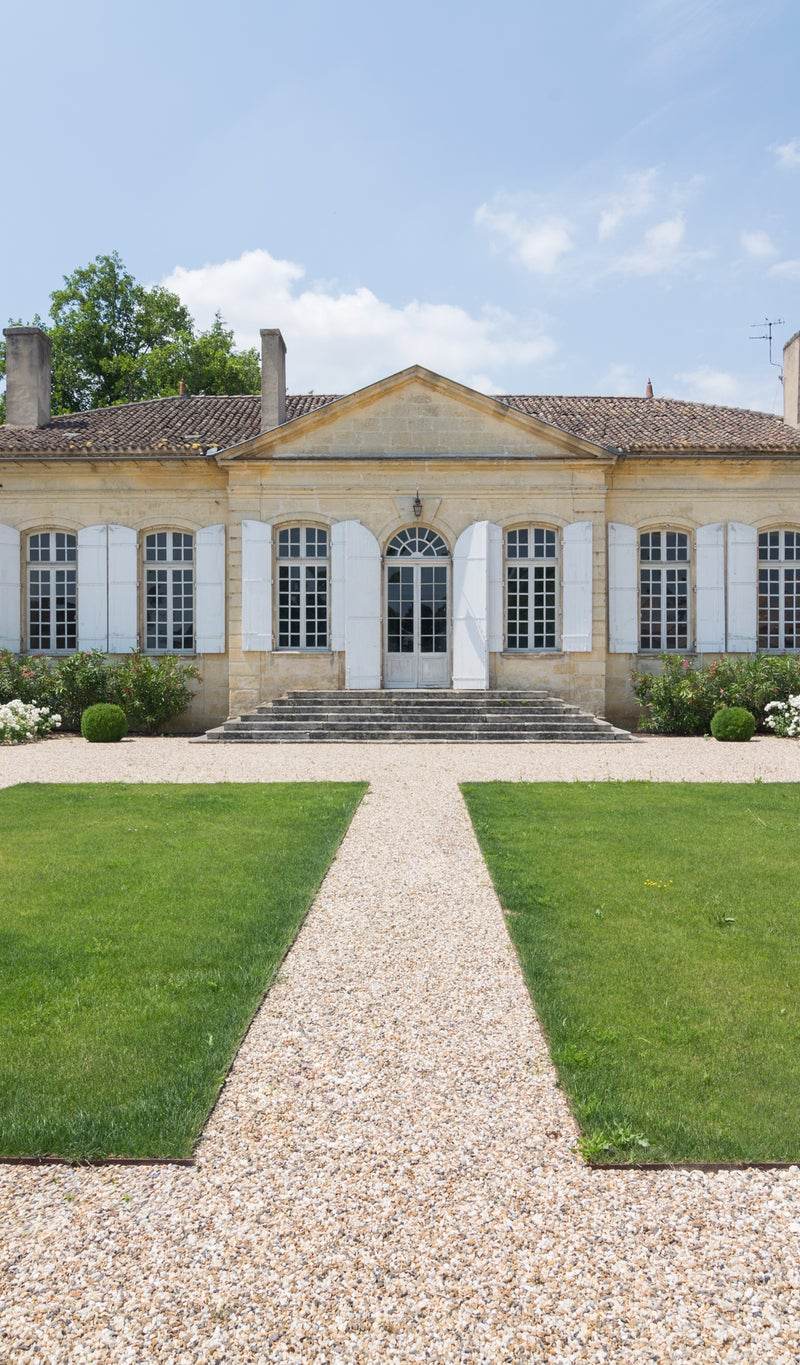
Château Leroy-Beauval is a winegrowing estate located in Saint-Sulpice-et-Cameyrac. It is managed by Mathieu Richard.
History and philosophy
The estate's winegrowing history dates back to the 18th century, although viticultural activity was abandoned until the 1970s. The Leroy family acquired the property in 2012. Mathieu Richard, who hails from a family of Bordeaux winegrowers, took over the management of the estate in 2017 after serving as technical director for various properties and specialising in wine estate management. A new winery and cellar were built in 2022. The estate prioritises sustainable viticultural practices and holds HVE (Haute Valeur Environnementale) certification.
The appellations
The vineyard parcels at Château Leroy-Beauval produce wines across several appellations, notably Bordeaux Supérieur, Bordeaux blanc, Bordeaux rosé, and Crémant-de-Bordeaux.
Practical information
Château Leroy-Beauval is located at 102 Route de Beauval, 33450 Saint-Sulpice-et-Cameyrac. The estate is open for cellar-door sales and tastings. For further information, the estate can be contacted by telephone on +33 5 24 73 22 50 or by email at contact@chateauleroybeauval.com.
Find out more
Frequently asked questions
- Where is Château Leroy-Beauval located and who is the current owner?
- Château Leroy-Beauval is located in the commune of Saint-Sulpice-et-Cameyrac. The Leroy family owns the estate, with Mathieu Richard overseeing its management. The winegrowing estate has a history dating back to the 18th century; winegrowing was later revived, and the Leroy family purchased the property in 2012. Mathieu Richard, descending from a line of Bordeaux winegrowers, took the helm in 2017 after specialising in wine estate management.
- What certifications does Château Leroy-Beauval hold and what is its vineyard surface area?
- Château Leroy-Beauval is HVE (Haute Valeur Environnementale) certified, reflecting its dedication to sustainable viticulture. The vineyard covers a total area of 75 hectares. The soils are diverse, consisting of clay-limestone, loams over starfish limestone, and sandy-clay over Fronsadais molasse, providing varied terroirs for the estate's different appellations.
- Which grape varieties are grown and which appellations are produced at Château Leroy-Beauval?
- Château Leroy-Beauval cultivates several grape varieties for its red and white wines: Merlot, Cabernet Franc, and Cabernet Sauvignon for the reds, alongside Sauvignon, Sémillon, and Muscadelle for the whites. These varieties enable the estate to produce wines under various appellations, including Bordeaux Supérieur, Bordeaux, Bordeaux rosé, and Crémant-de-Bordeaux, reflecting the rich diversity of its terroirs.
The vineyard (terroir)
The Château Leroy-Beauval vineyard covers a total area of 75 hectares, with 42 hectares currently in production. The soils are diverse, comprising clay-limestone, loamy soils over starfish limestone (calcaire à astéries), and sandy-clay over Fronsadais molasse. The average age of the vines is 30 years, planted at a density of 5,000 vines per hectare. The vines are pruned using the double Guyot system, and canopy management practices such as leaf stripping are carried out. The grape varieties grown are Merlot, Cabernet Franc, Cabernet Sauvignon, Sauvignon, Sémillon, and Muscadelle. In 2022, the productive surface area was 46 hectares for red wines and 6 hectares for white wines.
Key cuvées
Château Leroy-Beauval produces several cuvées, including:
- Château Leroy-Beauval (Bordeaux Supérieur): Made predominantly from Merlot and Cabernet Sauvignon, this wine comes from mechanically harvested grapes sorted upon arrival at the winery. It undergoes cold pre-fermentation maceration.
- Seigneur de Beauval (Bordeaux blanc): This cuvée is crafted from a blend of Sauvignon, Muscadelle, and Sémillon. It delivers an aromatic profile typical of white Bordeaux wines, with vinification that may include ageing in vats.
- Rozélie (Bordeaux rosé): A single-varietal rosé made from hand-harvested Cabernet Franc. This wine is characterised by traditional vinification following cold settling (débourbage).
- Marquise de Leroy-Beauval (Crémant-de-Bordeaux): A sparkling wine crafted from Sémillon.
Vinification and ageing
For the Bordeaux Supérieur, vinification includes cold pre-fermentation maceration in temperature-controlled concrete vats. Malolactic fermentation takes place in new oak barrels, followed by 12 months of ageing in French oak barrels (20% new oak, 50% one-wine barrels) and 30% in vats. For the Bordeaux blanc, harvesting is done mechanically with sorting upon receipt. After cold settling, traditional fermentation takes place, partly in barrels with lees stirring (bâtonnage). Ageing lasts 3 months in French oak barrels and stainless steel vats. The Bordeaux rosé, made from hand-picked grapes, is fermented traditionally following cold settling and is aged in temperature-controlled stainless steel vats.
- Appellations
- Bordeaux Supérieur, Bordeaux, Bordeaux Rosé, Crémant de Bordeaux
- Commune
- Saint-Sulpice-et-Cameyrac
- Wine region
- Bordeaux & Bordeaux Supérieur
- Owner
- famille Leroy
- Technical direction
- Mathieu Richard
- Surface area
- 75 ha
- Certifications
- HVE
- Grape varieties
- Merlot, Cabernet Franc, Cabernet Sauvignon, Sauvignon, Sémillon, Muscadelle
Practical information
- Address
- 102 Route de Beauval, 33450 Saint-Sulpice-et-Cameyrac
- Phone
- +33 5 24 73 22 50
- Contact form
- Contact the estate
- Visits
- Oui