
Ondenc
Ondenc: a forgotten white grape with many faces
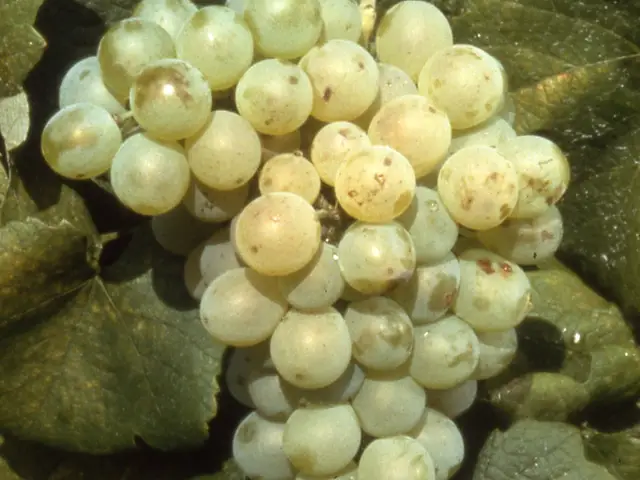
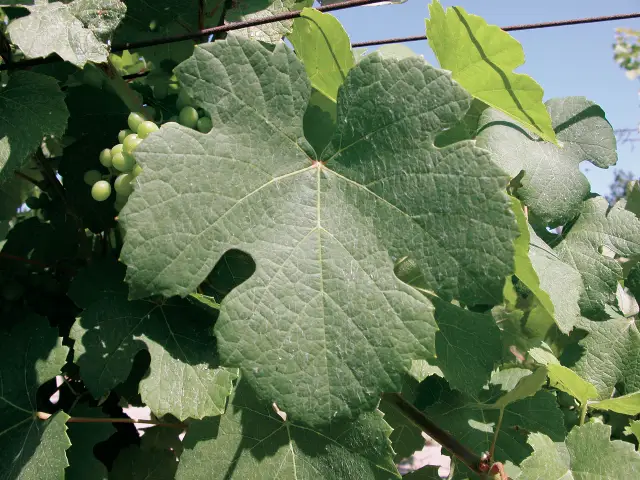
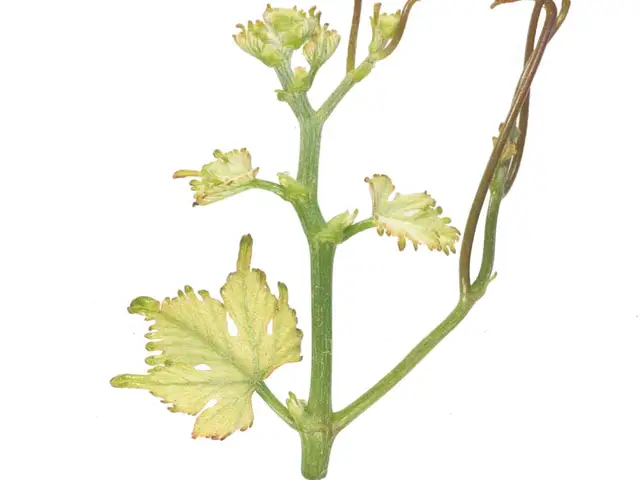
Among the viticultural treasures of Bordeaux that time has unfortunately cast into the shadows, Ondenc holds a unique place. This ancestral white grape variety, deeply rooted in South-West France, was once far more widespread across the Gironde vineyard. It bore several names there, testifying to its local presence: it was affectionately called "Blanquette" or "Blanquette sucrée" due to the clarity of its musts, and in the Entre-Deux-Mers, it was known as "Béquin", or more specifically "petit Béquin" in the Terreforts. These local names highlight its long-standing integration and its affinity with Bordeaux terroirs.
Modern genetic studies have lifted the veil on part of its family history, revealing close relationships with other South-West grape varieties, such as Lauzet, the Crouchen grape variety and Petit Courbu. These genetic links confirm its deep-seated roots in the region's viticultural heritage, far removed from the international varieties that dominate today.
Ampelographic profile
| Characteristic | Description |
|---|---|
| Budburst | Early, making it susceptible to spring frosts. |
| Ripening | Early second period, allowing for a relatively early harvest. |
| Vigour | Vigorous, requires careful management. |
| Growth habit | Erect. |
| Susceptibility to coulure | Susceptible to coulure, which can reduce yields. |
| Susceptibility to downy mildew | Susceptible to downy mildew. |
| Susceptibility to powdery mildew | Susceptible to powdery mildew. |
| Aromatic profile | Moderately aromatic, with discreet floral notes. |
| Winemaking potential | Wines of great finesse, delicate and balanced, particularly in blends where it can compensate for a lack of acidity in single-varietal wines. |
A brief history
Although rarely cited by 19th-century Bordeaux authors, Ondenc had a notable presence in the Gironde vineyards. Its nickname "petit Béquin" reflects its place in several historical grape listings, such as that of Jean-Baptiste de Secondat in the late 18th century. It made its official appearance as an accessory white grape variety in the Bordeaux appellation in 1935. Today, it is among the grape varieties that dedicated winegrowers are striving to revive and cultivate to diversify plantings and rediscover unique aromatic profiles.
At Château Cazebonne, we are convinced that the richness of our viticultural heritage should not remain a dead letter. This is why we are committed to replanting and showcasing grape varieties like Ondenc, which had vanished from the Bordeaux landscape. This work of perseverance and memory is only made possible thanks to the invaluable support of the many enthusiasts who share our passion for rediscovering forgotten tastes and aromas, and who have embraced our wines. To delve deeper into this fascinating history, we invite you to download our digital edition of the book "Bordeaux, une histoire de cépages", which traces the epic journey of these varieties, including that of the Sauvignonasse grape variety and the Monbadon grape variety, or to test your knowledge with our wine quizzes, before discovering our cuvées crafted from these revived grape varieties and our distinctive approach.
Sources
- Mémoires sur l’histoire naturelle du chêne ; sur les arbres forestiers de la Guienne ; sur des champignons qui paraissent tirer leur origine d’une pierre ; sur la maladie pestilentielle des bœufs en 1774 ; sur la culture de la vigne & le vin de la Guienne, &c. — Jean-Baptiste de Secondat, non précisé — p. 59
- Bordeaux, une histoire de cépages — Jean-Baptiste Duquesne, Éditions BBD — p. 178
- Plantgrape — fiche « Ondenc » — INRAE / IFV / Institut Agro Montpellier
News from the estate
The cellar, forgotten grape varieties and our cuvées, twice a month. 5% off your first order with the code BIENVENUE.