
Ugni blanc
The Ugni Blanc grape variety, great acidity for blending and distillation
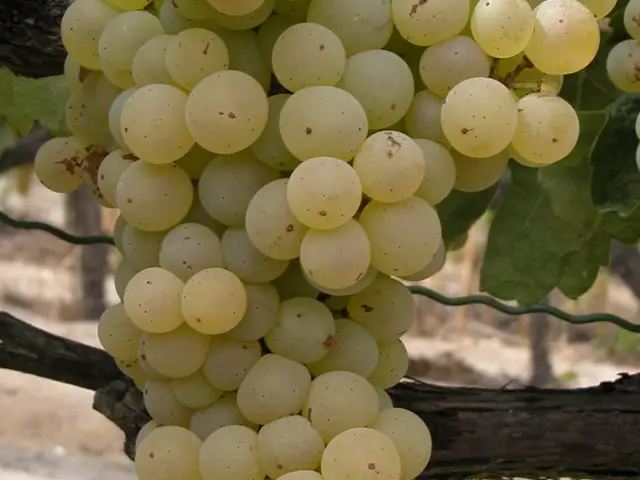
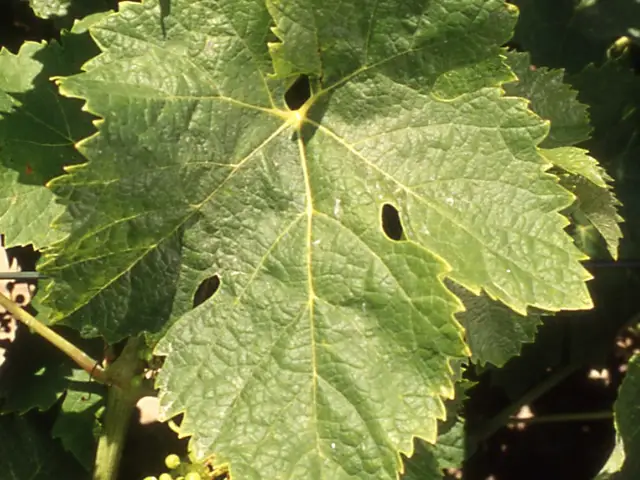
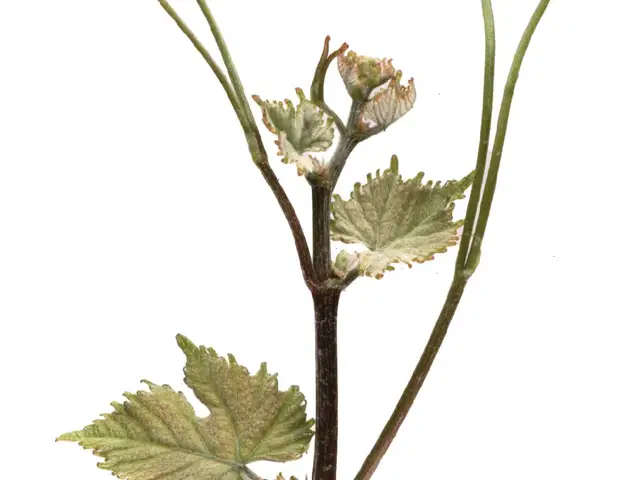
Behind its familiar name, Ugni Blanc is a grape variety of Italian origin, known in Tuscany as Trebbiano Toscano. Grown in France since the Middle Ages, it is thought to have been brought by the papal court of Avignon in the 14th century, and it is already recorded in Cadillac, in the Gironde, in 1730. In Bordeaux it was often called "Saint-Émilion", a synonym that still causes confusion with the famous appellation.
A vigorous, late and very acidic variety
Ugni Blanc owes its spread to clear-cut viticultural traits:
- late budburst, which protects it from most spring frosts;
- late ripening;
- strong vigour, with young shoots that are fragile in the wind;
- fairly good resistance to grey rot, but susceptibility to powdery and downy mildew;
- high yields on fertile soils.
Its wines are crisp, discreet in aroma and modest in alcohol: around 11 to 12% vol. in the South of France, often 7 to 9% vol. in the Charentes. In the South, its high acidity is used in blends to make up for the lack of freshness of other white varieties.
The grape of Cognac
After phylloxera, Folle Blanche reacted badly to grafting, which made it too vigorous and prone to grey rot. The Charentes turned to Ugni Blanc instead: it gives an abundant, very acidic wine that keeps through the winter without sulphur, and its aromatic neutrality is ideal for distillation. Today it accounts for more than 98% of the vineyards of the Cognac geographical indication, and it is also widely planted in Armagnac.
Its place in the history of Bordeaux whites
In the Gironde, Ugni Blanc mainly spread when the vineyard was replanted. In Entre-Deux-Mers, being more productive, it took over from older varieties such as Blanc Auba. In 1932, Georges Bord listed it among the varieties "more recently introduced", alongside Colombard. In 1961 it was the leading white grape variety in France with 48,000 hectares, as our page on white grape varieties in 1961 recalls, a weight explained as much by distillation as by still wines.
It is still authorised today as an accessory variety in the Bordeaux blanc appellation, within a 30% limit shared with the other accessory varieties. Its old vines can also hold pleasant surprises: winegrower Fabien Lapeyre had us taste a straw wine made from old Ugni Blanc vines, a concentrated sweet wine full of tension.
Reviving the diversity of Bordeaux grape varieties
At Château Cazebonne, we study Ugni Blanc as one of the white grape varieties that shaped the history of Bordeaux, and we are replanting in Bordeaux grape varieties that had disappeared. This work is made possible by the support of the many wine lovers who have adopted our wines. To read further, you can download the book "Bordeaux, une histoire de cépages" and find our cuvées in our online shop.
Sources
- Plantgrape — fiche « Ugni blanc » — INRAE / IFV / Institut Agro Montpellier
To explore further
- MontilsThe Montils grape variety
- OndencThe Ondenc grape variety
- SauternesThe Sauternes grape variety
- LauzetLauzet: a discreet Pyrenean grape variety, cousin to Bordeaux varieties
- LiliorilaLiliorila: A newcomer authorised for climate adaptation in Bordeaux
- RieslingRiesling (or Johannisberg): An Anecdotal and Fleeting Presence in Bordeaux
News from the estate
The cellar, forgotten grape varieties and our cuvées, twice a month. 5% off your first order with the code BIENVENUE.