
Bouysselet
Bouysselet: Freshness from the South-West, an Avenue for Bordeaux?
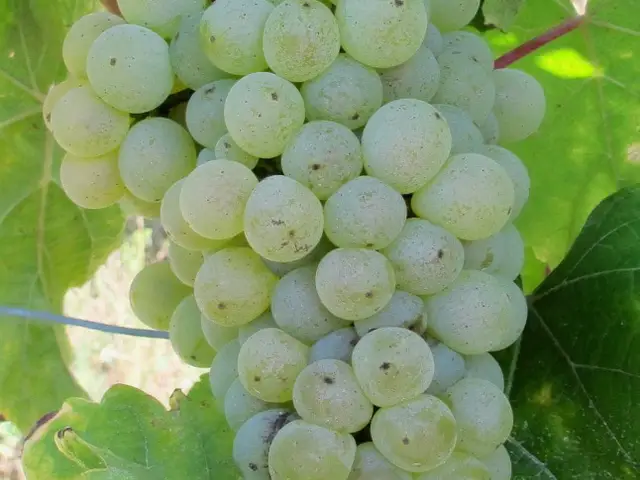
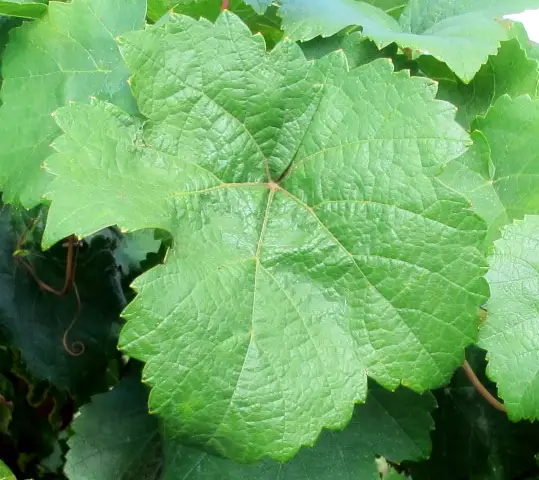
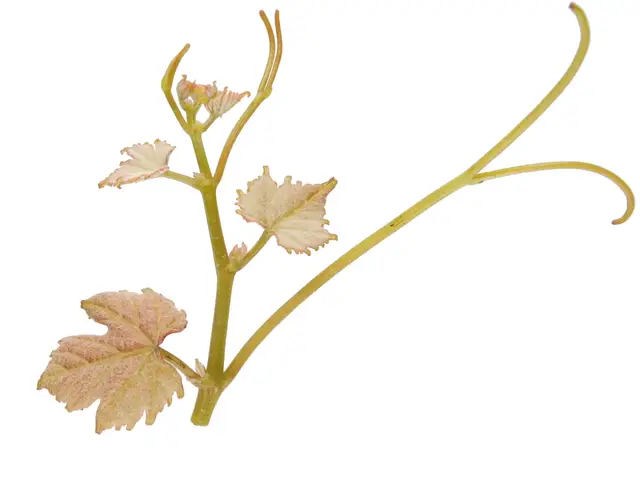
Bouysselet is an ancient and exceptionally rare white grape variety whose roots run deep in the South-West terroir, particularly around the Fronton and Gaillac areas. Its history, rich as it may be in its native region, does not appear to have crossed paths with that of the Bordeaux vineyard. Historically, no trace of Bouysselet is recorded in the classifications of Bordeaux grape varieties, and it has never featured in the traditional Gironde plantings.
This absence is likely explained by the fact that Bordeaux built its reputation on white wines crafted primarily from blends of Sémillon and Sauvignon Blanc, giving rise to such distinctive profiles of dry wines (such as those of the Graves) or sweet wines (Sauternes). Bouysselet, renowned for its particularly high and persistent natural acidity even in warm climates, yields lively, sometimes even austere wines in their youth. A profile that arguably did not align with the taste standards and local Bordeaux traditions of the time.
However, it is precisely this unique characteristic, its ability to retain crisp, razor-sharp freshness despite heatwaves, that makes it fascinating today in the era of climate change. While many white grape varieties struggle to maintain their acidity during hot, sunny vintages, Bouysselet could theoretically represent a promising solution to bring tension and balance to future cuvées. This avenue is indeed actively being explored in its native cradle and in other wine regions seeking adaptation strategies.
At Château Cazebonne, our approach is rooted in the rediscovery and revival of grape varieties with a proven history in Bordeaux, those that shaped its identity over centuries before falling into oblivion. Bouysselet, lacking this historical link with our terroir, is not part of our replanting programme. Nevertheless, its case perfectly illustrates current discussions surrounding diversification and climate adaptation in Bordeaux, a subject close to our hearts and to our organic and biodynamic viticulture philosophy. In the same vein, Savagnin, the influential Jura ancestor absent from Bordeaux is an example of a non-Bordeaux grape variety whose relevance is frequently raised. Riesling (or Johannisberg): an anecdotal and fleeting presence in Bordeaux is another example of our commitment.
Our work of remembrance and perseverance is dedicated to reviving the tastes and aromas that modernity had relegated to the past. These efforts are made possible only thanks to the invaluable support of the many wine enthusiasts who have embraced our wines and share our passion for rediscovering Bordeaux's viticultural heritage, including varieties such as Chenin, a discreet historical footprint in Bordeaux.
To explore the outcome of this approach and taste our cuvées crafted from these rediscovered grape varieties, we invite you to visit the Cazebonne shop.
To further your knowledge of this fascinating history, Jean-Baptiste Duquesne published the book "Bordeaux, une histoire de cépages" with Éditions BBD. If you would like to receive the digital version by email, please visit receive the digital version.
Sources
- Plantgrape — fiche « Bouysselet » — INRAE / IFV / Institut Agro Montpellier
To explore further
- LiliorilaLiliorila: A newcomer authorised for climate adaptation in Bordeaux
- RieslingRiesling (or Johannisberg): An Anecdotal and Fleeting Presence in Bordeaux
- SavagninSavagnin: The Influential Jura Ancestor Absent from Bordeaux
- Merlot blancThe Merlot Blanc Grape Variety
- Petit MansengThe Petit Manseng grape variety
News from the estate
The cellar, forgotten grape varieties and our cuvées, twice a month. 5% off your first order with the code BIENVENUE.