
 The essential
6 × Entre Amis red
6 bottles — Graves red 2022
The best price of the cellar: €12 per bottle delivered.
The everyday red: generous and straight to the point.
I want itRiesling
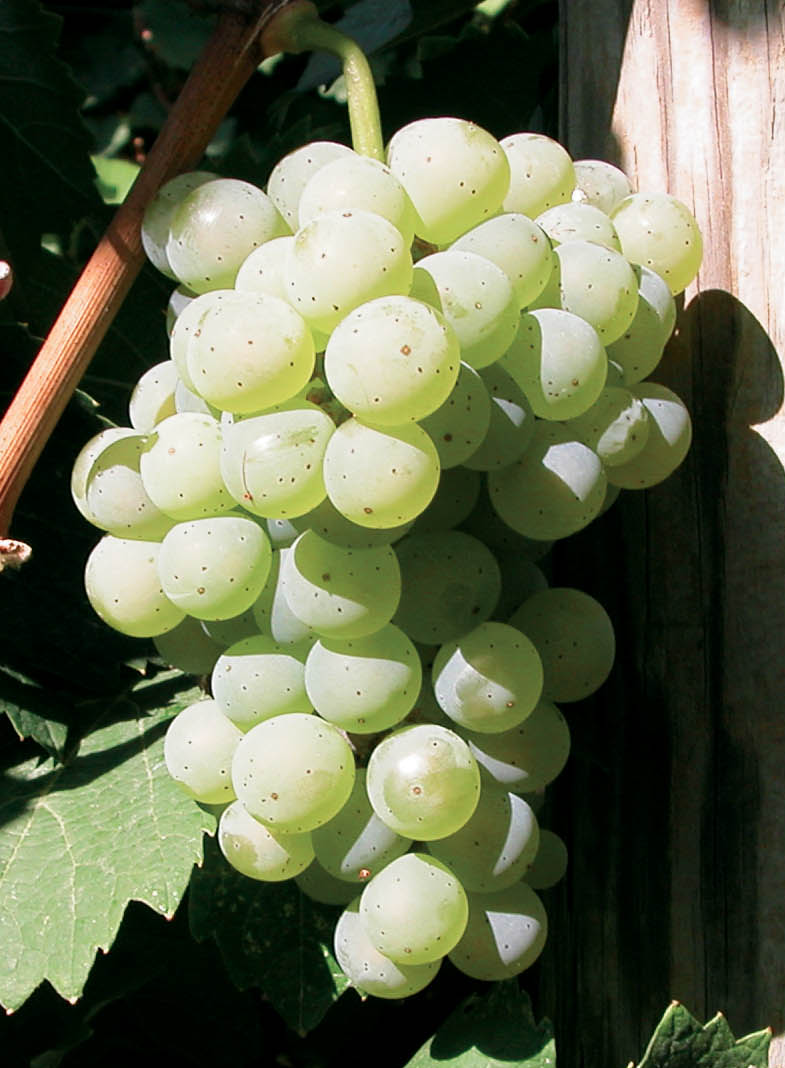
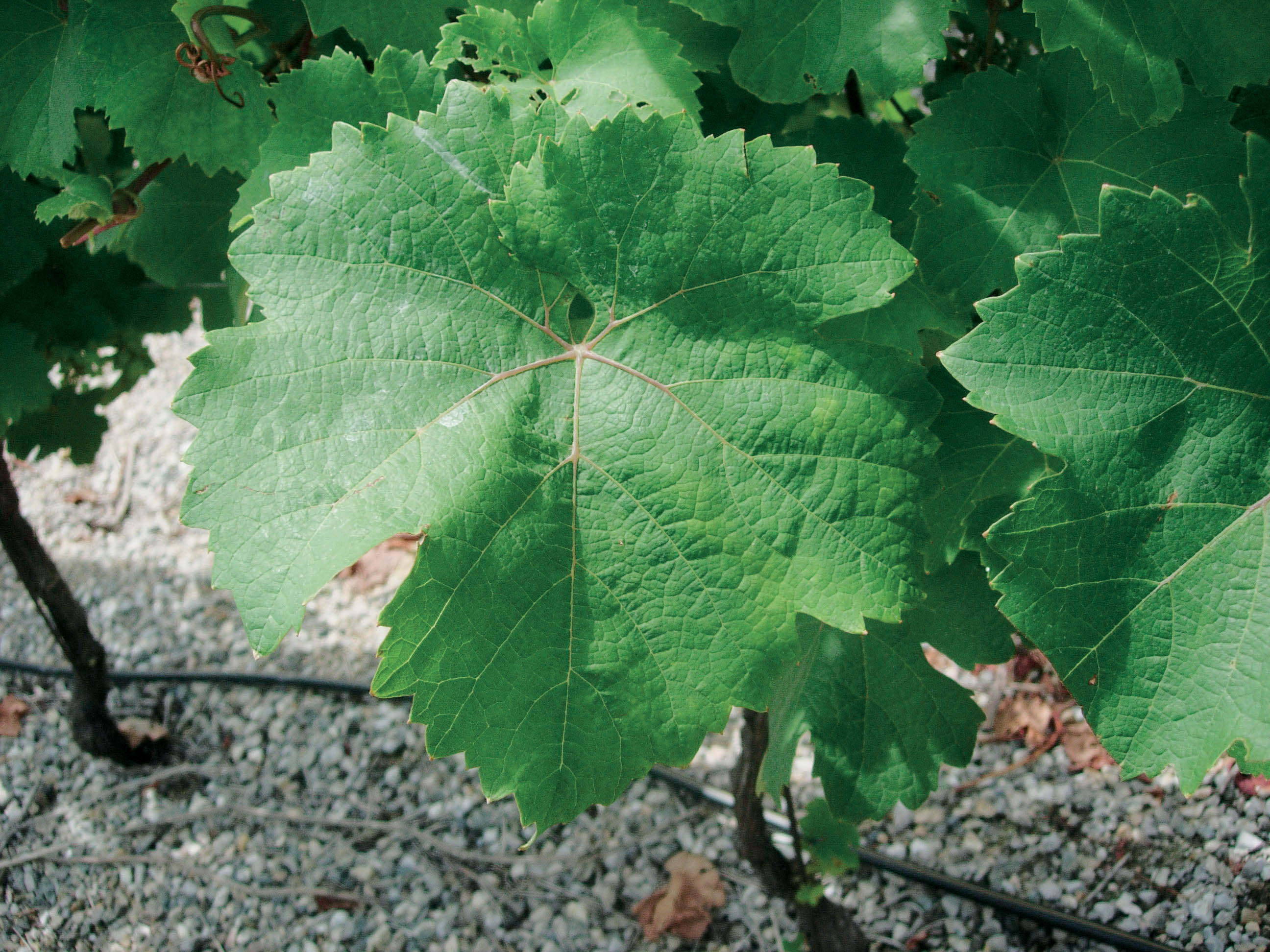
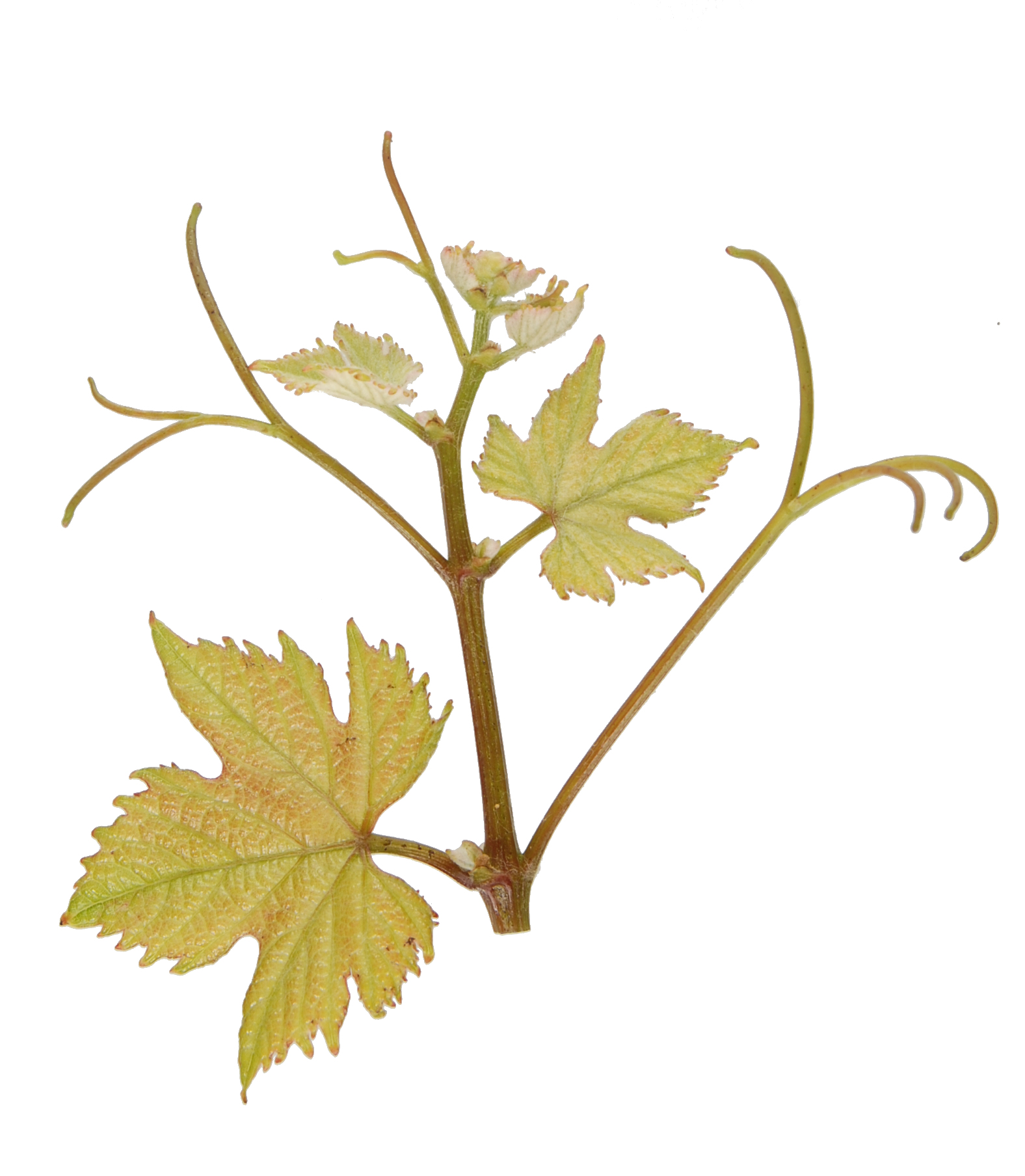
Riesling, the quintessential noble white grape variety, is the undisputed king of German and Alsatian vineyards, renowned for its chiselled, elegant wines with exceptional ageing potential. Its history in Bordeaux, however, is far more discreet, if not purely anecdotal, pointing to a tentative and short-lived presence.
Was it truly ever planted in the Bordeaux vineyards? In his seminal 1878 work on the wines of the Gironde, historian Édouard Féret provides an intriguing clue. When describing the white grape varieties of the Entre-Deux-Mers—a region then dominated by Enrageat (Folle Blanche)—he mentions Riesling, under its alternative name Johannisberg, among the minority varieties present. He lists it alongside other less common varieties such as Jurançon Blanc and Chalosse. Its presence was therefore documented, albeit highly marginal at the time.
Why was its introduction so limited, and why did it not endure? Riesling thrives in cool climates, where it develops its distinctively expressive aromatic bouquet. Bordeaux's climatic conditions, generally warmer and more humid, are hardly ideal for it. Ripening was often fickle, making the production of consistently high-quality wines difficult. Furthermore, it proves particularly susceptible to grey rot, a major scourge in humid regions.
Beyond climatic constraints, the style of wine produced from Riesling was likely out of step with the Bordeaux market expectations of the era and local traditions. Far removed from the roundness of Sémillon and the aromatic freshness of Sauvignon Blanc, its taut, mineral expressions probably failed to find an audience. Riesling remained a curiosity, perhaps introduced by a few enlightened estate owners or nurserymen keen to experiment, but it was never collectively adopted across the region's vineyards.
The example of Riesling is a reminder that, despite the rich historical diversity of Bordeaux grape varieties, not all were equally suited to the local terroir and climate. At Château Cazebonne, our revival project focuses on varieties with proven historical legitimacy and, above all, demonstrated or potential suitability for our Graves terroirs. This preservation work is made possible thanks to the support of the many wine enthusiasts who have embraced our wines and share our passion for the rediscovery of Bordeaux's viticultural heritage. A passion that also drives us to explore the history of other grape varieties, such as Savagnin: the influential Jura ancestor absent from Bordeaux.
To discover our cuvées crafted from these rediscovered grape varieties and support our organic and biodynamic approach to viticulture, we invite you to visit the Cazebonne online shop.
To deepen your knowledge of this fascinating history of grape varieties, Jean-Baptiste Duquesne has published the book "Bordeaux, une histoire de cépages" with Éditions BBD. If you would like to receive the digital edition by email, please visit receive the digital version.
Sources
Our suggestions
-5%on your 1st order with code BIENVENUE
The essential6 bottles — Graves red 2022
The best price of the cellar: €12 per bottle delivered.
The everyday red: generous and straight to the point.
I want it Our recommendation92/100 RVF
6 bottles — Graves red 2022, 92/100 RVF
Rated 92/100 by La Revue du vin de France: a solid 10-year ageing potential.
Our Graves for ageing, the finest gateway to the estate.
I want it Go further
12 bottles — the whole range
12 bottles, the whole range tasted: the best discovery-to-price ratio.
The complete tour of the estate, in a single case.
I want itThe cellar, forgotten grape varieties and our cuvées, twice a month. 5% off your first order with the code BIENVENUE.