
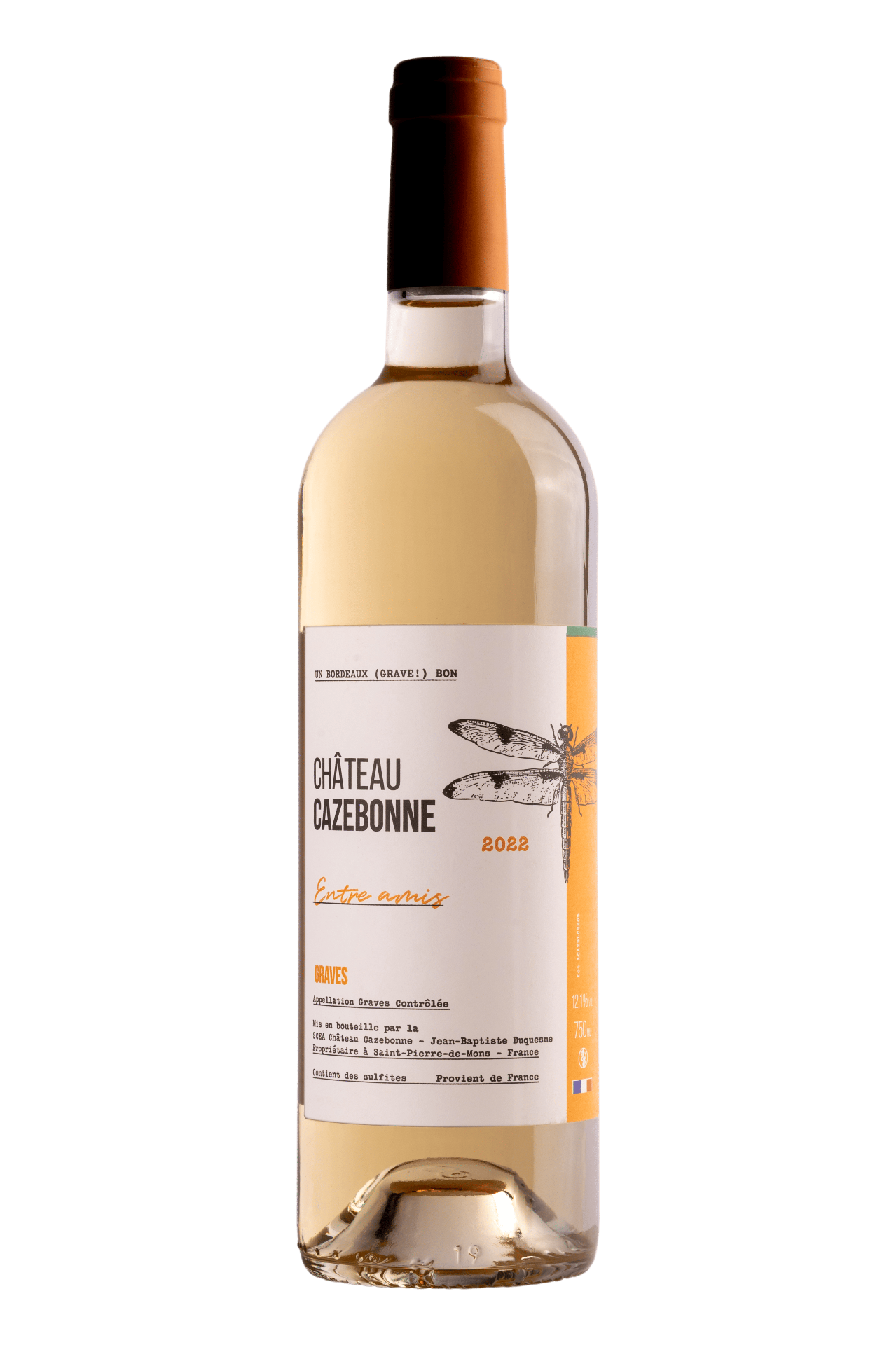
 The essential
Entre Amis white 2024
Graves white 2024
Crisp and saline: the easy aperitif, at a gentle price.
The estate's thirst-quenching white, open it without thinking.
I want itSweet Wine
Bordeaux sweet white wines are far more than mere sugary nectars. They embody history, ancestral craftsmanship, and a terroir's unique ability to give birth to the unexpected. While the term "liquoreux" (luscious sweet) instantly evokes richness and sweetness, one must never forget the long, painstaking work behind every bottle, from the vine stock to ageing in the cellar.
The crafting of sweet botrytised wines relies on a fascinating natural phenomenon: "noble rot", or Botrytis cinerea. Far from being a scourge in this specific context, this microscopic fungus plays a crucial role by concentrating sugars and aromas within the grape berries, whilst imparting complex and distinctive notes. This process is the result of a delicate balance between climatic conditions, well-suited grape varieties, and human expertise.
The production of sweet wines begins long before harvest. It requires constant attention in the vineyard to create the ideal conditions for noble rot to develop. This phenomenon is neither systematic nor guaranteed, and depends heavily on weather variations.
Botrytis cinerea develops on the grapes when morning mists, which encourage its onset, are followed by sunny, breezy afternoons that slow its spread and prevent it from turning into far less desirable "grey rot". This botrytisation cycle allows the fungus to pierce the berry skins, leading to water evaporation and an exceptional concentration of sugars, acids, and aromatic compounds. It is this concentration that lends sweet white wines their unique richness and aromatic complexity. The main grape varieties used for these wines in Bordeaux are Sémillon, Sauvignon, and Muscadelle, each contributing its own distinct character.
Harvesting botrytised grapes is a crucial and meticulous stage. It is often carried out by hand in successive passes ("tries successives") during dry weather, selecting only the berries or bunches that have reached the optimal stage of noble rot. This work can span several weeks, demanding patience and expertise from the pickers. Once harvested, the grapes are gently pressed. The resulting juice, extremely rich in sugar, ferments slowly—a process that can take months or even longer. This fermentation is stopped before all the sugars are converted into alcohol, leaving the wine naturally sweet and luscious.
Following fermentation, sweet wines undergo an extended period of ageing, often in oak barrels. This ageing period, which can last several years, allows the wine to develop its aromatic complexity, refine its structure, and integrate all the subtle nuances imparted by the wood. Sweet wines are quintessential wines for laying down, capable of ageing for decades—even a century—developing an extraordinary tertiary aromatic profile.
The history of Bordeaux sweet wines is intrinsically tied to its terroir and the unique microclimate of certain appellations. As early as the 17th century, Dutch merchants played a significant role in developing these wines, having a marked preference for sweet styles. Producers sought to make wines with higher residual sugar, notably by implementing practices that promoted concentration. The development of noble rot was gradually mastered, leading to today's world-renowned nectars, particularly those from the Sauternes and Graves regions. Sweet wines have shaped the viticultural history of Bordeaux through their prestige and longevity, bearing witness to ancestral expertise passed down from generation to generation. The book "Bordeaux, une histoire de cépages" by Jean-Baptiste Duquesne highlights the evolution of these practices and the importance of grape varieties in this specific region, emphasising the role of Sémillon as the cornerstone of great Bordeaux sweet wines.
Château Cazebonne is committed to perpetuating the richness and diversity of the Bordeaux vineyard, notably by replanting ancient grape varieties and exploring innovative viticultural practices. To gain a deeper understanding of our vineyard's history and the complexity of its grape varieties, we invite you to discover wine blending. For measuring sugar concentration, feel free to learn how to use a refractometer. You can also download our book "Bordeaux, une histoire de cépages". You can also test your knowledge of our wines and Bordeaux viticulture, and of course, discover our wines, the fruit of this passionate work, directly on our online shop.
Sources
Our suggestions
-5%on your 1st order with code BIENVENUE
The essentialGraves white 2024
Crisp and saline: the easy aperitif, at a gentle price.
The estate's thirst-quenching white, open it without thinking.
I want it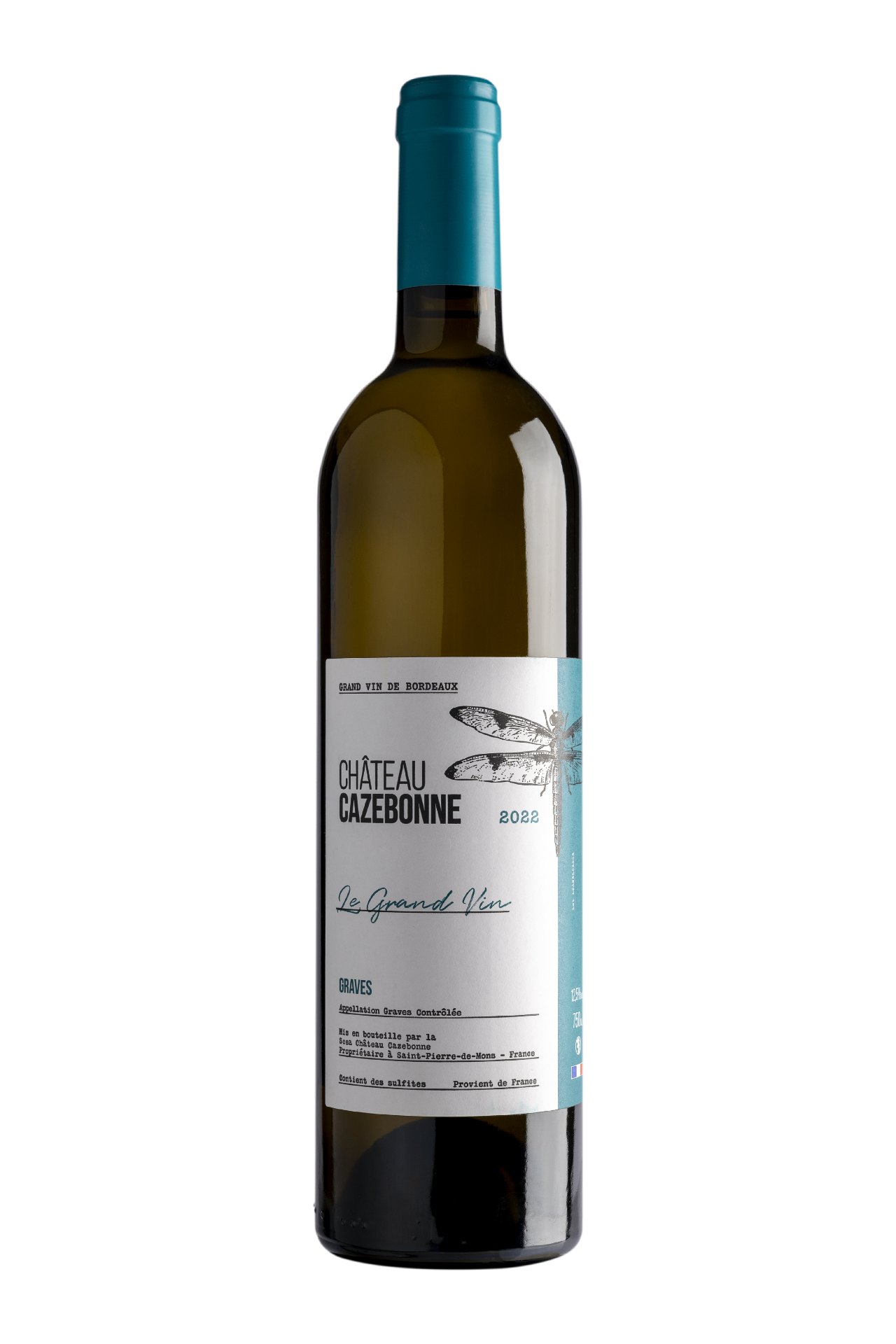 Our recommendation92/100 RVF
Graves white 2022, 92/100 RVF
Rated 92/100 by La Revue du vin de France: old-vine Sémillon.
The great Graves white: taut and deep.
I want it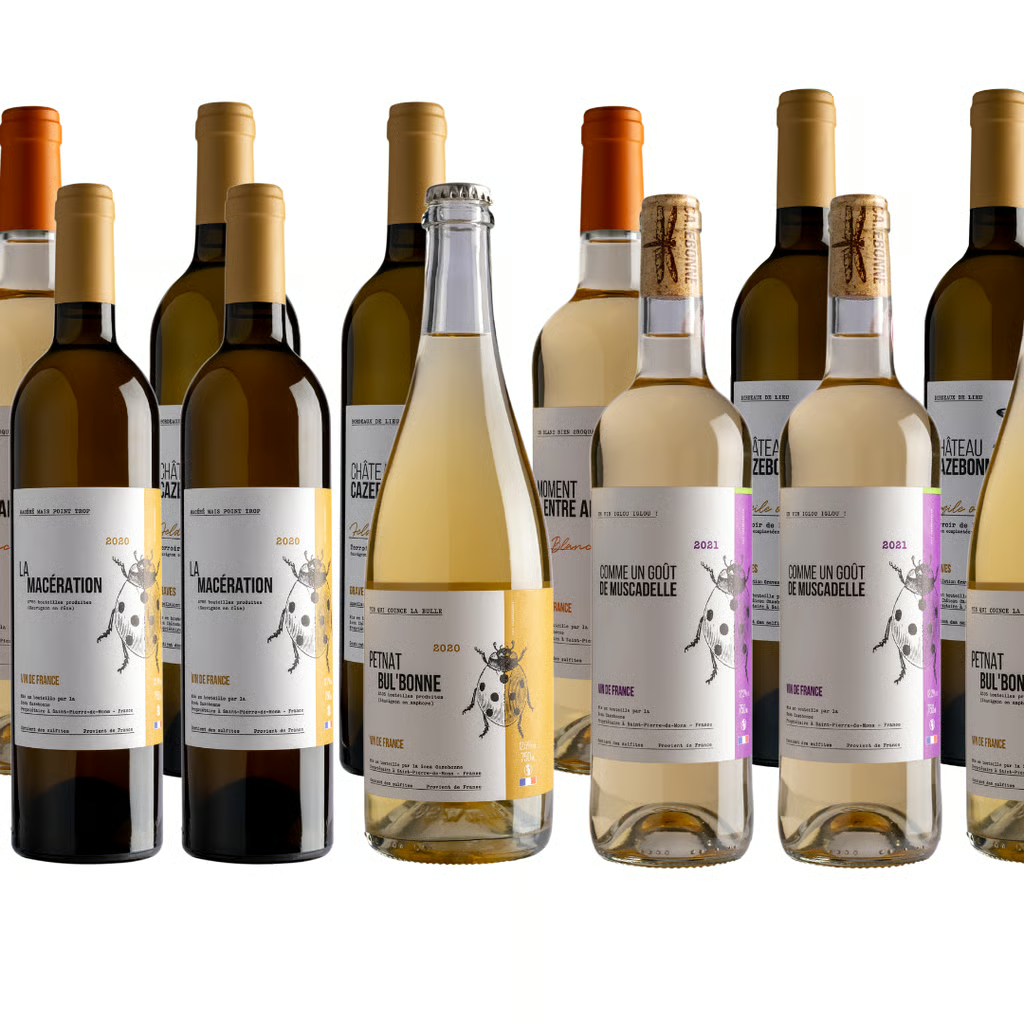 Go further
12 bottles — plot selection
All our organic whites together: the complete plot-by-plot flight.
To explore Sémillon in all its forms.
I want itThe cellar, forgotten grape varieties and our cuvées, twice a month. 5% off your first order with the code BIENVENUE.