
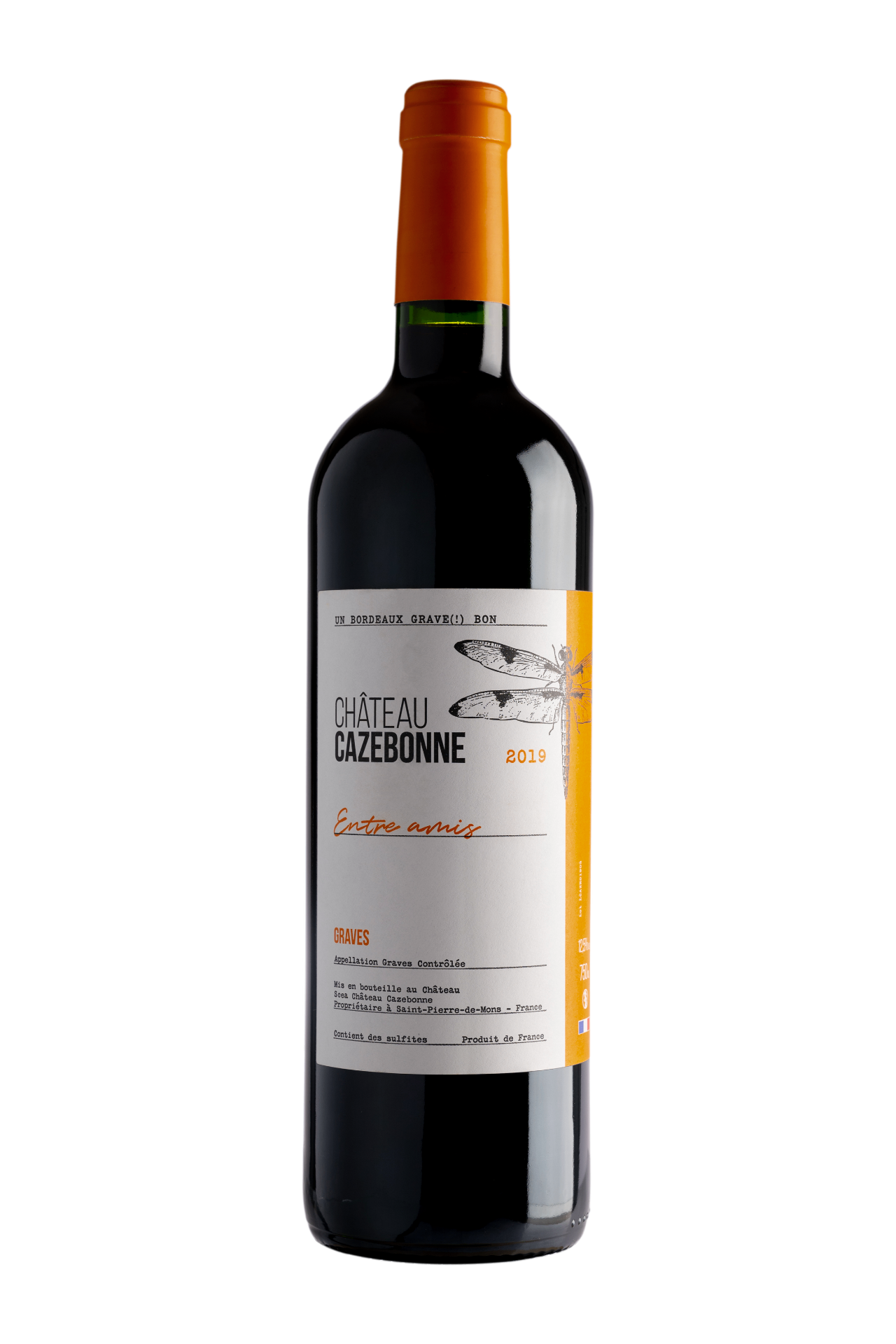
 The essential
6 × Entre Amis red
6 bottles — Graves red 2022
The best price of the cellar: €12 per bottle delivered.
The everyday red: generous and straight to the point.
I want itThe Demeter label represents a comprehensive and demanding approach to truly sustainable agriculture and viticulture. More than just a certification, Demeter embodies the principles of biodynamic agriculture, a holistic approach initiated by Rudolf Steiner. This international certification guarantees practices that respect living organisms, from soil to plate, and of course, to wine. It goes beyond the requirements of conventional organic farming, considering the estate as an autonomous living organism where every element interacts in harmony.
To obtain Demeter certification, it is essential to be organically certified beforehand. The Organic label is the first step, prohibiting the use of synthetic chemicals (pesticides, herbicides, synthetic fertilisers) and genetically modified organisms (GMOs). Biodynamics and the Demeter label build upon these solid foundations, adding an extra dimension by incorporating specific preparations and a careful observation of natural rhythms.
At the heart of Demeter-certified biodynamic viticulture are unique cultivation practices. The winemaker strives to strengthen the vitality of the soil and plants through the use of biodynamic preparations such as horn manure (preparation 500) and horn silica (preparation 501), applied according to precise lunar and planetary calendars. The goal is to foster a living soil, rich in humus and micro-organisms, capable of nourishing the vine autonomously. Promoting biodiversity around and within the plots is also essential, with the integration of trees, hedges, and cover crops to create a balanced ecosystem, strengthening the resilience of the vineyard.
The Demeter philosophy doesn't stop in the vineyard; it extends into the cellar. Biodynamic winemaking favours natural methods and minimal intervention. This includes spontaneous fermentations with indigenous yeasts, a very limited use of oenological inputs, and a careful management of sulphur (SO2), with much stricter thresholds than for the Organic Label alone, which ensures a sustainable viticultural commitment. The objective is to preserve the authentic expression of the terroir and the vitality of the wine, respecting its natural transformation cycle. This low-intervention winemaking is the logical continuation of the work carried out in the vineyard.
At Château Cazebonne, we are committed to preserving Bordeaux's viticultural heritage, by replanting ancient grape varieties and promoting environmentally respectful practices, a task made possible thanks to the support of enthusiasts who adopt our wines. To learn more about our approach and the history of Bordeaux grape varieties, feel free to download our book.
Our suggestions
-5%on your 1st order with code BIENVENUE
The essential6 bottles — Graves red 2022
The best price of the cellar: €12 per bottle delivered.
The everyday red: generous and straight to the point.
I want it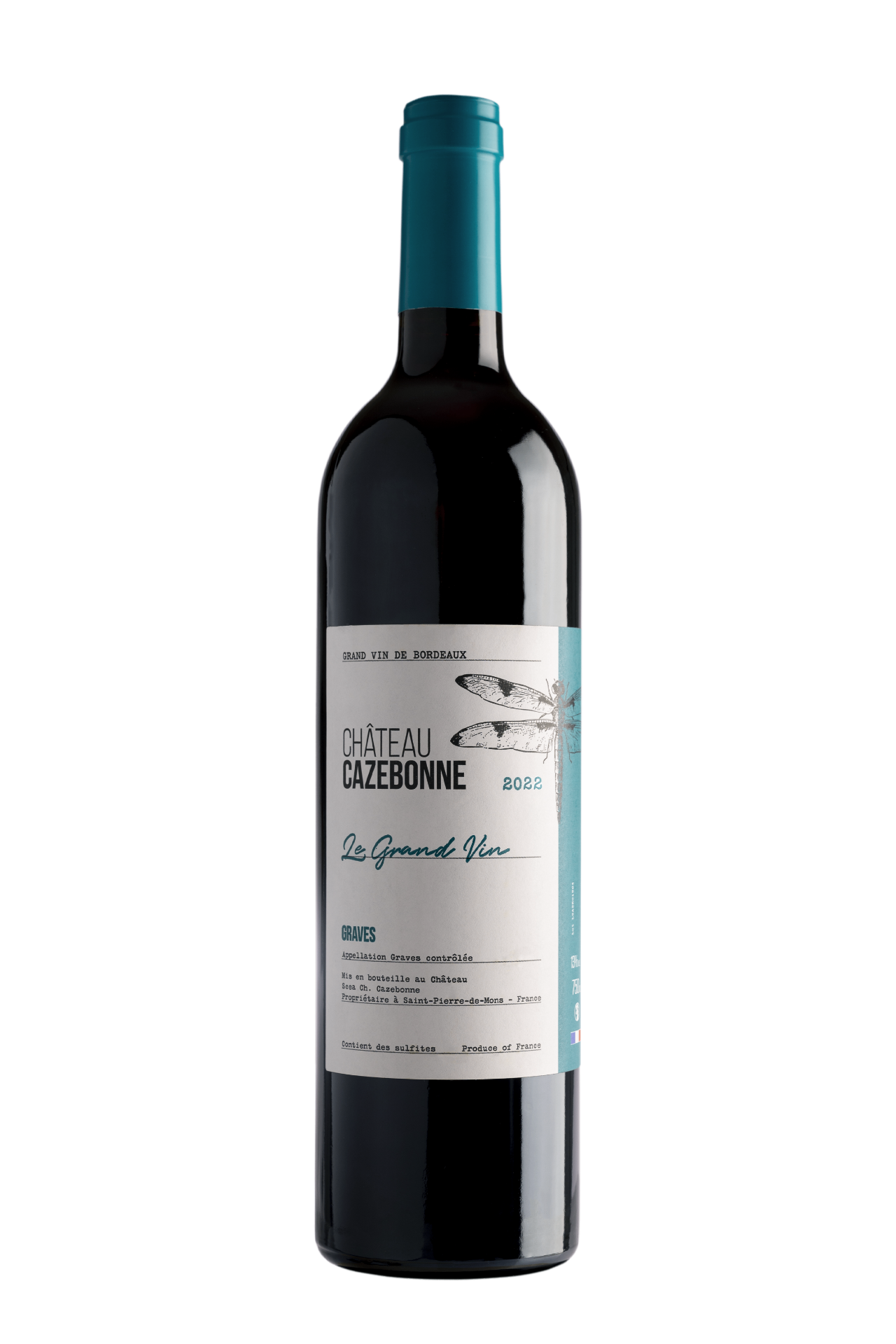 Our recommendation92/100 RVF
6 bottles — Graves red 2022, 92/100 RVF
Rated 92/100 by La Revue du vin de France: a solid 10-year ageing potential.
Our Graves for ageing, the finest gateway to the estate.
I want it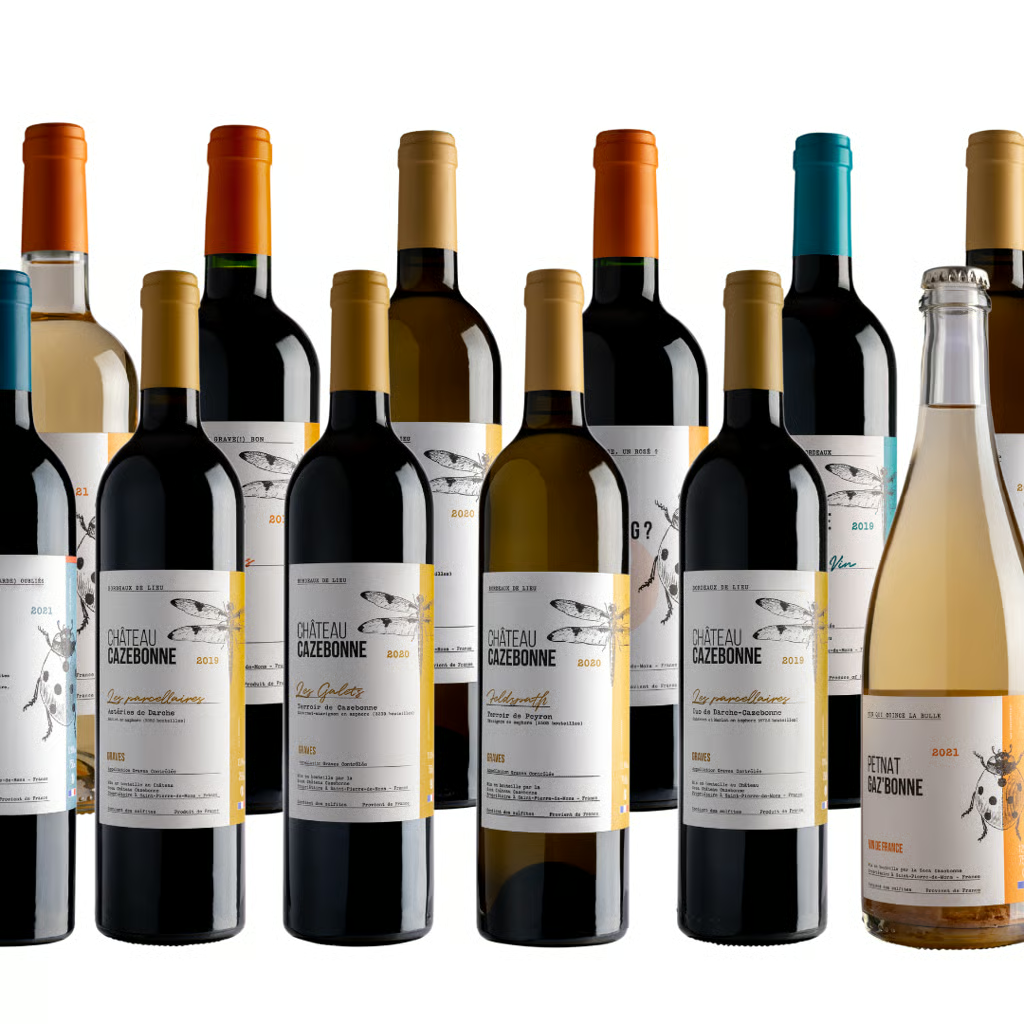 Go further
12 bottles — the whole range
12 bottles, the whole range tasted: the best discovery-to-price ratio.
The complete tour of the estate, in a single case.
I want it