
 The essential92/100 RVF
Comme en 1900 red 2022
Vin de France — heritage grapes, 92/100 RVF
The pre-phylloxera Bordeaux blend, revived at the estate.
Castets, Mancin, Pardotte: the Bordeaux before Bordeaux.
I want it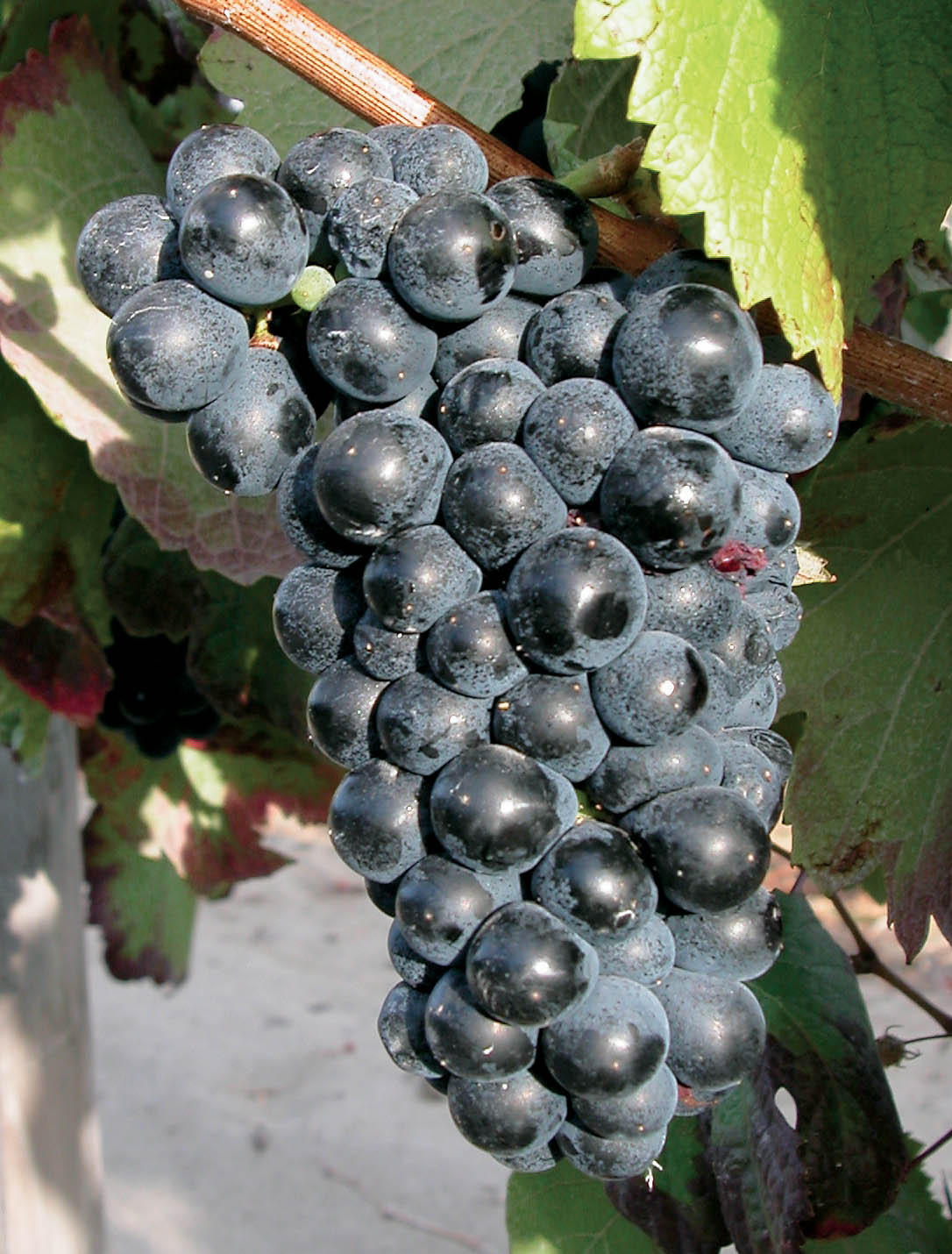
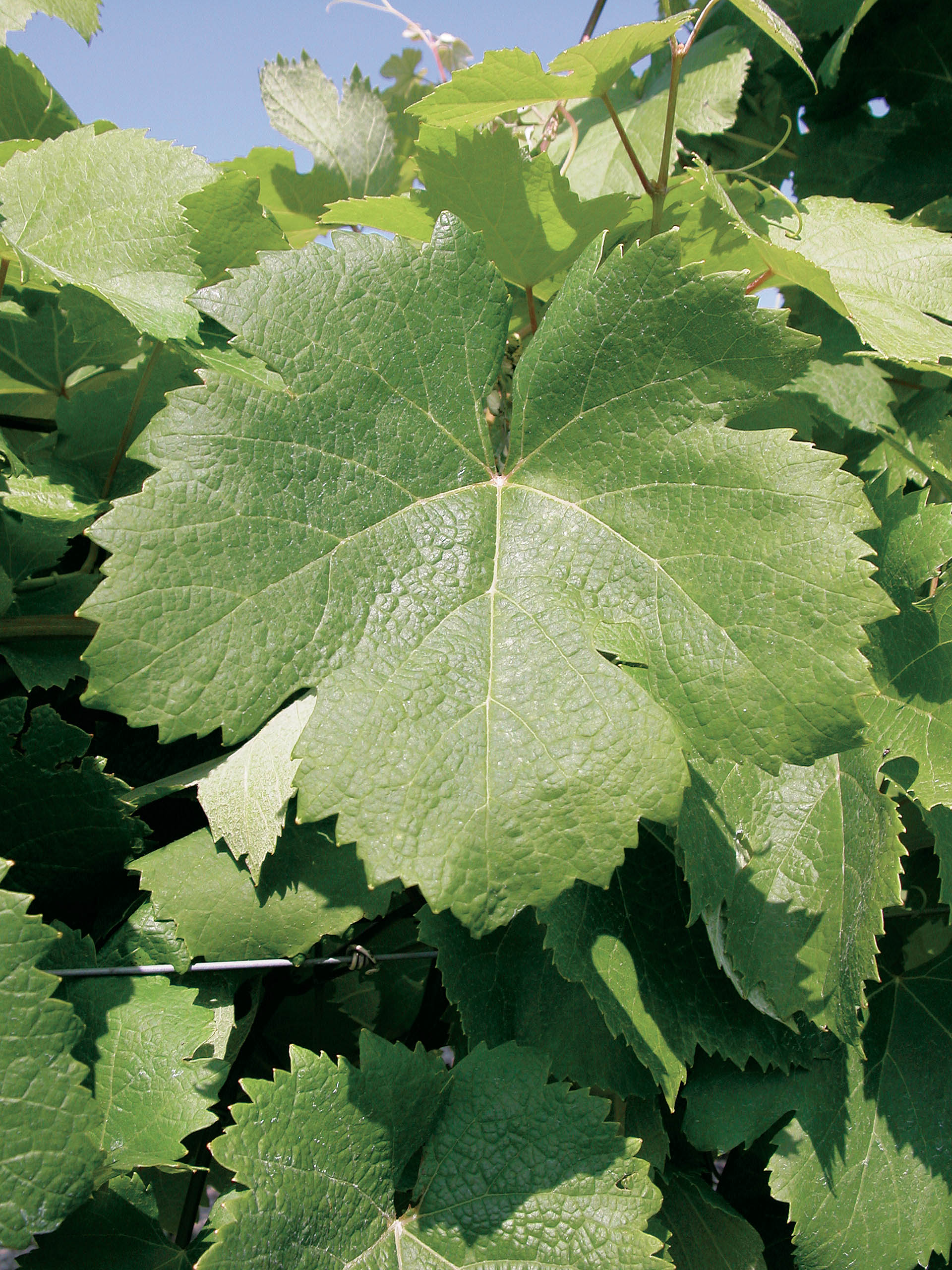
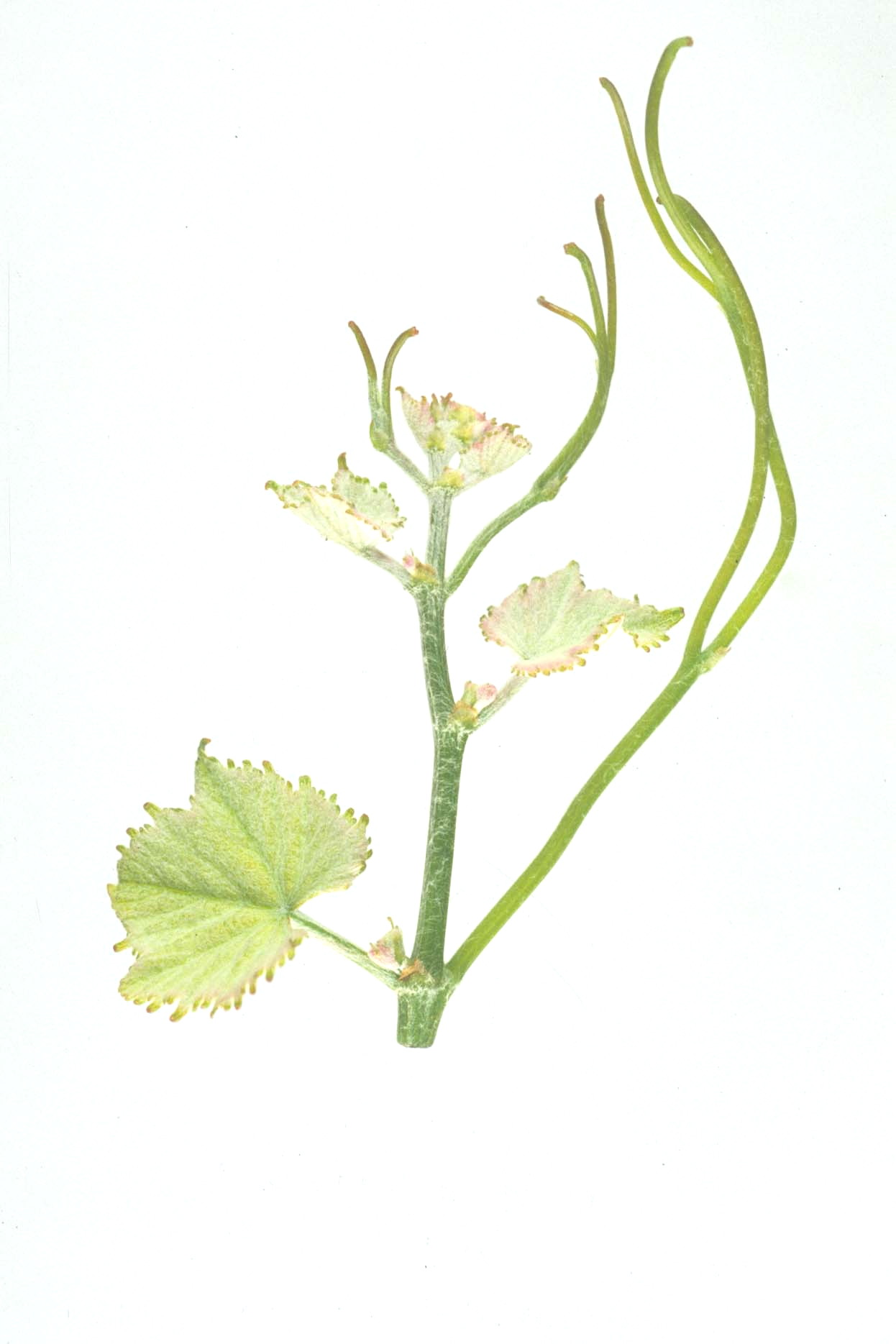
Négrette, also known as Négret or Négret de Gaillac, is a black grape variety mainly cultivated in South-West France, where it is considered the soul of the Fronton vineyard. Its history is deeply rooted in this region, although it has never had a significant presence in Bordeaux.
This variety stands out for its unique ampelographic characteristics and its distinctive organoleptic profile, prized for producing distinctive red wines. Its cultivation requires careful attention and adapts, like many others, to the specific soil and climate conditions of its preferred terroir.
| Characteristic | Description |
|---|---|
| Leaf | Medium, truncate, orbicular, five-lobed. Petiolar sinus slightly open with almost parallel edges. |
| Bunch | Medium, cylindrical-conical, sometimes winged, compact. |
| Berry | Medium, spherical, thick bluish-black skin, firm pulp. |
| Budburst | Early to mid-season. |
| Ripening | Mid-season (Period II). |
| Vigour | Medium. |
| Susceptibilities | Susceptible to downy mildew. |
| Oenological Potential | Produces deep-coloured, tannic wines, rich in alcohol, with aromas of black fruit, violet, and spices. Lower in tannins than Cabernet Sauvignon or Petit Verdot. |
The Négrette grape variety displays medium vigour in the vineyard. Budburst is early to mid-season, which can expose it to spring frosts in certain regions. Flowering and veraison occur at typical times for a mid-season (Period II) variety. Ripening is mid-season, allowing the grapes to achieve good sugar concentration and intense aromas.
Regarding susceptibilities, Négrette is notably prone to downy mildew. This requires particular vigilance from the winegrower and potentially a tailored treatment approach, including in biodynamic viticulture. A sound knowledge of vine diseases is essential to manage this variety effectively.
Négrette is prized for its ability to produce red wines with assertive character. The grapes yield musts rich in colour and tannins, although generally less full-bodied than those obtained from varieties such as Cabernet Franc. This variety is often vinified as a single varietal, but can also be used in blends to contribute its distinctive aromatic signature.
Négrette wines are distinguished by their aromatic intensity, showcasing notes of red and black fruit, violet, and occasionally hints of spice or liquorice. They generally possess good ageing potential, developing more complex aromas over time. Red winemaking with this grape yields wines with good structure, yet often with softer tannins than other varieties.
Wines made from Négrette are typically characterised by their deep red colour and intense aromas. On the nose, one can identify black fruit notes such as blackberry and blackcurrant, often accompanied by floral scents of violet and peppery or spicy nuances. On the palate, they offer attractive roundness, a present yet elegant tannic structure, and good acidity that imparts freshness.
These wines invite discovery and can surprise with their typicity, far removed from the more classic profiles of traditional Bordeaux varieties. They pair wonderfully with rich stews, red meats, or mature cheeses.
To date, Négrette is not among the grape varieties cultivated at Château Cazebonne. Our estate focuses on reviving forgotten Bordeaux grape varieties or other varieties suited to our distinctive terroir and the challenges of climate change; however, Négrette, interesting as it is, is not part of our current plantings. To discover another variety with strong character, explore the specific qualities of the Tannat grape variety, renowned in particular for its high tannin content.
Château Cazebonne is committed to reviving heritage Bordeaux grape varieties—a passionate and demanding endeavour made possible by the support of wine enthusiasts who embrace our wines. To learn more about this unique approach, do not hesitate to download our book "Bordeaux, a History of Grape Varieties". You can also test your knowledge and expand your wine vocabulary with our wine quizzes, and of course, experience the expression of our terroir and the diversity of our grape varieties by browsing our online organic wine shop.
Sources
Our suggestions
-5%on your 1st order with code BIENVENUE
The essential92/100 RVFVin de France — heritage grapes, 92/100 RVF
The pre-phylloxera Bordeaux blend, revived at the estate.
Castets, Mancin, Pardotte: the Bordeaux before Bordeaux.
I want it Our recommendation
IGP Atlantique — rare grape variety
A forgotten grape brought back: dense colour, wild fruit.
For the curious about lost grape varieties.
I want it Go further
12 bottles — the whole range
12 bottles, the whole range tasted: the best discovery-to-price ratio.
The complete tour of the estate, in a single case.
I want itThe cellar, forgotten grape varieties and our cuvées, twice a month. 5% off your first order with the code BIENVENUE.