
 The essential92/100 RVF
Comme en 1900 red 2022
Vin de France — heritage grapes, 92/100 RVF
The pre-phylloxera Bordeaux blend, revived at the estate.
Castets, Mancin, Pardotte: the Bordeaux before Bordeaux.
I want itManseng noir
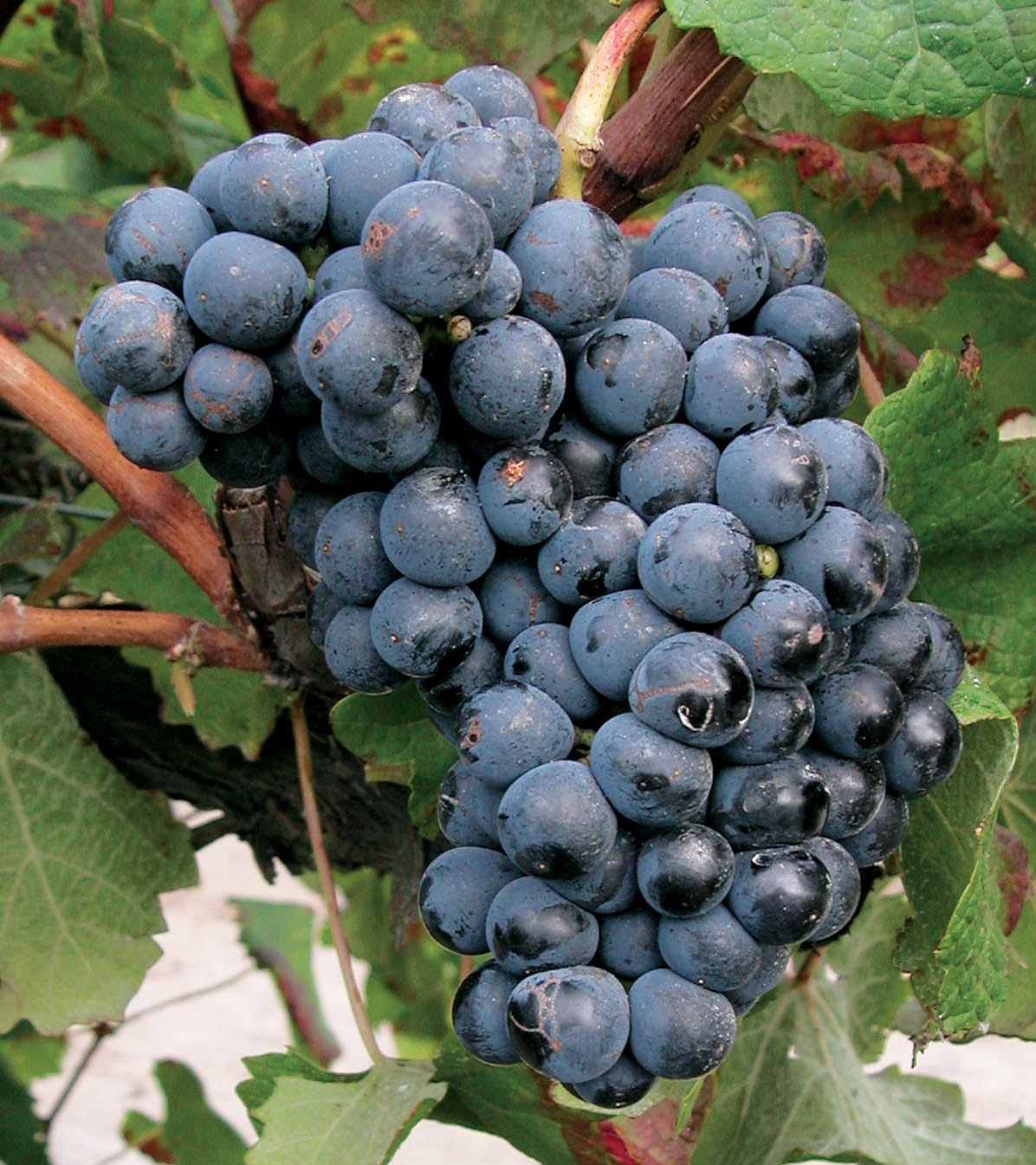
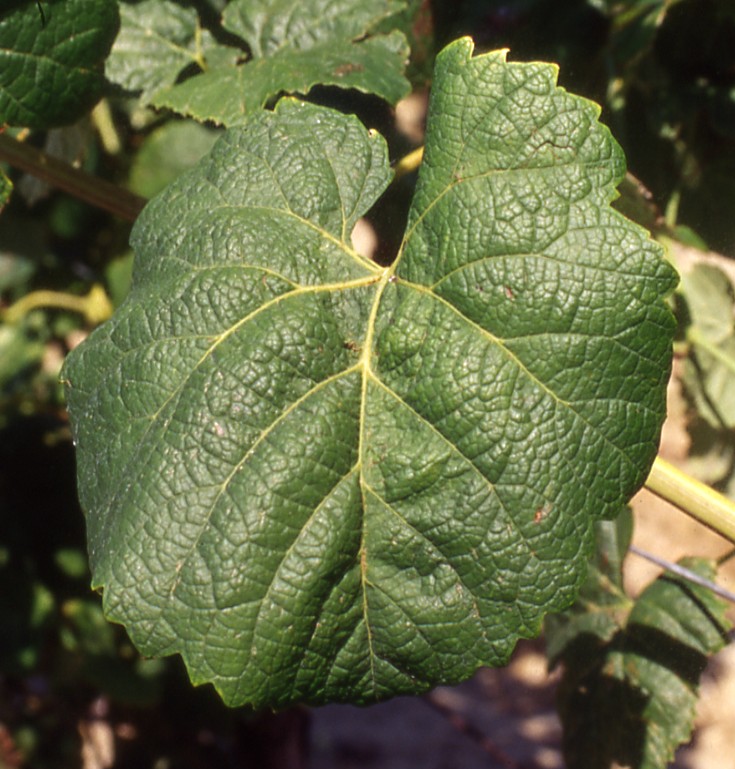
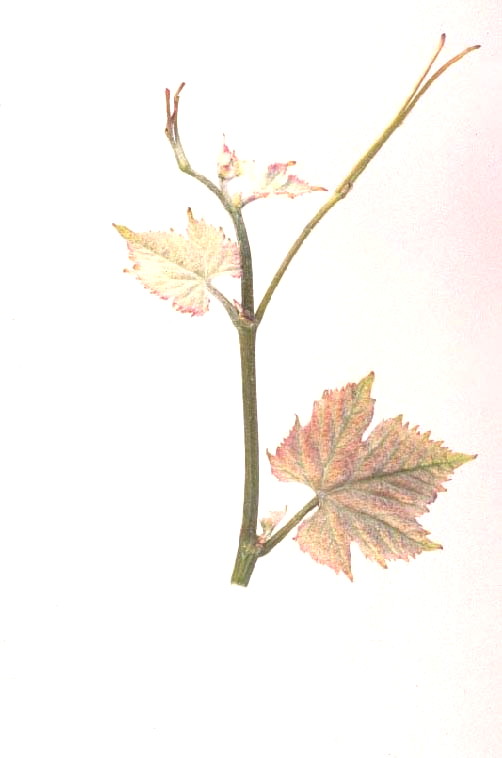
Manseng Noir, an emblematic grape variety from the Pyrenean foothills, specifically Béarn, is a prime figure in the viticultural diversity of South-West France. It belongs to the same broad family as its distant white cousins, Petit Manseng and Gros Manseng, widely renowned for their role in the region's great sweet and dry white wines. While its direct link with the Bordeaux vineyard may seem tenuous, its genetic influence is very real, shedding light on the unexpected ties that once wove together the terroirs of our region.
In historical records, traces of significant cultivation of Manseng Noir in the Gironde are rare. However, modern science has unravelled the mysteries of grape parentage. Genetic analyses have highlighted a crucial fact: Manseng Noir is one of the parents of Saint-Macaire, an ancient Bordeaux grape variety that Château Cazebonne has taken to heart to revive. Saint-Macaire was historically well established in the "palus"—the clay-sandy soils along the Garonne—as well as in parts of the Graves and Entre-Deux-Mers.
How can this connection between the Pyrenees and the Bordeaux vineyards be explained? The history of the vine is often that of the movement of people and trade. Long before modern transportation, vine cuttings travelled along waterways like the Garonne or followed the pilgrimage routes leading towards Santiago de Compostela from the Pyrenees. It was during these exchanges that natural crossings occurred, giving rise to new varieties. Manseng Noir, much like Camaraou for Cabernet Franc, thus contributed indirectly yet essentially to Bordeaux's ampelographic heritage through its progeny.
Saint-Macaire, the fruit of this ancestral union, was undoubtedly better suited to the Bordeaux climate and terroirs than its Pyrenean parent, explaining its broader local propagation. At Château Cazebonne, understanding this fascinating lineage enriches our endeavour to rediscover forgotten grape varieties. It underscores the wealth of historical connections between the vineyards of our wider region and how vital it is to preserve this unique genetic diversity.
| Characteristic | Description |
|---|---|
| Budburst | Early to mid-season, similar to Chasselas. |
| Flowering | Mid-season to late. |
| Véraison | Mid-season to late. |
| Ripening | Late-ripening, second epoch, requiring a warm, sunny late season. |
| Vigour | Moderately vigorous. |
| Growth habit | Erect. |
| Susceptibility to downy mildew | Susceptible. |
| Susceptibility to powdery mildew | Moderately susceptible. |
| Susceptibility to botrytis | Susceptible in humid late-season conditions. |
| Aromatic profile | Lightly coloured red wines, characterised by aromas of red fruit, floral notes (violet) and spicy nuances. |
| Winemaking potential | Yields light, fresh wines with low tannins, often used for blending in its native region. |
Manseng Noir, although rarely mentioned in historical Bordeaux documents, played a crucial genetic role. Its footprint in the history of Bordeaux grape varieties is primarily indirect, through descendants such as Saint-Macaire, which was once more widespread in the Bordelais. This lineage is a reminder of the importance of the exchanges and natural crossings that shaped the region's viticultural landscape long before the widespread adoption of grafting and the modern structuring of the vineyard. Studying these varieties provides a deeper understanding of Bordeaux ampelography and its evolution.
At Château Cazebonne, we are proud to cultivate Saint-Macaire and revive its history and flavours, bearing witness to these ancestral bonds. Château Cazebonne's project to replant grape varieties that had disappeared from Bordeaux for over a century is a human and viticultural journey made possible thanks to the support of the many wine enthusiasts who have embraced our wines and share this passion for our heritage. For curious and passionate wine lovers, further information is available by downloading our book "Bordeaux, a history of grape varieties", and to test your knowledge, do not hesitate to try our wine quizzes. Finally, to discover and taste our cuvées crafted from these revived varieties, we invite you to visit our online boutique.
Sources
Our suggestions
-5%on your 1st order with code BIENVENUE
The essential92/100 RVFVin de France — heritage grapes, 92/100 RVF
The pre-phylloxera Bordeaux blend, revived at the estate.
Castets, Mancin, Pardotte: the Bordeaux before Bordeaux.
I want it Our recommendation
IGP Atlantique — rare grape variety
A forgotten grape brought back: dense colour, wild fruit.
For the curious about lost grape varieties.
I want it Go further
12 bottles — the whole range
12 bottles, the whole range tasted: the best discovery-to-price ratio.
The complete tour of the estate, in a single case.
I want itThe cellar, forgotten grape varieties and our cuvées, twice a month. 5% off your first order with the code BIENVENUE.