
 The essential
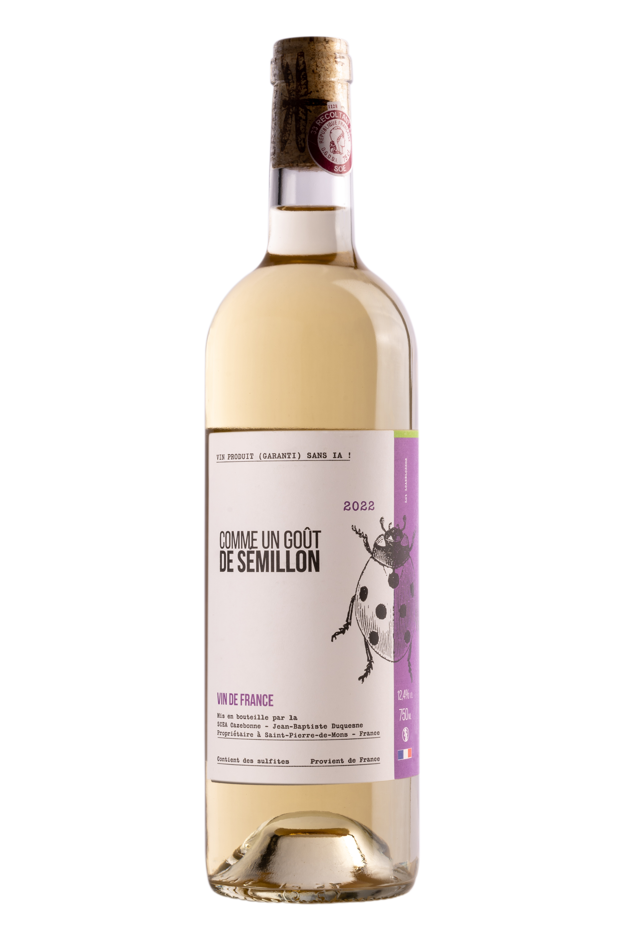
Comme un goût de Sémillon 2022
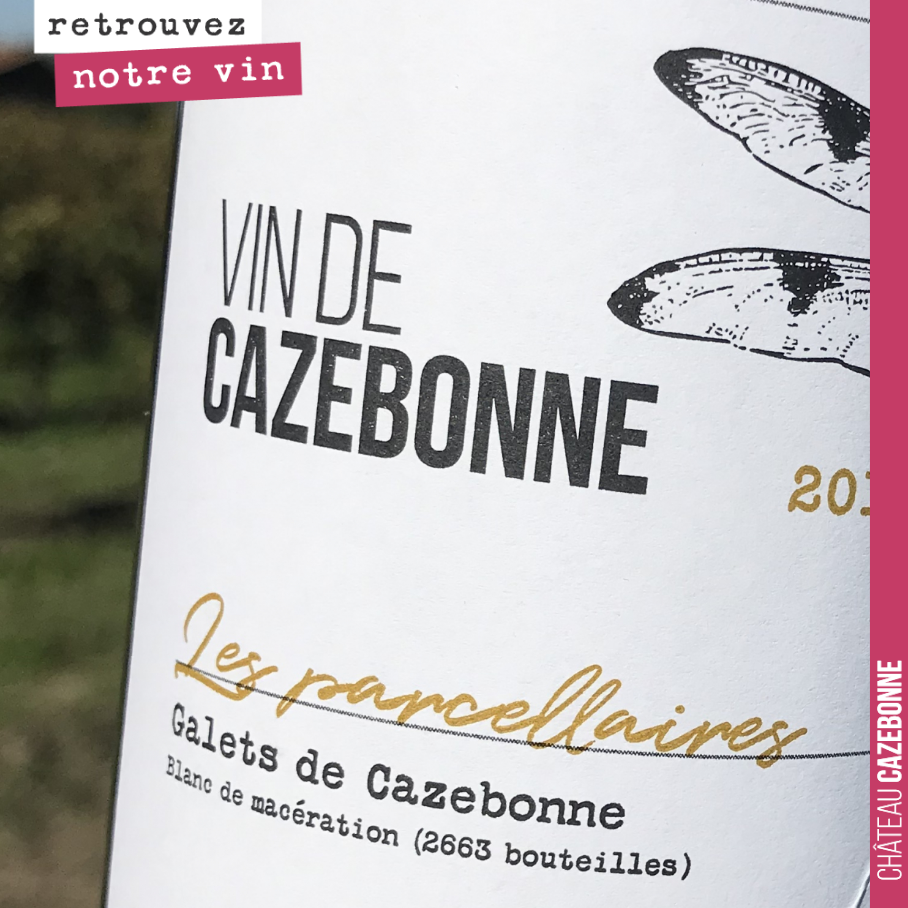
Sémillon — skin contact
Skin-contact Sémillon: the grape skin in your glass.
A characterful white for curious palates.
I want itOrange wine
Orange wine, or skin-contact wine, represents a fascinating exploration of flavours and textures. This ancestral style, rooted in millennia-old traditions, is currently enjoying an exciting resurgence of interest. The craftsmanship consists of vinifying white grapes in the same way as red grapes: the juice remains in prolonged contact with the skins, pips, and sometimes the stems of the white berries.
This contact, known as skin maceration, lasts from a few days to several months. During this period, the must extracts essential elements: the pigments that give the wine its amber, orange, or even coppery hue, but also tannins, complex aromas, and a unique structure. It is this extraction that gives orange wine its aromatic complexity, often characterised by notes of dried fruit, orange peel, honey, and spices, along with a slightly tannic texture that radically distinguishes it from traditional white wines. Orange wine can also offer a beautiful freshness, with an astonishing capacity for ageing, revealing new facets over the years.
Historically, this method originated in Georgia, where it has been practised for millennia in terracotta amphorae known as qvevris. This ancestral technique has travelled and is now experiencing a true golden age, driven by winegrowers eager to rediscover an authenticity and an expression of terroir that are often forgotten. At Château Cazebonne, we are proud to craft a vintage of orange wine in Bordeaux every year, a contemporary interpretation of this millennia-old tradition, born from our commitment to experimentation and respect for living nature.
Our approach at Cazebonne is not limited to the production of orange wines. In the spirit of Jean-Baptiste Duquesne, who so brilliantly explores the region's viticultural history in his book "Bordeaux, une histoire de cépages" published by Éditions BBD, we are also committed to reviving Bordeaux grape varieties that had disappeared. At the heart of our estate, we are replanting these ancient varieties that shaped the Bordeaux wine landscape, thereby helping to preserve a precious genetic heritage and enrich the biodiversity of our vineyard.
This work of restoration and innovation is made possible thanks to the invaluable support of the many wine lovers who have embraced our wines and share our vision. To discover our vintages, including our orange wine, you can find them for sale in the Cazebonne boutique. We also invite you to learn more about our history and our commitment by downloading the digital version of the book "Bordeaux, une histoire de cépages" by visiting our website: receive the digital version.
Orange wine, also known as skin-contact wine, is a type of wine made from white grapes but vinified using methods traditionally reserved for red wines. This means that after crushing, the berry juice ferments in prolonged contact with the skins (skin maceration), pips, and sometimes even the stems. This extended contact allows for the extraction of elements that give the wine its characteristic colour, ranging from deep gold to amber or coppery orange, as well as an aromatic complexity and tannic structure that are unprecedented for a white wine.
The prolonged maceration of white grapes serves several oenological objectives. Primarily, it enables the extraction of phenolic compounds, notably tannins, which provide structure, body, and a mouthfeel different from that of traditional white wines. This method also promotes the extraction of aromatic precursors located in the skins, thereby enriching the wine's olfactory profile with more complex notes, ranging from dried fruit and spices to tea and candied orange. Finally, the extracted tannins act as natural antioxidants, often making it possible to reduce, or even eliminate, the addition of sulphur during vinification and to improve the wine's stability and ageing potential.
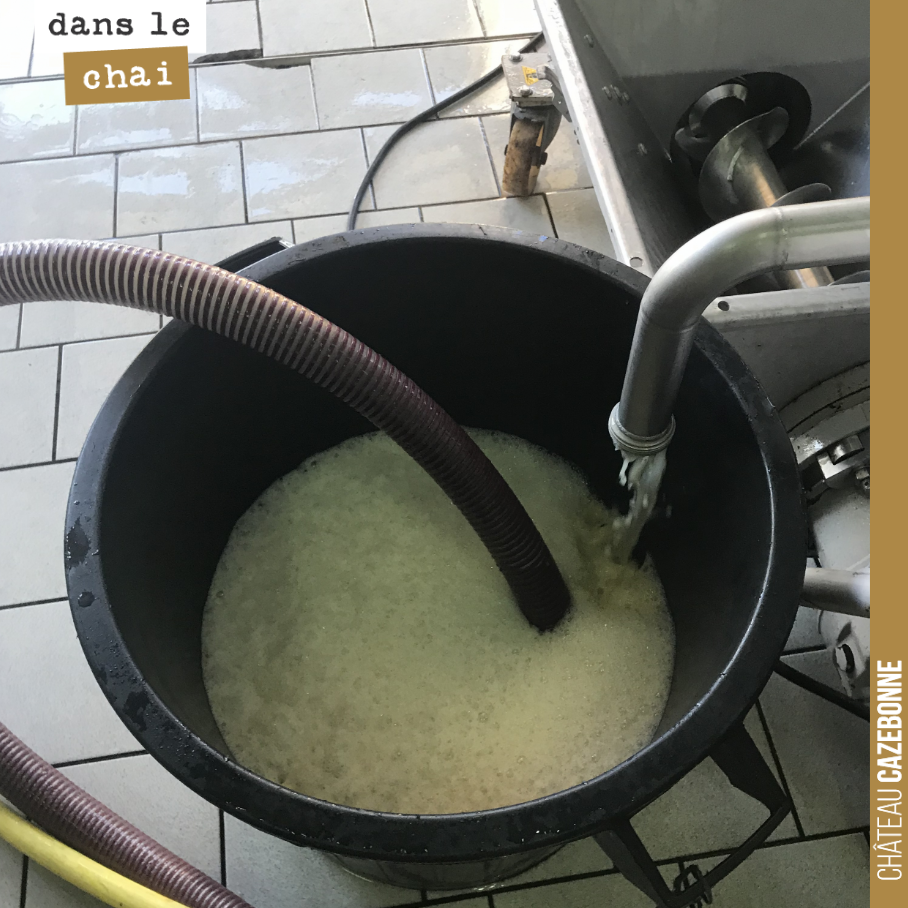
The production of orange wine fits into the usual viticultural calendar, from harvest to bottling, but with a distinct maceration stage. After the white grapes are harvested at optimal ripeness, crushing and destemming (or not) precede the transfer to vats. It is at this point that the skin maceration phase begins, which can last from a few days to several months. This period generally takes place during the alcoholic fermentation and, occasionally, during the malolactic fermentation. Ageing can then continue for several months before bottling.
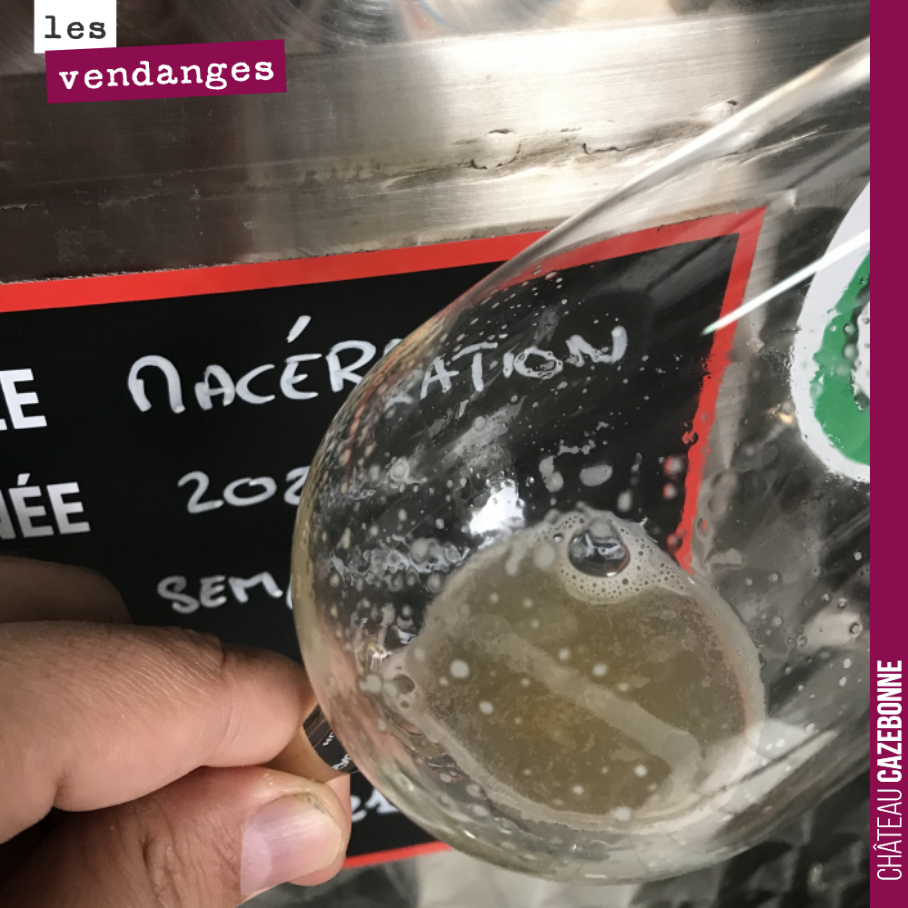
The vinification of orange wine begins with the harvesting of white grapes, such as Sauvignon Blanc or Sémillon, which may or may not be destemmed. The berries are then crushed, and the resulting must is left to macerate in contact with the skins and pips. The maceration time varies considerably depending on the desired wine style, from a few days to several weeks, or even several months. During this period, alcoholic fermentation begins naturally or is initiated by the addition of yeasts. Pumping over or punching down operations can be carried out to optimise the extraction of compounds. After maceration, the wine is pressed, then aged in vats, barrels, amphorae, or egg-shaped fermenters, before a possible light filtration and bottling. These wines are often produced with minimal intervention to preserve their natural expression.
For the production of orange wine, the equipment used can vary from the most traditional to the most modern. Historically, terracotta amphorae, such as Georgian qvevris, have been used for maceration and ageing, offering thermal inertia and natural micro-oxygenation. Today, stainless steel vats, concrete vats, or oak barrels are also used. Gentle presses, such as pneumatic presses, are preferred to avoid excessive extraction of bitter compounds. Good temperature control is essential, although many orange wines are vinified at higher temperatures than traditional white wines to encourage extraction.
At Château Cazebonne, we approach the production of orange wine as a true reinterpretation of our white Graves grape varieties. Our orange wine vintage is part of our commitment to respecting living nature and to experimentation, in accordance with the principles of biodynamic farming. We select specific parcels of Sauvignon and Sémillon that fully express the Cazebonne terroir. Maceration is conducted carefully, adapting the contact time to the characteristics of the vintage and the desired profile, in order to obtain a wine that combines the freshness of our whites with the complexity and tannic structure of traditional orange wines. This approach allows us to offer a unique and authentic expression of our vineyard, reflecting our environmental commitment and our passion for innovation, even with ancestral methods.
This work of restoration and innovation, which drives us to replant the grape varieties in Bordeaux that had disappeared, is made possible thanks to the invaluable support of the many wine lovers who have embraced our wines and share our vision. To learn more, you can download the digital version of the book "Bordeaux, une histoire de cépages" by clicking here, test your knowledge via our oenology quizzes, or discover and order our vintages, including our orange wine, in our online boutique.
Our suggestions
-5%on your 1st order with code BIENVENUE
The essentialSémillon — skin contact
Skin-contact Sémillon: the grape skin in your glass.
A characterful white for curious palates.
I want it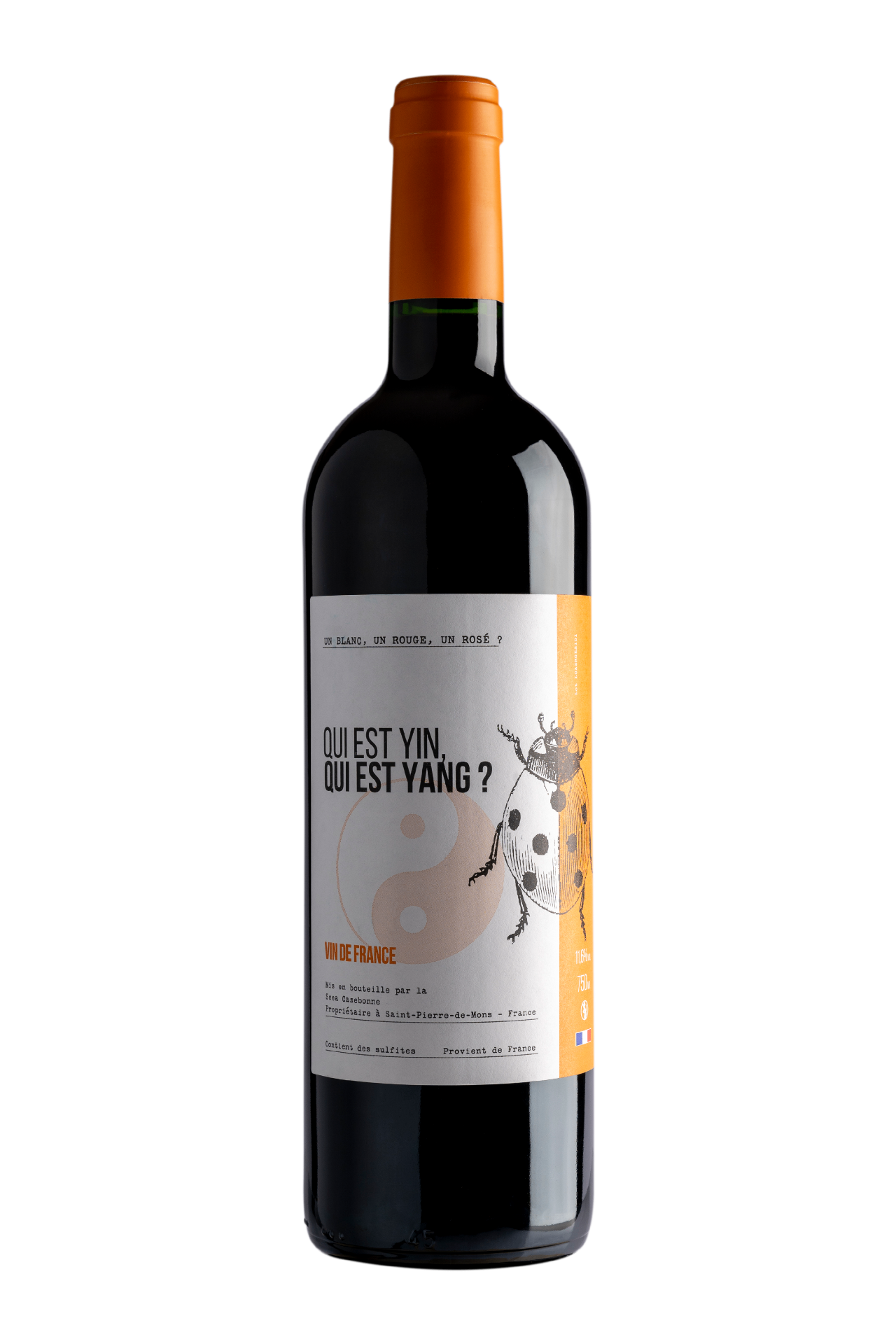 Our recommendation
Vin de France — a duo of plots
Two vinifications, one terroir: a comparative tasting in a bottle.
The wine made to be tasted side by side.
I want it Go further
12 bottles — the whole range
12 bottles, the whole range tasted: the best discovery-to-price ratio.
The complete tour of the estate, in a single case.
I want it
15 May 2022
24 September 2021

21 February 2021

04 December 2020
23 October 2020
07 September 2020

14 June 2020
The cellar, forgotten grape varieties and our cuvées, twice a month. 5% off your first order with the code BIENVENUE.