
 The essential
6 × Entre Amis red
6 bottles — Graves red 2022
The best price of the cellar: €12 per bottle delivered.
The everyday red: generous and straight to the point.
I want itRacking
Work in the cellar is a succession of meticulous steps, and racking the wine is one of the most delicate and essential. This process consists of transferring the wine from one vat to another, or to its final ageing vessel – whether oak barrels, terracotta amphorae or other containers. Far from being a simple transfer, racking is a fundamental clarification operation, allowing the clear wine to be separated from the lees and sediments that have naturally settled at the bottom of the container.
Traditionally carried out using a pump, racking is a technique that requires great expertise. The aim is to avoid excessively oxygenating the wine or disturbing the lees, in order to preserve the aromatic quality and structure of the future wine. The number of rackings and their frequency vary considerably depending on the desired profile of the wine. A young wine, intended to be fruity and lively, may undergo fewer rackings than a wine intended for ageing, which will require more thorough clarification to ensure its longevity and ageing potential.
Racking is much more than a simple transfer. Its objectives are multiple in oenology. First and foremost, it allows the removal of lees – dead yeasts, pip and skin residues – which, as they degrade, could alter the wine's aromatic profiles and cause undesirable flavours, such as sulphurous notes. This action actively participates in the clarification and stabilisation of the wine. Furthermore, it offers the opportunity for a slight, controlled aeration, promoting the evolution of tannins and the complexity of aromas, without subjecting it to excessive oxidation that would be damaging to the wine. This aeration can be more or less pronounced depending on the stage of ageing and the style of wine sought, such as during barrel ageing where contact with oxygen is regular.
The frequency of rackings depends on the nature of the wine and the winemaker's choices. Just after the alcoholic fermentation and malolactic fermentation, a first racking, known as settling ("débourbage"), is often carried out to separate the young wine from the coarsest lees. Subsequently, the rhythm can vary from a few weeks to several months. Red wines intended for ageing, for example, are frequently racked every two to three months during their ageing. White wines, particularly those that benefit from ageing on fine lees (as in bâtonnage), may be racked less often to preserve their freshness and complexity. The decision is based on regular tasting and precise analysis of the wine's evolution.
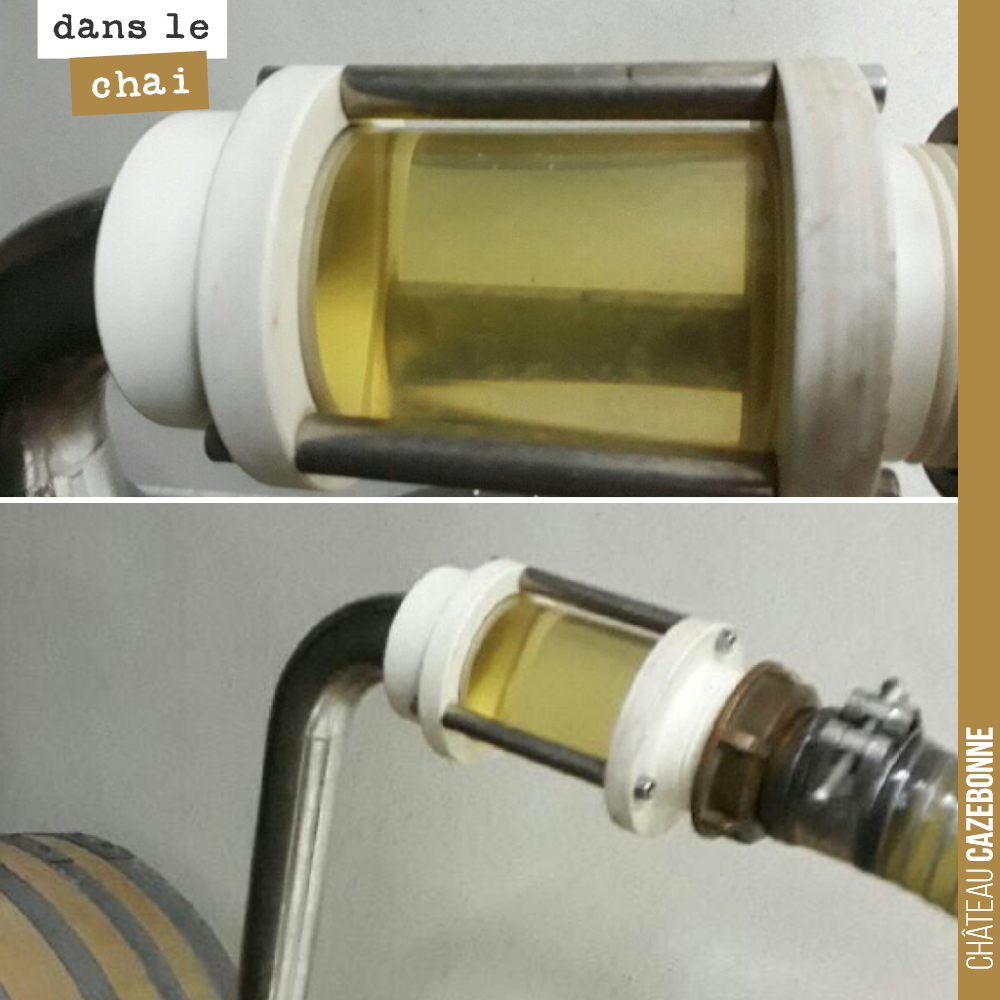
Racking is a delicate operation that requires appropriate equipment and great attention. The wine can be transferred by simple gravity, a gentle method that minimises agitation and oxygenation. In well-equipped cellars, a peristaltic pump is generally used, whose action is respectful of the wine as it avoids shearing the molecules. Transfer tubes must be of sufficient diameter for a smooth flow and must be perfectly clean and disinfected to prevent any microbial contamination. Particular attention is paid not to stir up the lees at the bottom of the vats or barrels so as not to resuspend the sediments in the clear wine.
At Château Cazebonne, we attach paramount importance to every detail of the work in the cellar, and racking is no exception. We favour a gentle and minimal approach, limiting the number of rackings to the strict minimum in order to preserve the integrity and the purest expression of our wines. Every decision is made after careful tasting and rigorous observation of the wine's evolution, allowing us to adapt our practices to each cuvée and each vintage. This philosophy is part of our commitment to biodynamic and respectful viticulture, for wines that faithfully reflect our terroir.
This pioneering work at Château Cazebonne, consisting of reviving the forgotten grape varieties of Bordeaux and producing authentic wines, is made possible thanks to the commitment and support of the many enthusiasts who have adopted our wines and share our passion. To deepen your knowledge of the Bordeaux wine heritage, from maceration to fermentation, including pumping over and the press for the harvest, we invite you to download the digital version of the book "Bordeaux, une histoire de cépages" and test your knowledge with our oenological quizzes. You can also discover our cuvées available for sale online directly from our estate.
Our suggestions
-5%on your 1st order with code BIENVENUE
The essential6 bottles — Graves red 2022
The best price of the cellar: €12 per bottle delivered.
The everyday red: generous and straight to the point.
I want it Our recommendation92/100 RVF
6 bottles — Graves red 2022, 92/100 RVF
Rated 92/100 by La Revue du vin de France: a solid 10-year ageing potential.
Our Graves for ageing, the finest gateway to the estate.
I want it Go further
12 bottles — the whole range
12 bottles, the whole range tasted: the best discovery-to-price ratio.
The complete tour of the estate, in a single case.
I want it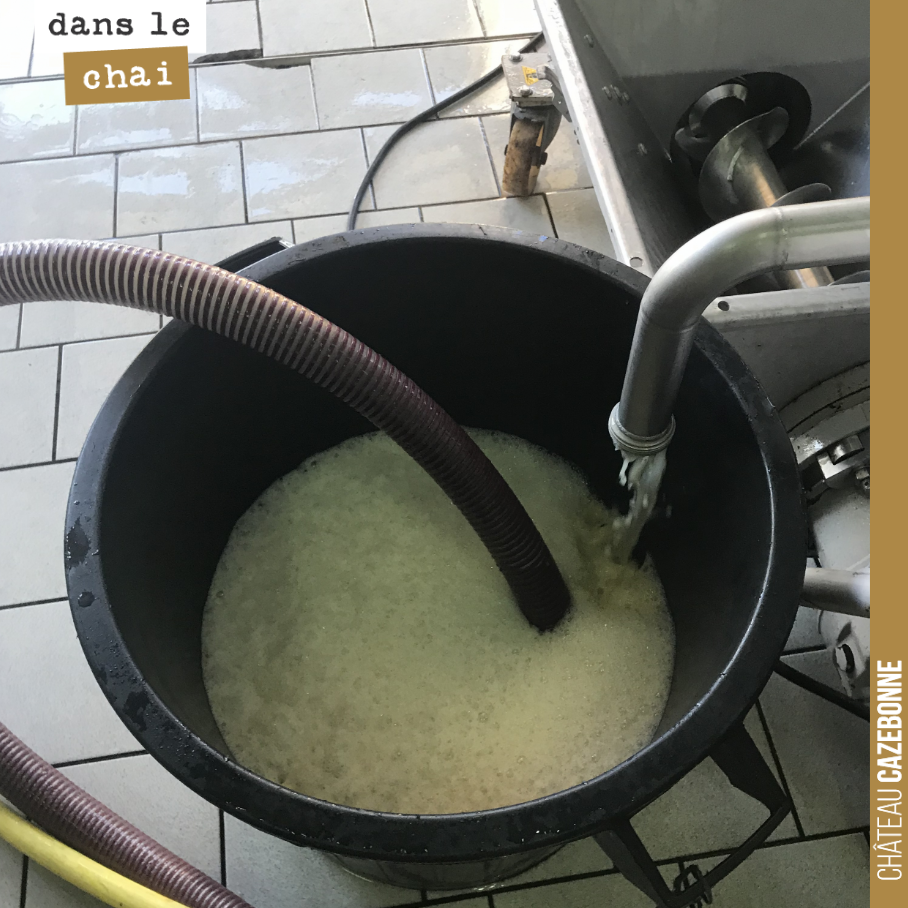
07 September 2020
06 November 2019
19 June 2018
The cellar, forgotten grape varieties and our cuvées, twice a month. 5% off your first order with the code BIENVENUE.