
 The essential
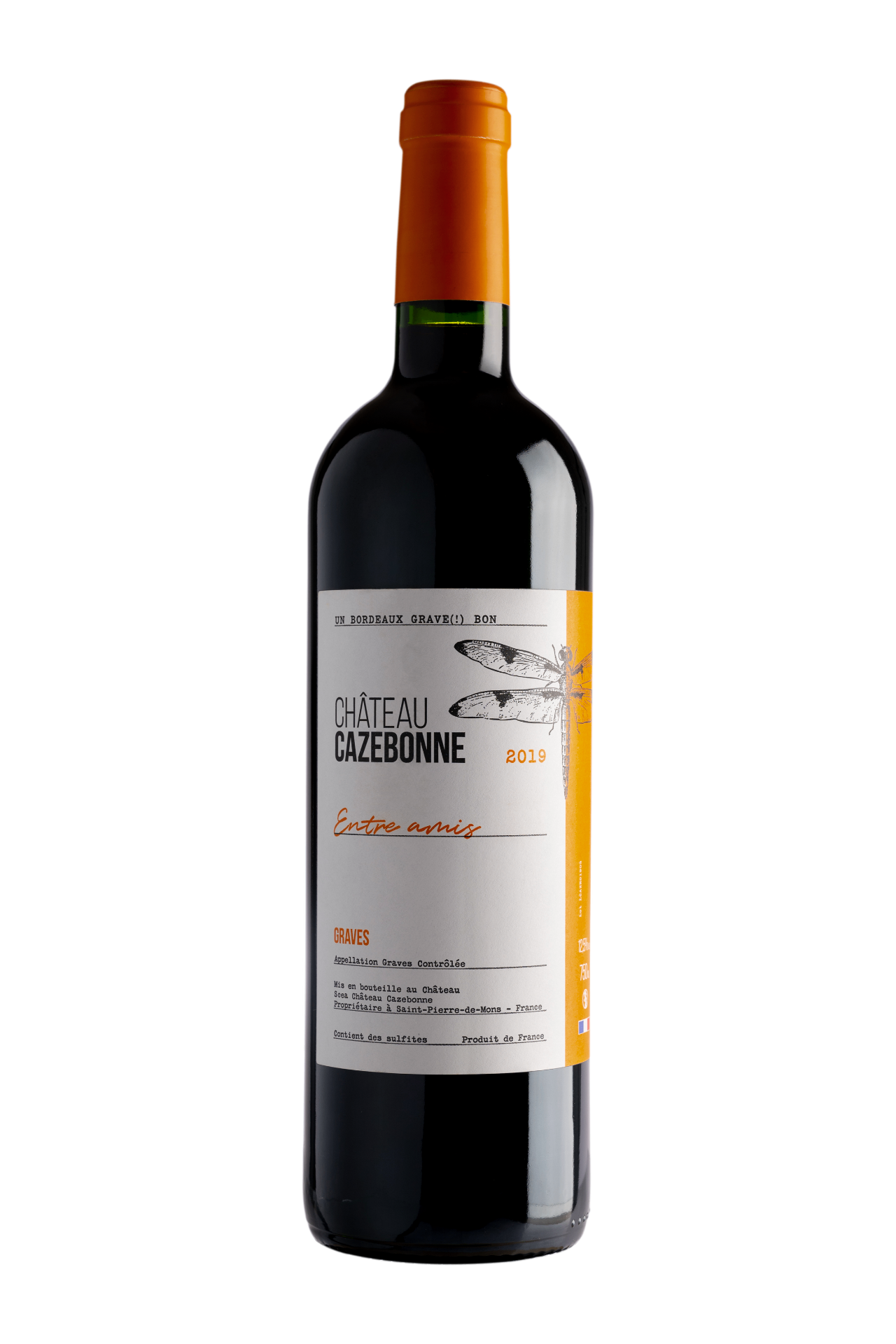
6 × Entre Amis red
6 bottles — Graves red 2022
The best price of the cellar: €12 per bottle delivered.
The everyday red: generous and straight to the point.
I want itPortrait
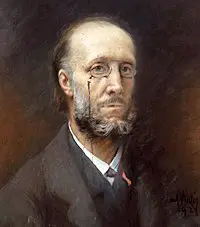
At the end of the 19th century, the French vineyard was struck in quick succession by two blights from America: phylloxera, which devours the roots of European vines, and then downy mildew, which rots leaves and grape bunches. One discreet and methodical man provided the technical solutions to both crises that would save viticulture: Pierre-Marie-Alexis Millardet (1838–1902), botanist and professor at the Faculty of Sciences in Bordeaux.
Born on 13 December 1838 in Montmirey-la-Ville, in the Jura, Millardet studied medicine and botany in Paris before continuing his training in Germany — in Heidelberg, Halle, and Freiburg — alongside the leading mycology masters of the era. Awarded his Doctor of Science degree in 1869, he taught in Strasbourg, and then in Nancy following the annexation of Alsace. In 1876, he was appointed to the Chair of Botany at the Faculty of Sciences in Bordeaux: it was there, in the heart of a dying vineyard, that he would carry out the bulk of his life's work.
As soon as he arrived in Bordeaux, Millardet tackled phylloxera. Alongside Léo Laliman, Gaston Bazille, and a few others, he championed an idea that was controversial at the time: since the aphid originated in America and American vines were resistant to it, French grape varieties had to be grafted onto American rootstocks. He dedicated more than twenty years to studying the resistance and adaptability of American species to French terroirs.
From his crossbreeding came two rootstocks that, even today, sustain French and global viticulture:
It was during this exact period that Jean Élie, estate manager at Château du Bouilh, replanted dozens of hectares with grafted vines, producing "one to two million grafts per year". Millardet himself entrusted his son Edmond with an ampelographic trial plot there: the scientist's research and the estate manager's field work converged in a very tangible way on the hillsides of Saint-André-de-Cubzac.
Barely had phylloxera been brought under control when a new pathogen took hold in the vineyard from 1878: Plasmopara viticola, or downy mildew. In 1882, in the Médoc, Millardet noted a detail that changed everything: the rows of vines bordering the pathways, brushed with a mixture of copper sulphate and lime by the estate owners to deter passers-by from eating the grapes, were the only ones that remained healthy.
From this observation, Bordeaux mixture was born in 1885: the first effective formulation, published in the Journal d'agriculture pratique. This simple and inexpensive copper-based fungicide quickly became a global standard; a century and a half later, it remains permitted in organic viticulture and is used across every continent.
Millardet published relatively little, but always after years of meticulous experimentation: Histoire des principales variétés et espèces de vignes d'origine américaine qui résistent au phylloxéra (1885), the Traité sur le mildiou et le rot (1887, with Ulysse Gayon), and numerous papers for the Académie des Sciences. He died in Bordeaux on 15 December 1902, leaving French viticulture two tools without which the vineyard as we know it simply would not exist today: grafting onto American rootstocks and Bordeaux mixture. To learn more about the sanitary challenges faced by Bordeaux vineyards, including the powdery mildew crisis in Bordeaux, explore our journal.
Even today, on our hillsides in Saint-Pierre-de-Mons, every vine is grafted onto a rootstock descended from the Millardet lineage, and every decision regarding biodynamic copper treatments traces a direct line back to his 1882 Médoc observation. Without him, neither Jean Élie's Cabernet-Malbec nor the varietal biodiversity we cultivate at Cazebonne could ever have seen the light of day.
Château de Cazebonne perpetuates the legacy of Millardet and the late 19th-century vine breeders in its own way: replanting, crossing, preserving, and passing on. We cultivate over thirty historic Bordeaux grape varieties — including the famous Cabernet-Malbec Élie — under certified biodynamic viticulture.
Château Cazebonne is committed to preserving Bordeaux's heritage grape varieties, an endeavour supported by wine enthusiasts. You can discover our wines online and support this approach by browsing our online shop. To test your knowledge, our wine quizzes are available. Finally, the book "Bordeaux, a History of Grape Varieties" is available to download to explore this subject in greater depth.
Our suggestions
-5%on your 1st order with code BIENVENUE
The essential6 bottles — Graves red 2022
The best price of the cellar: €12 per bottle delivered.
The everyday red: generous and straight to the point.
I want it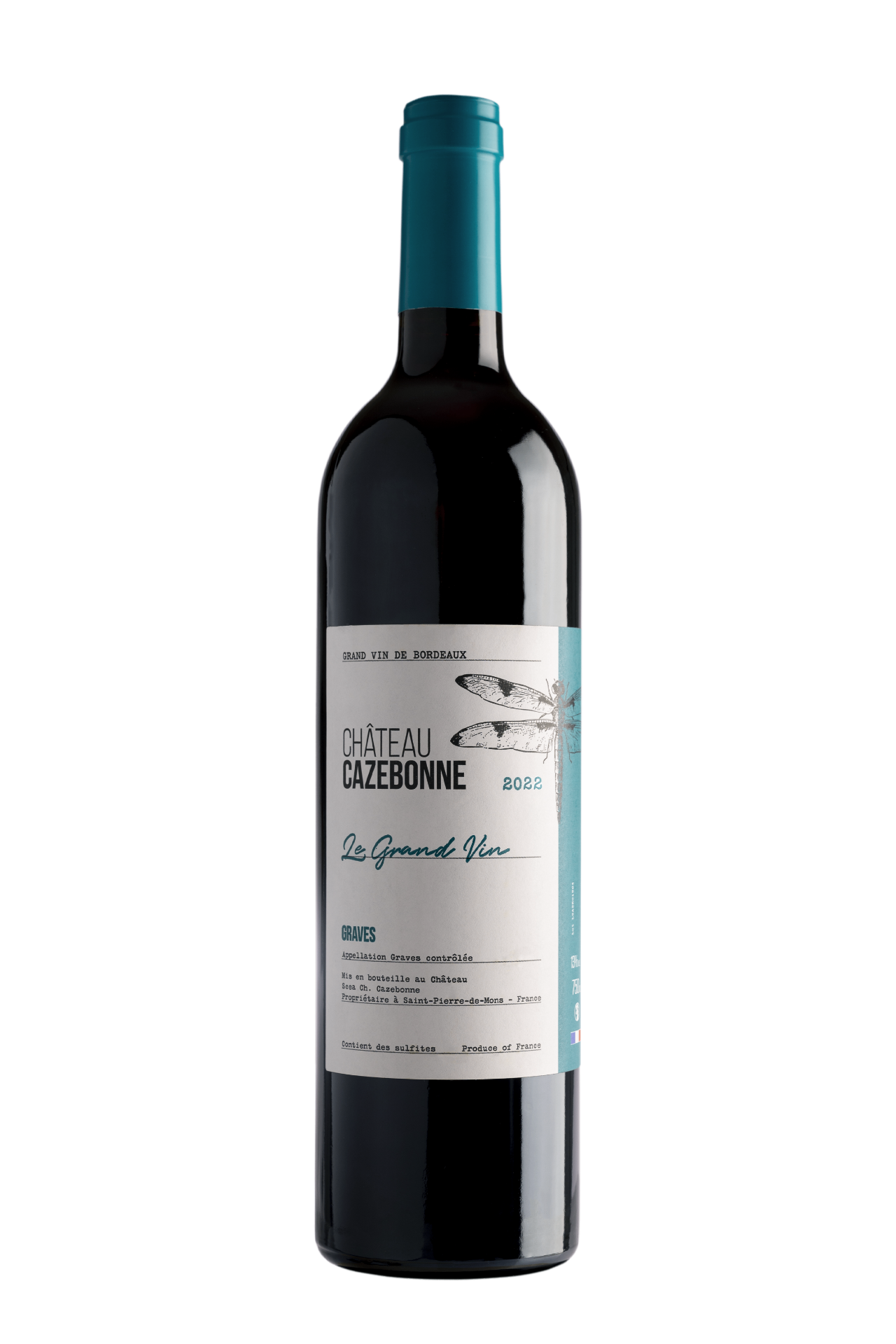 Our recommendation92/100 RVF
6 bottles — Graves red 2022, 92/100 RVF
Rated 92/100 by La Revue du vin de France: a solid 10-year ageing potential.
Our Graves for ageing, the finest gateway to the estate.
I want it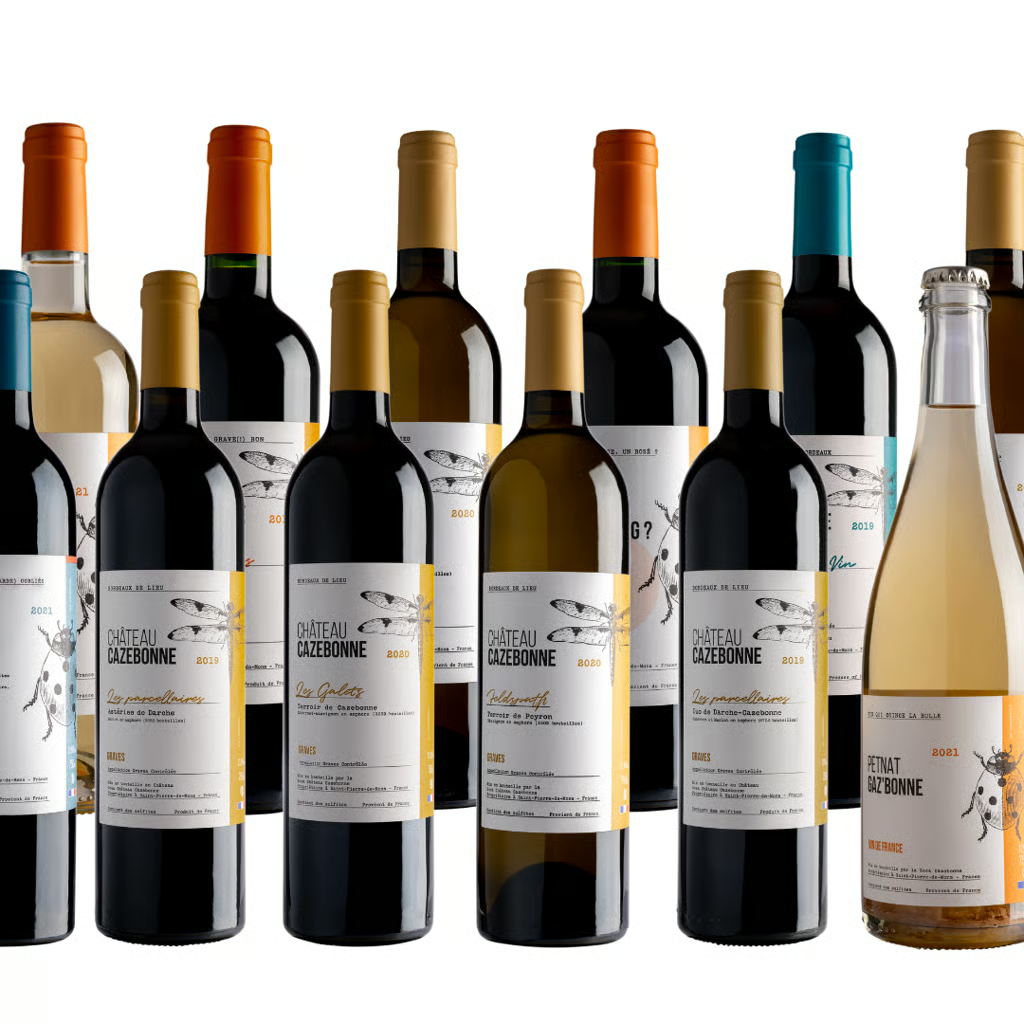 Go further
12 bottles — the whole range
12 bottles, the whole range tasted: the best discovery-to-price ratio.
The complete tour of the estate, in a single case.
I want it