
 The essential
6 × Entre Amis red
6 bottles — Graves red 2022
The best price of the cellar: €12 per bottle delivered.
The everyday red: generous and straight to the point.
I want itRoe deer
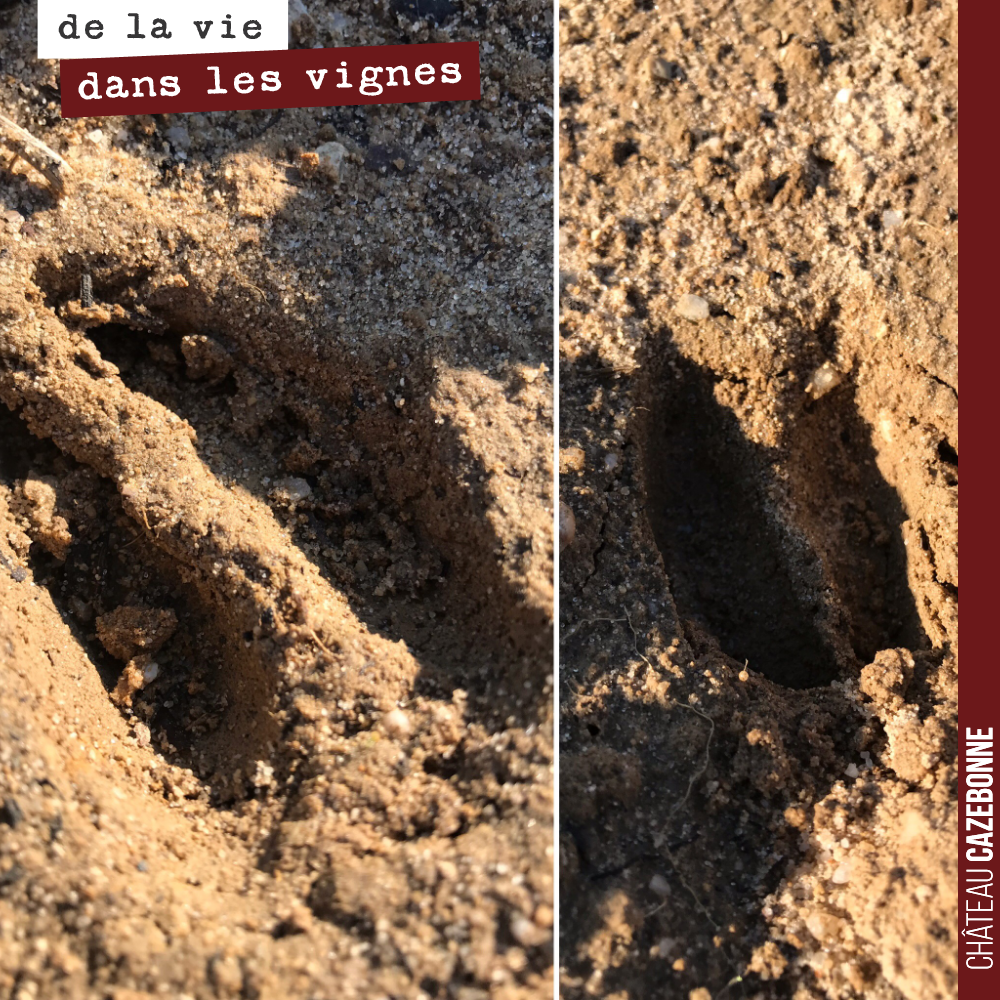
The roe deer, or Capreolus capreolus by its scientific name, is a small, agile, and graceful cervid that is a regular guest in the Bordeaux landscape, particularly on the Château Cazebonne estate. Its discreet yet constant presence bears witness to a natural balance that we strive to preserve.
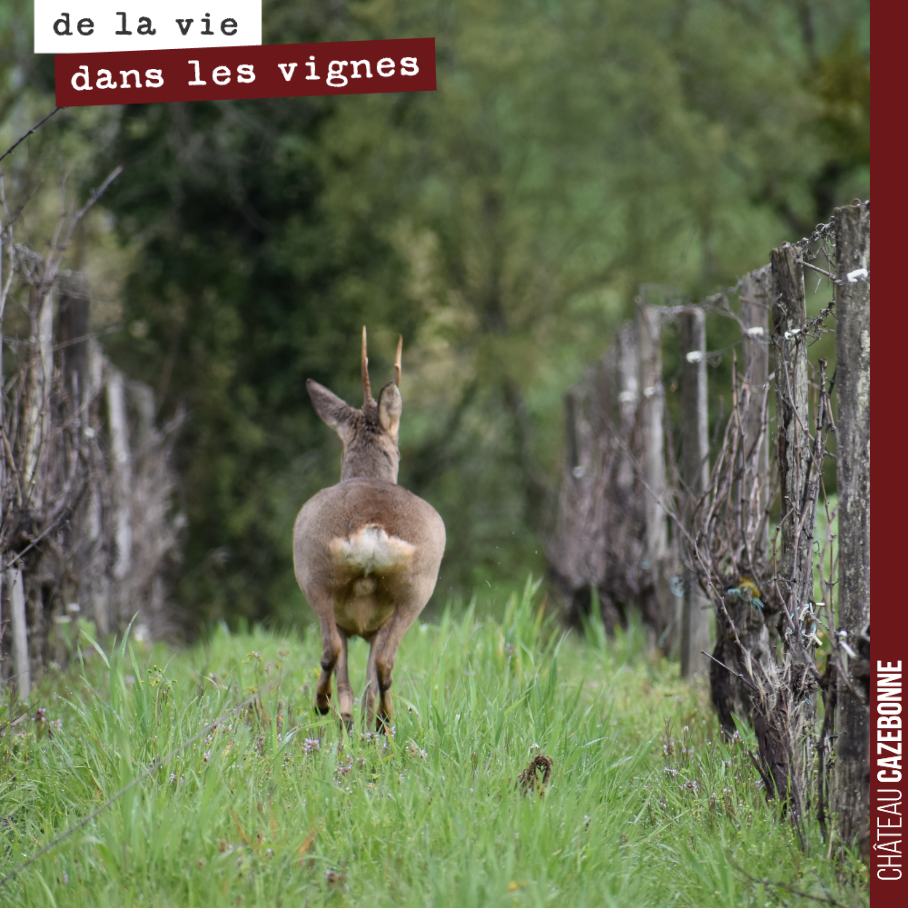
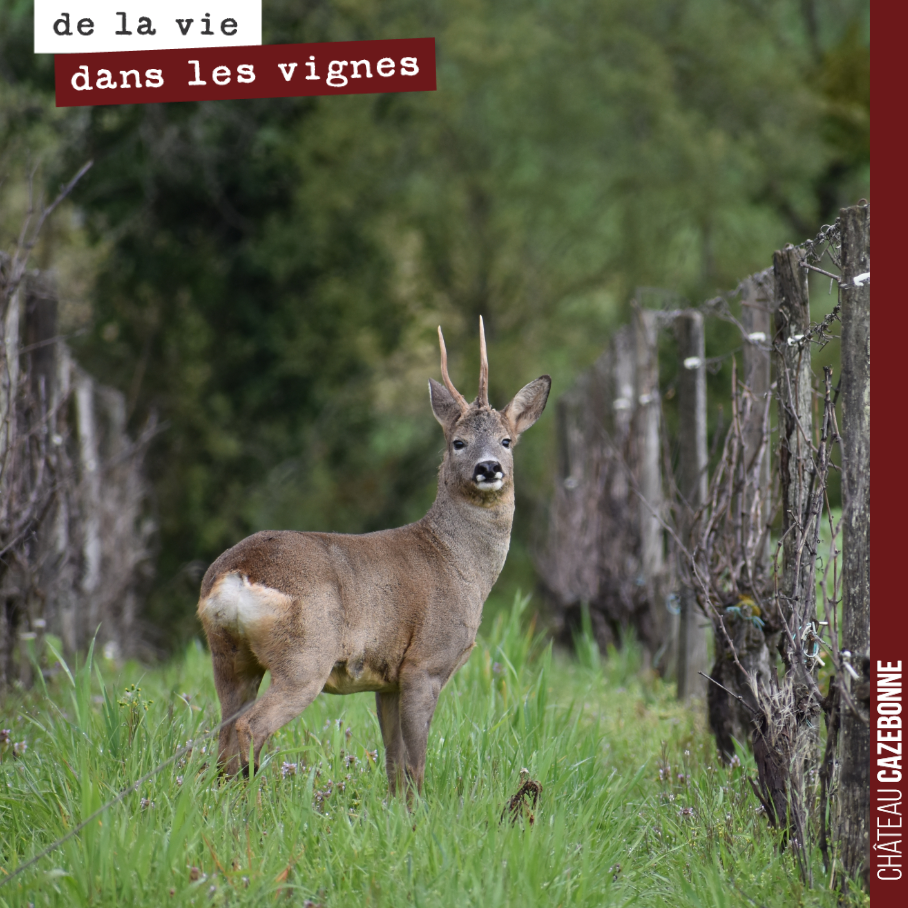
Visually, the roe deer is characterised by its reddish coat in summer, turning grey-brown in winter, and a light patch on its rump called a "mirror". Males sport short antlers, usually with three points, which they shed and regrow every year. With a shoulder height of around 65 to 75 cm and a weight varying from 15 to 30 kg, its slender silhouette allows for remarkable agility between the vine rows.
The roe deer's life cycle is intimately linked to the seasons, influencing its sightings in the vineyard. The rut takes place in the height of summer, generally in July and August. Its atypical gestation, featuring embryonic diapause, allows fawns to be born in spring, between April and June, when vegetation is abundant. Young roe deer can then be seen frolicking or hiding in the tall grass and thickets, often on the edge of the vines. In autumn and winter, roe deer are more visible, moving in small groups in search of food.
The prime spotting areas at Cazebonne are the edges of our vine parcels, the natural thickets, and the grass strips adjoining the forest. These transitional environments offer the roe deer both food and shelter, suited to its timid and solitary lifestyle, except during the breeding season or in winter. Francis, our winegrower, regularly captures these moments. It is also in these biodiversity zones that other species can be spotted, such as squirrels, or where you can hear the song of the Tit or the Blackcap.
The roe deer plays an important ecological role in our forest and agricultural ecosystems. By grazing on low vegetation, it helps regulate the undergrowth and disperse certain seeds. Its presence is an indicator of the environmental good health of the area, signifying an adequately rich and undisturbed habitat.
Regarding its interaction with the vines, it is predominantly neutral, but can occasionally be harmful. Indeed, while the roe deer feeds mainly on grasses, leaves, and young shrub shoots, it sometimes takes an interest in young vine shoots, particularly during the spring budburst, which can cause some damage. However, these incidents remain isolated and do not compromise the overall balance of biodiversity within our estate. We favour a respectful coexistence with the local wildlife. The hedges we plant and maintain also support this balance.
At Château Cazebonne, we actively observe roe deer throughout the year. Early morning or at dusk are the best times to spot them, often grazing peacefully at the edge of the rows or crossing a parcel with long bounds. Their fleeting silhouette is a reminder of the need to cultivate our land with respect for all living things. These regular sightings reflect our commitment to sustainable viticulture in harmony with nature.
Our approach is rooted in a desire to preserve this natural heritage, whilst showcasing the historic grape varieties of Bordeaux, meticulous work described in the book "Bordeaux, une histoire de cépages" by Jean-Baptiste Duquesne. By joining us on this adventure, you contribute to this quest for biodiversity by discovering our wines, which bear witness to this living land. To learn more about our history and methods, feel free to download the digital version of this book, to test your knowledge with our oenological quizzes, or to explore our vintages on our online shop.
Sources
Our suggestions
-5%on your 1st order with code BIENVENUE
The essential6 bottles — Graves red 2022
The best price of the cellar: €12 per bottle delivered.
The everyday red: generous and straight to the point.
I want it Our recommendation92/100 RVF
6 bottles — Graves red 2022, 92/100 RVF
Rated 92/100 by La Revue du vin de France: a solid 10-year ageing potential.
Our Graves for ageing, the finest gateway to the estate.
I want it Go further
12 bottles — the whole range
12 bottles, the whole range tasted: the best discovery-to-price ratio.
The complete tour of the estate, in a single case.
I want it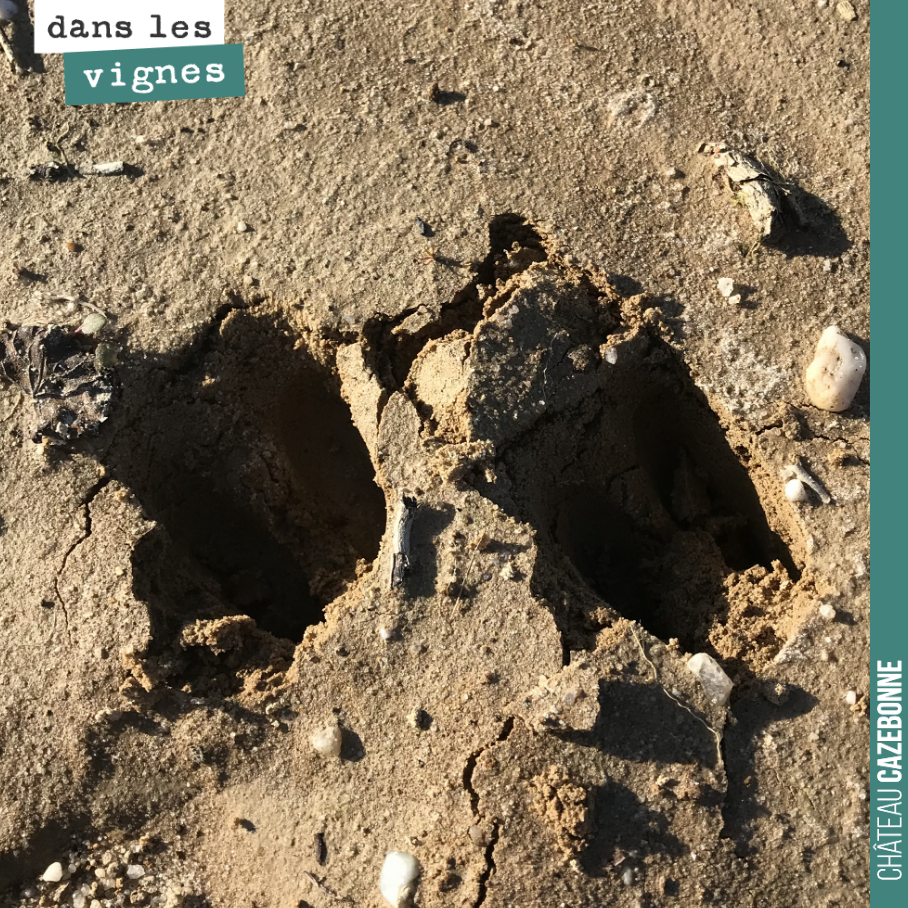
01 January 2020
03 April 2019
16 March 2019
28 October 2018
The cellar, forgotten grape varieties and our cuvées, twice a month. 5% off your first order with the code BIENVENUE.