
 The essential
6 × Entre Amis red
6 bottles — Graves red 2022
The best price of the cellar: €12 per bottle delivered.
The everyday red: generous and straight to the point.
I want itSorting table
At Château Cazebonne, the quality of our wines is a relentless quest that begins long before the complex winemaking processes. As soon as they arrive at the winery after harvest, our grapes undergo rigorous selection—a fundamental step that guarantees the excellence of our future cuvées. The sorting table is the stage for this initial alchemy, a crucial moment where expert eyes and meticulous hands unite to keep only the finest of the vintage.
On this table, every bunch is inspected with the utmost care. We carefully discard any berry that fails to meet our exacting standards: those showing signs of damage, rot, or that have not reached optimal ripeness. This painstaking approach ensures perfect homogeneity across the harvest. It is essential for preventing unwanted off-flavours and guaranteeing the aromatic purity of our wines. It is here, before the grapes even enter the vats, that the wine's personality takes shape, preserving the future balance between fruit, freshness, and tannic structure.
This step is particularly significant for Château Cazebonne, dedicated to showcasing the forgotten grape varieties of Bordeaux. Precise sorting is even more vital for these varieties, which can sometimes be more fragile or display distinct ripening cycles. As Jean-Baptiste Duquesne explains in "Bordeaux, une histoire de cépages", varietal diversity is an invaluable treasure, and every single berry of these historic varieties is precious. The care taken during sorting helps unlock their full potential and reveal the uniqueness of their identity—a singularity we strive to bring back into the spotlight.
This meticulous work at the sorting table, at the heart of our winemaking process, reflects our philosophy: a great wine is the result of a succession of precise, respectful choices. This commitment enables us to revive almost-forgotten grape varieties in Bordeaux, enriching the aromatic palette of our cuvées. This endeavour bridging past and future is made possible thanks to the unwavering support of the many wine enthusiasts who have embraced our wines and share our vision. Looking to discover our cuvées and support our journey? You can find them for sale on the Cazebonne online shop. To delve deeper into the subject of Bordeaux grape varieties, discover the book "Bordeaux, une histoire de cépages" by Jean-Baptiste Duquesne, published by Éditions BBD. You can receive the digital edition by email by visiting our website.
The sorting table symbolises a crucial step in crafting quality wines, whether produced through organic viticulture, biodynamics, or more conventional practices. This process involves manually or mechanically separating healthy, ripe berries from unwanted elements in the harvest. It typically takes place at the winery intake, after harvesting, whether grapes are hand-picked or machine-harvested.
The primary objective of the sorting table is to ensure the sanitary purity and quality of the harvest. By eliminating unripe, botrytised, or dried-out grapes, along with leaves, stalks, and other debris, it prevents the introduction of green, herbaceous, or bitter notes, as well as rot-related faults. This meticulous selection promotes healthy fermentation and contributes to the balance and aromatic expression of the future red and white wines. It is an essential practice for precise, controlled vinification.
Grape sorting takes place upon harvest reception, just before destemming and crushing. Its importance is particularly heightened in challenging vintages marked by uneven weather conditions (hail, rain during veraison and ripening) that can cause uneven ripeness within the same plot or encourage rot development. Careful sorting can thus save the quality of the vintage.
Manual sorting is carried out on a vibrating table, where berries are spread in a thin layer allowing cellar hands to inspect each bunch. Imperfections are removed by hand, ensuring maximum precision. This is the most labour-intensive method, generally reserved for high-end productions or historic grape varieties requiring dedicated attention.
Technological advances have introduced optical sorting, where high-speed cameras analyse the size, shape, and colour of each berry. An air-jet system or ultra-fast ejectors then remove non-compliant elements. This technique offers speed and sorting consistency, proving particularly effective for large volumes.
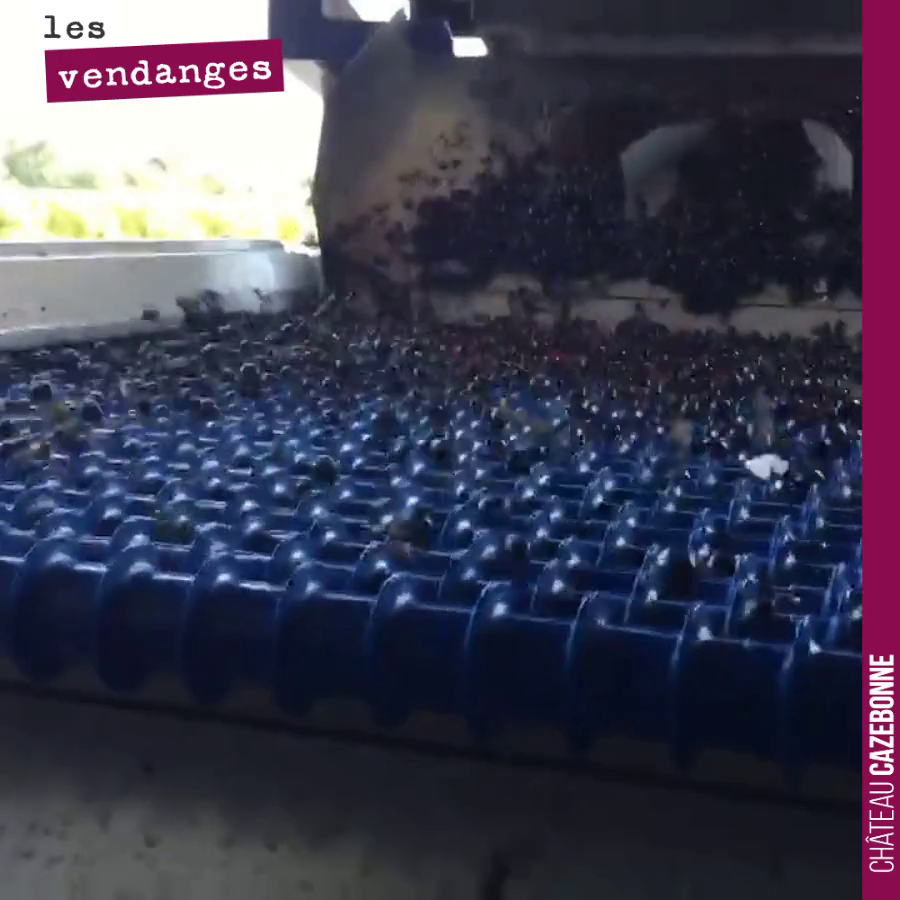
Beyond vibrating tables, sorting equipment has evolved considerably. Mechanical sorters, equipped with perforated rollers, separate berries from stalks and small debris. Densimetric sorters use water baths to separate berries according to density, as ripe grapes have a higher density. Continuously improving, this equipment allows winemakers to reach ever-higher standards of quality, maximising the potential of every vine cluster.
Sorting has become an almost universal practice across modern viticulture, regardless of winemaking philosophy. In both biodynamic and organic viticulture, respecting the fruit and terroir is paramount, which can require even stricter sorting to prevent any defect from entering the vats. Winemakers may choose between a highly selective approach, at times demanding in time and resources, or lighter sorting when the intrinsic quality of the grapes is already immaculate.
At Château Cazebonne, the sorting table is a cornerstone of our quality-driven approach. We prioritise meticulous hand-sorting, complemented by state-of-the-art technology when necessary, to ensure only the finest berries make it into our vats. This is one of the foundational steps that allows us to express the distinct character of our rare, ancestral grape varieties and reveal the full aromatic complexity of our Graves terroirs. This attentive care at every stage, from planting young vines to bottling, is our promise of excellence—an excellence found in every bottle we produce. Discover also the importance of the wine press during harvest, another crucial stage of our work.
Château Cazebonne's mission to revive lost Bordeaux grape varieties is an exciting adventure, made possible thanks to the precious support of wine lovers who enjoy our single-variety and heritage wines. For those passionate about viticultural history, feel free to download our book on the history of Bordeaux grape varieties, or test your knowledge with our wine quizzes. And to explore our full range and support our project, visit our online shop.
Sources
Our suggestions
-5%on your 1st order with code BIENVENUE
The essential6 bottles — Graves red 2022
The best price of the cellar: €12 per bottle delivered.
The everyday red: generous and straight to the point.
I want it Our recommendation92/100 RVF
6 bottles — Graves red 2022, 92/100 RVF
Rated 92/100 by La Revue du vin de France: a solid 10-year ageing potential.
Our Graves for ageing, the finest gateway to the estate.
I want it Go further
12 bottles — the whole range
12 bottles, the whole range tasted: the best discovery-to-price ratio.
The complete tour of the estate, in a single case.
I want it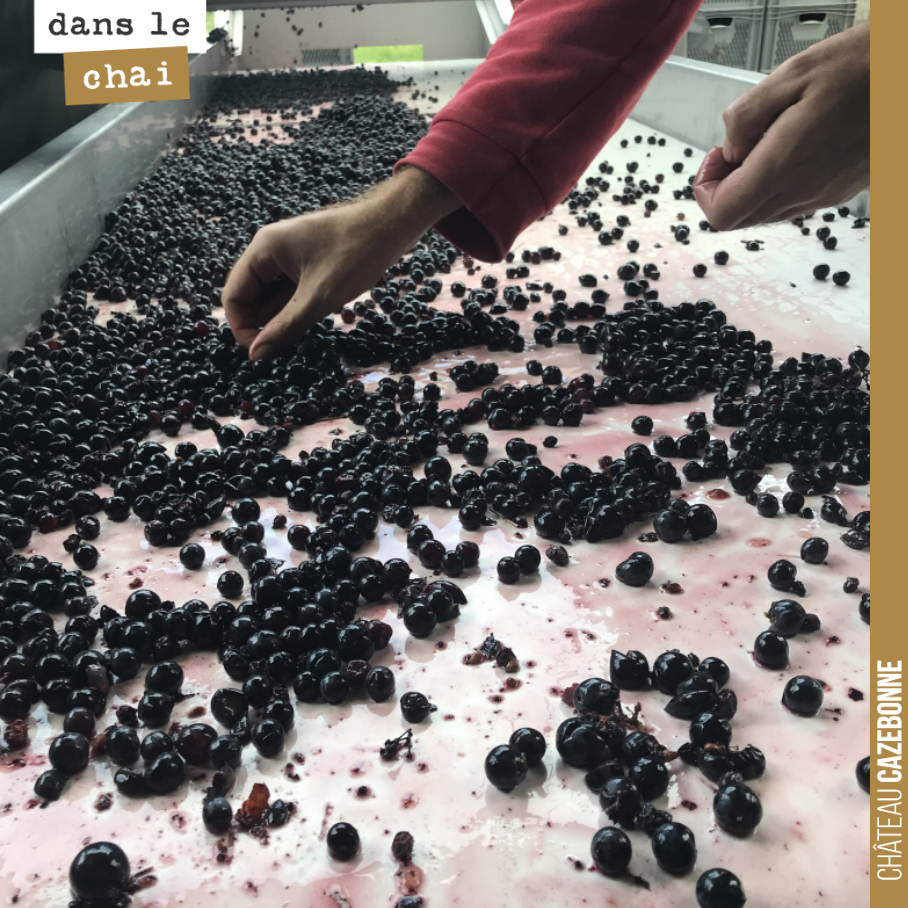
06 October 2021
17 September 2020
17 September 2020
The cellar, forgotten grape varieties and our cuvées, twice a month. 5% off your first order with the code BIENVENUE.