
 The essential92/100 RVF
Comme en 1900 red 2022
Vin de France — heritage grapes, 92/100 RVF
The pre-phylloxera Bordeaux blend, revived at the estate.
Castets, Mancin, Pardotte: the Bordeaux before Bordeaux.
I want itClairette
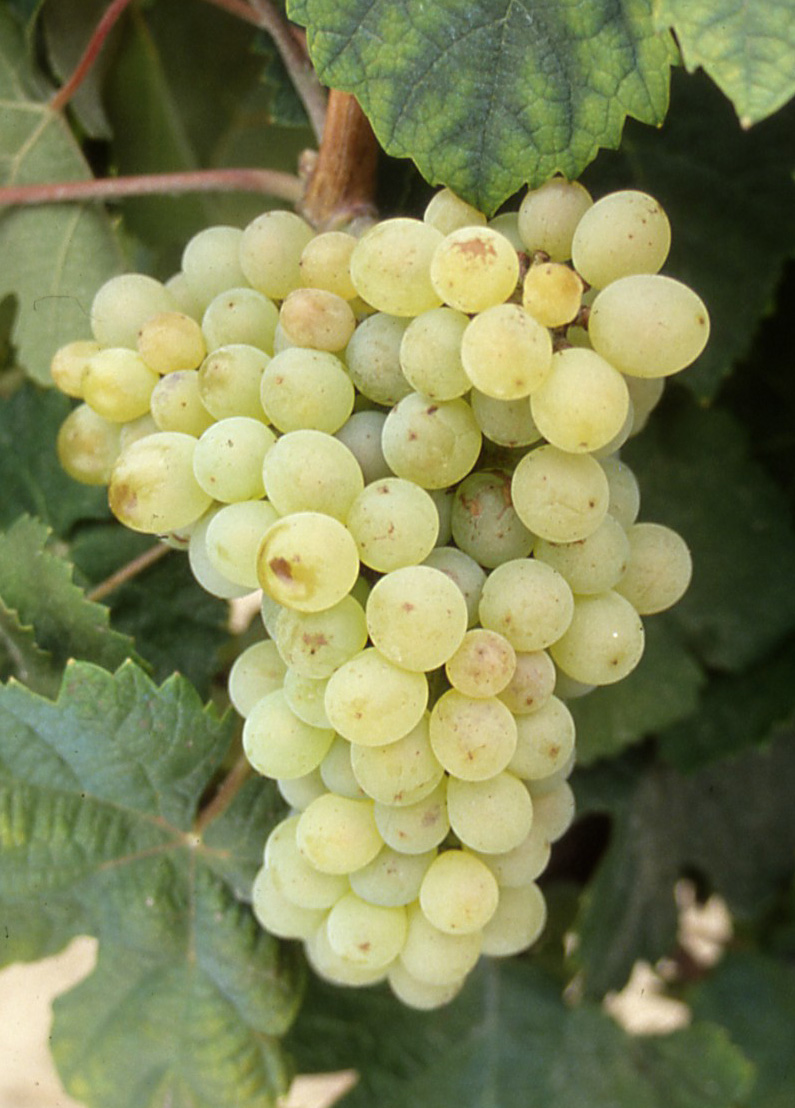
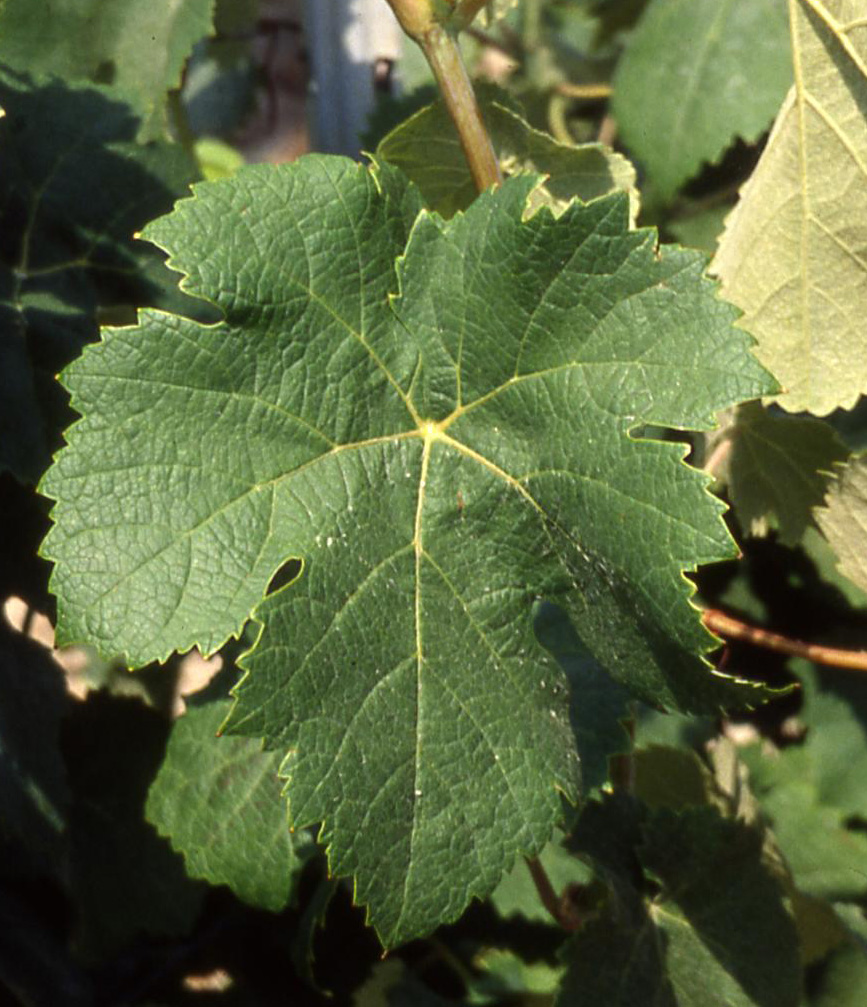
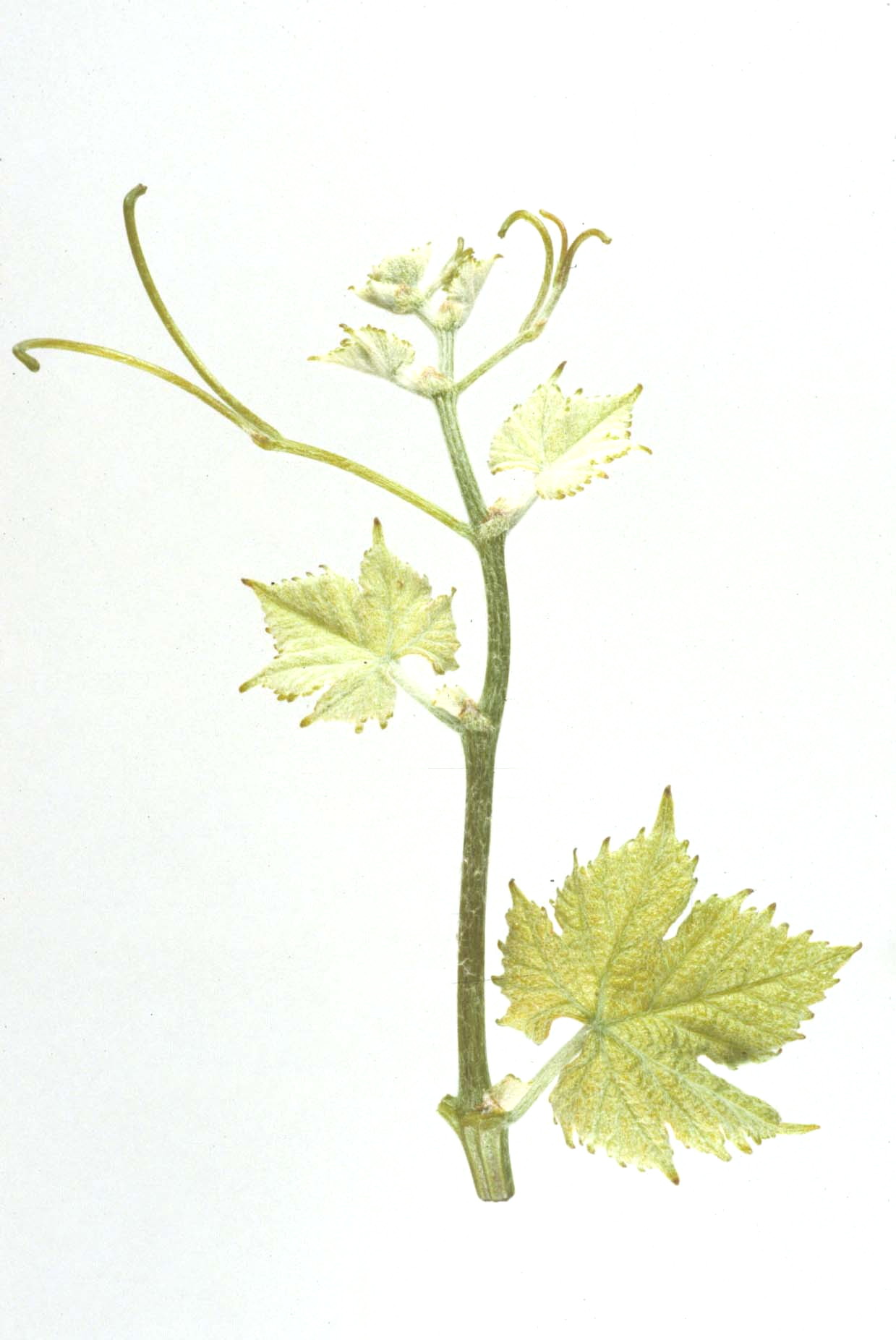
At the heart of our initiative to restore Bordeaux's forgotten grape varieties, Clairette holds a special place. Often confused locally, it was improperly called Malvoisie in the Gironde, reflecting a certain ampelographic confusion over the centuries. Yet its true identity is much more distinct: it was known as Muscade in Loupiac or Colle-Musquette in Sainte-Croix-du-Mont—names that attest to its long-standing presence and adaptation to the Graves terroirs from which it originates. Historical traces of its cultivation have also been identified in Barsac, confirming its deep roots in the region's viticultural history.
In his book Bordeaux, une histoire de cépages, Jean-Baptiste Duquesne emphasizes the importance of studying Bordeaux's lost grape varieties to understand how the vineyard has evolved. Although Clairette was less documented in the 19th century than other varieties, it reappeared on the secondary grape lists for the Bordeaux appellation in 1935. This post-phylloxera resurgence bears witness to the resilience of the Bordeaux vineyard and the determination of winemakers to preserve genetic diversity. Its historical presence in Bordeaux wines, including those of the Graves, demonstrates its adaptation to the terroir and its potential to produce high-quality white wines.
| Characteristic | Description |
|---|---|
| Budburst | Late |
| Flowering | Late (4 days after Chasselas) |
| Véraison | Mid-season (early August) |
| Ripening | Late-ripening / 3rd epoch (third week of September) |
| Vigour | Medium to high |
| Growth habit | Semi-erect |
| Downy mildew susceptibility | Moderately susceptible |
| Powdery mildew susceptibility | Fairly susceptible |
| Botrytis bunch rot susceptibility | Fairly susceptible (when bunches are compact) |
| Black rot susceptibility | Moderately susceptible |
| Aromatic profile | White-fleshed fruit, white flowers, musky notes, aniseed, dried fruit |
| Winemaking potential | Relatively high-alcohol, round wines with low acidity, capable of developing engaging complexity. Ideal for sweet and botrytised wines (moelleux and liquoreux). |
Clairette is a late-budding grape variety, which protects it from spring frosts. Its late-ripening nature gives it a long vegetative cycle, allowing its aromatic compounds to develop fully. Renowned for producing relatively high-alcohol wines, it brings roundness and an enveloping texture to the palate. Its acidity, generally moderate, provides a gentle, delicate balance without harshness, allowing the full complexity of its organoleptic character to shine through. It is also well known for its role in crafting naturally sparkling wines (pétillants naturels).
This commitment to reintroducing and celebrating heritage grape varieties like Clairette lies at the very core of Château Cazebonne's philosophy. It is only possible thanks to the invaluable support of the many wine lovers who have embraced our wines and share our passion for rediscovering Bordeaux’s viticultural heritage. If you would like to explore further, we invite you to download our book Bordeaux, une histoire de cépages, test your knowledge with our wine quizzes, or discover our cuvées made from these rediscovered varieties. You can also read our article dedicated to the Monbadon grape variety.
Sources
Our suggestions
-5%on your 1st order with code BIENVENUE
The essential92/100 RVFVin de France — heritage grapes, 92/100 RVF
The pre-phylloxera Bordeaux blend, revived at the estate.
Castets, Mancin, Pardotte: the Bordeaux before Bordeaux.
I want it Our recommendation
IGP Atlantique — rare grape variety
A forgotten grape brought back: dense colour, wild fruit.
For the curious about lost grape varieties.
I want it Go further
12 bottles — the whole range
12 bottles, the whole range tasted: the best discovery-to-price ratio.
The complete tour of the estate, in a single case.
I want itThe cellar, forgotten grape varieties and our cuvées, twice a month. 5% off your first order with the code BIENVENUE.