
 The essential92/100 RVF
Comme en 1900 red 2022
Vin de France — heritage grapes, 92/100 RVF
The pre-phylloxera Bordeaux blend, revived at the estate.
Castets, Mancin, Pardotte: the Bordeaux before Bordeaux.
I want itBaroque
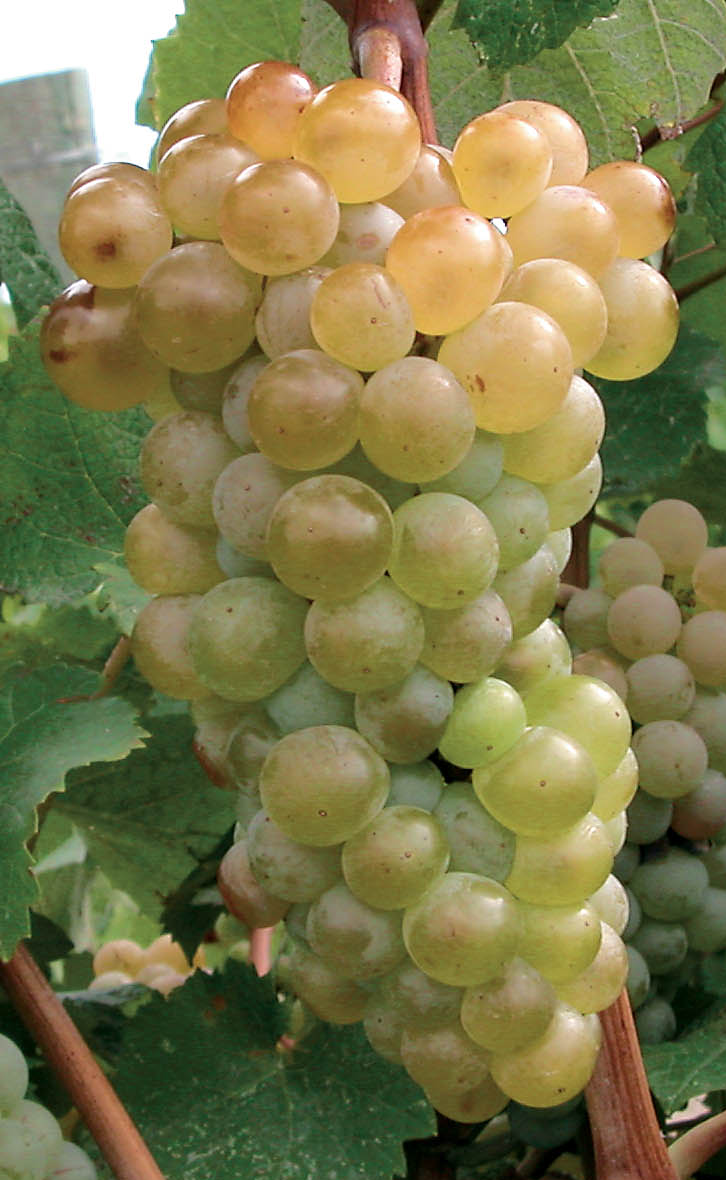
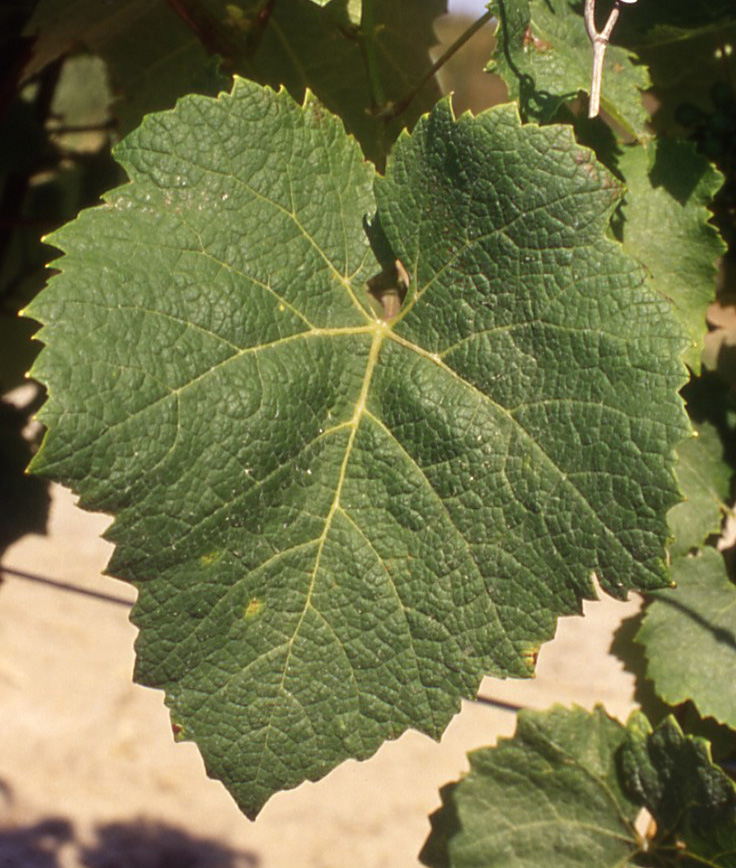
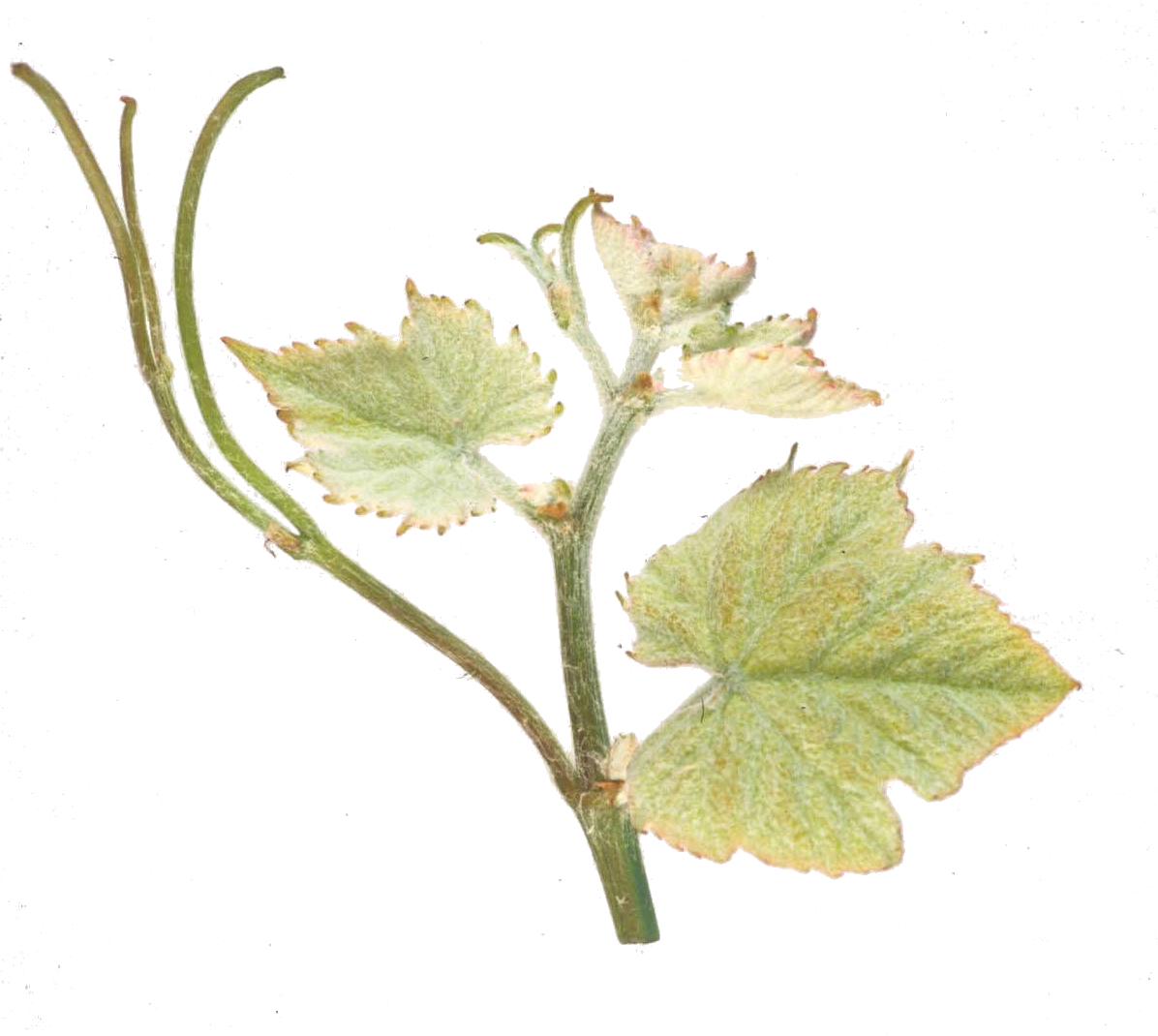
At the heart of our initiative to rediscover Bordeaux's forgotten grape varieties, Baroque holds a special place. This white grape variety, also evocatively known as "Plant Bordelais", has deep roots in the Gironde. According to the research of ampelographer Pierre Galet, it originated in Lesparre, bearing witness to its historical ties with our terroir. Levadoux, another specialist, confirms this lineage and adds that Baroque was sometimes confused with Muscadelle de Nantes in the Ruch area of Entre-Deux-Mers, illustrating the richness and occasional complexity of identifying forgotten grape varieties.
The history of Baroque is also marked by its ability to adapt and thrive in challenging conditions. It notably spread significantly in the Landes following the devastating powdery mildew crisis in the 19th century. This expansion was due to its remarkable resistance to this fungal disease, an invaluable quality at a time when viticulture was particularly vulnerable. This robustness is a characteristic we value greatly at Château Cazebonne, as it reflects the resilience and ingenuity of yesterday's winegrowers.
| Characteristic | Description |
|---|---|
| Budburst | Late, protecting it from spring frosts. |
| Vigour | Vigorous |
| Ripening | Late (third epoch according to Viala and Vermorel). |
| Powdery mildew susceptibility | Remarkable resistance. |
| Botrytis susceptibility | Relatively resistant to grey rot. Very low susceptibility to noble rot. |
| Aromatic profile | Aromatic white wines with good weight and roundness, often comparable to Sauvignon with fresh, expressive notes. |
| Winemaking potential | Good natural alcohol level. Potential for rich and complex wines. |
Baroque is a rustic and vigorous variety that was rarely grafted onto American rootstocks after phylloxera, which partly explains its decline. Yet, around 1850, it accounted for 25% of the white vineyard area in what is today the Premières Côtes. It breaks bud late, but quickly catches up with the growth of other varieties. It is best planted in warm, dry soils. Yields can be generous.
This work of remembrance and perseverance is made possible thanks to the support of the many wine lovers who have embraced our wines and share our passion for rediscovering our viticultural heritage. To delve deeper into this fascinating history, we invite you to download our book "Bordeaux, une histoire de cépages", test your knowledge with our wine quizzes, or discover our cuvées crafted from these rediscovered grape varieties by visiting our online shop. To learn more about The Blanc Auba grape variety, The Béquignol Blanc grape variety, The Béquignol Gris grape variety, The Clairette grape variety, the Melon grape variety, or The Prueras grape variety, you can explore our journal.
Sources
Our suggestions
-5%on your 1st order with code BIENVENUE
The essential92/100 RVFVin de France — heritage grapes, 92/100 RVF
The pre-phylloxera Bordeaux blend, revived at the estate.
Castets, Mancin, Pardotte: the Bordeaux before Bordeaux.
I want it Our recommendation
IGP Atlantique — rare grape variety
A forgotten grape brought back: dense colour, wild fruit.
For the curious about lost grape varieties.
I want it Go further
12 bottles — the whole range
12 bottles, the whole range tasted: the best discovery-to-price ratio.
The complete tour of the estate, in a single case.
I want itThe cellar, forgotten grape varieties and our cuvées, twice a month. 5% off your first order with the code BIENVENUE.