
 The essential
6 × Entre Amis red
6 bottles — Graves red 2022
The best price of the cellar: €12 per bottle delivered.
The everyday red: generous and straight to the point.
I want itLizard
The term “lizard” encompasses a large number of reptile species. In Gironde, and particularly in the vineyard of Château Cazebonne, the most commonly observed are the Common Wall Lizard (Podarcis muralis) and the Western Green Lizard (Lacerta bilineata), the latter often being larger and more brightly coloured.
The Common Wall Lizard is a small, agile reptile, usually measuring between 15 and 20 centimetres (including the tail). Its colouration varies greatly, ranging from grey to brown, sometimes with greenish or bluish flecks on its flanks. The Western Green Lizard, on the other hand, is more imposing, reaching 30 to 40 centimetres. Its body is a vivid green, particularly in males during the breeding season, occasionally marked with black spots. Juveniles are often duller, tending towards brown.
Lizards are ectothermic animals, meaning their body temperature depends on their environment. They are therefore particularly active during the warmer months, from spring to autumn. In spring, after hibernation, they breed. Summer is the period when their activity is most noticeable, especially as they hunt or bask in the sun. At the first chill of autumn, they seek shelter to hibernate, often beneath stones, roots, or within crevices.
Lizards thrive in sunny, dry spots offering plenty of hiding places. At Château Cazebonne, they are frequently found in dry-stone walls, scree, grassy banks, along vine rows where vine trunks provide shelter, or in the shrubby borders surrounding the plots. Their presence is an indicator of the vineyard’s sound environmental health.
The ecological role of lizards is crucial. They are efficient predators of insects and other small invertebrates. In doing so, they contribute to the natural regulation of pest populations, helping sustain the balance of local biodiversity.
The interaction between lizards and the vine is overwhelmingly beneficial. By feeding on a wide range of insects, they act as natural beneficial helpers, assisting in the control of species potentially harmful to the vines, without ever damaging the grapes or the plant itself. They are an important link in the food chain and contribute to the vineyard’s biodiversity. For this reason, Château Cazebonne strives to create favourable conditions for their presence, notably by preserving shelters and avoiding the use of plant protection products that could harm them.
The regular presence of lizards across our estate is a true source of satisfaction. It signals a balanced ecosystem where local wildlife—such as birds in the vineyard, insects in the vineyard, and of course our reptiles—finds its rightful place. For more information on other vineyard reptiles, see our article on snakes in the vineyard. They bear witness to the effectiveness of our agroecological practices and our commitment to living soils and flourishing biodiversity. These discreet yet agile creatures can be seen basking on stones or hunting in the grass, tangible proof of a rich and healthy environment.
Château Cazebonne is passionately committed to replanting heritage grape varieties and enhancing biodiversity—a dedication we are delighted to share with wine enthusiasts. If you are interested in the history of the Bordeaux vineyard and its forgotten grape varieties, we invite you to download our book “Bordeaux, une histoire de cépages”. To test your knowledge and learn more about our approach, feel free to explore our wine quizzes. Finally, to support our work and discover our wines crafted through these environmentally friendly practices, visit our online shop and explore the The Frog category.
Our suggestions
-5%on your 1st order with code BIENVENUE
The essential6 bottles — Graves red 2022
The best price of the cellar: €12 per bottle delivered.
The everyday red: generous and straight to the point.
I want it Our recommendation92/100 RVF
6 bottles — Graves red 2022, 92/100 RVF
Rated 92/100 by La Revue du vin de France: a solid 10-year ageing potential.
Our Graves for ageing, the finest gateway to the estate.
I want it Go further
12 bottles — the whole range
12 bottles, the whole range tasted: the best discovery-to-price ratio.
The complete tour of the estate, in a single case.
I want it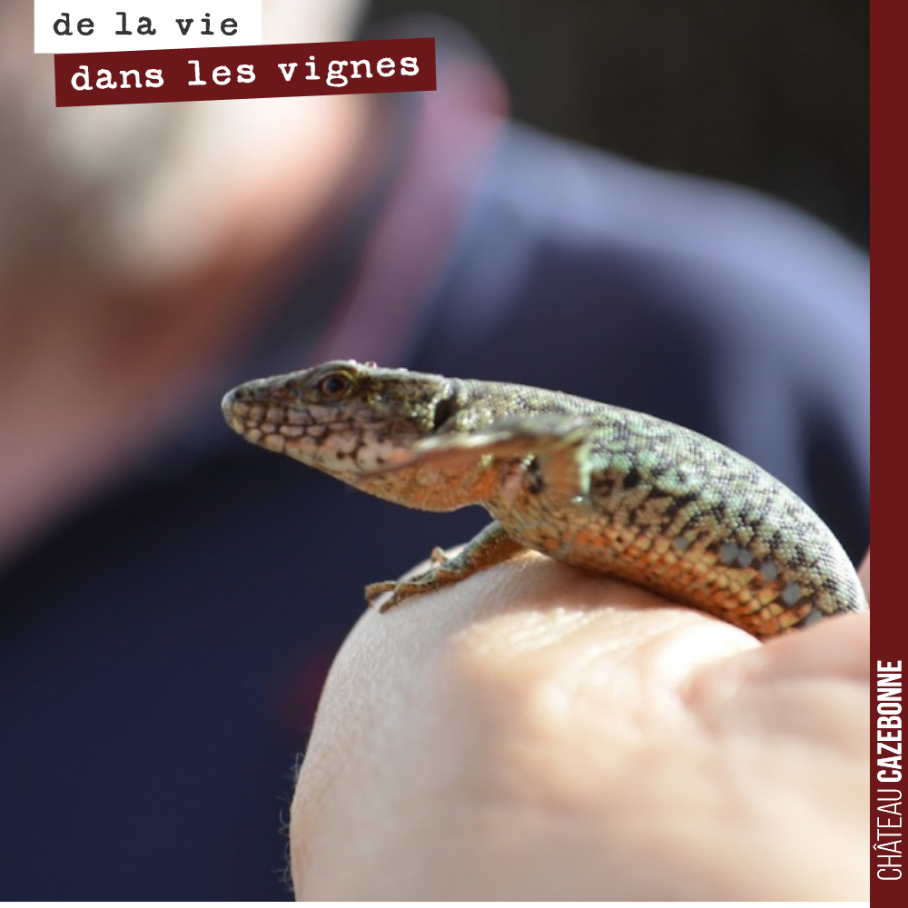
07 September 2023
The cellar, forgotten grape varieties and our cuvées, twice a month. 5% off your first order with the code BIENVENUE.