 The essential
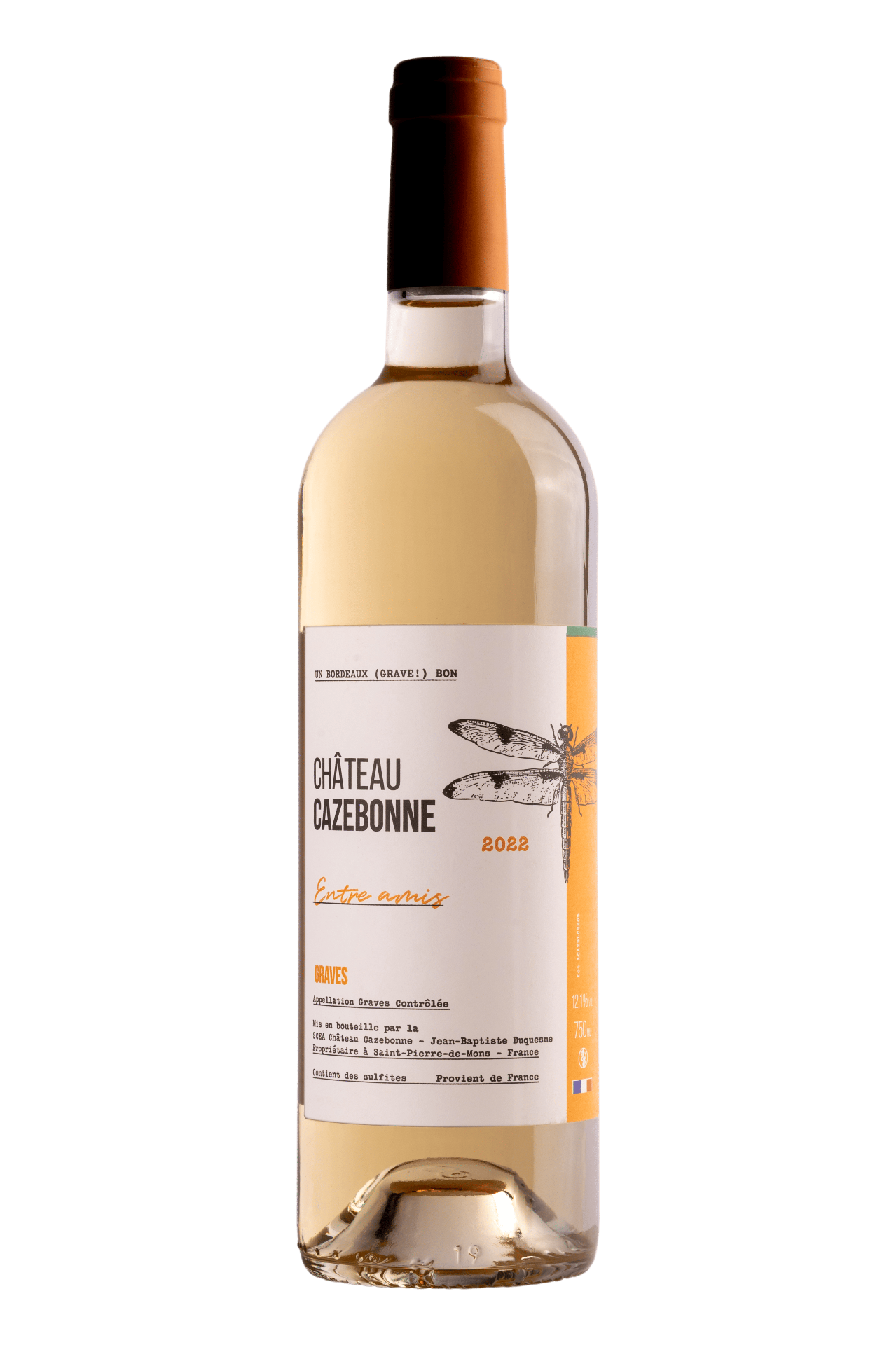
Entre Amis white 2024
Graves white 2024
Crisp and saline: the easy aperitif, at a gentle price.
The estate's thirst-quenching white, open it without thinking.
I want itMuscadelle
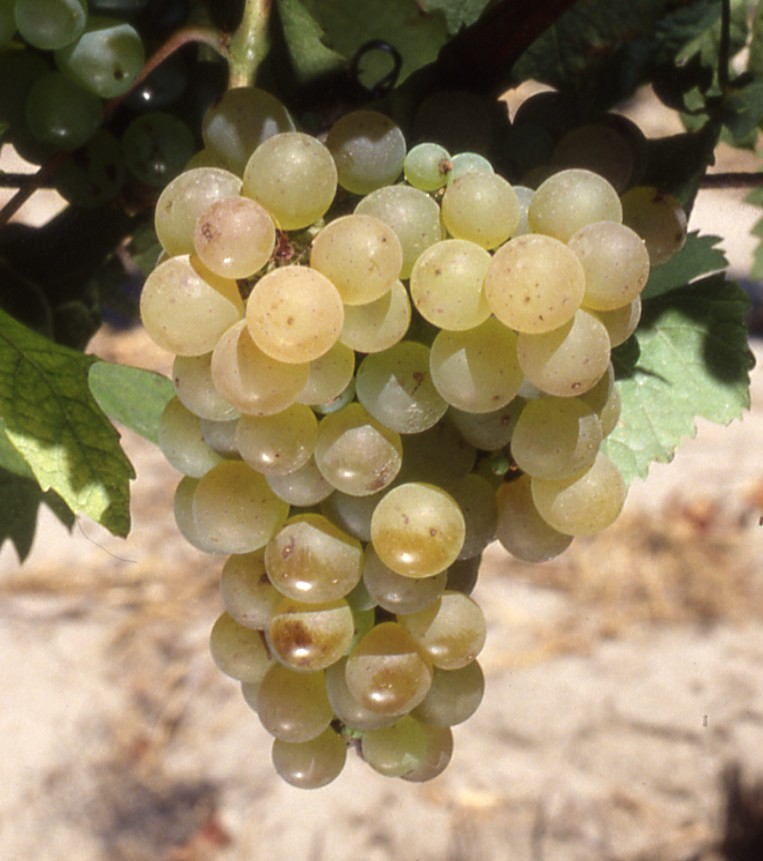
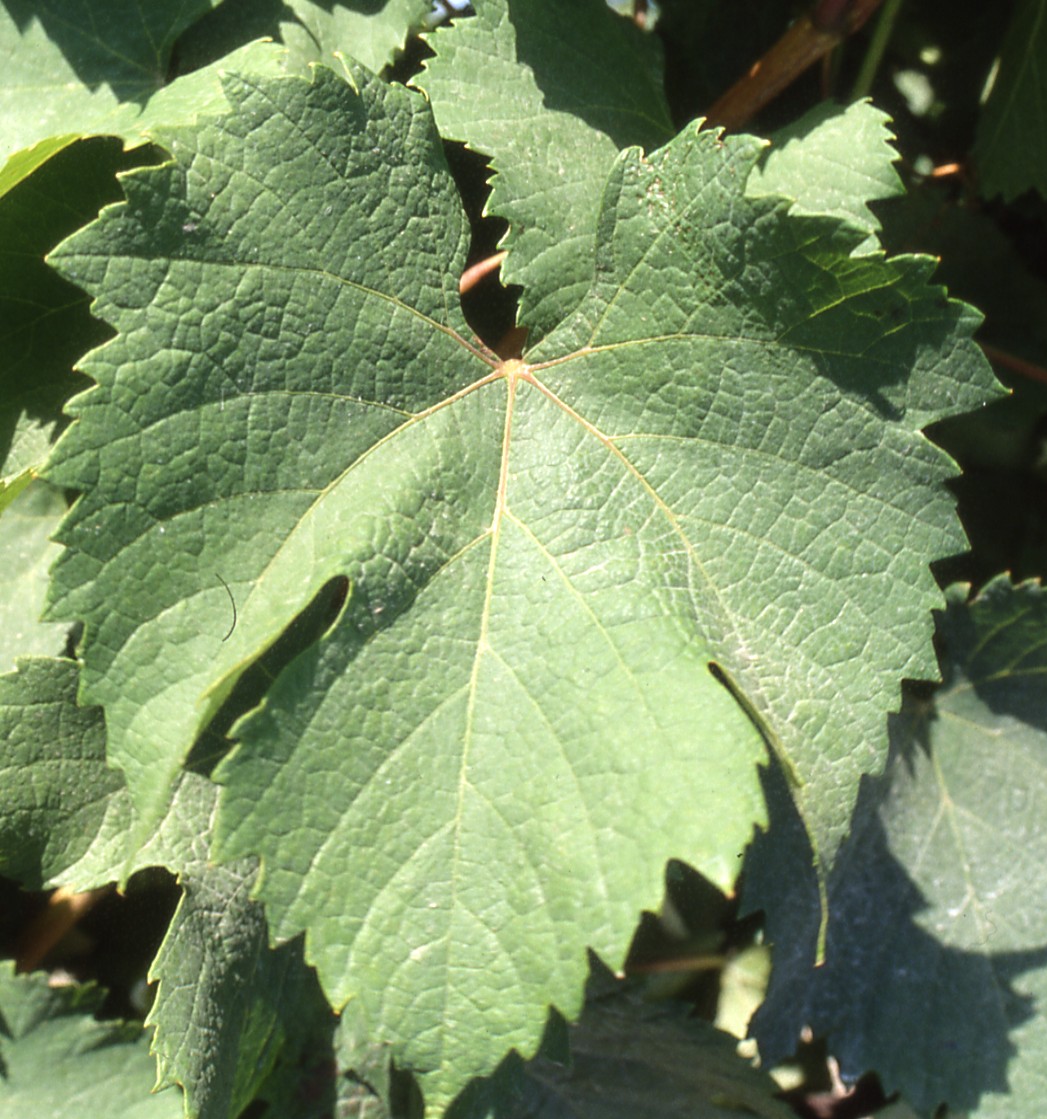
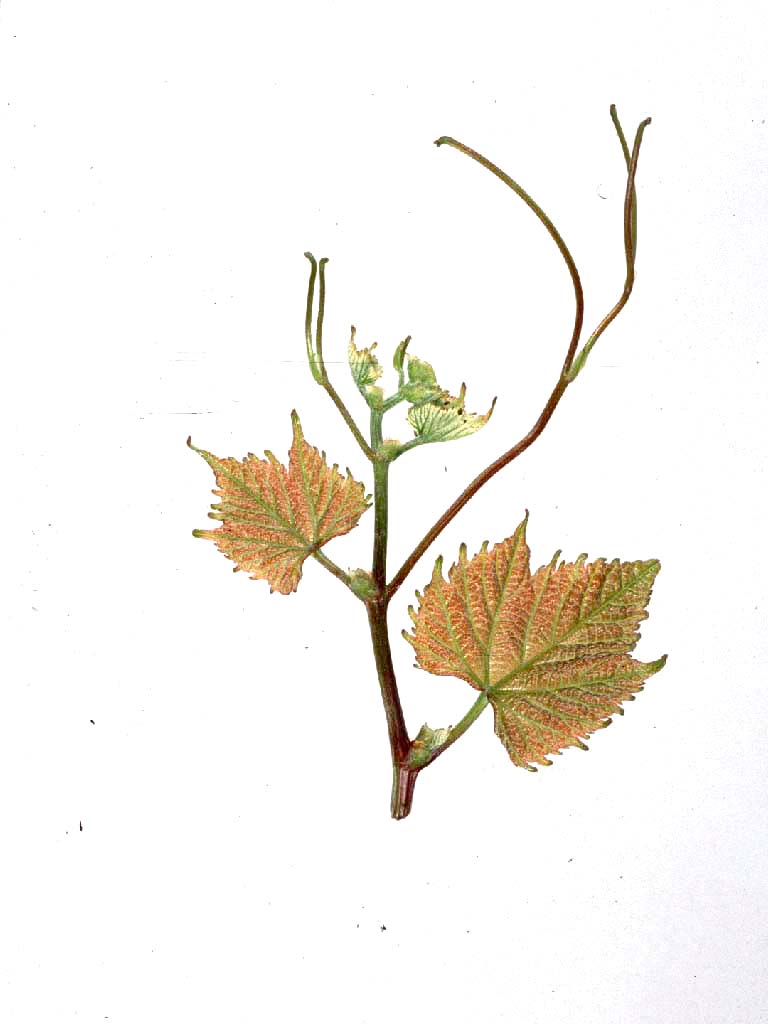
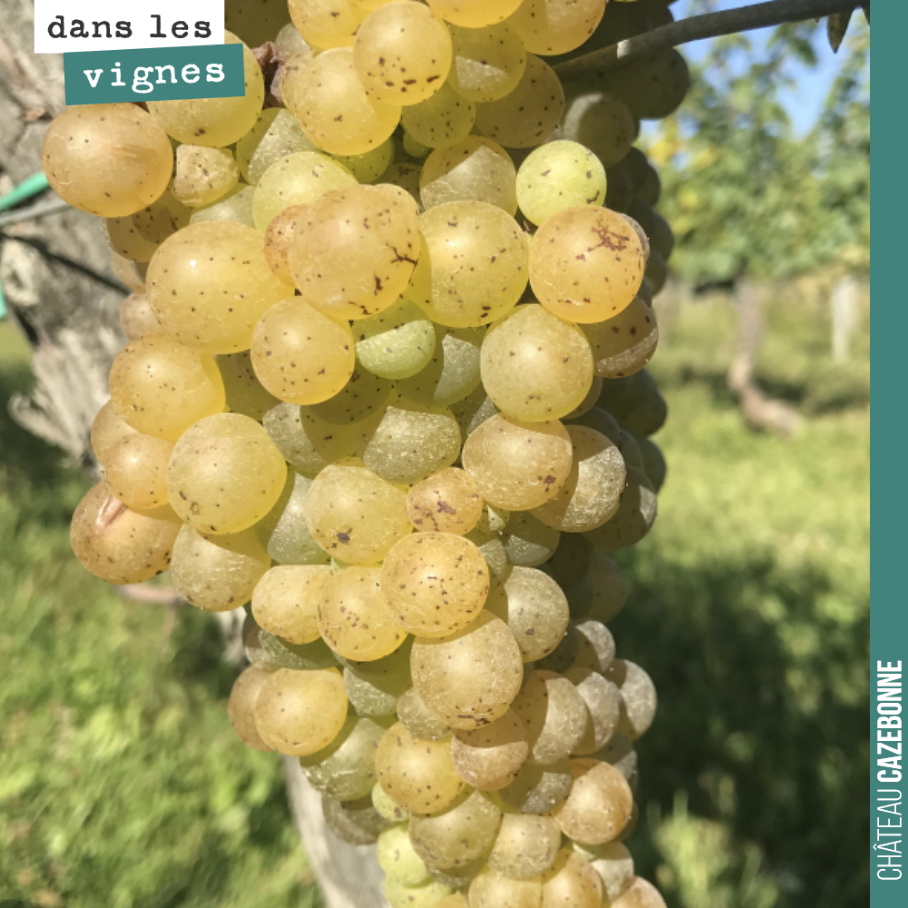
Muscadelle, an often discreet grape variety with a distinct character, traces its roots to South-West France. Modern genetic analyses have revealed an intriguing lineage: it is believed to be a direct descendant of Gouais blanc, a historic and prolific grape variety that gave rise to numerous European cultivars. This ancient heritage bears witness to its longevity and enduring place within the viticultural landscape.
At Château Cazebonne, we pay particular attention to Muscadelle for its unique contribution to Bordeaux wines. Its flowering occurs late—around eleven days after Chasselas—protecting it from spring weather hazards. It ripens mid-season (second period), approximately two and a half weeks after Chasselas, ensuring a complete vegetative cycle and an optimal concentration of its aromas.
| Characteristic | Description |
|---|---|
| Budburst | Late, around 10 days after Chasselas. |
| Flowering | Late, around 11 days after Chasselas. |
| Véraison | Mid-season (second period). |
| Ripening | Mid-season (second period), around 2.5 weeks after Chasselas. |
| Vigour | Medium to high. |
| Habit | Erect or semi-erect. |
| Powdery mildew susceptibility | High. |
| Downy mildew susceptibility | Moderately susceptible. |
| Botrytis susceptibility | Very high susceptibility to grey rot. |
| Pest susceptibility | Susceptible to wasps and European grapevine moth (eudémis). |
| Aromatic profile | Floral notes (musk, honeysuckle, acacia), white-fleshed fruit (peach, lychee), citrus, sometimes spicy nuances. |
| Winemaking potential | Aromatic, elegant dry wines with lovely roundness. Key grape variety for sweet wines, where it adds complexity and richness. |
The Muscadelle grape variety, although precious, requires constant vigilance. It is particularly susceptible to powdery mildew, pests such as wasps and the European grapevine moth (eudémis), and above all, grey rot (Botrytis cinerea). Meticulous vineyard management is therefore essential to preserve its delicacy and typicity.
Wines made from Muscadelle stand out for their distinctive aromatic profile. They reveal pronounced floral notes evoking musk, as well as aromas of white-fleshed fruit such as peach or lychee, occasionally complemented by a touch of citrus. On the palate, they are characterised by a lovely roundness, moderate alcohol, and relatively low acidity, making them very enjoyable in their youth. However, this low acidity makes them more prone to oxidation, demanding meticulous vinification to preserve their freshness. Muscadelle is also a key grape variety in the production of sweet botrytised wines, imparting complexity and richness.
The history of Muscadelle in Bordeaux, though understated, is documented in early writings. In his 1785 work, Jean-Baptiste de Secondat classified it among the region's white grape varieties, praising the quality of its terroirs. Later, the 1878 edition of Féret confirmed its presence on the Right Bank of the Garonne, particularly in the wines of the Sauternes, Barsac, and Cérons appellations, where it is traditionally blended with Sémillon and Sauvignon for sweet wines. Phylloxera unfortunately reduced its acreage, and unlike other varieties, it was rarely grafted onto American rootstocks. Nevertheless, it maintained its standing thanks to its unique aromatic qualities. Its historical role in sweet botrytised wines and vins doux naturels remains widely recognised.
At Château Cazebonne, we take pride in perpetuating the heritage and diversity of Bordeaux grape varieties by replanting these sometimes forgotten cultivars that forged the richness and variety of Bordeaux in the past. This meticulous work of preservation and innovation is made possible thanks to the steadfast support of wine enthusiasts who, by embracing our wines, allow us to continue writing this wonderful viticultural story. To expand your knowledge, feel free to download the book "Bordeaux, une histoire de cépages" and test your knowledge with our wine quizzes. You can also explore our cuvées and our commitments by visiting our online boutique.
Sources
Our suggestions
-5%on your 1st order with code BIENVENUE
The essentialGraves white 2024
Crisp and saline: the easy aperitif, at a gentle price.
The estate's thirst-quenching white, open it without thinking.
I want it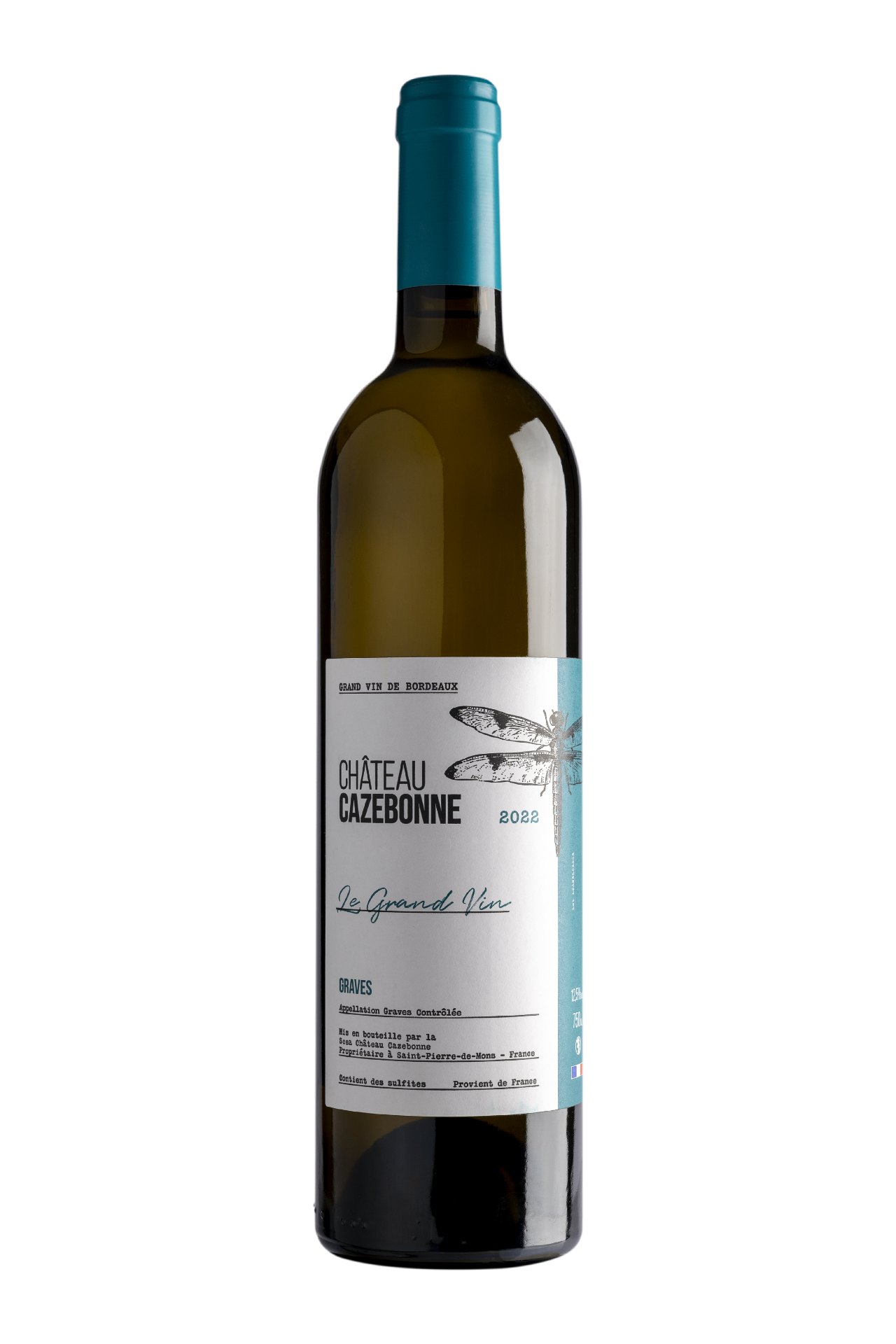 Our recommendation92/100 RVF
Graves white 2022, 92/100 RVF
Rated 92/100 by La Revue du vin de France: old-vine Sémillon.
The great Graves white: taut and deep.
I want it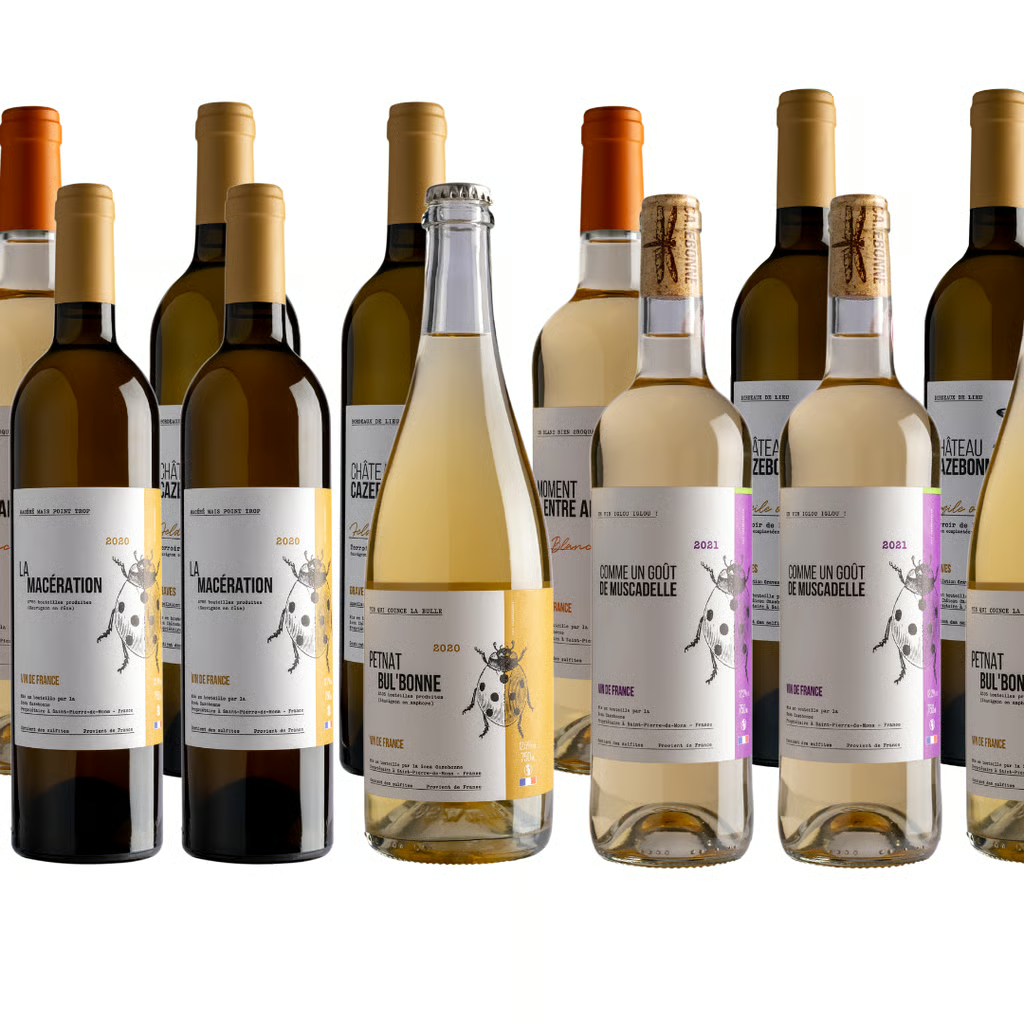 Go further
12 bottles — plot selection
All our organic whites together: the complete plot-by-plot flight.
To explore Sémillon in all its forms.
I want itThe cellar, forgotten grape varieties and our cuvées, twice a month. 5% off your first order with the code BIENVENUE.