
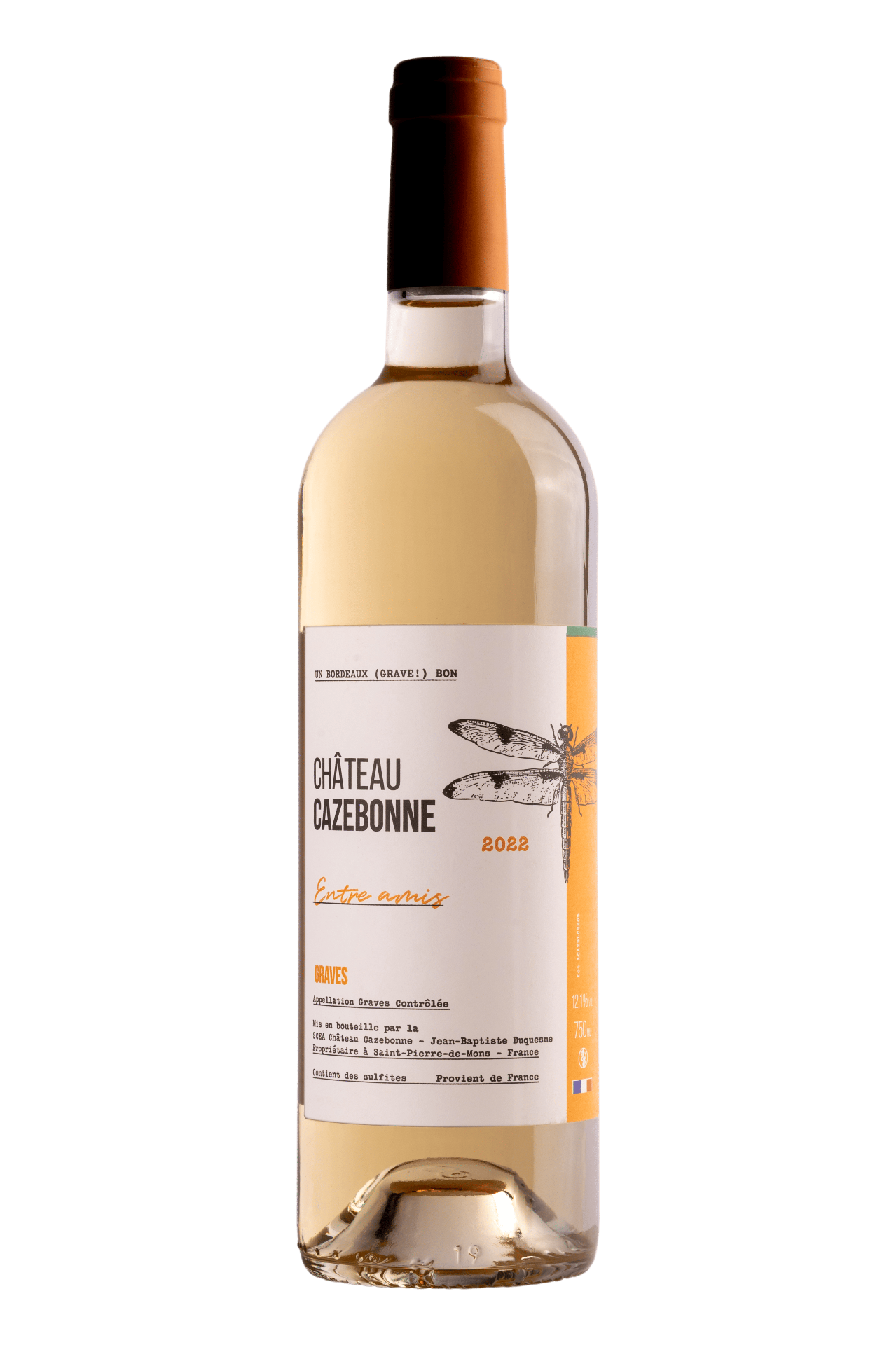
 The essential
Entre Amis white 2024
Graves white 2024
Crisp and saline: the easy aperitif, at a gentle price.
The estate's thirst-quenching white, open it without thinking.
I want itSauvignon gris
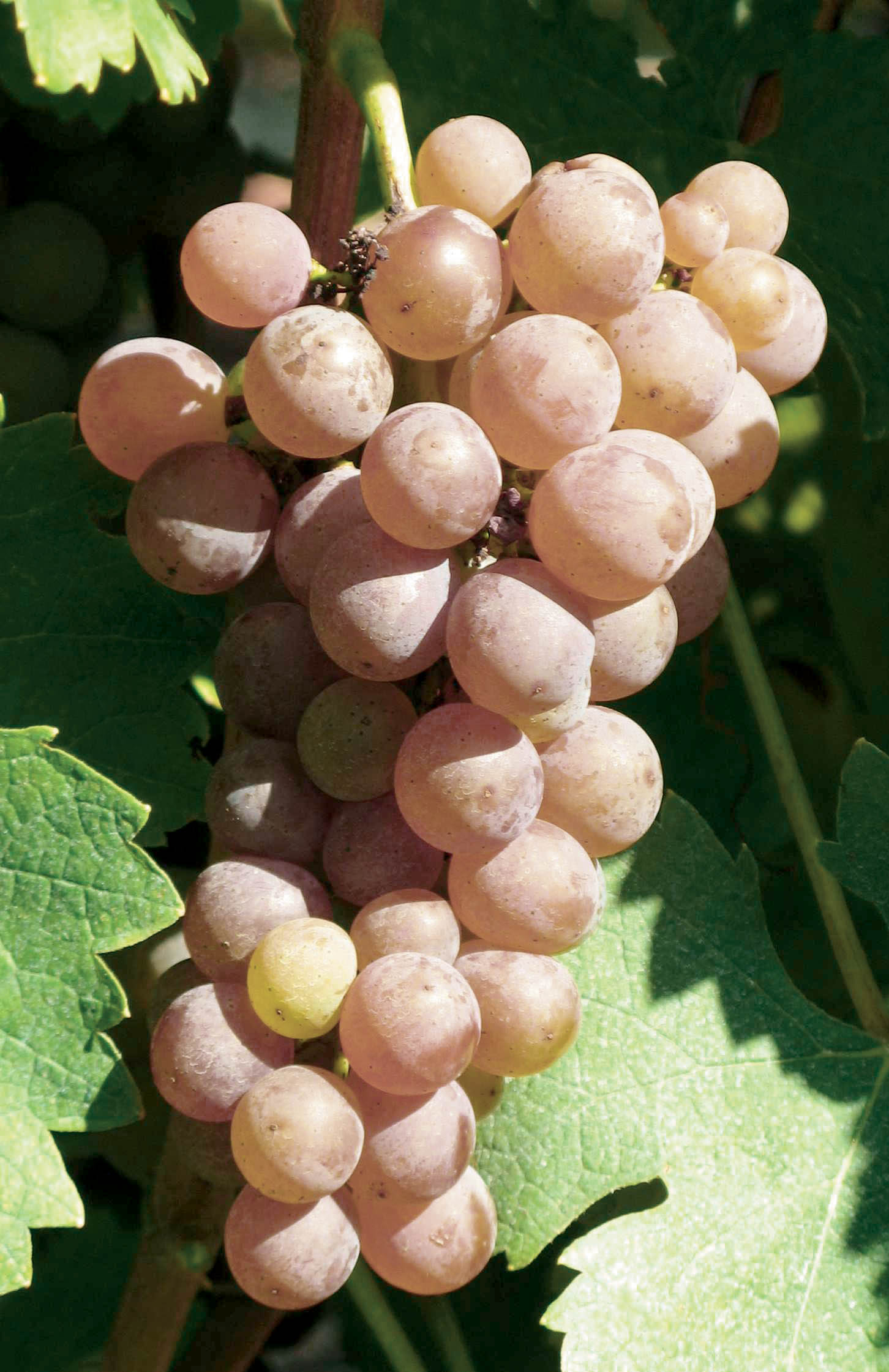
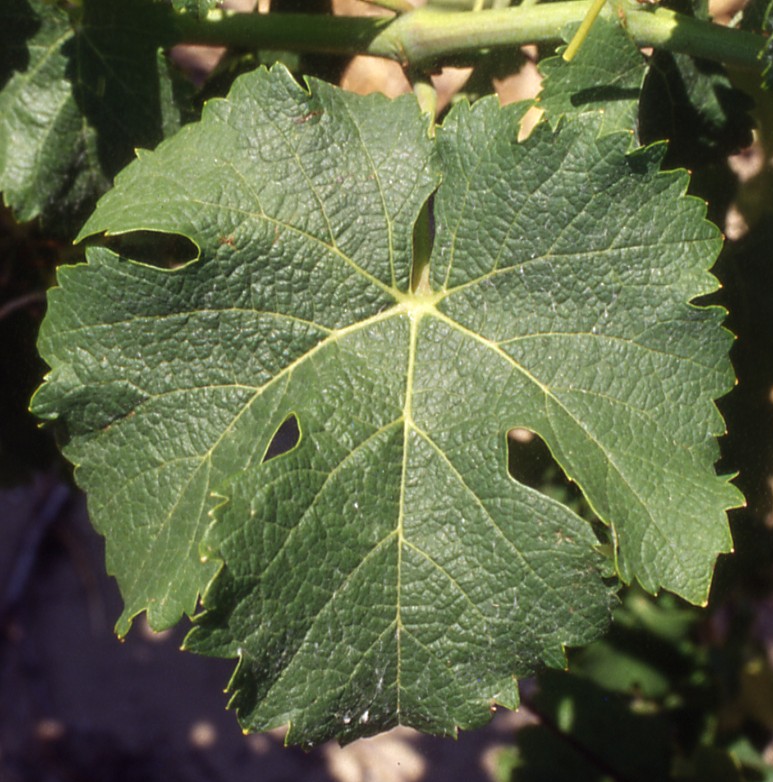
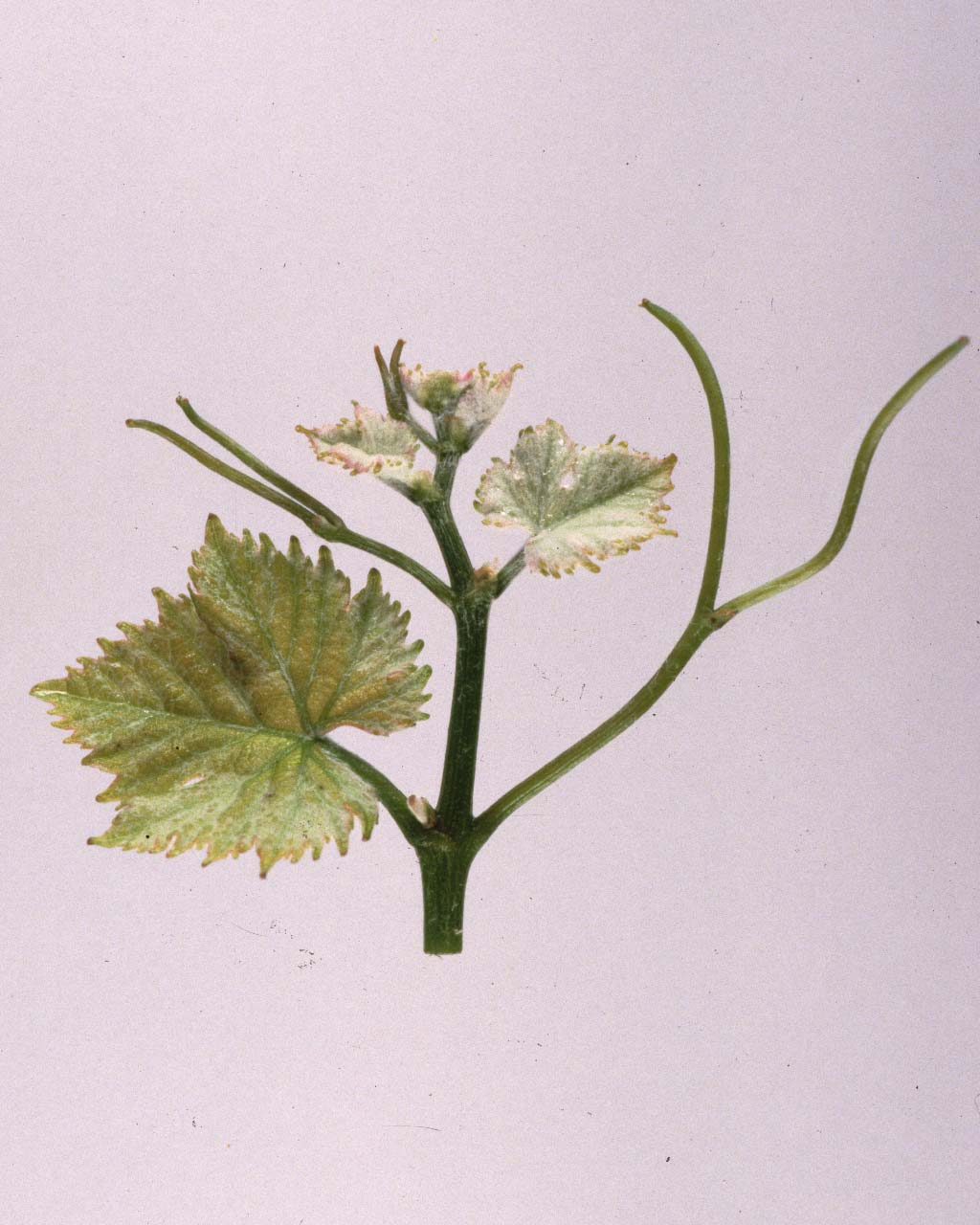
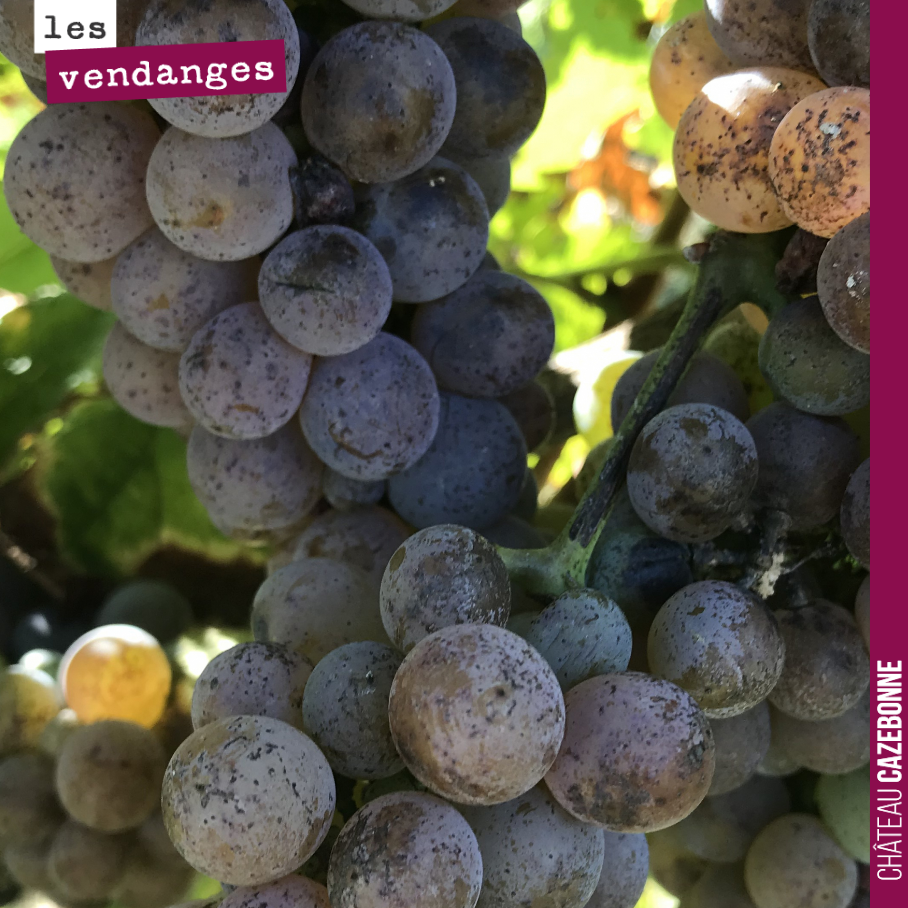
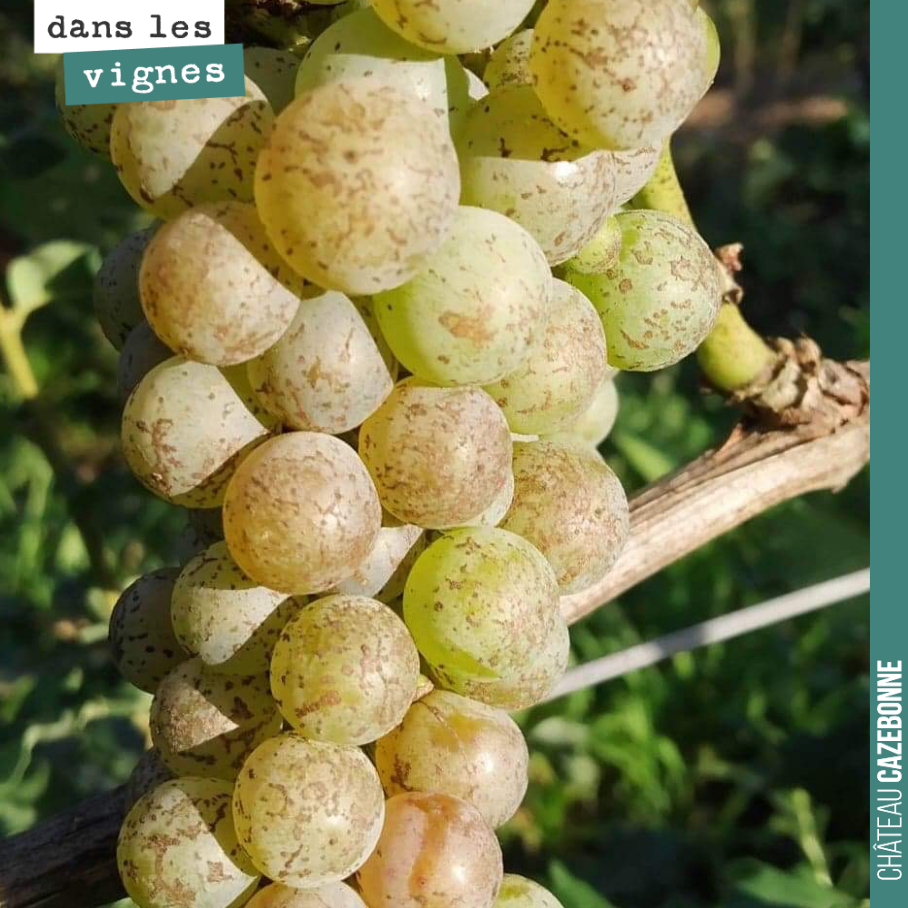
The Bordeaux vineyards, rich in their history and diversity, hold treasures that are sometimes unknown to the general public. Among them, Sauvignon gris, a spontaneous mutation of the famous Sauvignon blanc, offers a unique aromatic and textural palette that deserves our full attention. This grape variety, whose genetic lineage is closely linked to its more famous cousin, stands out for the pinkish colour of its berries when ripe, akin to a sunset over the rolling vineyards.
While Sauvignon blanc is renowned for its liveliness and citrus notes, Sauvignon gris brings a different dimension. It is characterised by wines that are often fuller and rounder on the palate, with a naturally somewhat softer acidity. The aromas become more complex, evolving towards notes of yellow-fleshed fruit (peach, apricot), sweet spices, and sometimes a smoky or mineral touch. It is particularly appreciated for its ability to produce very powerful, full-bodied wines, offering a velvety texture and intense aromatic potential.
In terms of viticulture, Sauvignon gris has vegetative cycle characteristics similar to those of Sauvignon blanc. What particularly distinguishes it is its high potential for sugar accumulation, which is greater than that of Sauvignon blanc. This characteristic makes it a prime candidate for the production of sweet and luscious wines, where it can express all its richness and complexity.
| Characteristic | Description |
|---|---|
| Budburst | Generally about ten days after Chasselas, comparable to Sauvignon blanc. |
| Flowering | Eight days after Chasselas. |
| Veraison | Mid-season, identical to Sauvignon blanc. |
| Maturity | Later, two to two and a half weeks after Chasselas, comparable to Sauvignon blanc. |
| Vigour | Medium to strong. |
| Growth habit | Erect or semi-erect. |
| Downy mildew susceptibility | Quite susceptible. |
| Powdery mildew susceptibility | Susceptible, like Sauvignon blanc. |
| Botrytis susceptibility | Quite susceptible to grey rot, but good resistance to noble rot for Sauvignon blanc. |
| Black rot susceptibility | Susceptible. |
| Aromatic profile | Yellow-fleshed fruit (peach, apricot), sweet spices, smoky or mineral notes. |
| Winemaking potential | Full, round wines with a soft acidity. Very powerful and full-bodied, ideal for sweet and luscious wines thanks to its high sugar accumulation. |
The history of Sauvignon gris is intrinsically linked to that of Bordeaux. Although often overshadowed by its more famous cousin, Sauvignon blanc, Sauvignon gris has long been an integral part of the region's plantings. Jean-Baptiste de Secondat, an 18th-century author, already mentioned Sauvignon and its presence in the Bordeaux vineyards, highlighting the importance of these grape varieties in the composition of the wines of the time. Its presence was also confirmed by Féret in 1878 on the slopes of the right bank of the Garonne, and by Jullien in 1832, where it is cited in the blend of wines from Barsac, Preignac and Sauternes. This grape variety, like many others, experienced a significant decline after the phylloxera crisis in Bordeaux, as it was rarely grafted onto American rootstocks.
Today, as the Bordeaux of the 21st century looks to the future, Sauvignon gris is being rediscovered for its exceptional oenological qualities and its ability to adapt to climatic challenges. It actively participates in the revival of Bordeaux by offering a palette of unique and distinctive wines, fitting into the approach of reviving the lost grape varieties of Bordeaux.
At Château Cazebonne, we are convinced of the exceptional richness of these sometimes neglected grape varieties, which have nevertheless shaped the identity of our terroirs. This is why we are committed to the work of replanting and promoting these ancestral varieties, of which Sauvignon gris is one. This bold project, which aims to bring lost Bordeaux grape varieties back to life, is made possible thanks to the unwavering support of the many enthusiasts who have adopted our wines and share our vision of a viticulture that respects its history, is rooted in Bordeaux's heritage and is resolutely forward-looking. To deepen your knowledge of the incredible diversity of Bordeaux plant varieties, such as the Muscadelle grape variety or the Sémillon rose grape variety, we invite you to discover our book "Bordeaux, a history of grape varieties". Do not hesitate to test your knowledge of the wine world with our quizzes and support our approach by discovering our vintages available on our online shop.
Sources
Our suggestions
-5%on your 1st order with code BIENVENUE
The essentialGraves white 2024
Crisp and saline: the easy aperitif, at a gentle price.
The estate's thirst-quenching white, open it without thinking.
I want it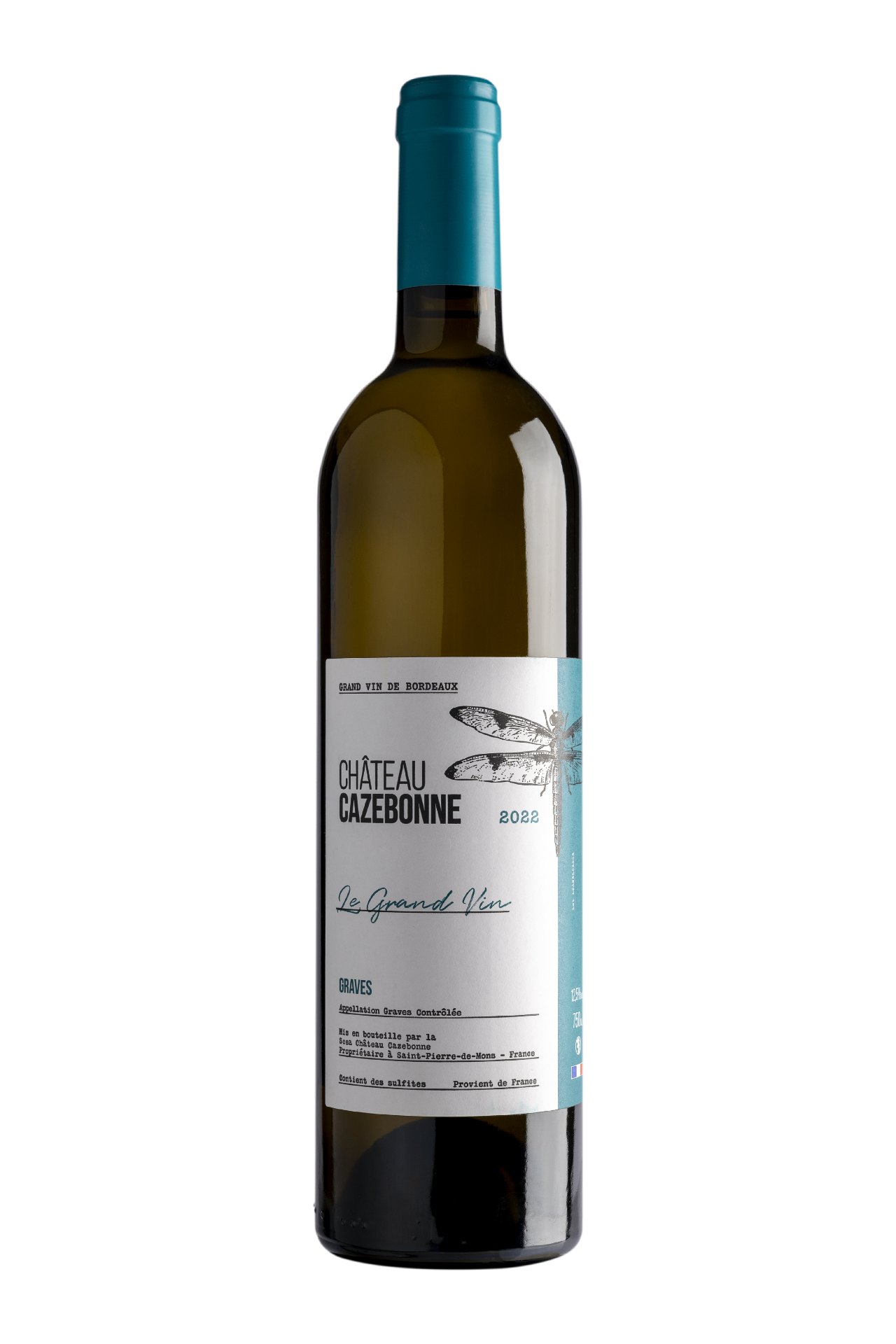 Our recommendation92/100 RVF
Graves white 2022, 92/100 RVF
Rated 92/100 by La Revue du vin de France: old-vine Sémillon.
The great Graves white: taut and deep.
I want it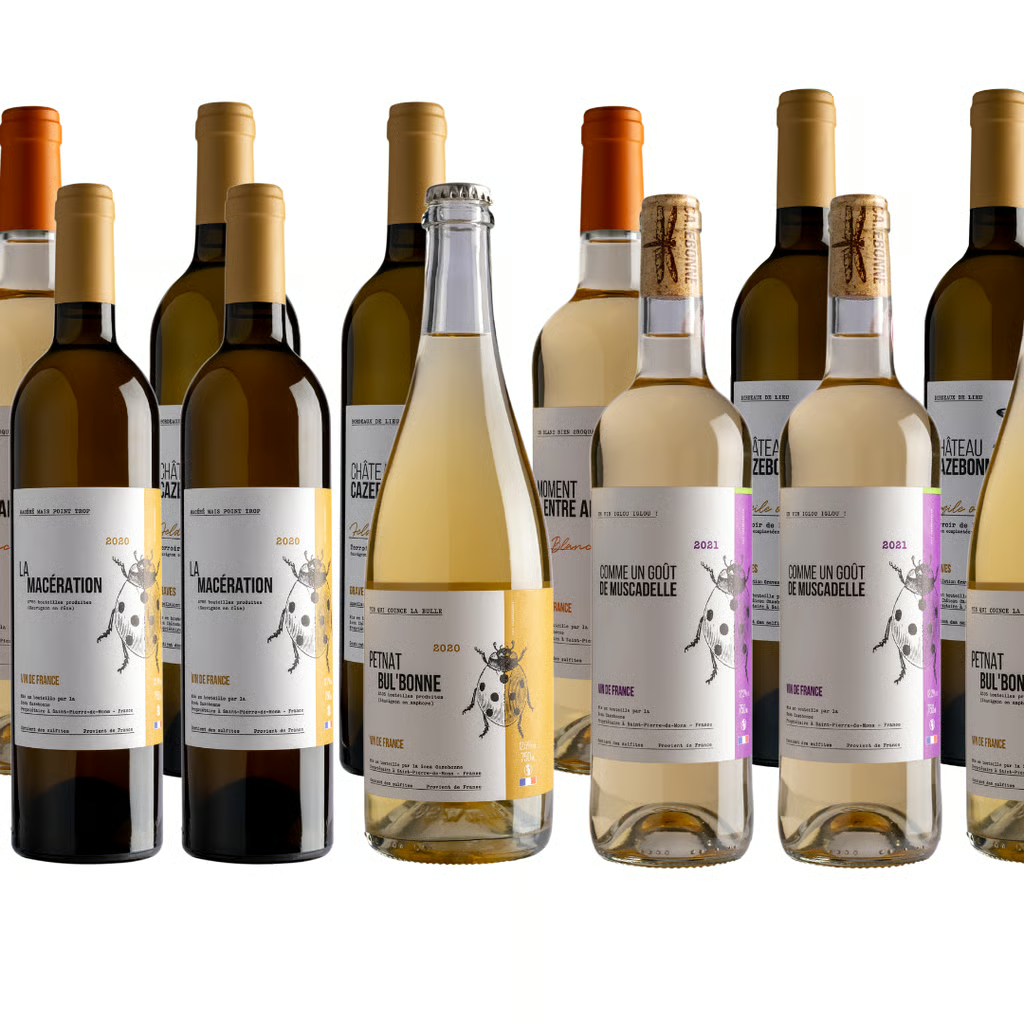 Go further
12 bottles — plot selection
All our organic whites together: the complete plot-by-plot flight.
To explore Sémillon in all its forms.
I want it
14 September 2021

04 September 2020
29 August 2020
26 August 2020
29 June 2020
12 September 2019

26 August 2019
20 August 2019
15 August 2019
06 August 2019
19 July 2019
10 July 2019

02 July 2019
23 May 2019
09 May 2019
24 March 2019
31 January 2019
24 January 2019
19 July 2018
12 June 2018
The cellar, forgotten grape varieties and our cuvées, twice a month. 5% off your first order with the code BIENVENUE.