The essential
6 × Entre Amis red
6 bottles — Graves red 2022
The best price of the cellar: €12 per bottle delivered.
The everyday red: generous and straight to the point.
I want itCanopy Lifting
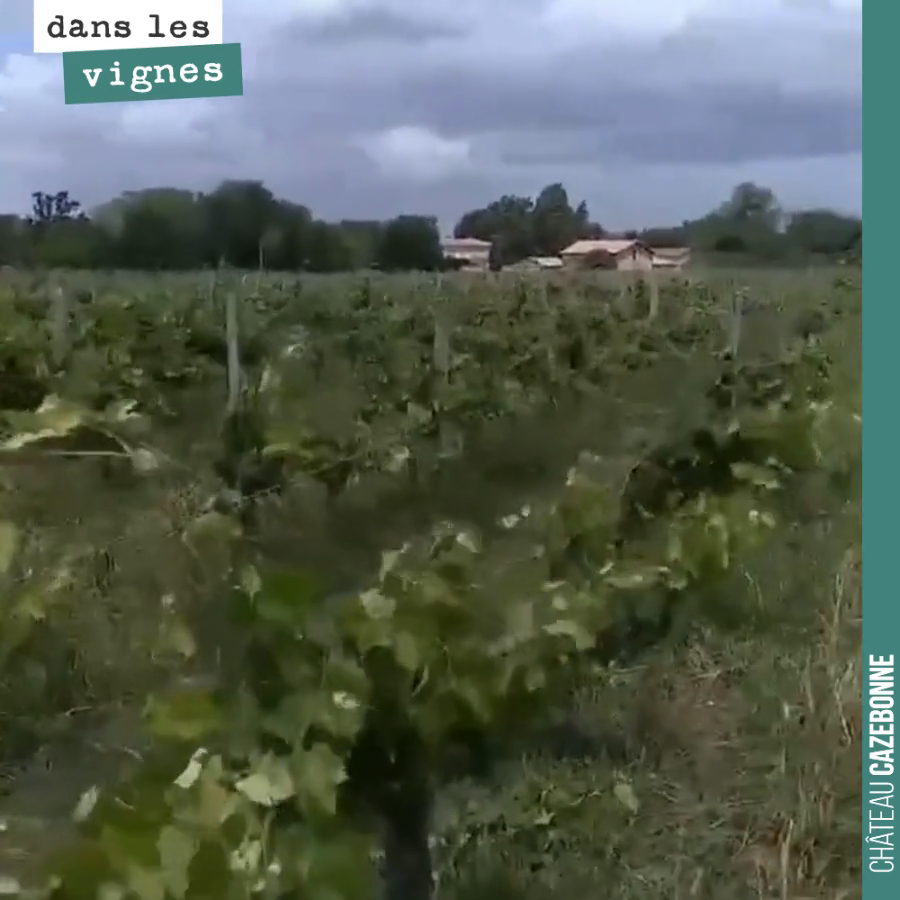
Vine lifting, typically carried out from May to July, is a crucial stage in the vegetative cycle, drawing upon the ancestral expertise of the winegrower. It consists of raising the trellis wires to support the rapidly growing shoots. This technical procedure aims to keep the vegetation upright and prevent the vine shoots from sagging or sprawling out of the row, which could compromise the proper aeration and sunlight exposure of the future bunches. Imagine an abundant head of hair that needs careful styling: lifting structures the vine, helping it to express its full potential.
Beyond the aesthetic aspect, this practice has direct consequences on the quality of the berries. A well-lifted vine ensures better sun exposure for the leaves, thereby promoting photosynthesis and the accumulation of sugars essential to the development of aromas. It also allows for optimal air circulation within the canopy, significantly reducing the risk of moisture-related diseases, such as downy mildew or powdery mildew. It is a meticulous dance between man and plant, where each repositioned wire shapes the future of the vintage, guaranteeing a harmonious flourishing of the plant and an even ripening of the grapes.
At Château Cazebonne, this attention paid to every detail of vineyard work is all the more crucial as we are committed to preserving and cultivating historic Bordeaux grape varieties, some of which are little-known. As Jean-Baptiste Duquesne points out in his book "Bordeaux, une histoire de cépages" (Éditions BBD), the richness of our terroir also lies in the diversity of these ancient varieties. We carry out this replanting and promotional work with passion, thanks to the unwavering support of a community of enlightened enthusiasts who have adopted our wines and believe in our approach. It is this trust that drives us to bring this viticultural heritage back to life.
If you wish to discover the fruit of this labour and passion, you can find our cuvées for sale in the Cazebonne boutique.
To deepen your knowledge of the fascinating history of Bordeaux grape varieties and understand the importance of this approach, we also invite you to receive the digital version of the book "Bordeaux, une histoire de cépages" directly by email by visiting our website.
Lifting is one of the fundamental cultural practices in viticulture, an intervention which, although seemingly simple, requires precision and expertise. It involves straightening and supporting the vine's lianas, the shoots, which naturally tend to fall back under their own weight and the effect of the wind. This work takes place after bud break and the active growth of the vegetation, when it has reached a certain height and the initial trellising is no longer sufficient to contain it.
The stakes of lifting are multiple and directly linked to the future quality of the grapes. The first objective is to ensure better exposure of the leaves to the sun, thereby optimising photosynthesis. A well-exposed leaf produces more sugars, which are essential to the ripening of the berries. The second objective is to improve the aeration of the fruiting zone and the canopy, which considerably reduces the risks of fungal diseases such as downy mildew or powdery mildew, which is all the more important given that Château Cazebonne is committed to biodynamic viticulture. Finally, lifting allows the vegetation to be better organised to facilitate other manual and mechanical work in the plot, such as trimming or the harvest.
Vine lifting is generally carried out between May and July in the Bordeaux vineyard, depending on the grape variety and the vigour of the plot. It takes place after flowering and fruit set, at a time when the young shoots are developing rapidly. Several passes are often necessary to accompany the growth of the vine and ensure optimal support. It is crucial to intervene at the right time, before the vegetation becomes too droopy and difficult to handle, so as not to damage the shoots.
In practical terms, lifting involves manually raising the lifting wires of the trellising system and securing them. These wires, generally located on either side of the vine rows, are moved up to different heights as the shoots grow. The vineyard workers lift the branches inside these wires and clip them together, or tie them, to form a vertical vegetative wall. This method ensures perfect support and an even distribution of the leaves.
The equipment for lifting is relatively simple: it mainly consists of lifting wires, clips or biodegradable ties, and the tools needed to secure them, such as a specialised clipping tool. However, the effectiveness of lifting relies above all on the winegrower's eye and experience. Knowing how to assess the vine's vigour, anticipate its growth, and position the shoots optimally are essential skills to guarantee the success of this delicate operation.
At Château Cazebonne, vine lifting is a paramount manual practice, carried out with the utmost care by our teams. This particular attention, coupled with our commitment to respecting the terroir and promoting the forgotten grape varieties of Bordeaux, contributes to the uniqueness and quality of our wines. As Jean-Baptiste Duquesne points out in "Bordeaux, une histoire de cépages", it is essential to preserve this viticultural heritage for the future of the region. To find out more about related practices, you can read our article on vine braiding.
At Château Cazebonne, we are committed to replanting the grape varieties of our ancestors in Bordeaux, some of which had disappeared, to restore the Graves terroir to all its richness. This work is made possible thanks to the support of wine lovers who have adopted our wines and our approach. To discover the fascinating history of these forgotten varieties, we invite you to download our book "Bordeaux, une histoire de cépages". You can also test your wine knowledge with our oenological quizzes, or simply discover the fruit of our labour by exploring our cuvées available in our online boutique.
Sources
Our suggestions
-5%on your 1st order with code BIENVENUE
The essential6 bottles — Graves red 2022
The best price of the cellar: €12 per bottle delivered.
The everyday red: generous and straight to the point.
I want it Our recommendation92/100 RVF
6 bottles — Graves red 2022, 92/100 RVF
Rated 92/100 by La Revue du vin de France: a solid 10-year ageing potential.
Our Graves for ageing, the finest gateway to the estate.
I want it Go further
12 bottles — the whole range
12 bottles, the whole range tasted: the best discovery-to-price ratio.
The complete tour of the estate, in a single case.
I want itThe cellar, forgotten grape varieties and our cuvées, twice a month. 5% off your first order with the code BIENVENUE.