
 The essential
6 × Entre Amis red
6 bottles — Graves red 2022
The best price of the cellar: €12 per bottle delivered.
The everyday red: generous and straight to the point.
I want itDisease
The vine, an emblem of our landscapes and a source of tasting pleasure, is unfortunately a highly fragile plant. Throughout the seasons, it is exposed to various threats, particularly fungal diseases caused by microscopic fungi in the vineyards. These afflictions can compromise the quality and quantity of the harvest, and even threaten the vineyard's very survival.
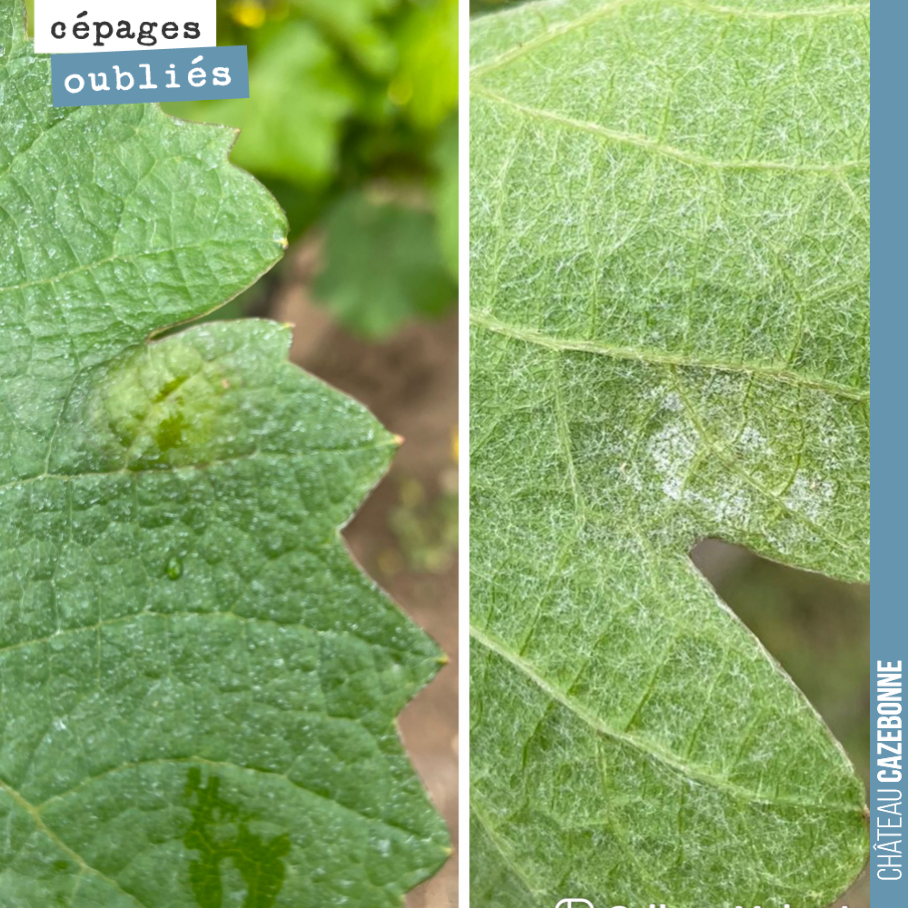
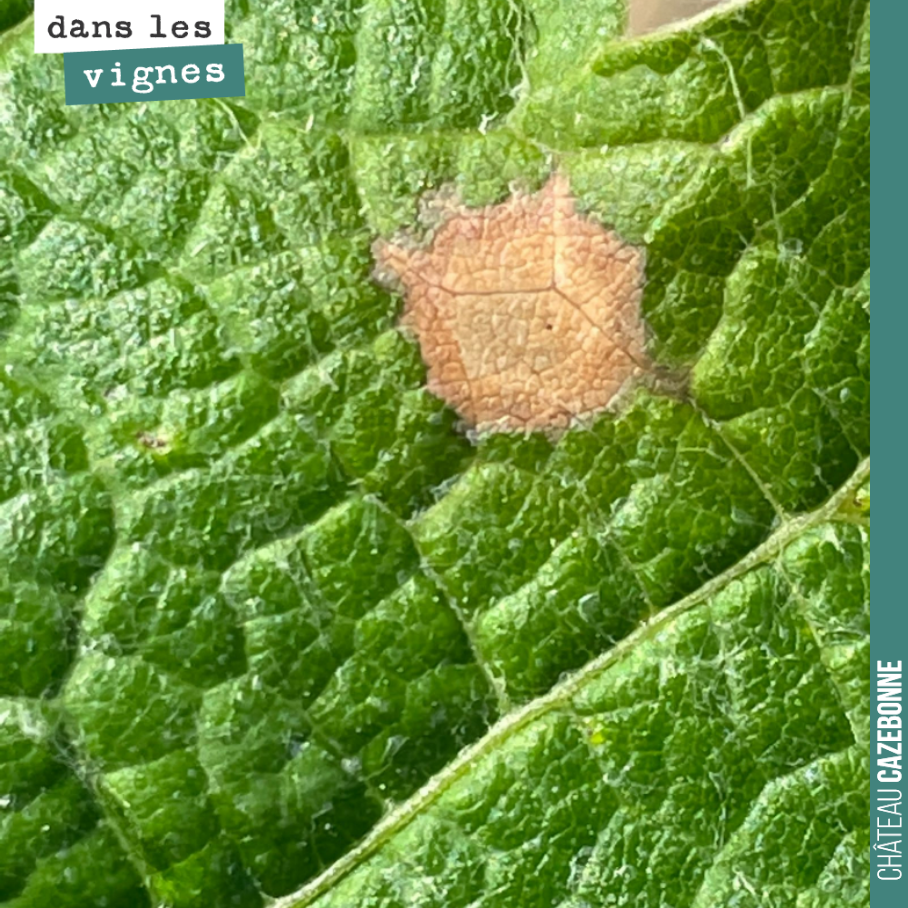
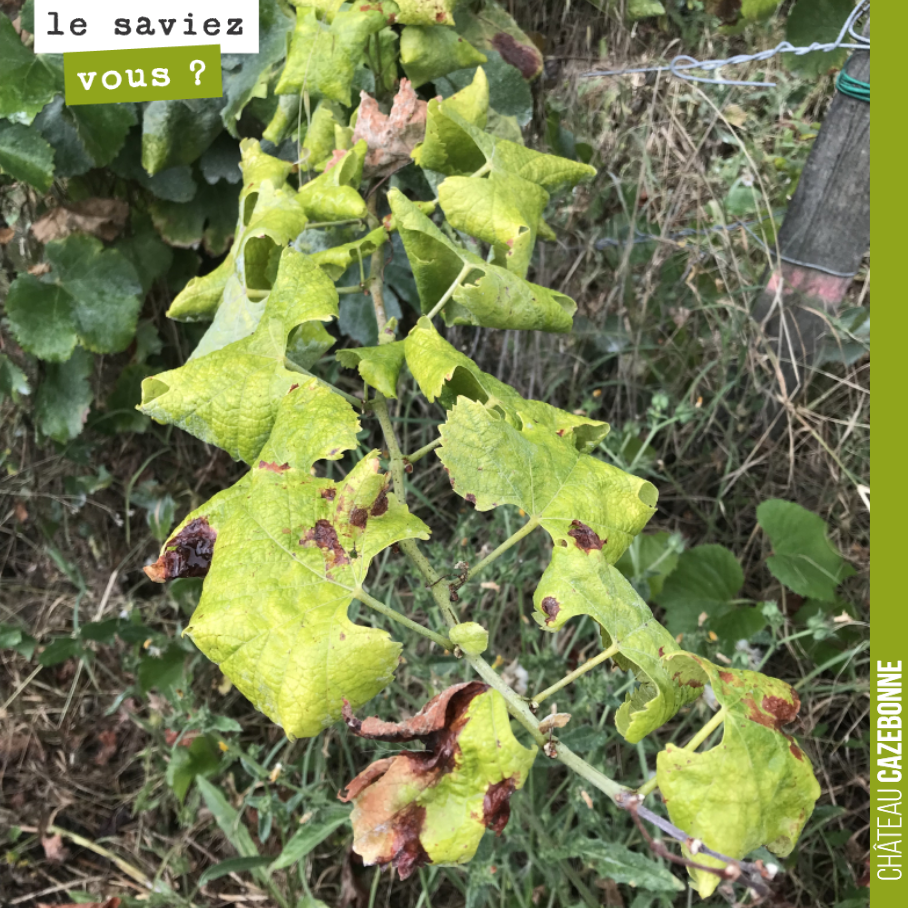
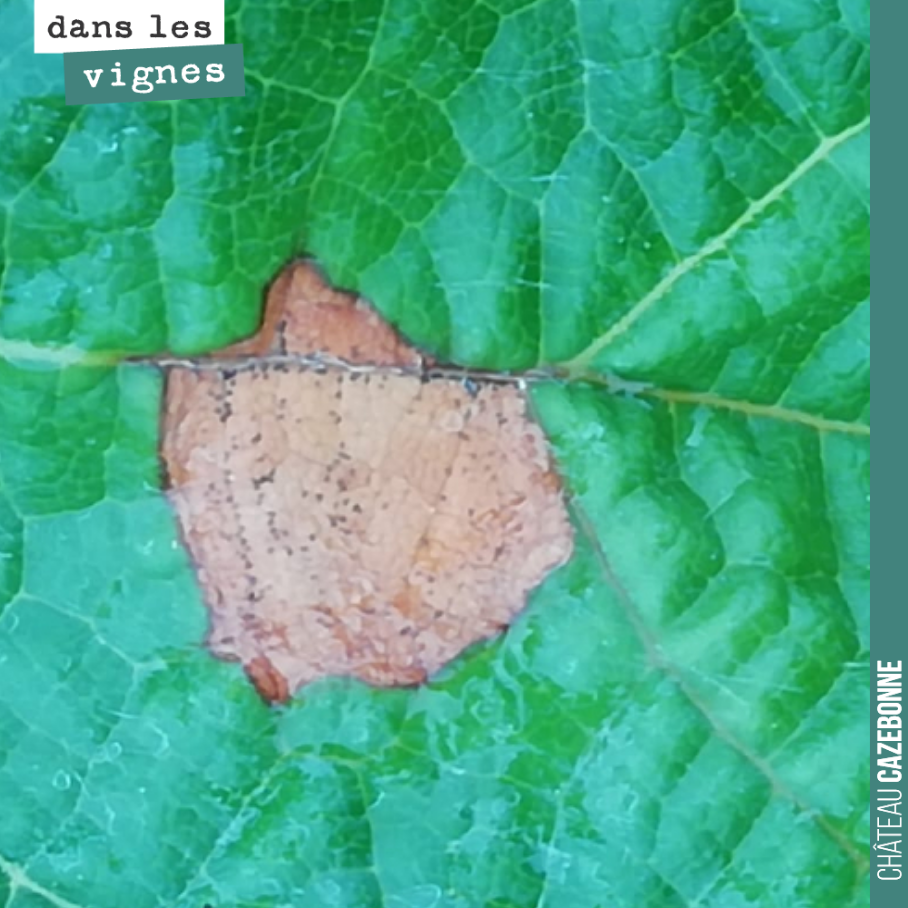
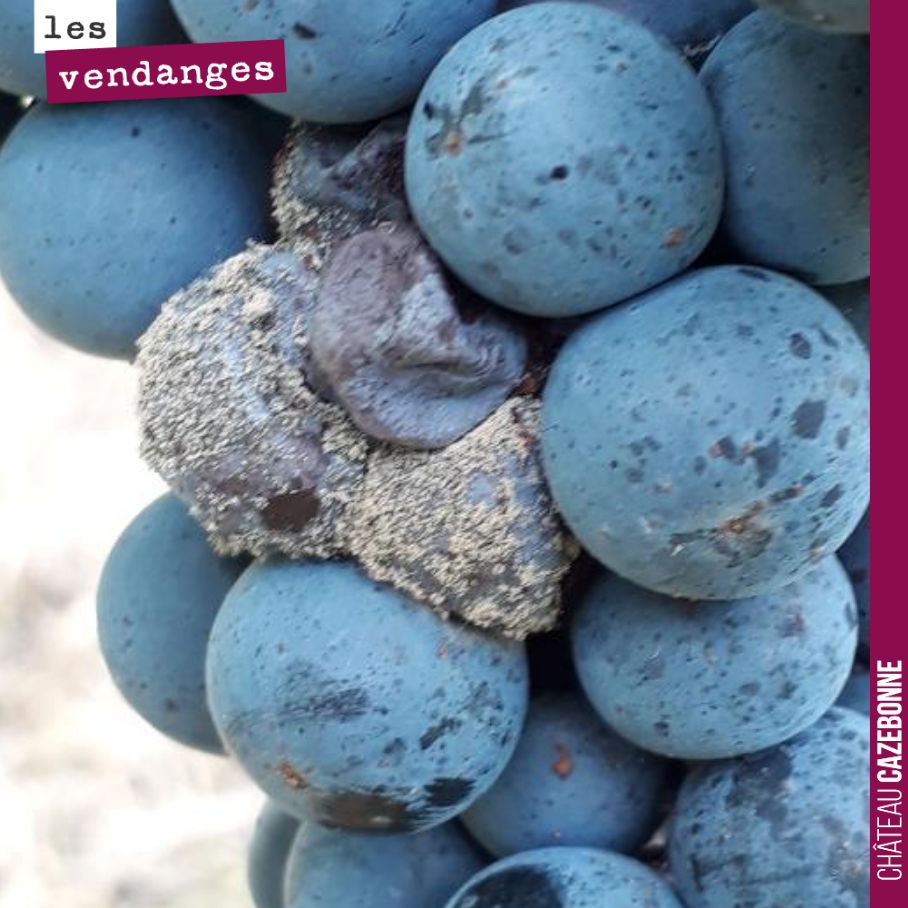
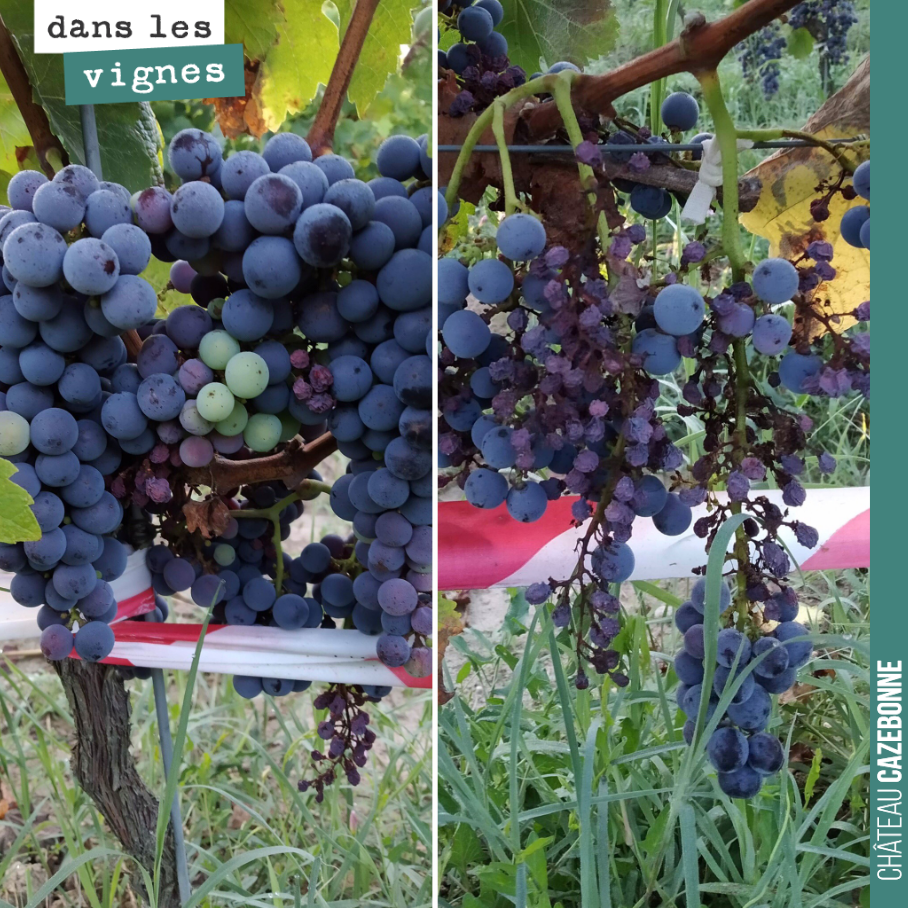
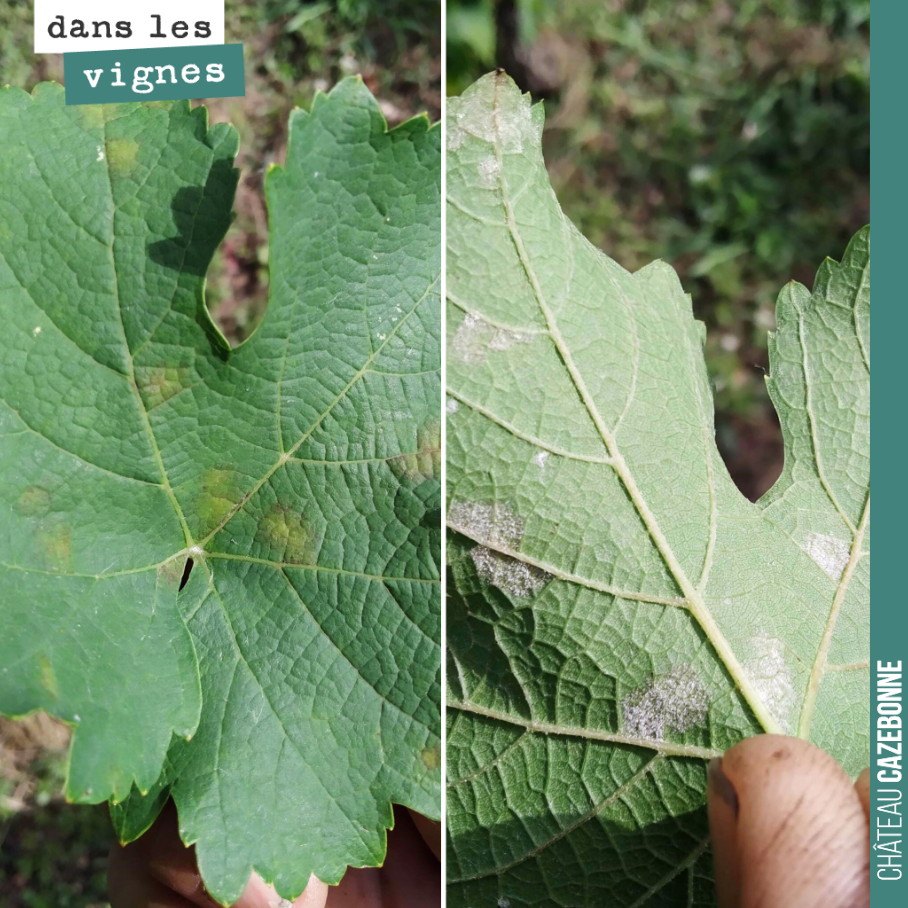
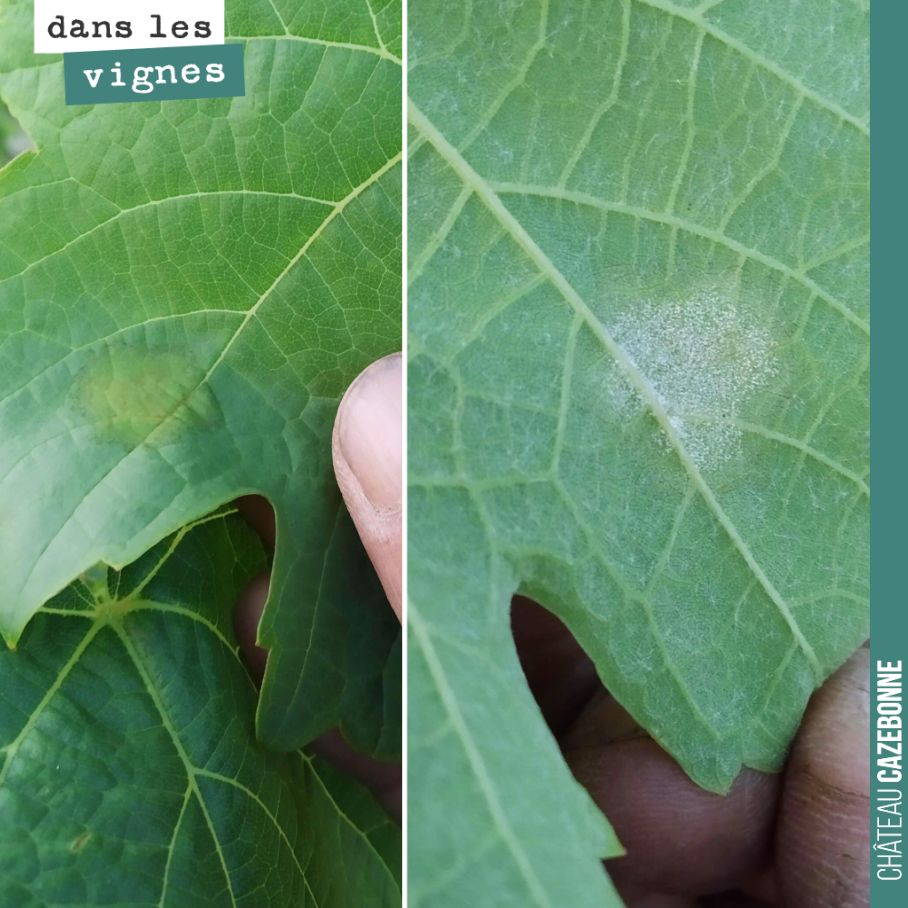
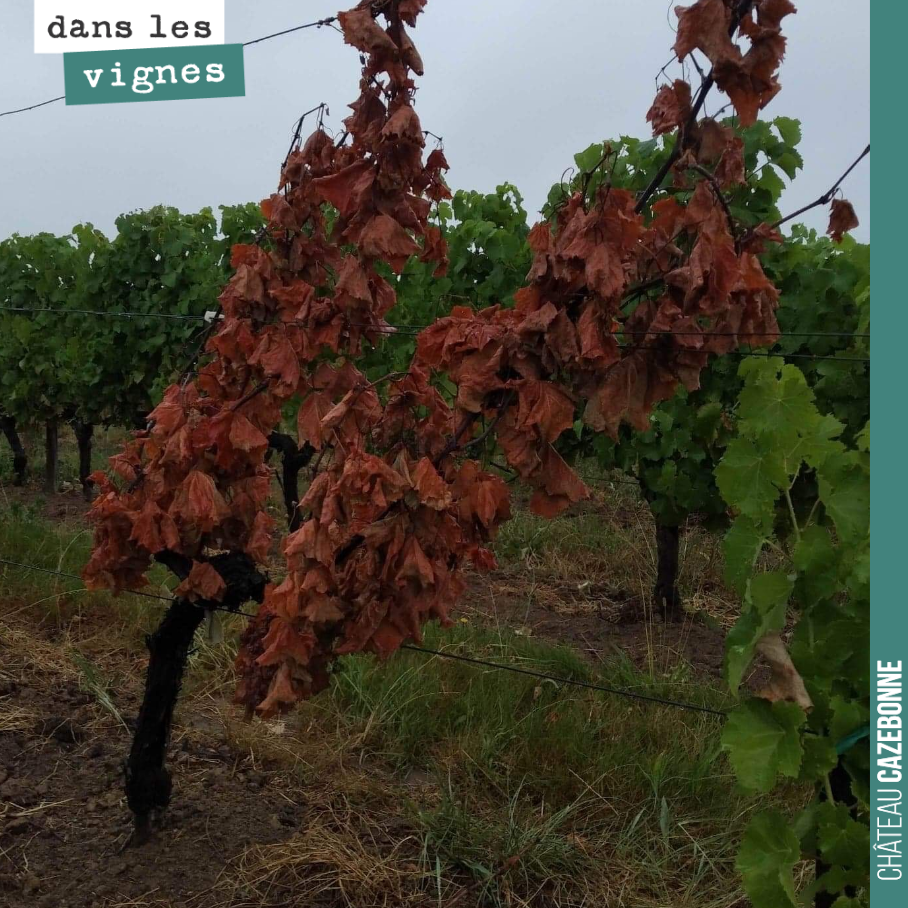
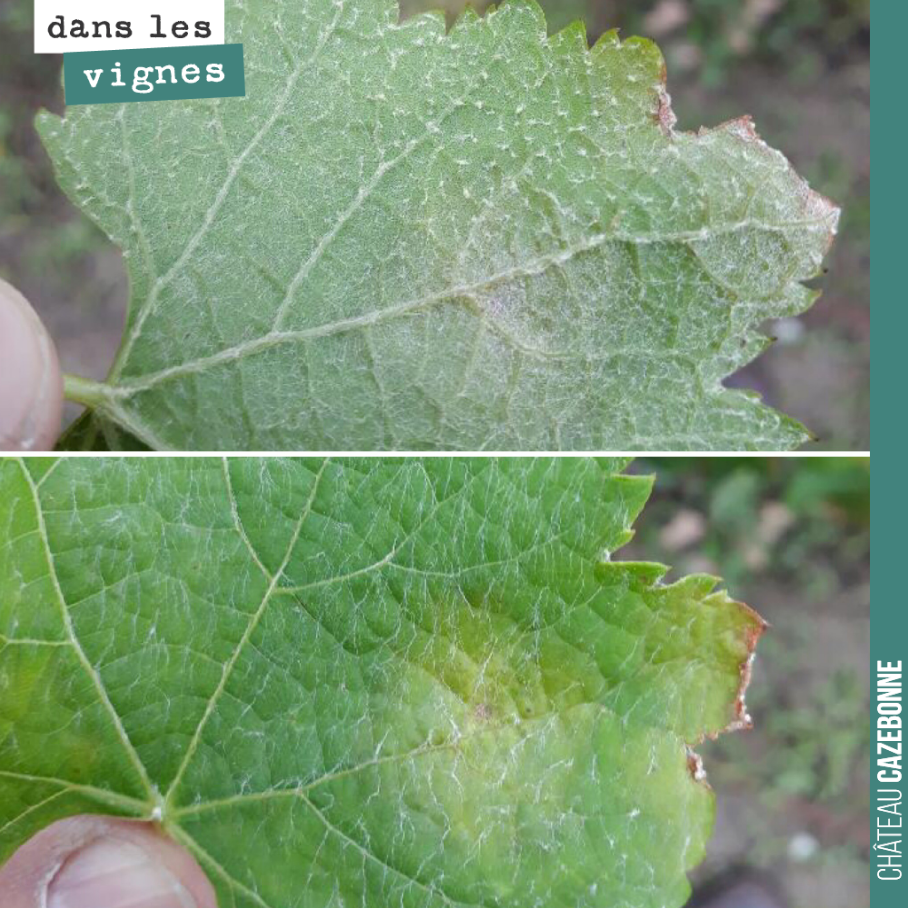
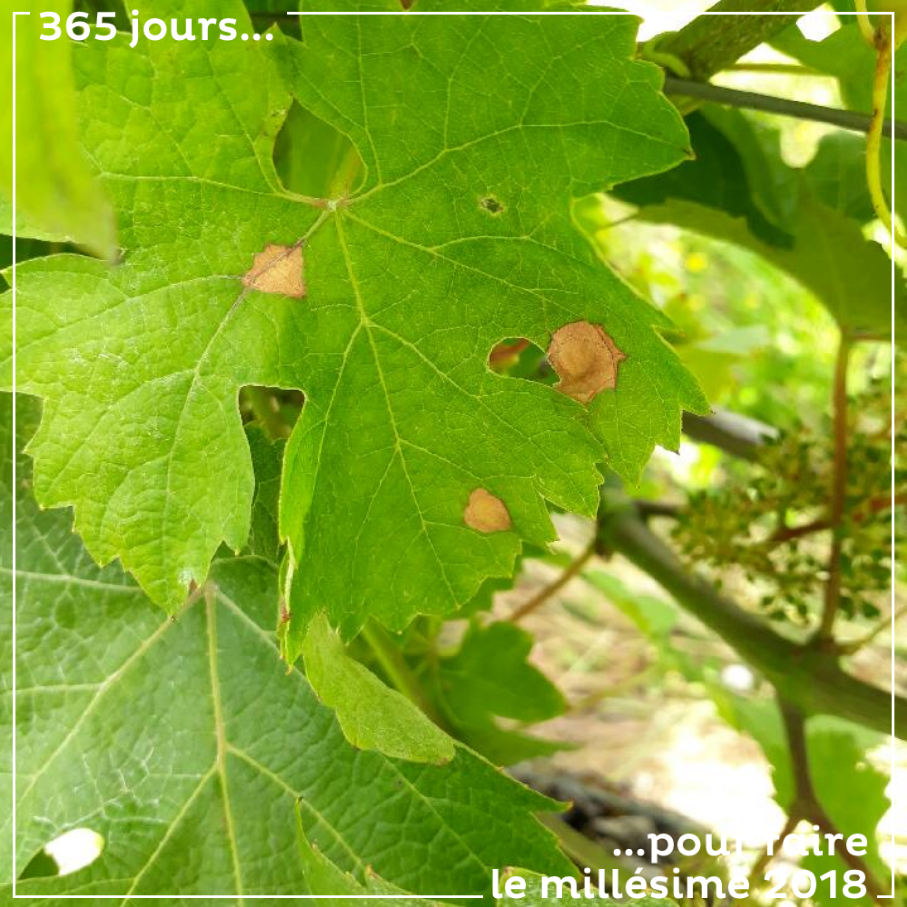
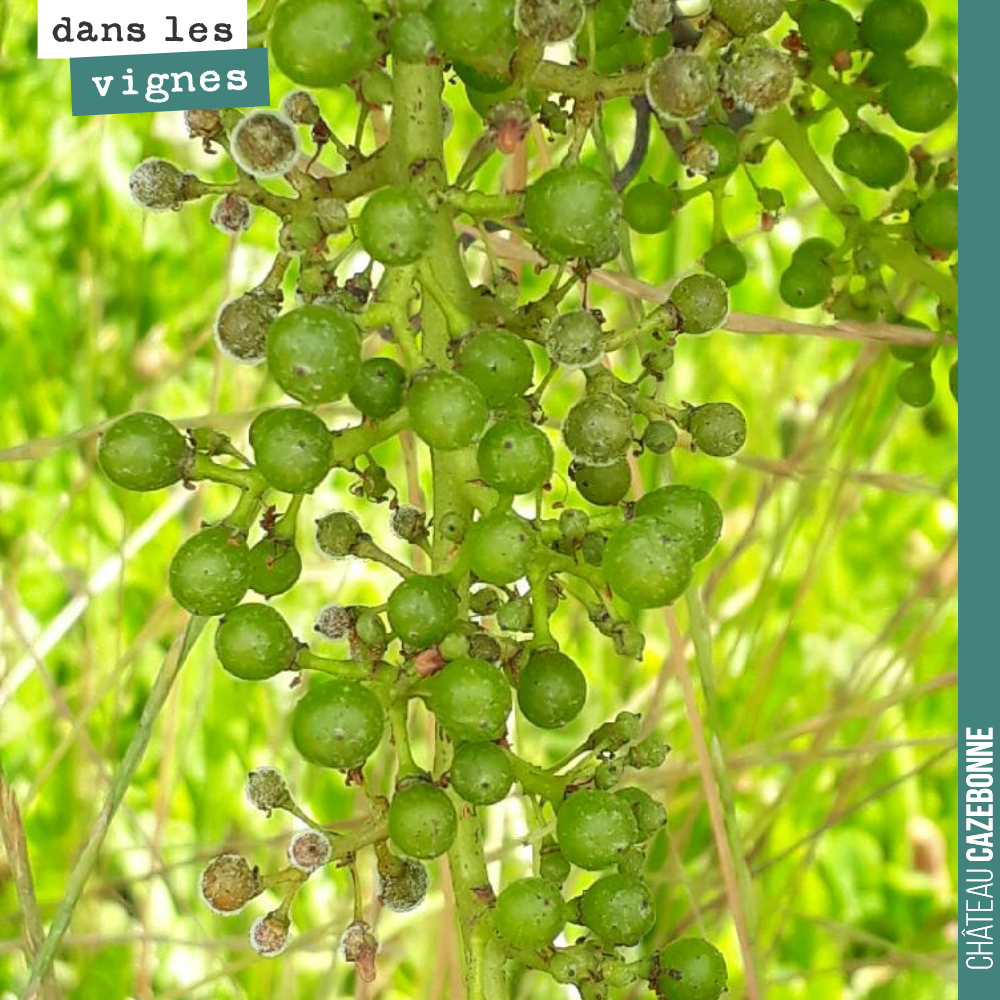
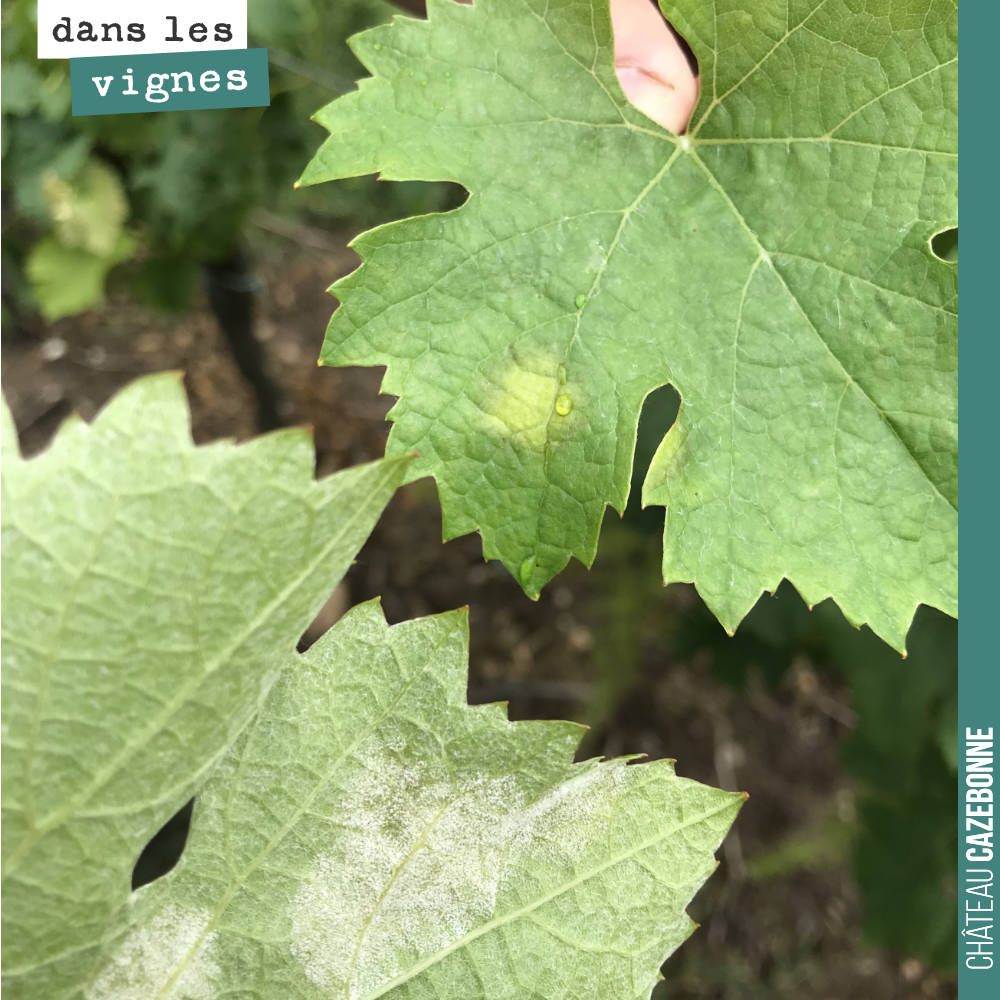
Among the most well-known diseases, downy mildew and powdery mildew (oïdium) are undoubtedly the most formidable. Downy mildew, often called the "winegrowers' plague", manifests itself with the appearance of yellowish spots on the leaves before attacking them more insidiously, potentially destroying the grape bunches. Downy mildew on bunches marked wine history, particularly in the 19th century, prompting the adoption of preventive treatments. Powdery mildew, on the other hand, is characterised by a white felt-like coating on the leaves and berries, altering the taste and appearance of the wines, and sometimes imparting undesirable mouldy notes.
Other diseases, such as grey rot (botrytis) or excoriosis, complete this picture of threats. Grey rot, in particular, can transform healthy grapes into a deteriorated mass, although it is sometimes sought after for its "noble rot" effect in sweet wines. Not to mention wood diseases, such as esca, black rot, or bois noir, which are increasingly concerning and can lead to the decline of entire vines, posing a major challenge to the longevity of the vineyards. Understanding these pathologies is essential for any winegrower wishing to preserve their plant heritage and ensure the sustainability of their production.
At Château Cazebonne, we measure the scale of these challenges. This is why we have made the demanding choice of organic viticulture. Rather than resorting to synthetic treatments, we favour prevention and strengthening the vine's natural defences. We specifically practice gentle methods, such as the use of copper and sulphur, which are natural fungicides authorised in organic farming. Adapted pruning, living soils, and constant observation of our plots are also pillars of our approach, allowing our vines to flourish in a healthy, balanced environment, and to resist attacks much better.
Our approach is also part of a desire to breathe new life into the Bordeaux wine heritage, which is so rich and yet so threatened. Indeed, over the centuries, many grape varieties have disappeared from Bordeaux vineyards, victims of trends, diseases, or economic constraints, as the book "Bordeaux, une histoire de cépages" by Jean-Baptiste Duquesne reminds us so well. At Château Cazebonne, we have committed ourselves to a long-term undertaking: researching, identifying, and replanting these old and forgotten grape varieties that once made our terroir so rich and diverse. This work of promoting lost grape varieties is a long process requiring perseverance and passion, and it aims to restore the vineyard's natural resilience while offering new tasting expressions.
A reclaimed heritage thanks to the support of the many wine lovers among you! By tasting our wines made from these rare grape varieties, you actively participate in the rebirth of these viticultural treasures and the preservation of an entire facet of Bordeaux history. Your support allows us to continue our efforts and revive the diversity of our vineyard.
Discover our cuvées and live the Château Cazebonne experience by visiting the Cazebonne boutique.
To deepen your knowledge of the fascinating history of Bordeaux grape varieties, we invite you to receive the digital version of the book "Bordeaux, une histoire de cépages" by Jean-Baptiste Duquesne, published by Éditions BBD.
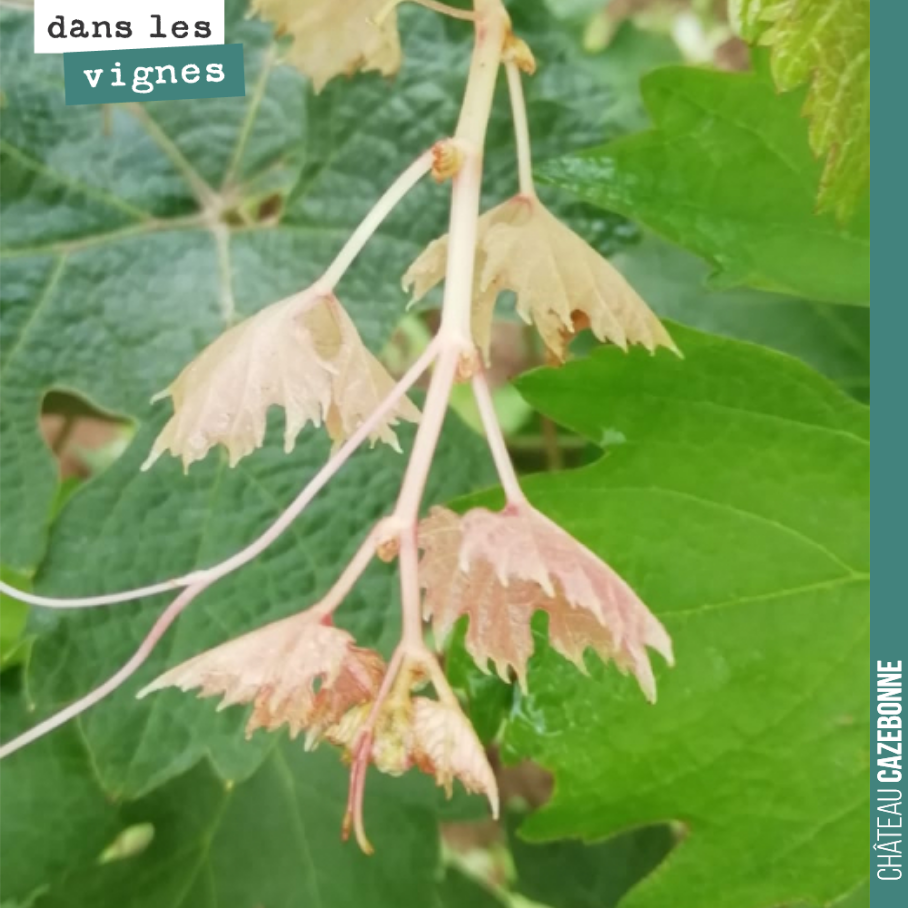
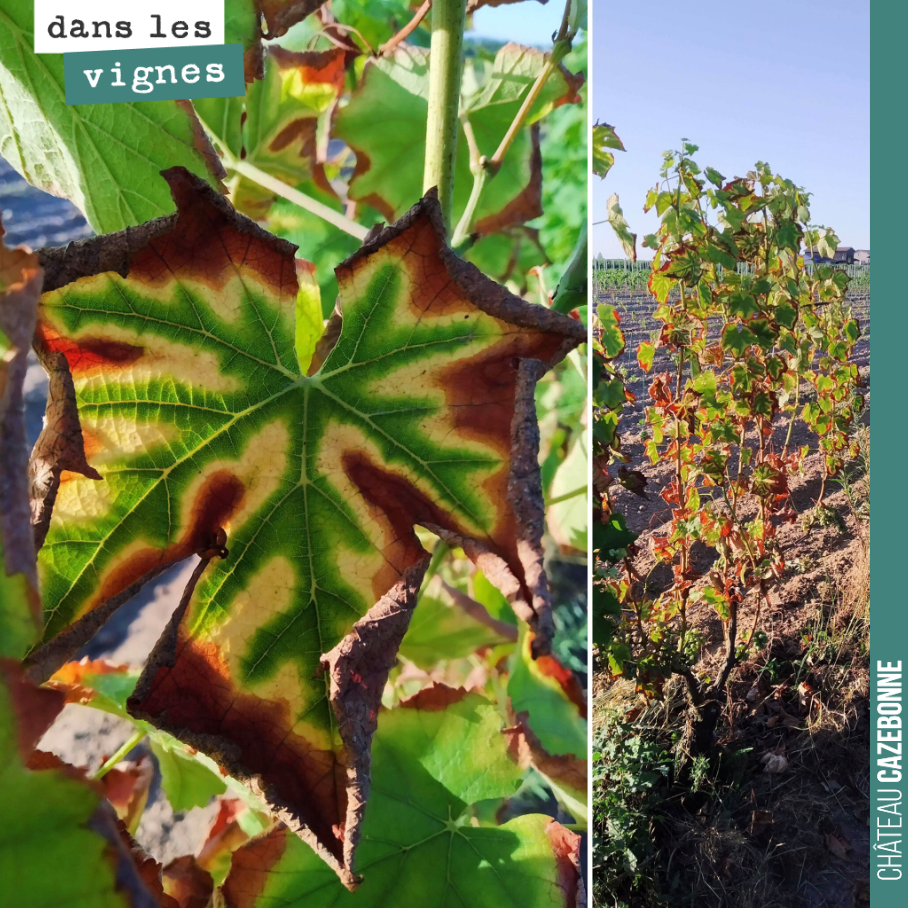
In addition to the best-known diseases, the vine is affected by several other afflictions that can have a significant impact on its health and the quality of production. Among them, flavescence dorée is a phytoplasma disease transmitted by the leafhopper, causing a yellowing of the leaves, a stunting of the vines, and, ultimately, their death. This disease is particularly formidable because it spreads quickly and has no direct curative treatment once the vine is infected. The fight therefore involves uprooting diseased vines and managing leafhopper populations, as well as using healthy rootstocks.
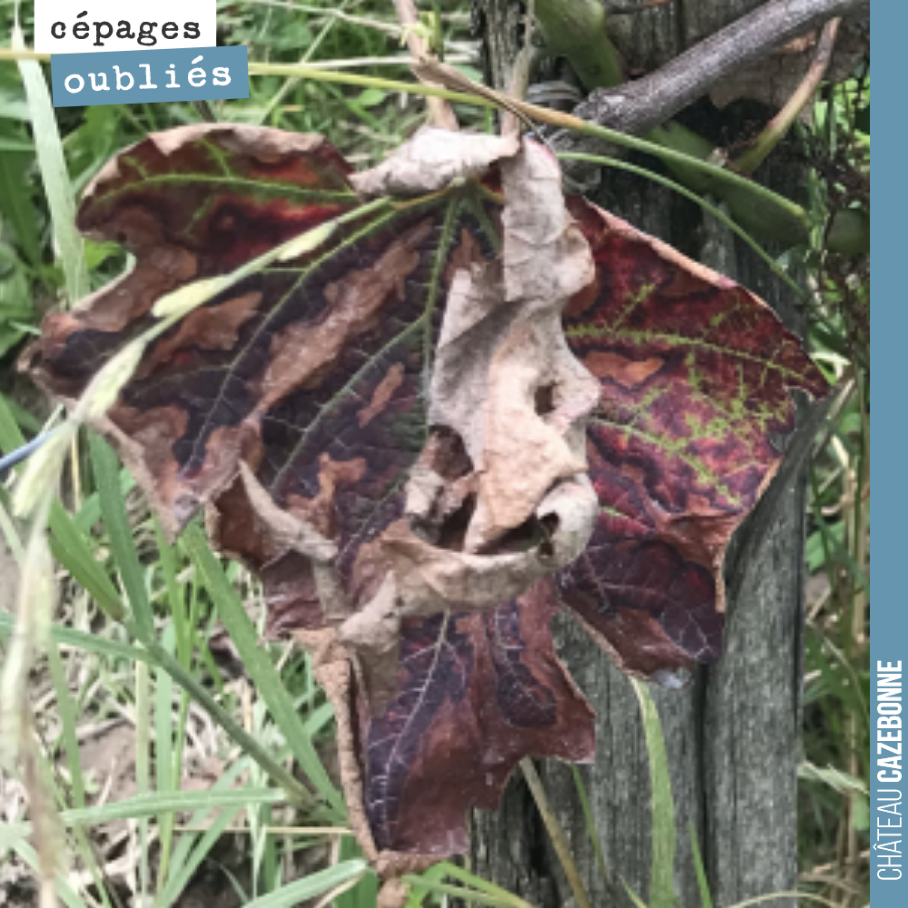
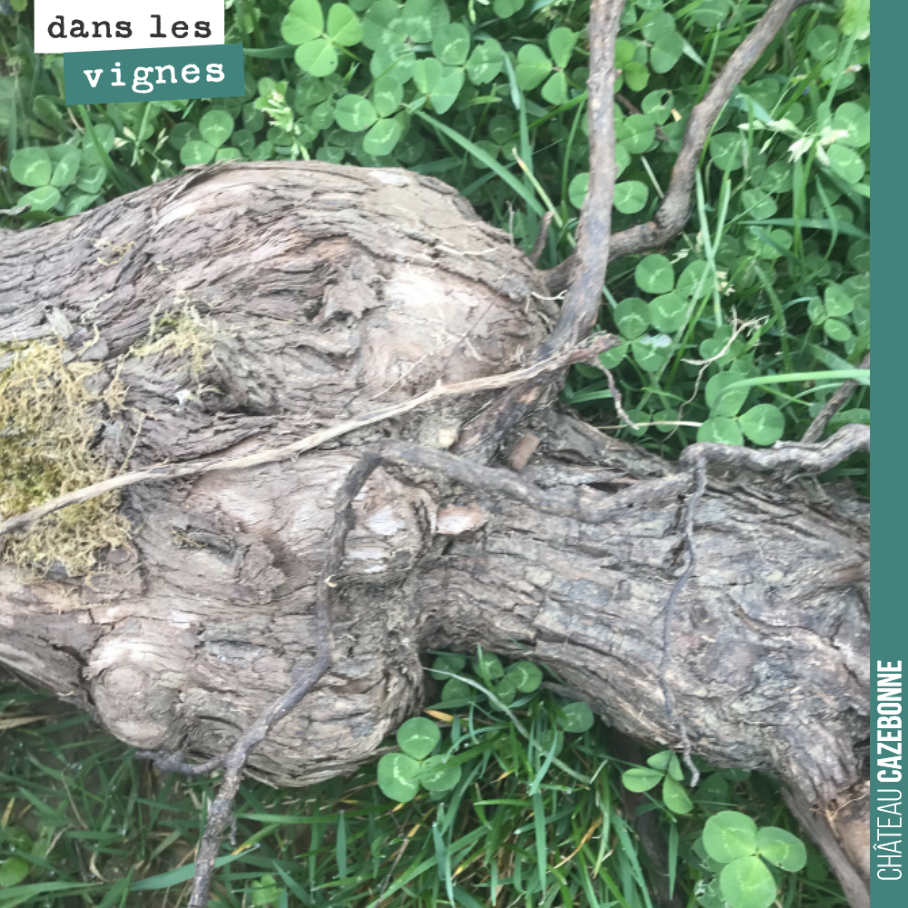
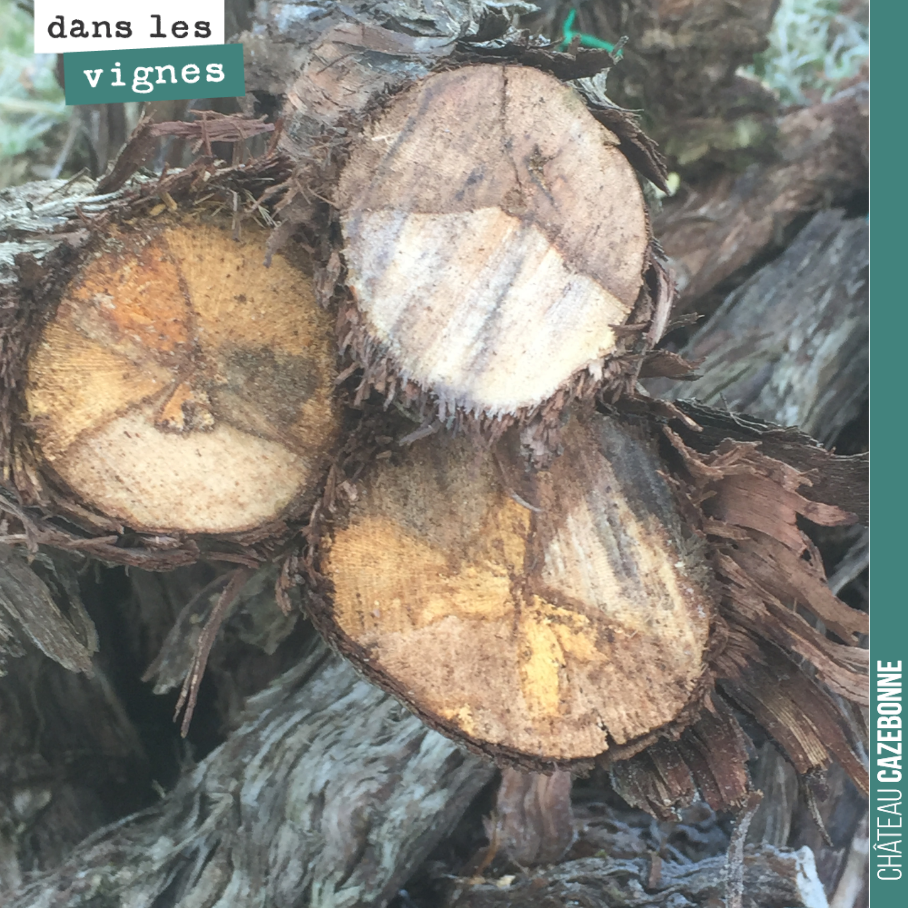
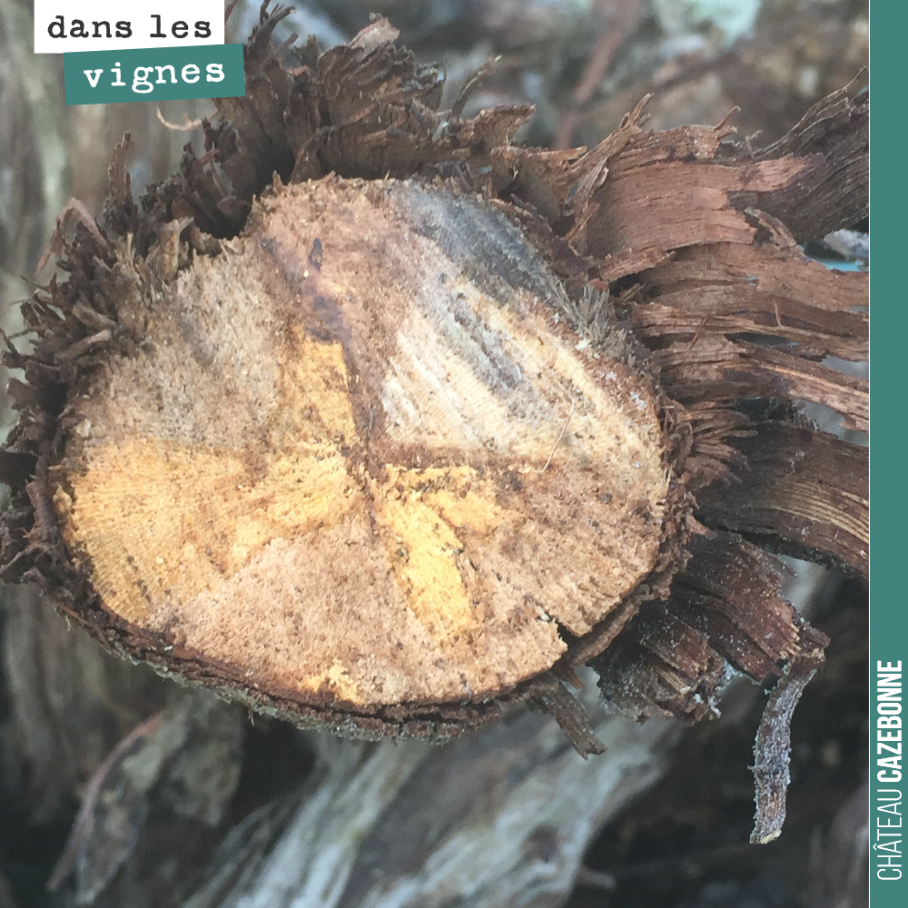
Wood diseases, such as esca, black rot, and bois noir, are growing problems in vineyards. Esca, which is particularly complex due to the multiple fungi involved, leads to the progressive decline of the vine, with varied symptoms ranging from foliar striping in summer to the sudden death of the plant. Black rot, for its part, is a fungal disease that attacks leaves and bunches, while bois noir presents symptoms similar to flavescence dorée and is also transmitted by an insect vector. Their management is crucial for the longevity of the vine and requires constant vigilance during pruning and other vineyard work.
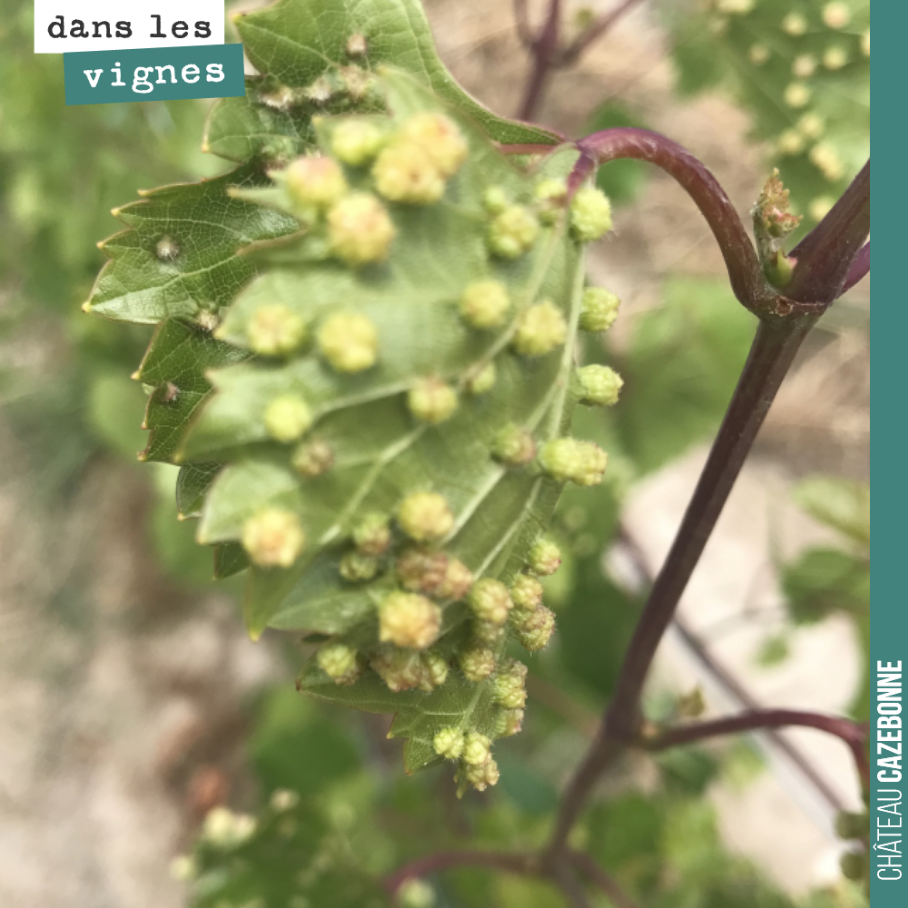
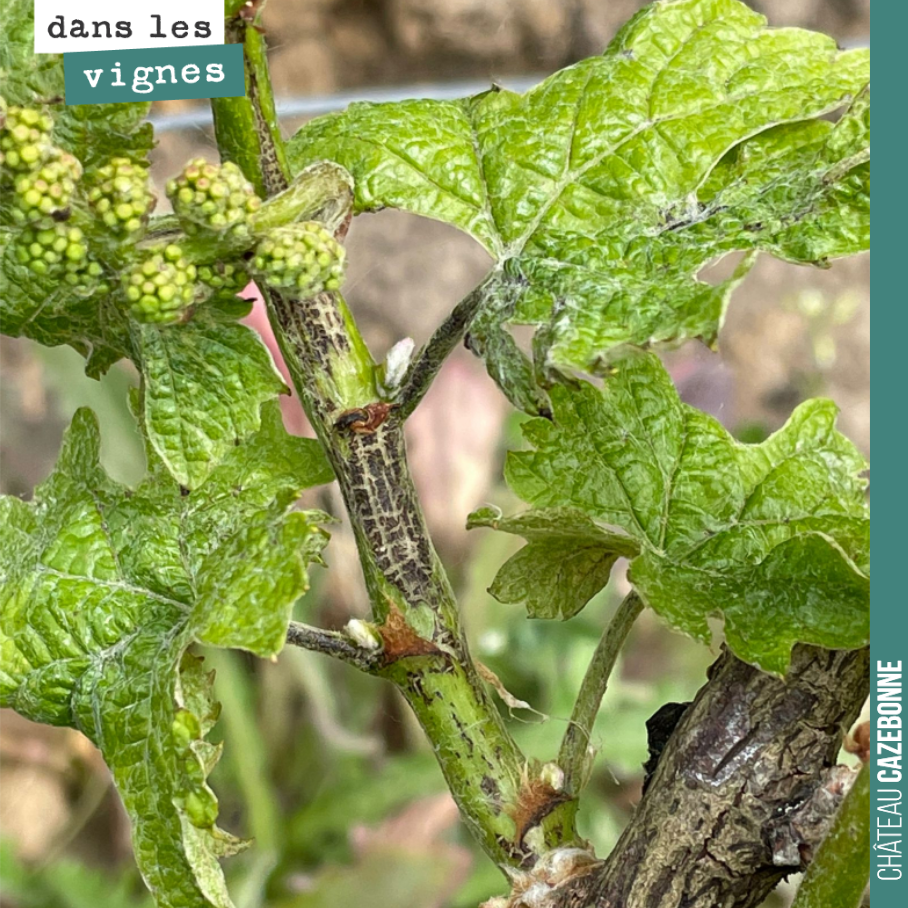
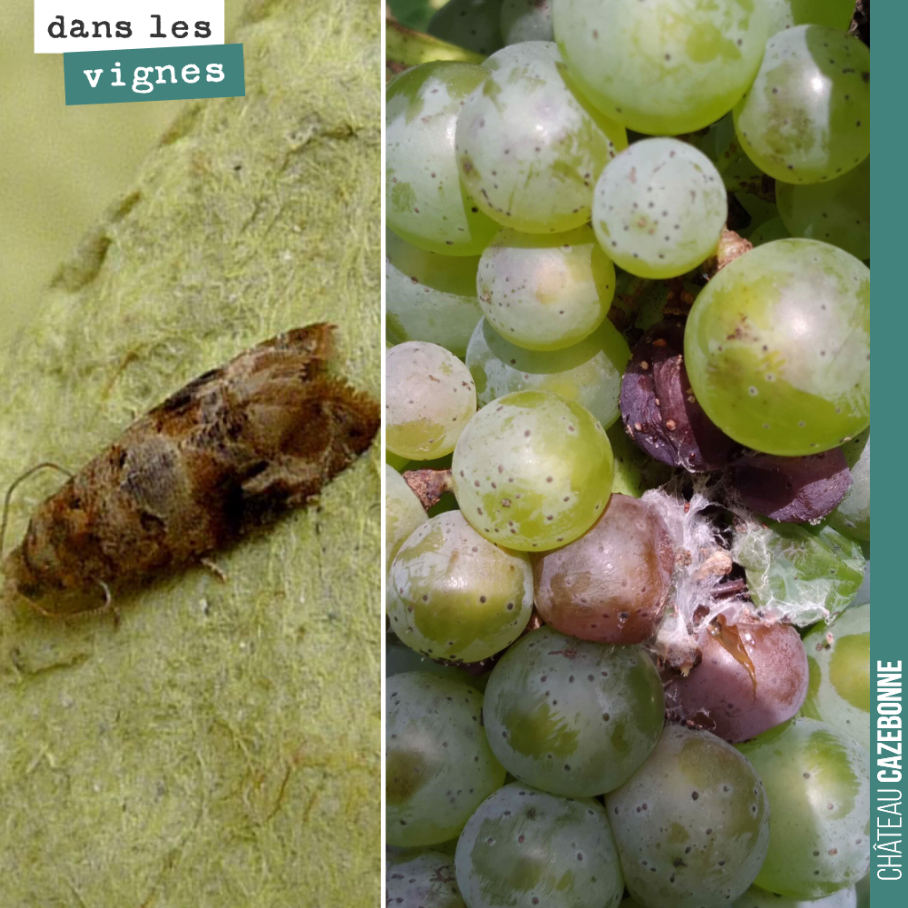
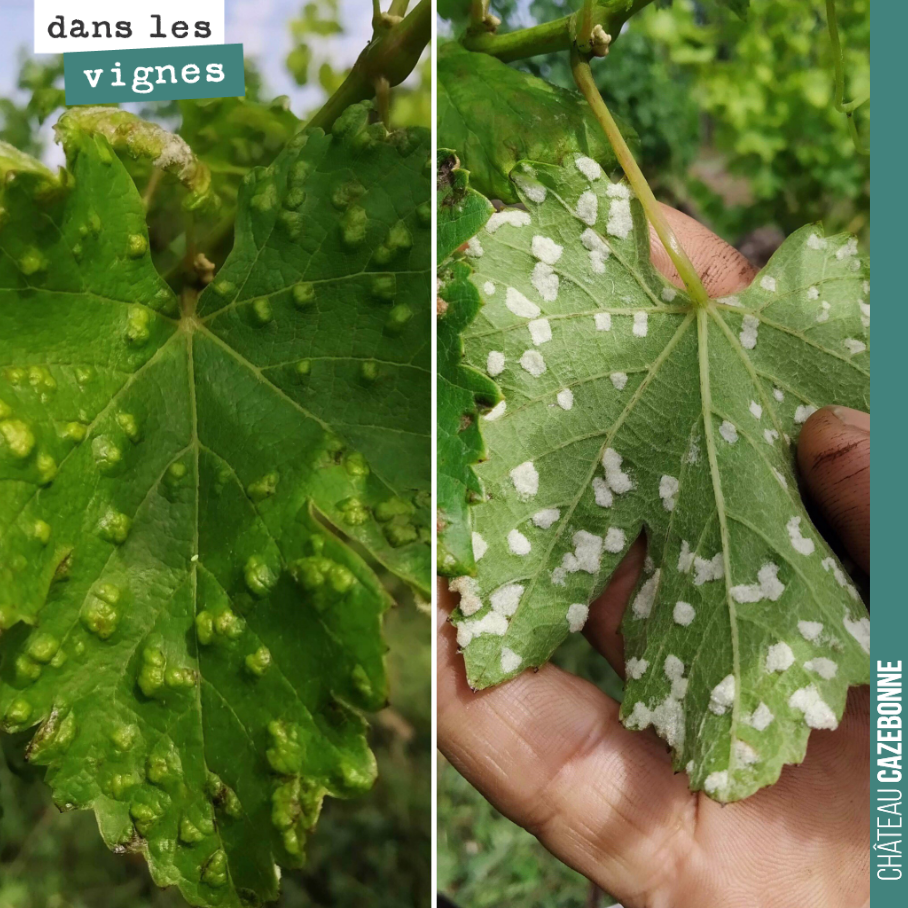
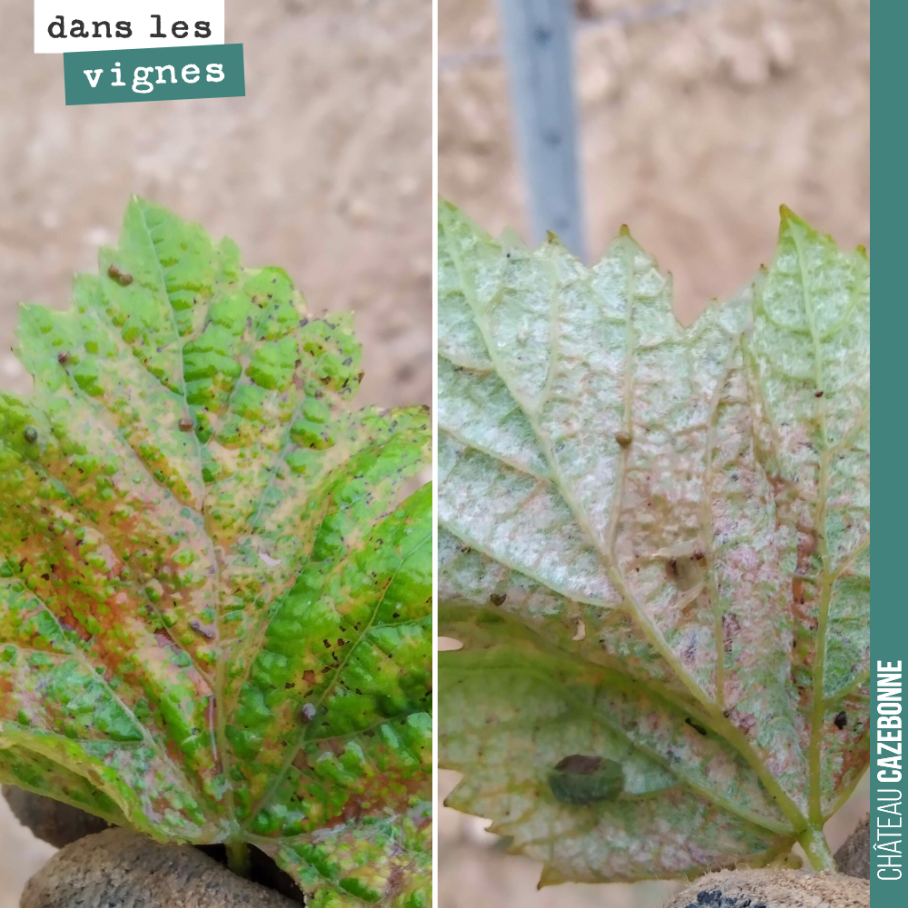
Parasites like erinose can cause blistering on the leaves, visible in the form of galls, without being lethal but affecting photosynthesis. Others, like aphids, feed on the sap and can weaken the plant, or even grape moths (eudemis) which directly attack the berries, promoting the development of rot.
At Château Cazebonne, we strive to cultivate a resilient vine, capable of better facing these threats. By replanting lost Bordeaux grape varieties, we seek to diversify our genetic heritage and restore biodiversity within our plots. This approach, combined with rigorous organic viticulture, aims to create a balanced ecosystem where the vine is less dependent on external interventions. We understand that the challenges are numerous, such as global warming, but we are convinced that old grape varieties can provide answers to consumer expectations.
This meticulous work, enriched by in-depth knowledge of the history of our vineyard, notably thanks to the book by Jean-Baptiste Duquesne which you can download to deepen your knowledge of Bordeaux grape varieties, allows us to progress. We also invite you to test your knowledge of the wine universe and discover our unique creations. Every bottle you buy in our online boutique embodies the resilience of our terroir and our commitment to environmentally respectful viticulture, thereby contributing to the revival of the diversity and ampelographic heritage of Bordeaux.
Sources
Our suggestions
-5%on your 1st order with code BIENVENUE
The essential6 bottles — Graves red 2022
The best price of the cellar: €12 per bottle delivered.
The everyday red: generous and straight to the point.
I want it Our recommendation92/100 RVF
6 bottles — Graves red 2022, 92/100 RVF
Rated 92/100 by La Revue du vin de France: a solid 10-year ageing potential.
Our Graves for ageing, the finest gateway to the estate.
I want it Go further
12 bottles — the whole range
12 bottles, the whole range tasted: the best discovery-to-price ratio.
The complete tour of the estate, in a single case.
I want it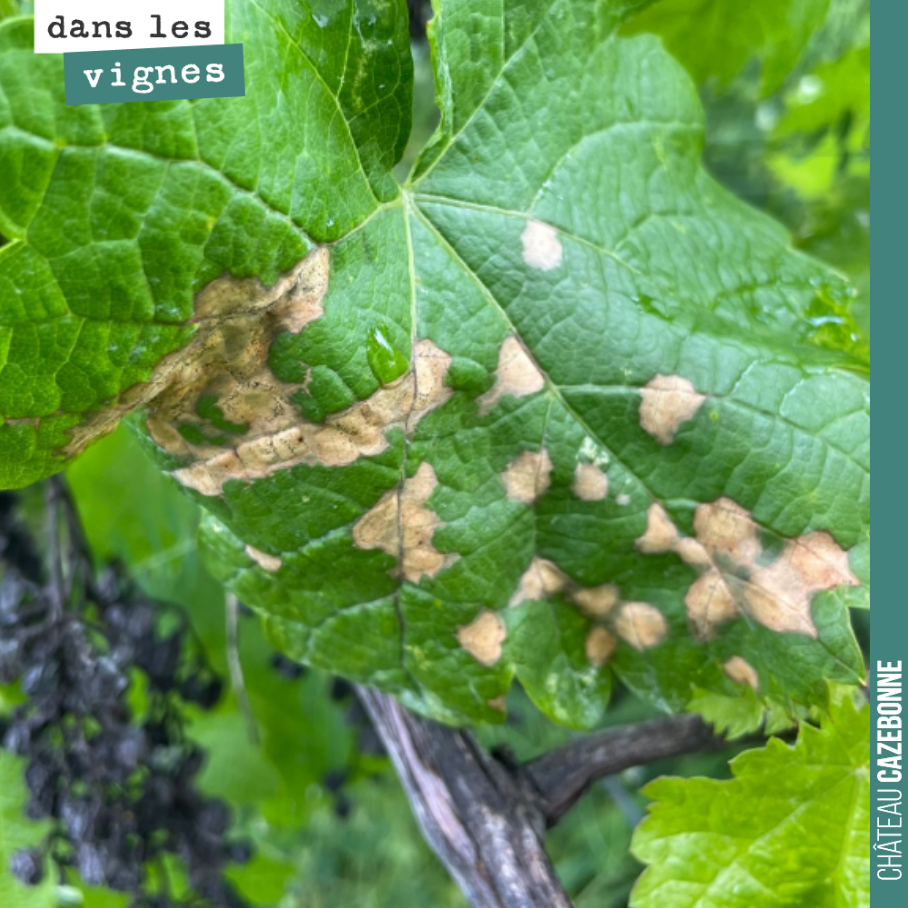
12 May 2023
10 May 2023
22 June 2022
12 May 2022
07 May 2022
06 September 2021
19 July 2021
27 June 2021
05 June 2021
28 February 2021

30 May 2020
06 January 2020
18 December 2019

13 November 2019
24 September 2019
20 August 2019
19 August 2019
19 August 2019
18 August 2019
14 August 2019
06 August 2019
29 July 2019

20 June 2019
16 June 2019
20 May 2019
16 January 2019
15 January 2019
31 December 2018
12 September 2018
11 September 2018

17 July 2018
23 June 2018
21 June 2018
07 June 2018
The cellar, forgotten grape varieties and our cuvées, twice a month. 5% off your first order with the code BIENVENUE.