The essential
6 × Entre Amis red
6 bottles — Graves red 2022
The best price of the cellar: €12 per bottle delivered.
The everyday red: generous and straight to the point.
I want itLeaf removal
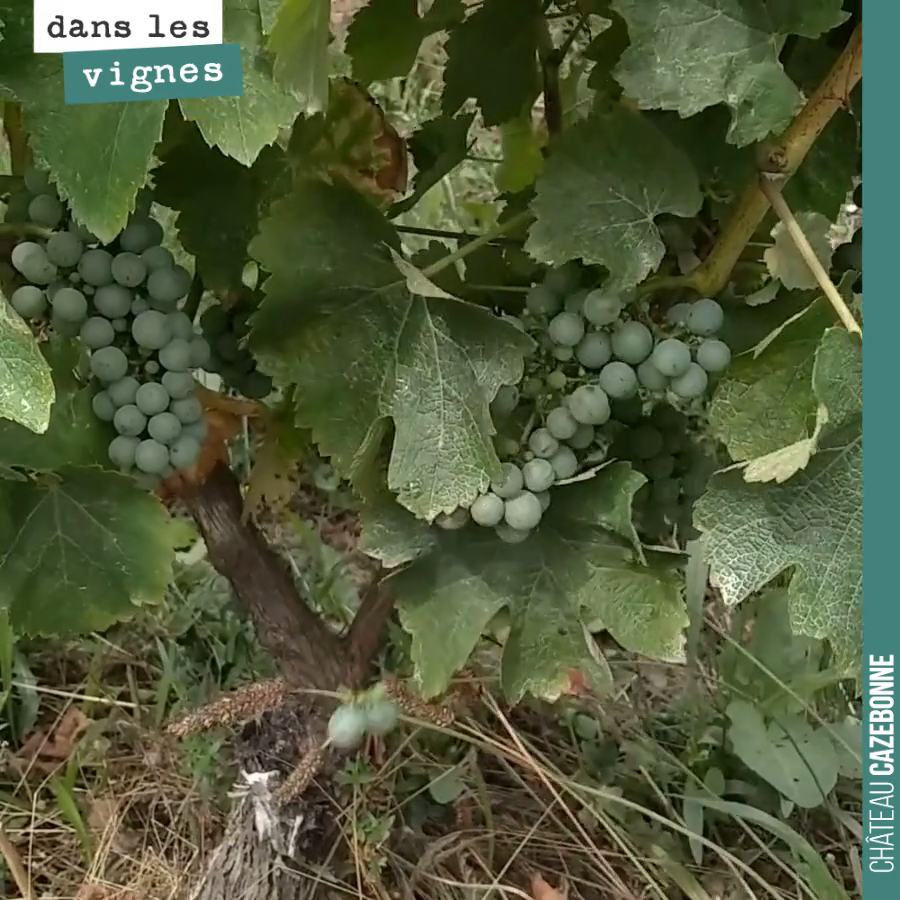
At the heart of vineyard work, leaf thinning represents a key, delicate, and strategic step for the quality of the future vintage. This meticulous practice consists of manually removing a portion of the leaves situated around the grape bunches. Far from being an insignificant act, leaf thinning meets specific objectives that are fundamental to the good health of the vine and the perfect ripening of the berries.
Traditionally, leaf thinning is carried out on only one side of the rows, the one that benefits from morning or afternoon sun, thus avoiding the side fully exposed during the hottest hours. This approach protects the bunches from excessive sunlight that could cause sunburn, altering their development and aromas. As Jean-Baptiste Duquesne explains in his book "Bordeaux, une histoire de cépages" (Éditions BBD), each grape variety has its specificities, and canopy management must adapt to its sensitivity and potential.
The benefits of leaf thinning are manifold. First of all, it promotes better aeration of the bunches. By removing dense foliage, air circulates more freely, significantly reducing the risks of cryptogamic diseases developing, notably grey rot. Well-aerated bunches are healthier bunches, guaranteeing a quality harvest.
Secondly, the moderate exposure of the berries to direct sunlight after leaf thinning helps to optimise their phenolic ripeness. This allows for better development of polyphenols, which are responsible for the colour, tannins, and aromas of the wine. The grape skins thicken, the tannins become more refined, and the aromas grow more complex, bringing depth and character to the future cuvée.
Finally, another practical advantage, and not the least, lies in facilitating the manual harvest. Visible and clear bunches are more accessible for the grape pickers, allowing for faster and more precise work without the risk of damaging the precious berries.
The timing of leaf thinning is crucial. It generally takes place after the vine's flowering and after fruit set, at the time of bunch closure, when the berries begin to increase in volume. Intervening too early would expose the young bunches to sunburn and drying out. Conversely, late leaf thinning might not have the desired impact on ripening and aeration. It must be adjusted according to the vintage, the climatic conditions, and the vigour of the vine.
Leaf thinning can be carried out in different ways. The most traditional method is manual leaf thinning, where vineyard workers remove the leaves by hand. This approach is precise and allows for a careful selection of leaves to remove, adapting perfectly to the configuration of each vine and bunch. For larger plots, mechanical leaf strippers can be used. These machines blow air or suck the leaves, or use rollers to tear them off. Although faster, they require fine-tuning to avoid damaging the bunches. The choice of method often depends on the estate's philosophy, the size of the vineyard, and the available workforce.
For manual leaf thinning, only the human hand is needed, sometimes supplemented by secateurs for more stubborn leaves or for other vineyard work such as vine trimming and desuckering. These tasks are part of the essential stages of vineyard management, just like vine lifting, which contributes to the proper maintenance of the vegetation.
Leaf thinning is a practice that fully aligns with a sustainable viticulture approach. By reducing humidity around the bunches, it decreases the need for fungicide interventions and contributes to biodiversity by limiting product use. It allows for better canopy management, which is essential for the proper development of the vine. However, in certain extreme conditions, such as during heatwaves, excessive leaf thinning could prove counterproductive, overexposing the bunches to the sun. Finding the right balance is key to best expressing respect for the terroir.
At Château Cazebonne, every action, including leaf thinning, is part of our philosophy of respecting the terroir and promoting the lost grape varieties of Bordeaux. Our commitment to replanting these forgotten varieties, illustrated by the in-depth work on the history of Bordeaux grape varieties, is an ambitious project made possible by the invaluable support of the many enthusiasts who have adopted our favourite wines. It is through this type of meticulous attention to the vine that we explore the richness of our viticultural heritage.
If you wish to discover the fruit of this labour and passion, you can find our cuvées for sale in the Cazebonne shop.
To deepen your knowledge of the fascinating history of Bordeaux grape varieties and understand the importance of this approach, we also invite you to receive the digital version of the book "Bordeaux, une histoire de cépages", published by Éditions BBD and written by Jean-Baptiste Duquesne, directly by email. You can also test your oenological knowledge with our wine quizzes, while discovering our wines available directly on our online shop. This work is made possible thanks to the support of enthusiasts who have adopted our wines and share our passion for Bordeaux's viticultural heritage.
Sources
Our suggestions
-5%on your 1st order with code BIENVENUE
The essential6 bottles — Graves red 2022
The best price of the cellar: €12 per bottle delivered.
The everyday red: generous and straight to the point.
I want it Our recommendation92/100 RVF
6 bottles — Graves red 2022, 92/100 RVF
Rated 92/100 by La Revue du vin de France: a solid 10-year ageing potential.
Our Graves for ageing, the finest gateway to the estate.
I want it Go further
12 bottles — the whole range
12 bottles, the whole range tasted: the best discovery-to-price ratio.
The complete tour of the estate, in a single case.
I want itThe cellar, forgotten grape varieties and our cuvées, twice a month. 5% off your first order with the code BIENVENUE.