
 The essential
6 × Entre Amis red
6 bottles — Graves red 2022
The best price of the cellar: €12 per bottle delivered.
The everyday red: generous and straight to the point.
I want itCanopy braiding
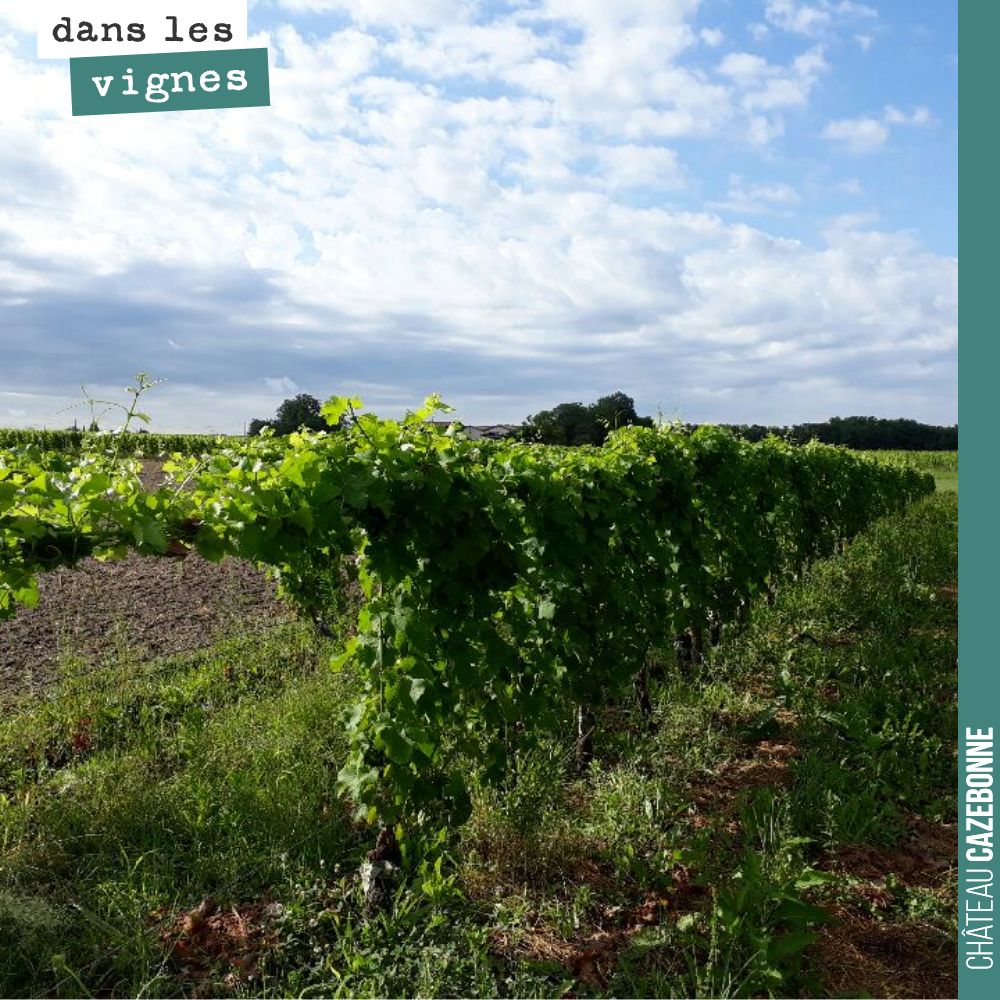
At the heart of the vineyard work that shapes the landscape of our Bordeaux terroirs, braiding represents a practice that is both ancestral and highly relevant in environmentally conscious viticulture. This method consists of intertwining the young shoots, called canes, generally during the months of June and July. However, its role is not limited to simple canopy management.
Traditionally, the primary objective of braiding is to keep the canes upright, preventing them from falling and obstructing the passage of vineyard machinery, notably the tractor. It is an ecological and less invasive alternative to mechanical trimming, which, by cutting the ends of the shoots, can sometimes subject the vine to unnecessary stress. Indeed, the sudden removal of a significant part of the foliage can disrupt the plant's physiological processes, which are essential for the proper ripening of the berries.
Braiding, on the contrary, preserves the entirety of the foliage. This retained leaf surface allows for optimal photosynthesis and contributes to better sap circulation. By harmoniously guiding the vine's growth, braiding helps to create a favourable microclimate around the bunches, promoting better aeration and balanced sun exposure. These ideal conditions are crucial for slow and steady ripening, guaranteeing a harmonious sugar/acidity balance, and consequently, superior grape quality. Braiding is therefore a subtle art, a thoughtful action that actively participates in the elaboration of wines of great finesse.
At Château Cazebonne, we share this philosophy of respectful and thoughtful vineyard work. Our commitment goes even further with the bold replanting of historic Bordeaux grape varieties, sometimes little-known or forgotten. As rightly highlighted in the book "Bordeaux, une histoire de cépages" by Jean-Baptiste Duquesne, published by Éditions BBD, the richness of our terroir also lies in the diversity of its original varieties. This meticulous work is a strong act of preserving a unique viticultural heritage, a quest to rediscover the soul of yesteryear's wines and explore new expressions for our cuvées.
This exciting mission, a true agronomic and oenological challenge, is made possible thanks to the unwavering support of a community of enlightened enthusiasts. Your commitment and your appreciation of our wines nourish this adventure and allow us to breathe life back into grape varieties that have so much to offer to the typicity of Bordeaux wines. If you wish to discover the fruit of this labour and passion, you can find our cuvées for sale on the Cazebonne boutique.
To deepen your knowledge of the fascinating history of Bordeaux grape varieties and understand the importance of this approach, we also invite you to receive the digital version of the book "Bordeaux, une histoire de cépages", directly by email by visiting our website.
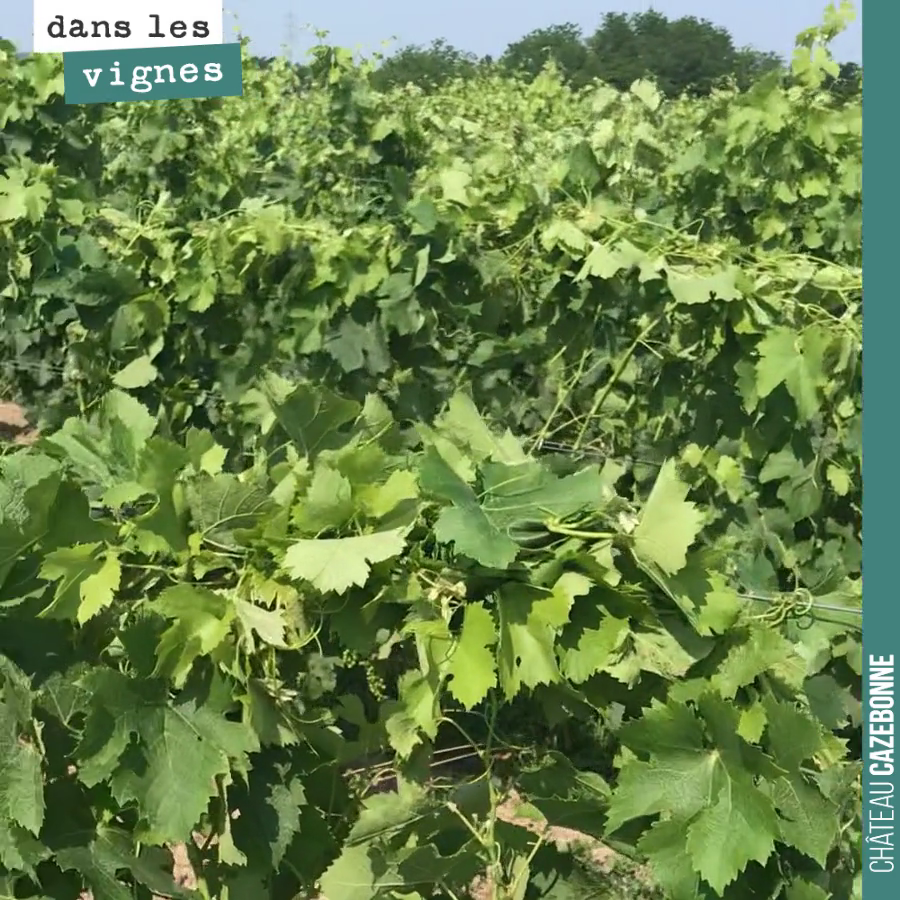
Braiding is a manual operation consisting of intertwining the vine canes instead of cutting them, in order to control their vegetative growth. It is a task that follows on from the lifting of the vine, but which goes further by offering a gentle and non-traumatic alternative for the plant.
The main objective of braiding is twofold. On the one hand, it aims to regulate the vine's vigour by harmoniously distributing the vegetation over the trellising wires, thus avoiding the excessive development of certain parts to the detriment of others. On the other hand, by maintaining dense and well-distributed foliage, it maximises the surface area exposed to the sun, promoting optimal photosynthesis. This has a direct impact on grape quality, as better nourishment of the plant leads to a better accumulation of sugars and aromatic compounds. Furthermore, braiding creates an aerated microclimate around the bunches, limiting the risks of humidity and the development of diseases such as botrytis.
Braiding generally takes place after flowering and fruit set, typically between the months of June and July in the Bordeaux vineyard. It is carried out when the canes have reached a sufficient length to be handled, but before they become too lignified and brittle. The ideal stage is when growth is still active, allowing the shoots to bend without breaking.
The implementation of braiding is a meticulous task that requires experience and observation. Winegrowers select the longest and most promising canes for future fruiting, and delicately guide them between the wires of the vine trellising. It is a twisting and intertwining movement, where the winegrower literally "braids" the vine without constraining it excessively. The canes are directed in such a way as not to create dense shade on the bunches, while ensuring good aeration. This technique also contributes to the longevity of the plant by promoting sap return, somewhat like the principle of spur pruning.
Braiding is by nature entirely manual work. It requires no specific equipment beyond the trellising wires already in place in the vineyard. The main tool remains the expert hand of the winegrower, able to feel the flexibility of the cane and decide the best direction for its growth. It is a know-how that is passed down, the fruit of experience and an understanding of the plant.
Historically, braiding has established itself as an ecological alternative to trimming. It avoids the use of machinery for summer pruning, thereby reducing energy consumption and the carbon footprint. By preserving the integrity of the foliage, it prevents the water stress that can be caused by overly severe pruning in dry weather. It aligns perfectly with the principles of viticultural biodynamics, where respect for the plant and its environment is paramount. To further explore these practices, please feel free to consult our article on the Powdering category.
At Château Cazebonne, braiding is a cornerstone of our cultivation approach. Rooted in our philosophy of respecting the terroir and biodiversity, it allows us to accompany the vine in its natural development, without artifice. We favour these manual actions, which strengthen the bond between plant and human, while ensuring grapes of optimal quality, reflecting the richness of our soils. It is a constant commitment to authentic wines that fully express their origin.
Château Cazebonne, with its commitment to ancestral grape varieties and respectful viticultural practices, demonstrates that tradition and innovation can go hand in hand to produce exceptional wines. This meticulous work, much like vine desuckering, is made possible thanks to the support of enlightened enthusiasts. To learn more about our history and philosophy, you can explore vine tendrils, or, to better understand other essential actions in the vegetative cycle, earth up the vine by consulting our dedicated article. Download our book "Bordeaux, une histoire de cépages" or test your oenological knowledge with our oenology quizzes. And to discover the fruit of our passion, please feel free to visit our online boutique.
Our suggestions
-5%on your 1st order with code BIENVENUE
The essential6 bottles — Graves red 2022
The best price of the cellar: €12 per bottle delivered.
The everyday red: generous and straight to the point.
I want it Our recommendation92/100 RVF
6 bottles — Graves red 2022, 92/100 RVF
Rated 92/100 by La Revue du vin de France: a solid 10-year ageing potential.
Our Graves for ageing, the finest gateway to the estate.
I want it Go further
12 bottles — the whole range
12 bottles, the whole range tasted: the best discovery-to-price ratio.
The complete tour of the estate, in a single case.
I want it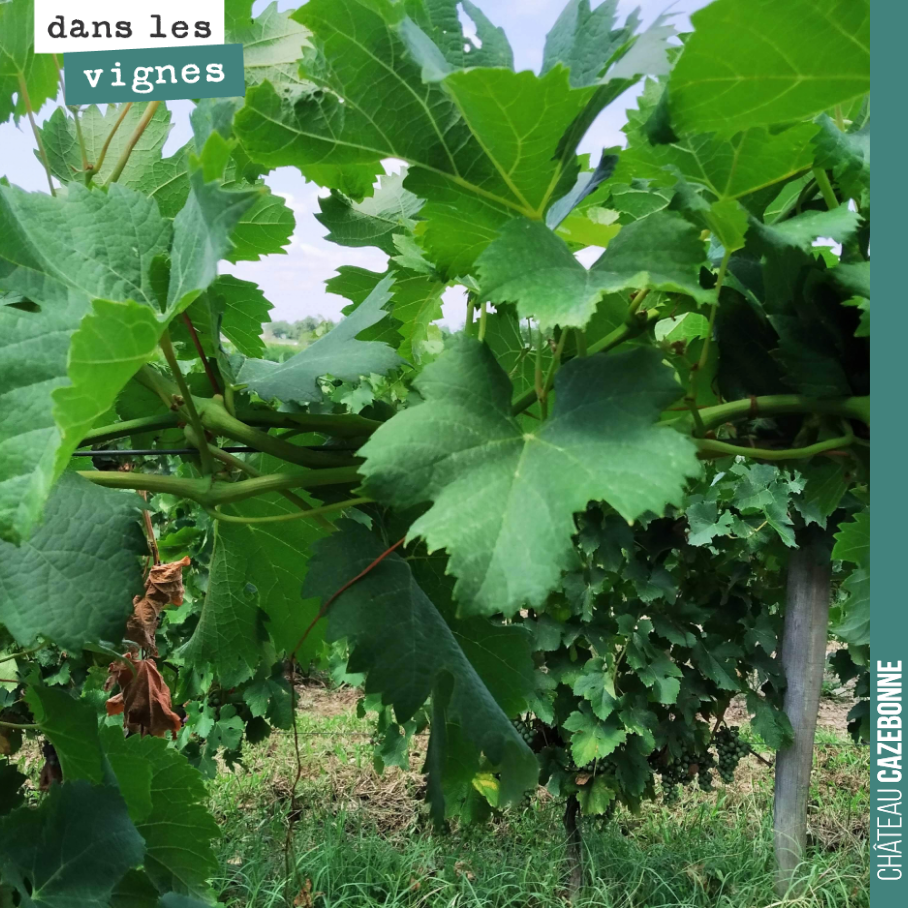
12 August 2019
07 July 2019
02 July 2018
The cellar, forgotten grape varieties and our cuvées, twice a month. 5% off your first order with the code BIENVENUE.