
 The essential
6 × Entre Amis red
6 bottles — Graves red 2022
The best price of the cellar: €12 per bottle delivered.
The everyday red: generous and straight to the point.
I want itBiodiversity
Agroecology in viticulture represents much more than a method; it is a philosophy, a deep commitment to a balanced and sustainable vineyard ecosystem. It aims to recreate and preserve natural balances within and around the vineyard, drawing inspiration from the mechanisms of forest ecosystems. Rather than simply cultivating vines, agroecology focuses on cultivating soil life and the diversity of flora and fauna, in order to strengthen plant resilience and wine quality. At Château Cazebonne, this commitment translates into a constant search for harmony between farming practices and the richness of living things, as evidenced by our approach to living soils.
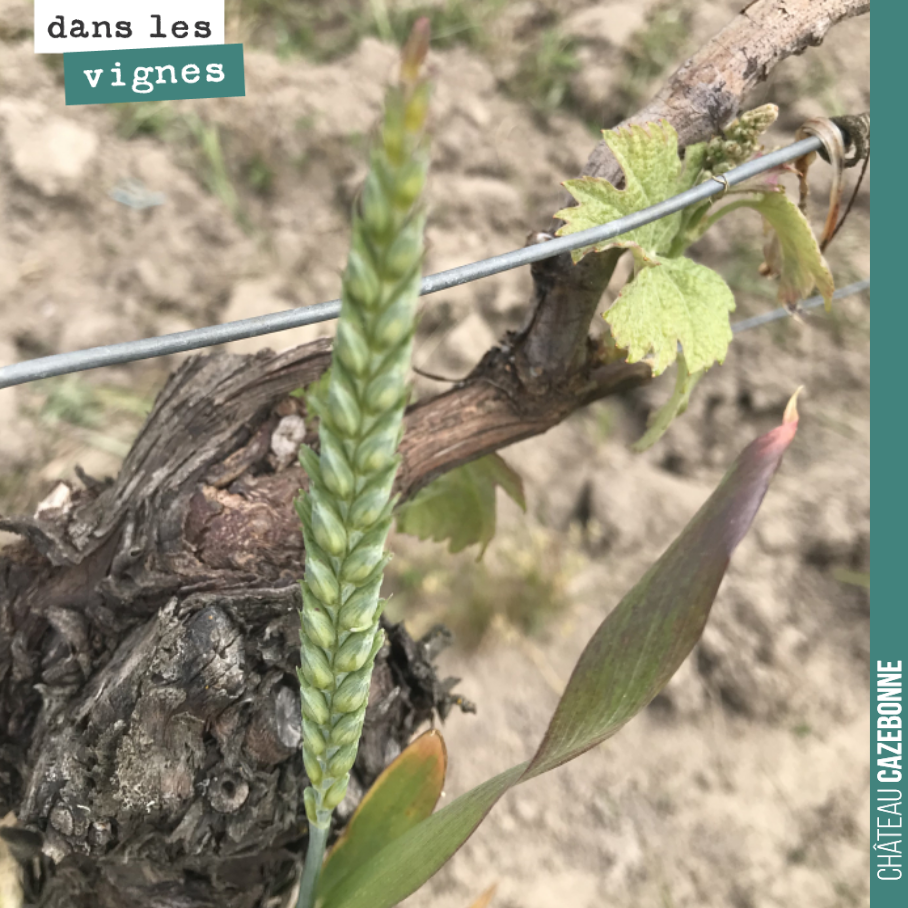
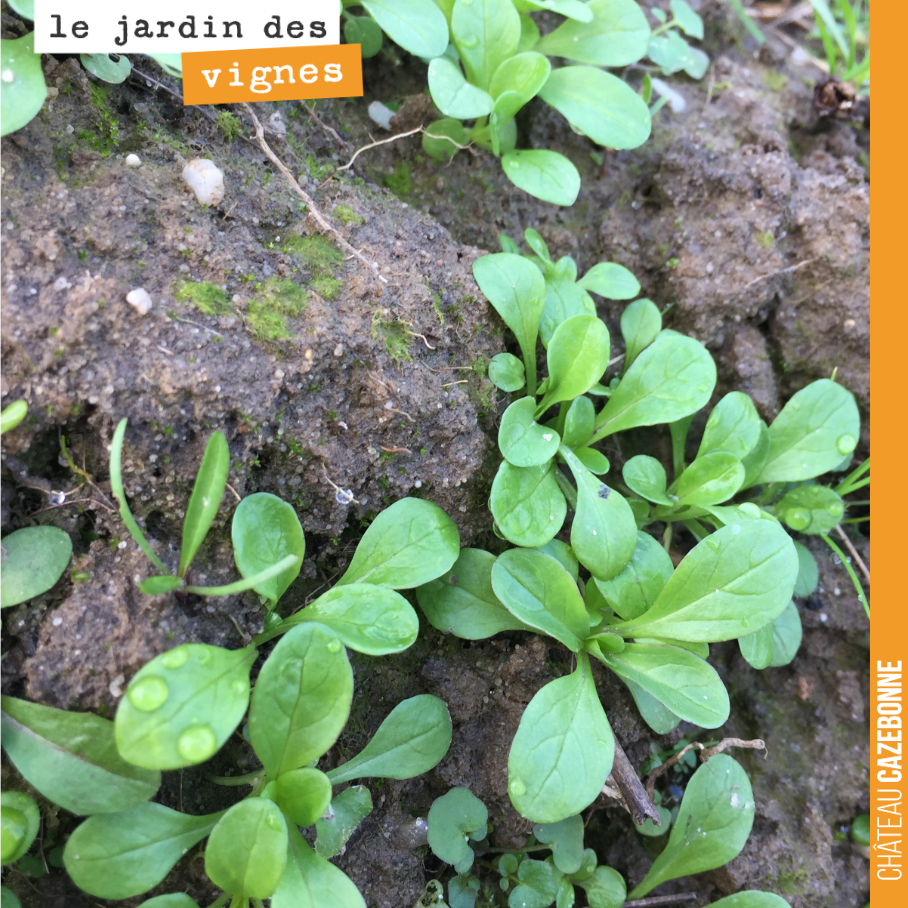
The mechanisms of agroecology rest upon several pillars. Firstly, respecting and stimulating the microbial and macrobial life of the soil, which is essential for fertility and structure. This involves reducing tillage and adding organic matter. Secondly, the spatial and temporal diversification of crops, through the integration of cover crops between the vine rows. These provide nitrogen, improve soil structure, and offer a habitat for numerous beneficial organisms. Thirdly, the promotion of functional biodiversity, meaning all the species (insects, birds, microorganisms) that contribute to the natural regulation of pests and diseases. Finally, the minimisation of synthetic chemical inputs, replacing them with preventive practices and natural treatments, sometimes inspired by biodynamics.
The agroecological work calendar is intrinsically linked to natural cycles. Spring sees the establishment of cover crops, which will flower to feed pollinators and enrich the soil. Summer is marked by careful observation of flora and fauna, allowing for targeted and gentle interventions. Autumn, after the harvest, is the time to sow green manures to protect the soils during winter and prepare for the following season. Each season at Château Cazebonne is an opportunity to apply respectful techniques, such as the crushing of vine shoots which are reintegrated into the soil, thereby promoting sustainable viticulture.
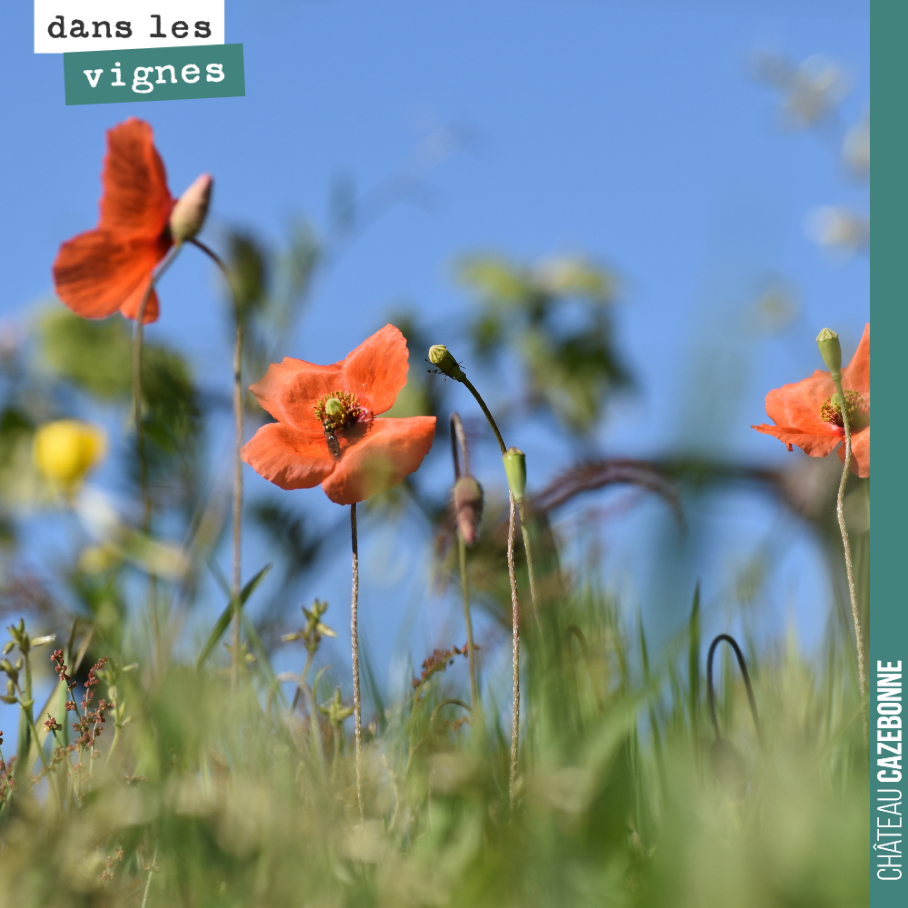
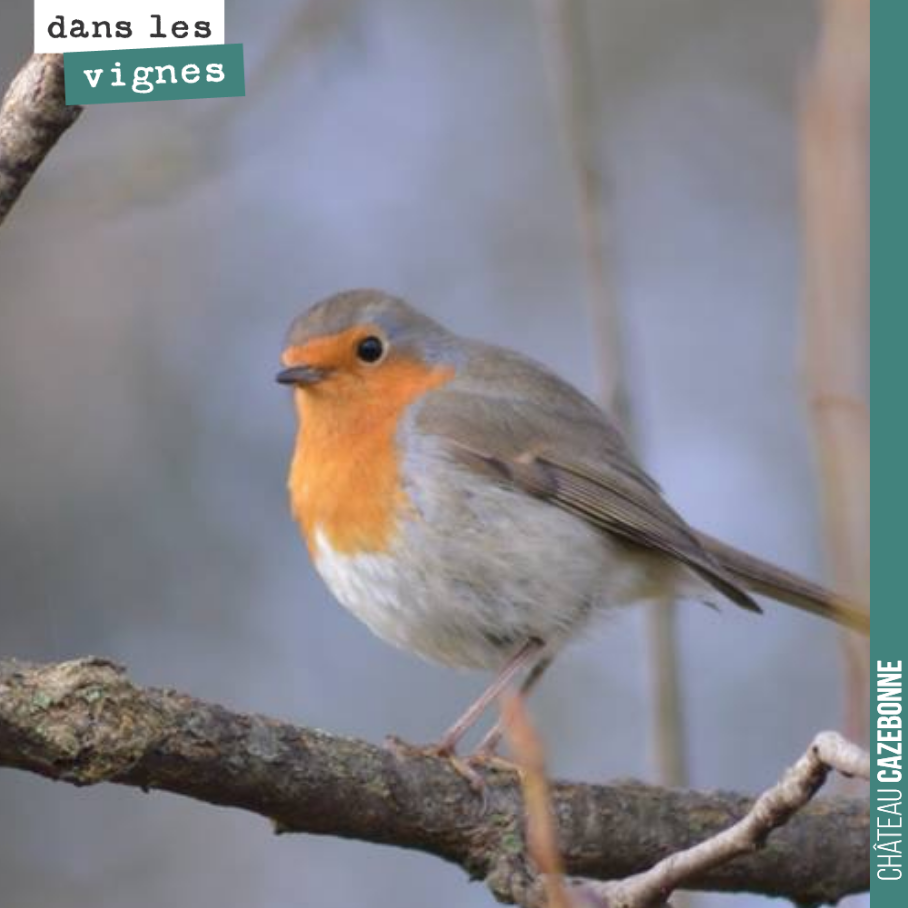
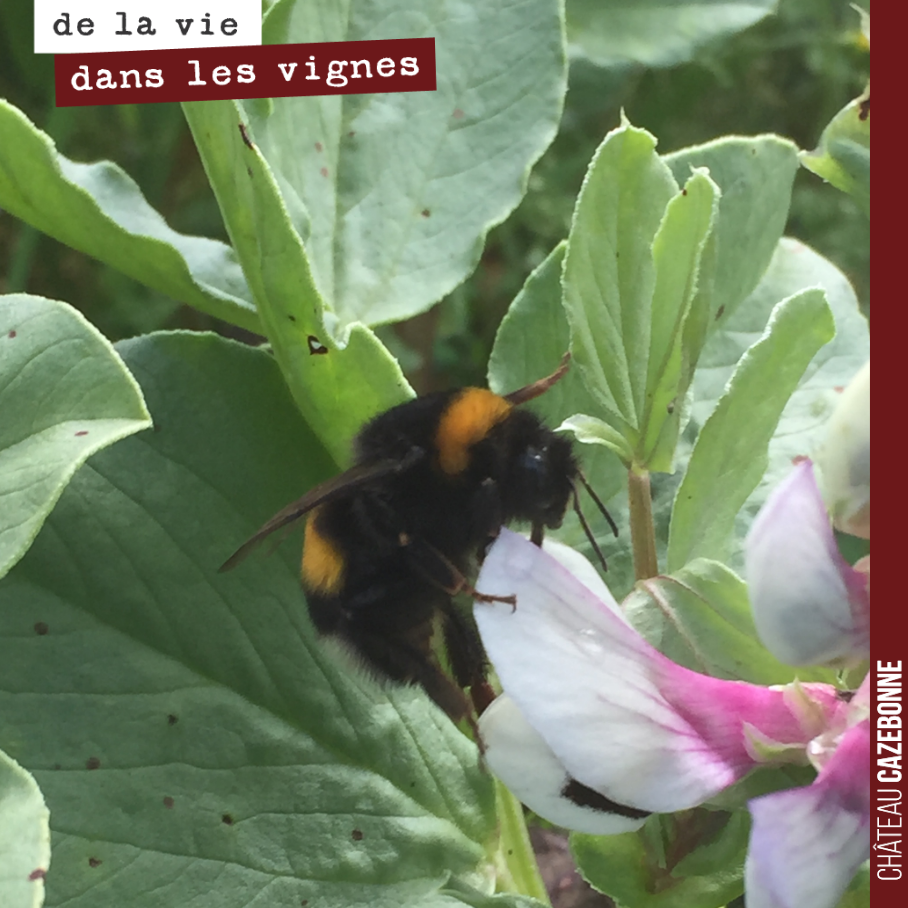
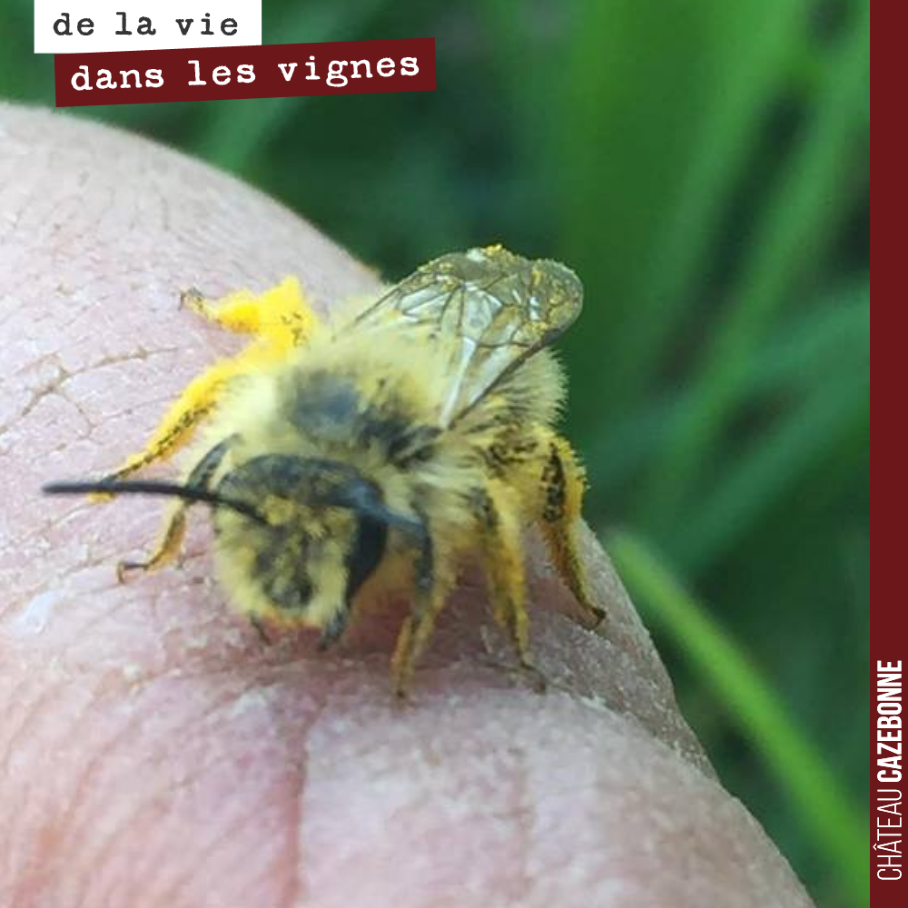
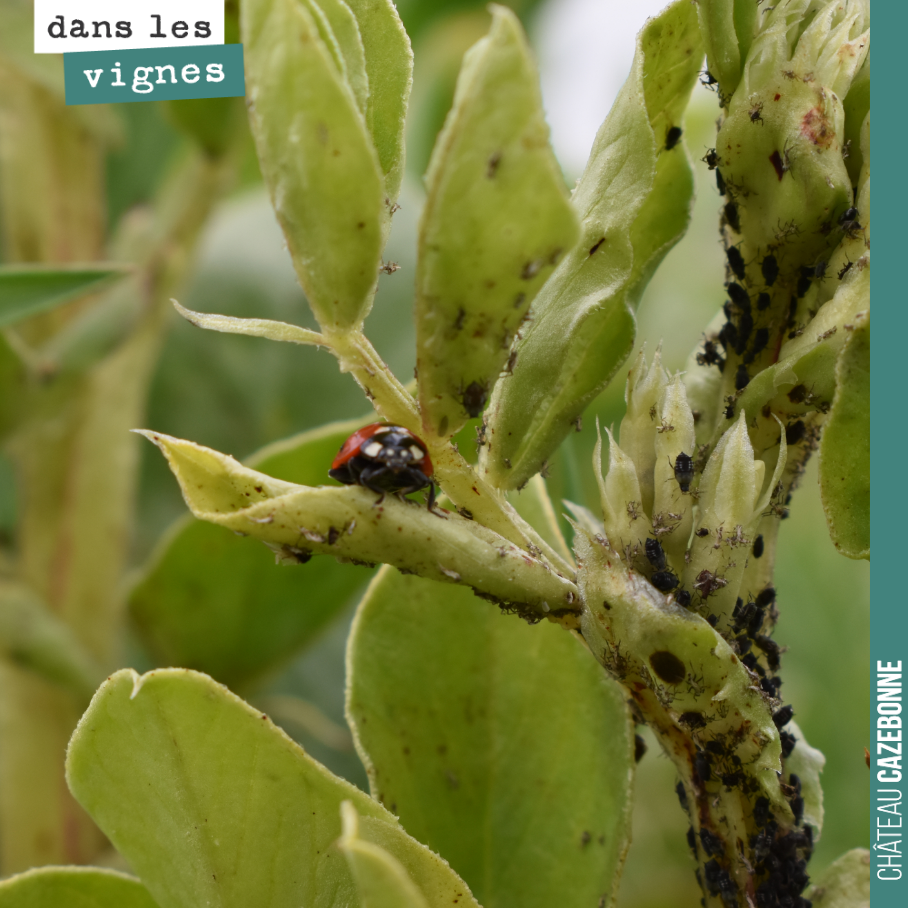
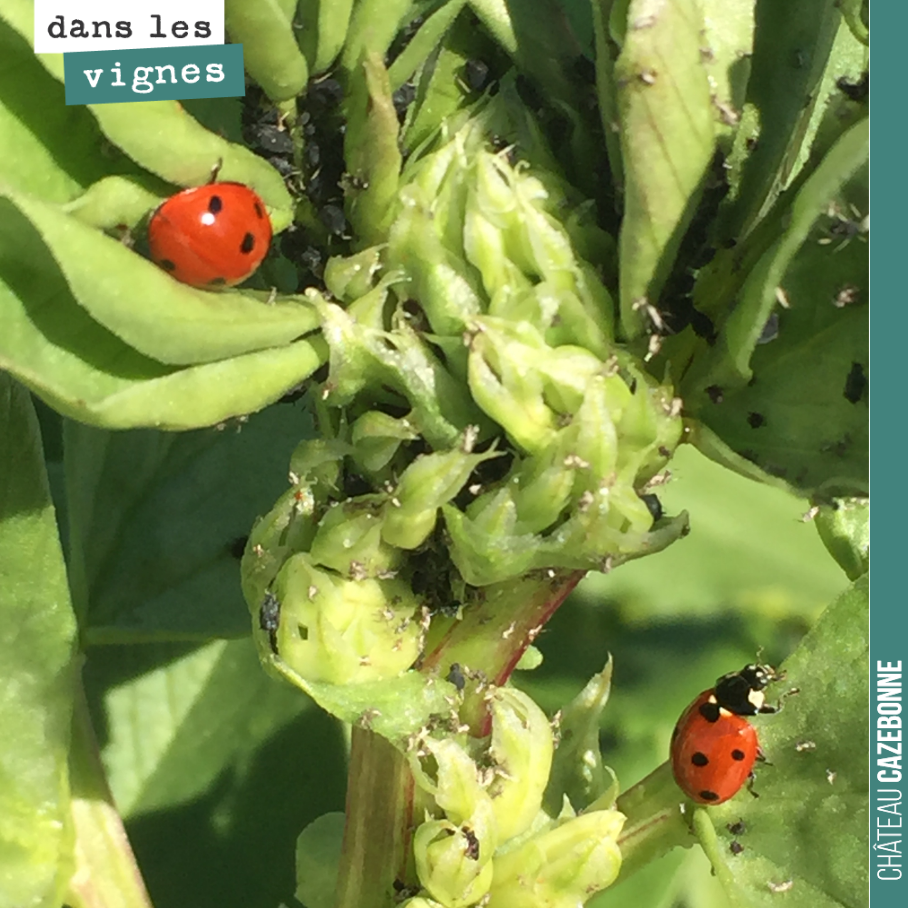
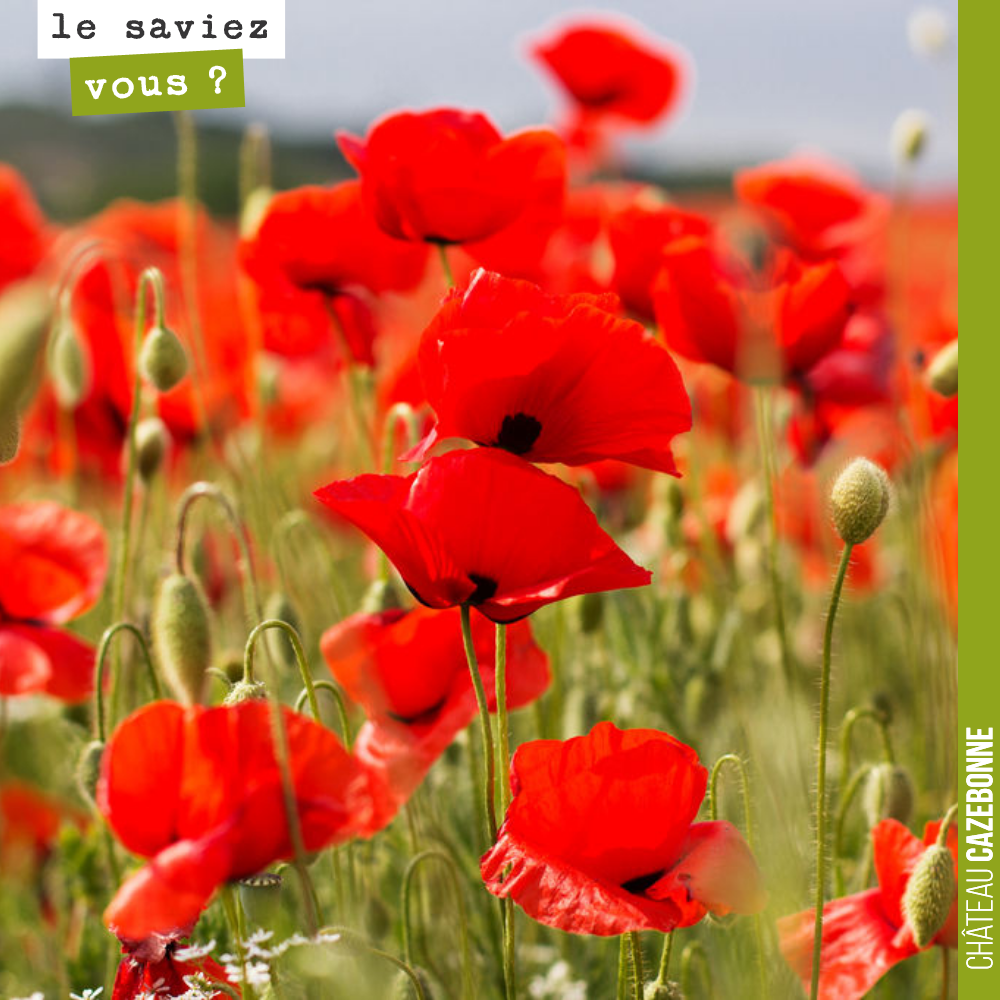
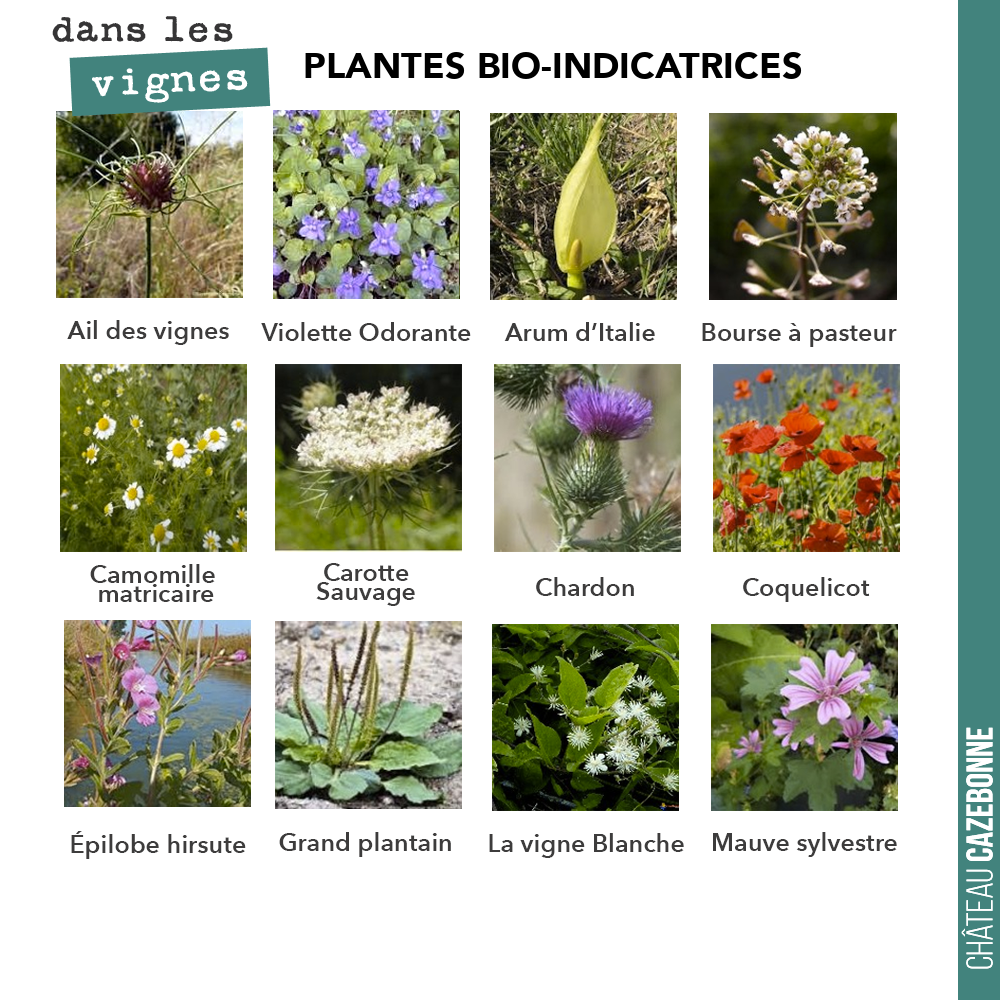
The benefits of agroecology are visible. In our vineyards, the presence of diverse flora, such as orchids and poppies, is an indicator of the good health of our soils. The multiplication of bees and ladybirds is a sign of better regulation of insect populations. The birdsong, which is more frequent, testifies to the return of a balanced food chain where species like the tit find refuge. This transformation is not merely aesthetic; it is the sign of a naturally more resilient and productive vineyard ecosystem.
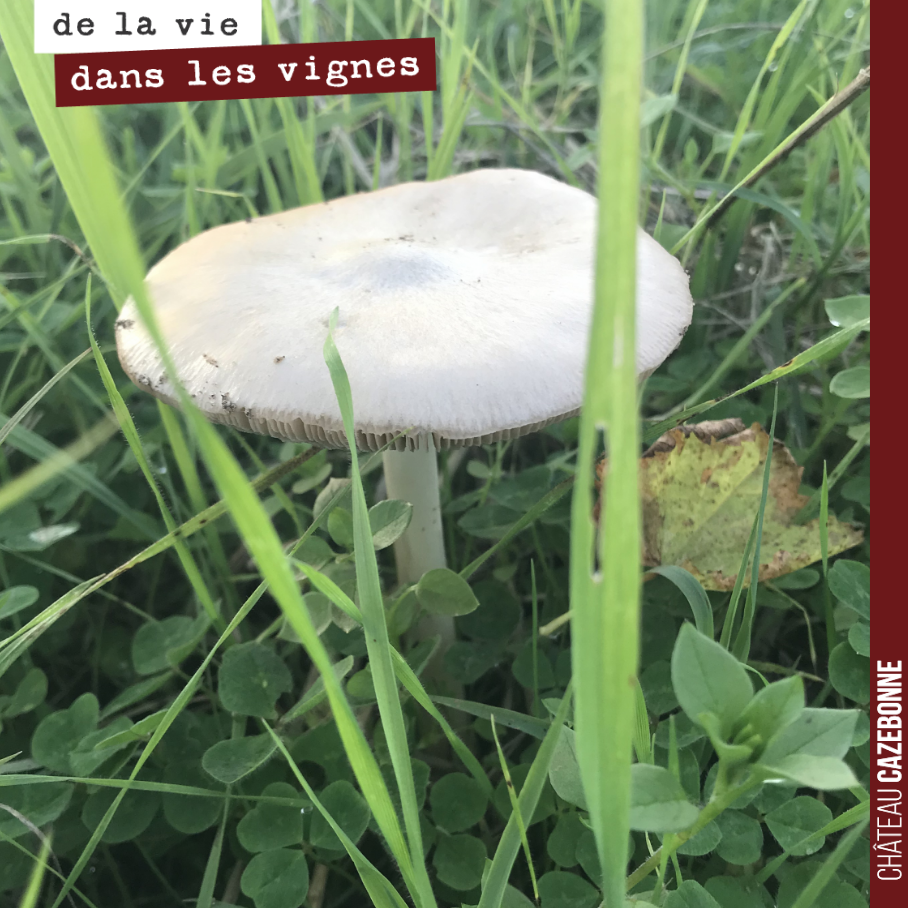
At Château Cazebonne, our approach goes well beyond the simple production of wine. Since 2016, we have resolutely committed the estate to a conversion towards organic farming, and the results of this transition are visible to the naked eye today, testifying to an ecosystem in the midst of a rebirth. It is no coincidence that mosses, indicators of unbalanced land, are tending to disappear, making way for teeming subterranean life. Earthworms, the true architects of the soil, have become more abundant, improving the aeration and fertility of our plots. This soil dynamic is essential for the health of the vine, allowing it to more effectively draw the nutrients necessary for its development and the expression of its terroir.
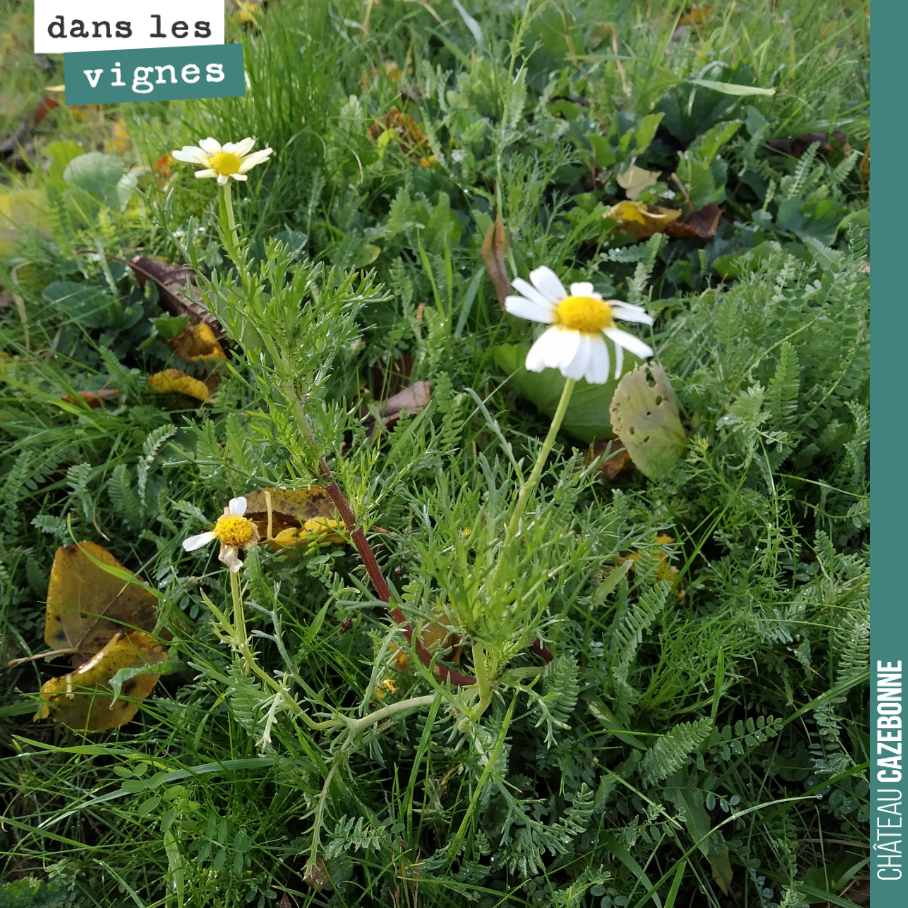
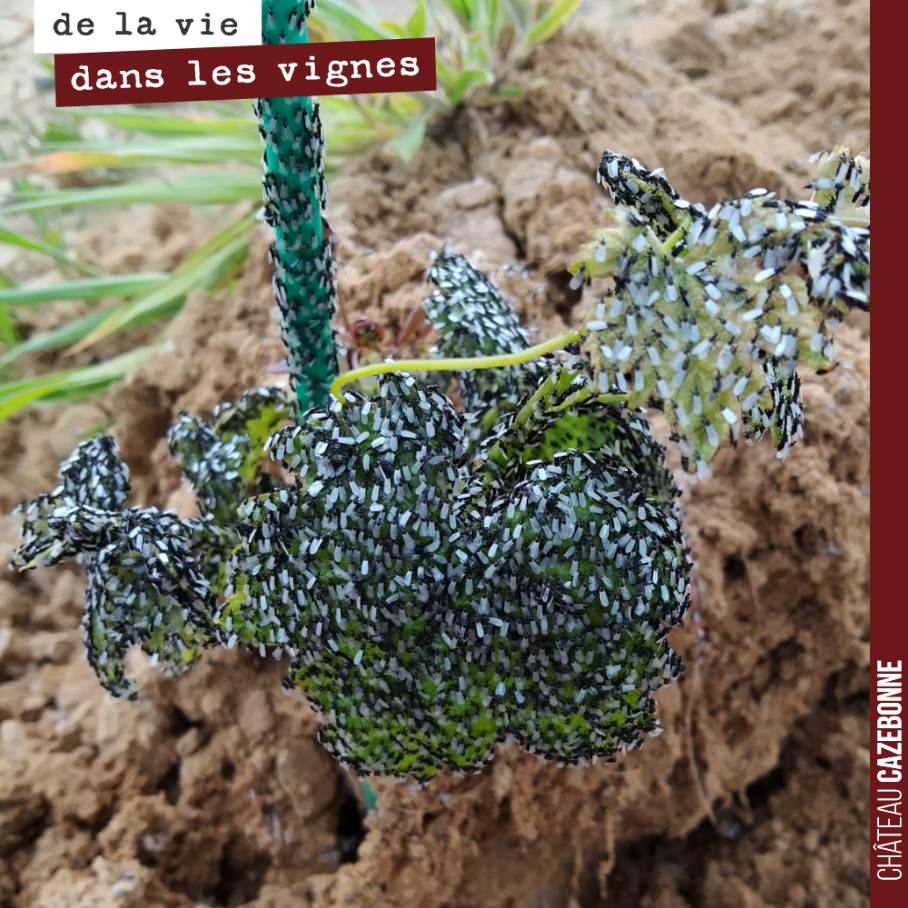
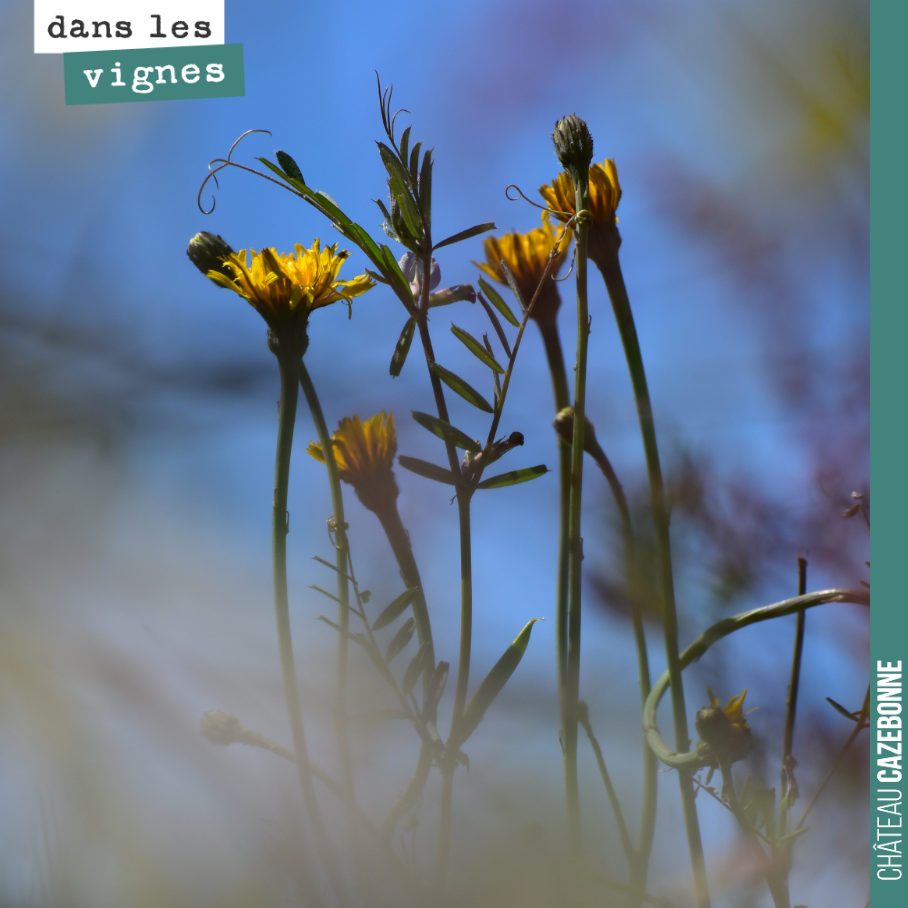
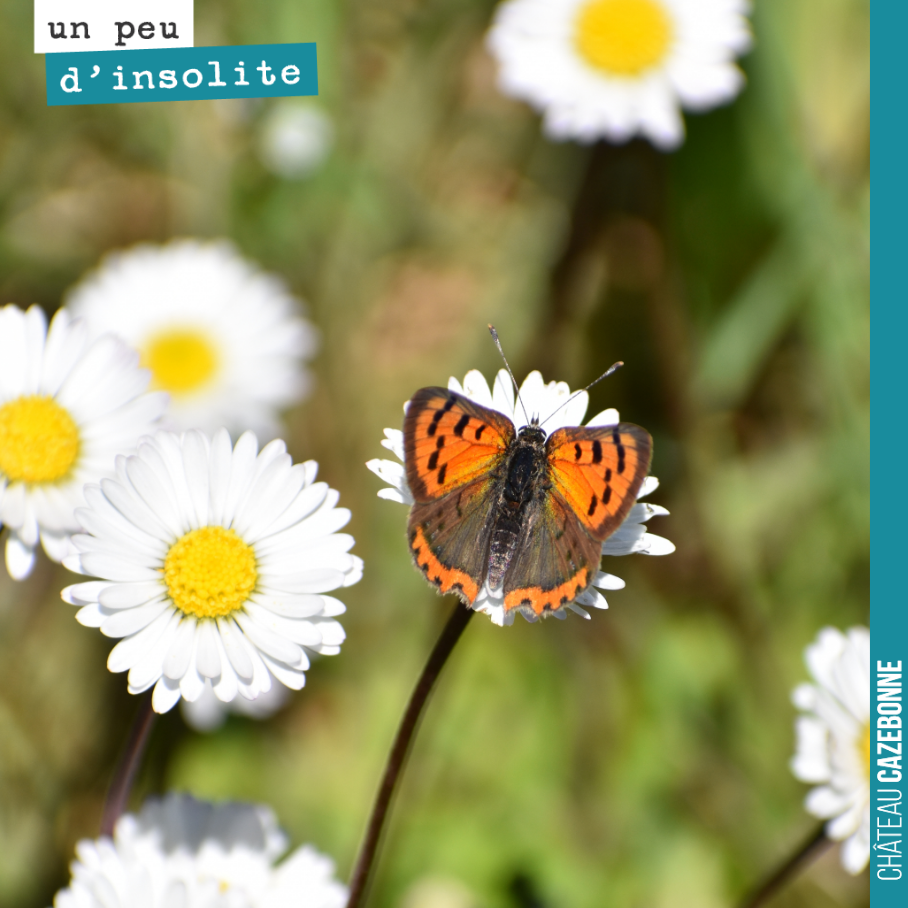
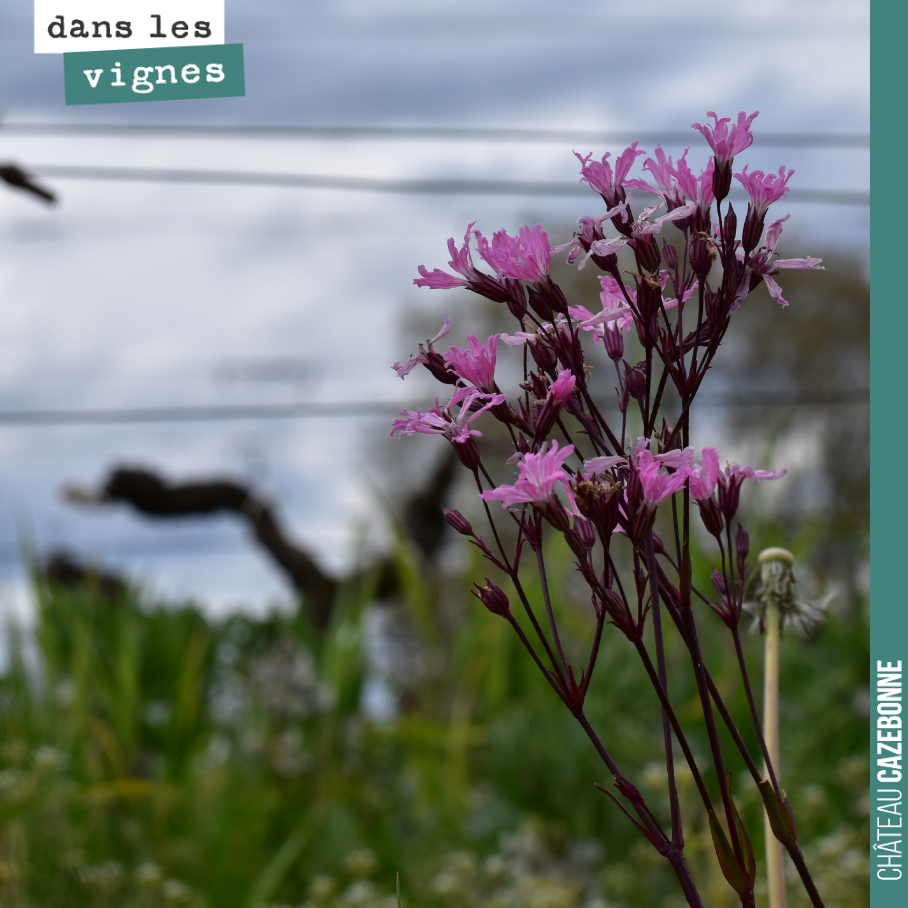
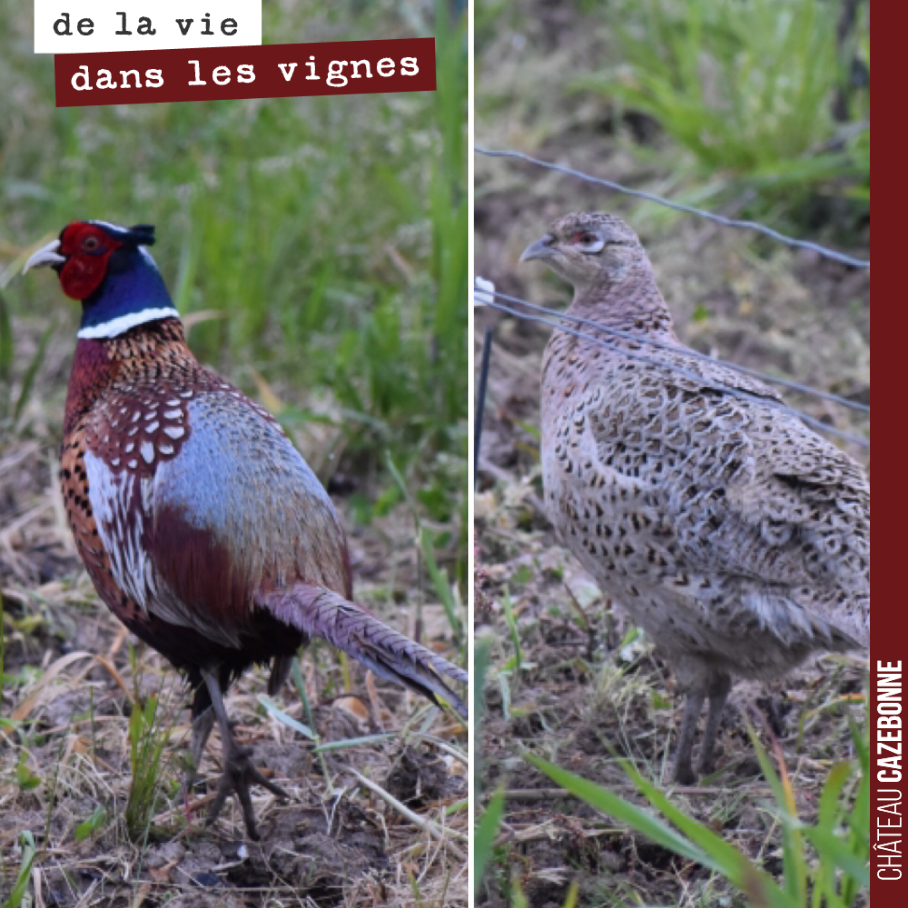
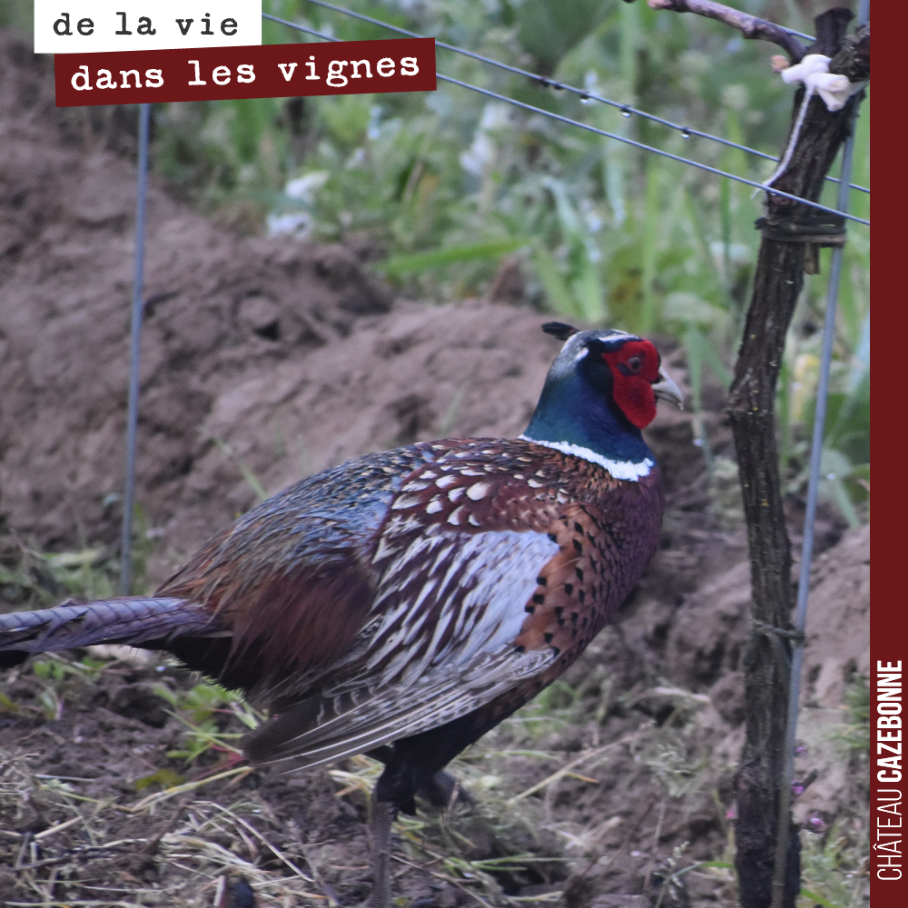
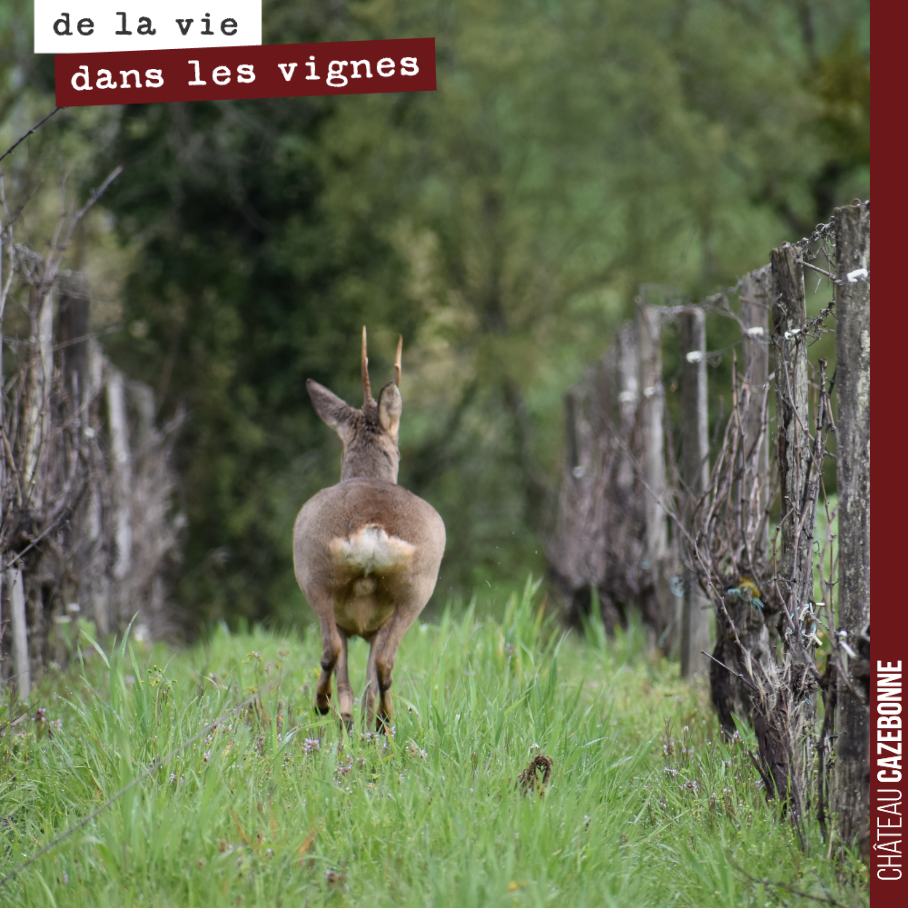
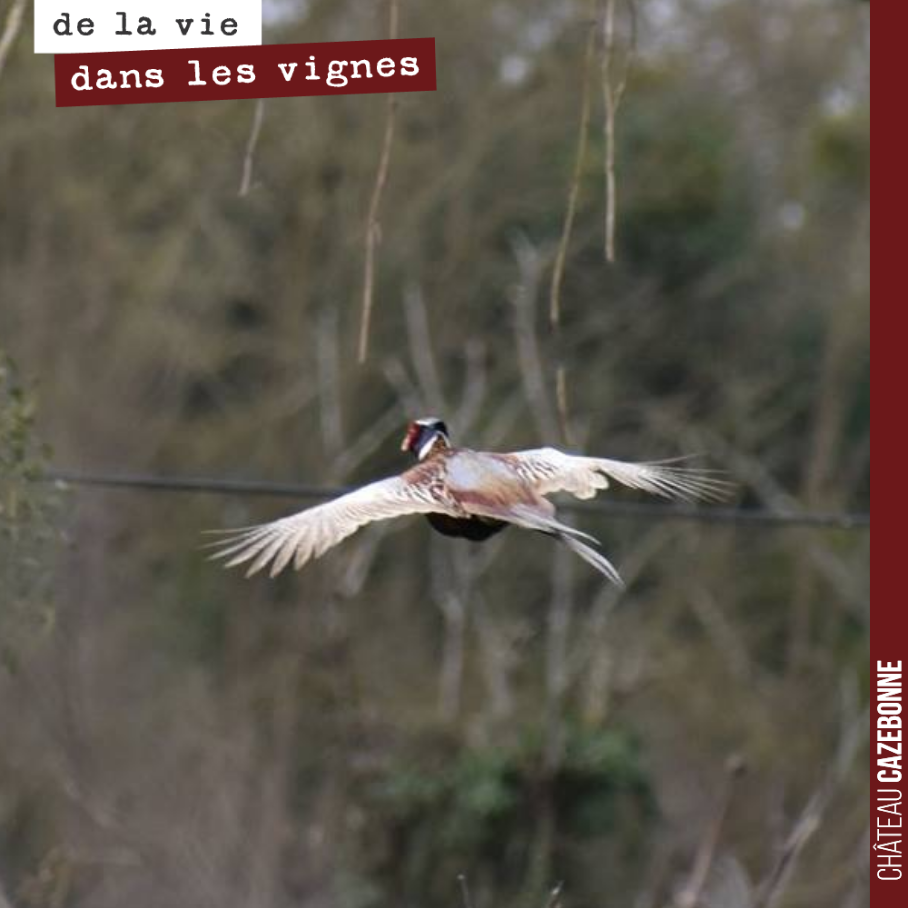
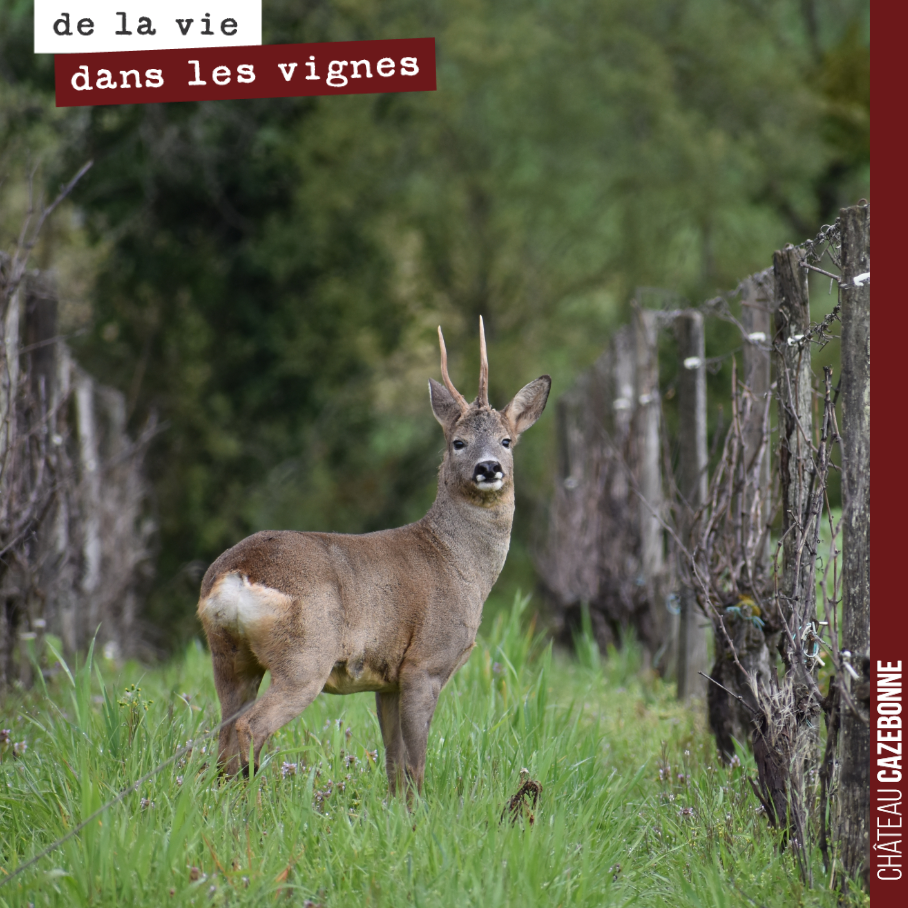
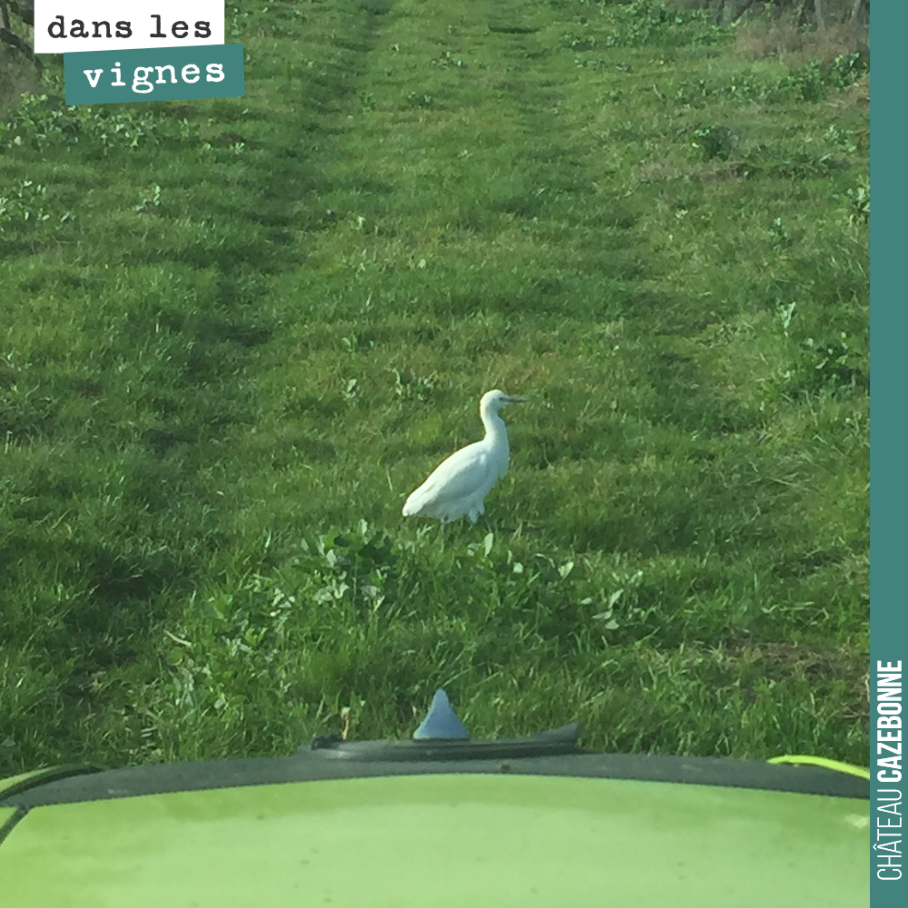
The flora in our vineyards has also metamorphosed. We are seeing the reappearance of grasses and flowers that enrich botanical diversity, providing essential refuges and resources for a multitude of species. This plant wealth attracts more and more pollinating and beneficial insects, guarantors of a natural balance indispensable to the health of the vine. Ladybirds, lacewings, and hoverflies are now regular guests, actively participating in pest regulation in an ecological manner. Birdsong has become more frequent, a sign of a restored food chain and an environment conducive to their flourishing. Each season brings its share of proof that nature, when given its place back, is capable of extraordinary resilience and an unsuspected wealth of animal species, which we like to call fauna in the vineyards.
Our commitment to the vitality of soils and flora is coupled with a broader mission: that of restoring the noble letters of the Bordeaux wine heritage, the fruit of historic agricultural biodiversity. Château Cazebonne is thus actively working on replanting the forgotten grape varieties of Bordeaux, the very ones that forged the history and diversity of Bordeaux wines. As highlighted in the book "Bordeaux, une histoire de cépages" published by Éditions BBD and written by Jean-Baptiste Duquesne, some of these grape varieties, such as Castets, Mancin, or Joubert, have virtually disappeared from vineyard landscapes, taking with them a part of the identity and aromatic complexity of Bordeaux wines. Their reintroduction is an essential step to rediscover the rich tastes of yesteryear and adapt our vineyards to future climatic challenges, thanks to their intrinsic resilience and their ability to express unsuspected nuances of the terroir.
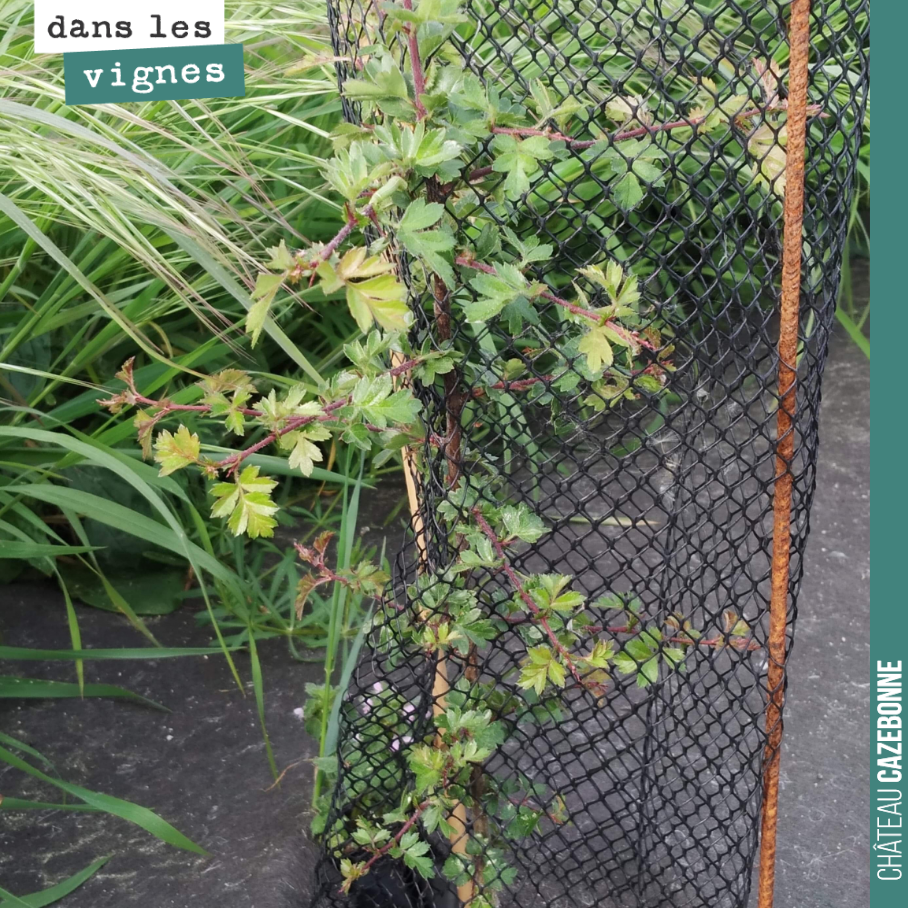
It is common to hear that biodiversity in the vineyards harms production or makes work excessively complex. On the contrary, rich and balanced biodiversity is a major asset for the longevity of the vineyard and the reduction of risks. Not all wild plants are "weeds"; many of them are precious allies for soil life and beneficial organisms. Similarly, the presence of trees and hedges through agroforestry, far from competing with the vines, contributes to climate regulation and the enrichment of ecosystems. Agroecology demonstrates that productive, high-quality viticulture can harmoniously coexist with vibrant and diverse nature. You can learn more about the role of legumes in these ecosystems.
Our long-term work at Château Cazebonne, which consists not only of replanting these disappeared grape varieties of Bordeaux but also of restoring the biodiversity of our soils and our vineyard ecosystem, is made possible by the unwavering support of all wine lovers who, by adopting our wines, participate in this wonderful adventure. Every bottle purchased contributes to the preservation of our environment, the diversity of our terroirs, and the resurrection of ancestral grape varieties. By choosing Château Cazebonne, you become a participant in this pioneering approach, protecting ecosystems and reintroducing grape varieties that had almost disappeared from Bordeaux, to the greatest delight of the senses and the richness of the wine heritage. To deepen your knowledge of the fascinating history of Bordeaux grape varieties, we invite you to receive the digital version of the book "Bordeaux, une histoire de cépages". You can also test your knowledge via our oenological quizzes, or discover all our cuvées in our shop to live the Château Cazebonne experience.
Our suggestions
-5%on your 1st order with code BIENVENUE
The essential6 bottles — Graves red 2022
The best price of the cellar: €12 per bottle delivered.
The everyday red: generous and straight to the point.
I want it Our recommendation92/100 RVF
6 bottles — Graves red 2022, 92/100 RVF
Rated 92/100 by La Revue du vin de France: a solid 10-year ageing potential.
Our Graves for ageing, the finest gateway to the estate.
I want it Go further
12 bottles — the whole range
12 bottles, the whole range tasted: the best discovery-to-price ratio.
The complete tour of the estate, in a single case.
I want it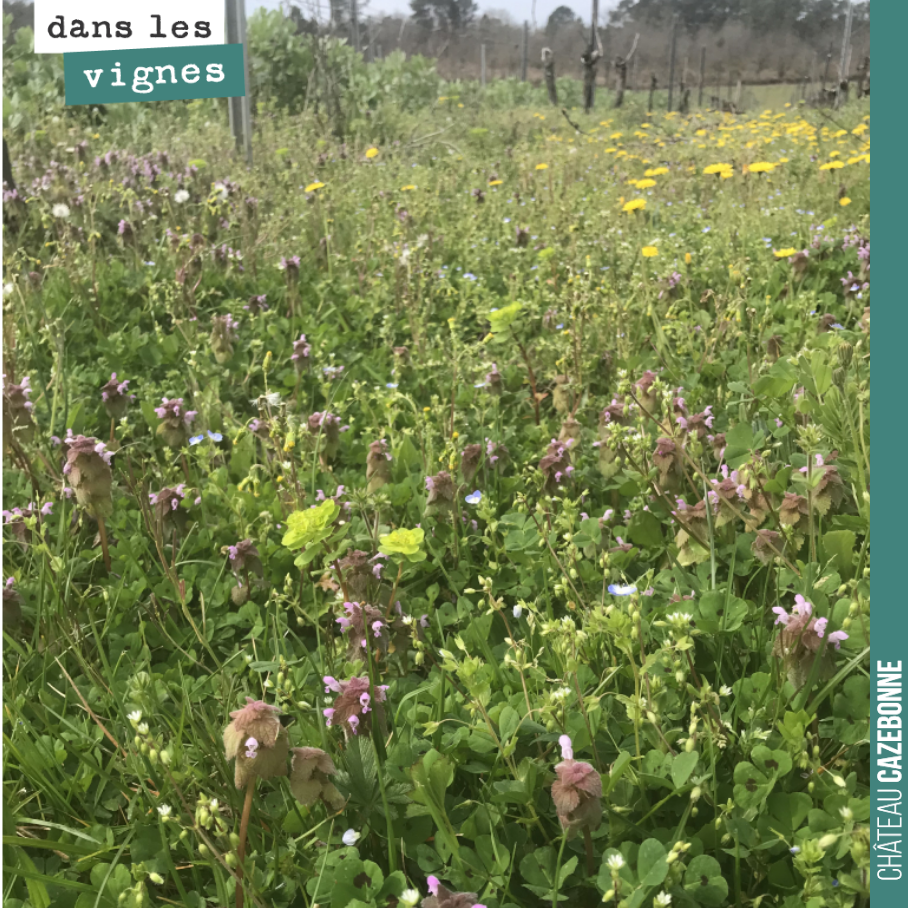
27 March 2023

25 April 2021
25 April 2021
11 November 2020
27 December 2019
22 August 2019
01 July 2019
12 June 2019
10 June 2019
05 May 2019
04 May 2019
04 May 2019
03 May 2019
28 April 2019
24 April 2019
21 April 2019
13 April 2019
05 April 2019

04 April 2019
03 April 2019

31 March 2019
31 March 2019
29 March 2019
25 March 2019
21 March 2019
16 March 2019
07 March 2019
06 March 2019
28 February 2019
18 January 2019
18 January 2019
14 September 2018
31 May 2018
The cellar, forgotten grape varieties and our cuvées, twice a month. 5% off your first order with the code BIENVENUE.