
 The essential
6 × Entre Amis red
6 bottles — Graves red 2022
The best price of the cellar: €12 per bottle delivered.
The everyday red: generous and straight to the point.
I want itLiving soil
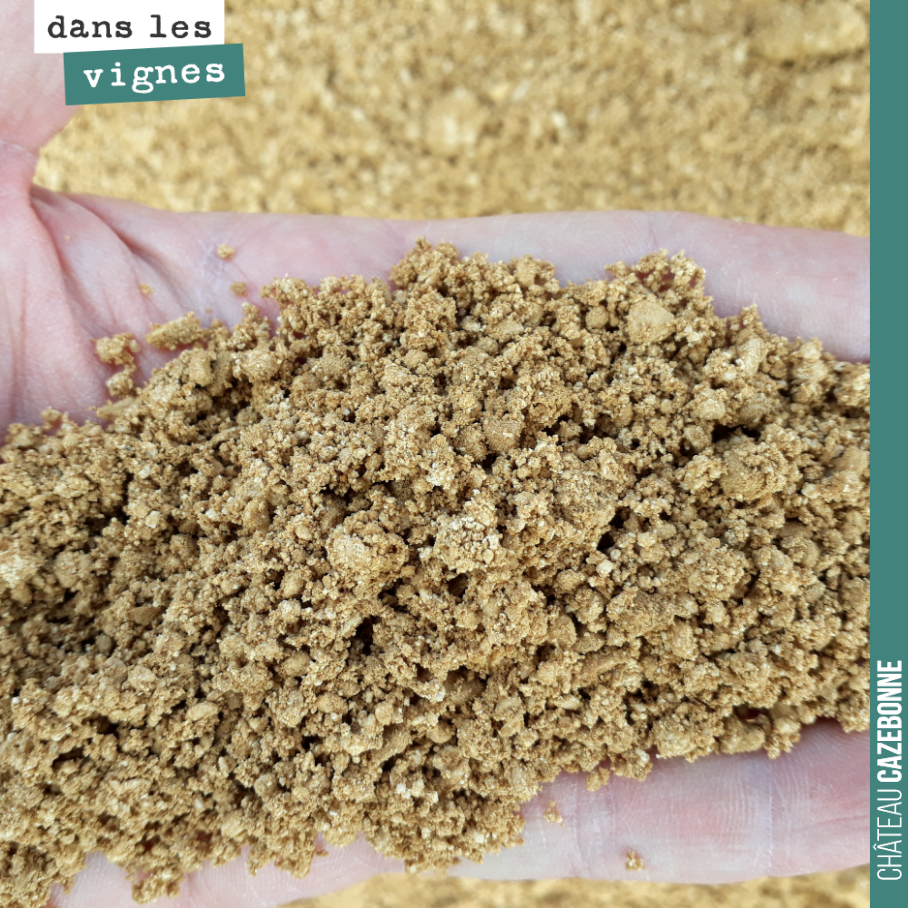
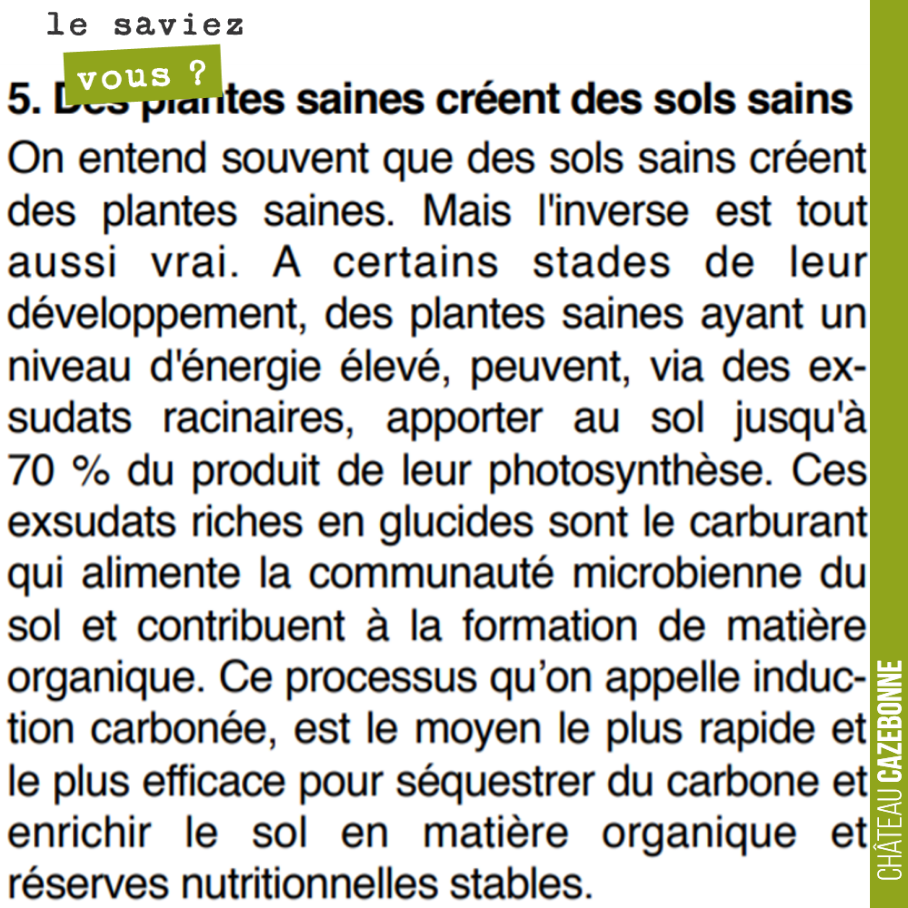
Long considered a mere support, an inert medium feeding the plant, the soil was largely forgotten by post-war agriculture too often geared towards productivity at all costs. Technical advances, the advent of selected seeds, and the intensive use of fertilisers and pesticides relegated the soil to the status of a passive substrate. Yet, the reality is much more complex and fascinating: a living soil is the indispensable ally of all forms of plant life and, by extension, the cornerstone of crafting exceptional wines.
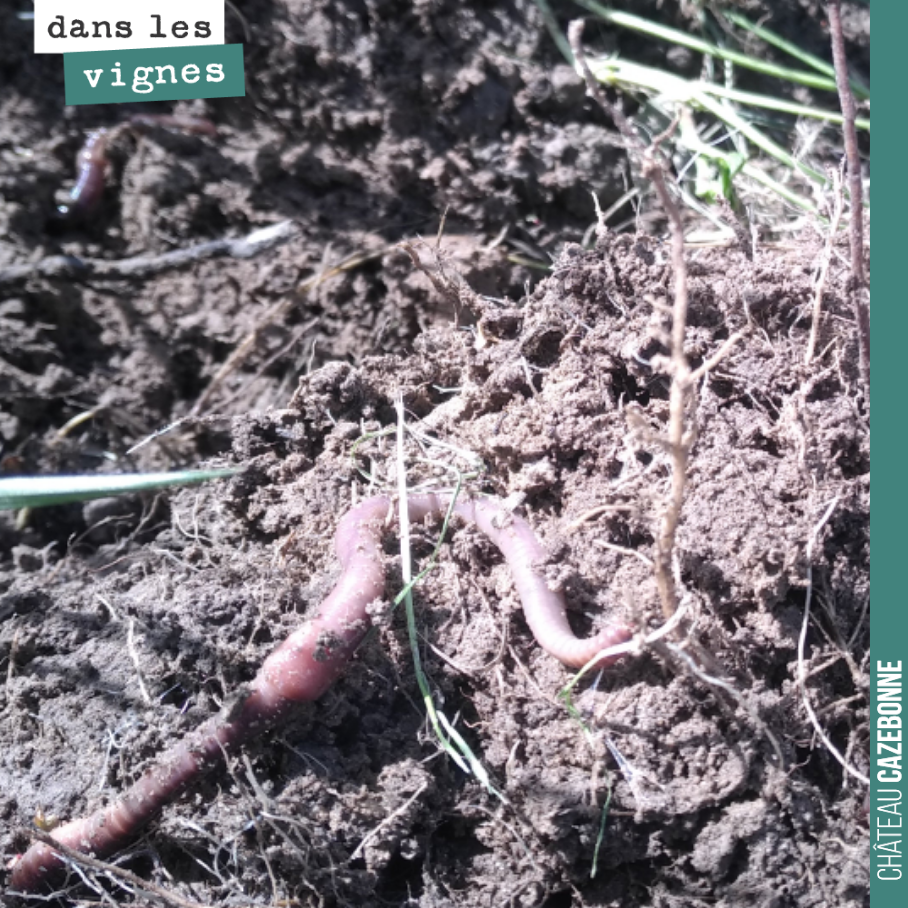
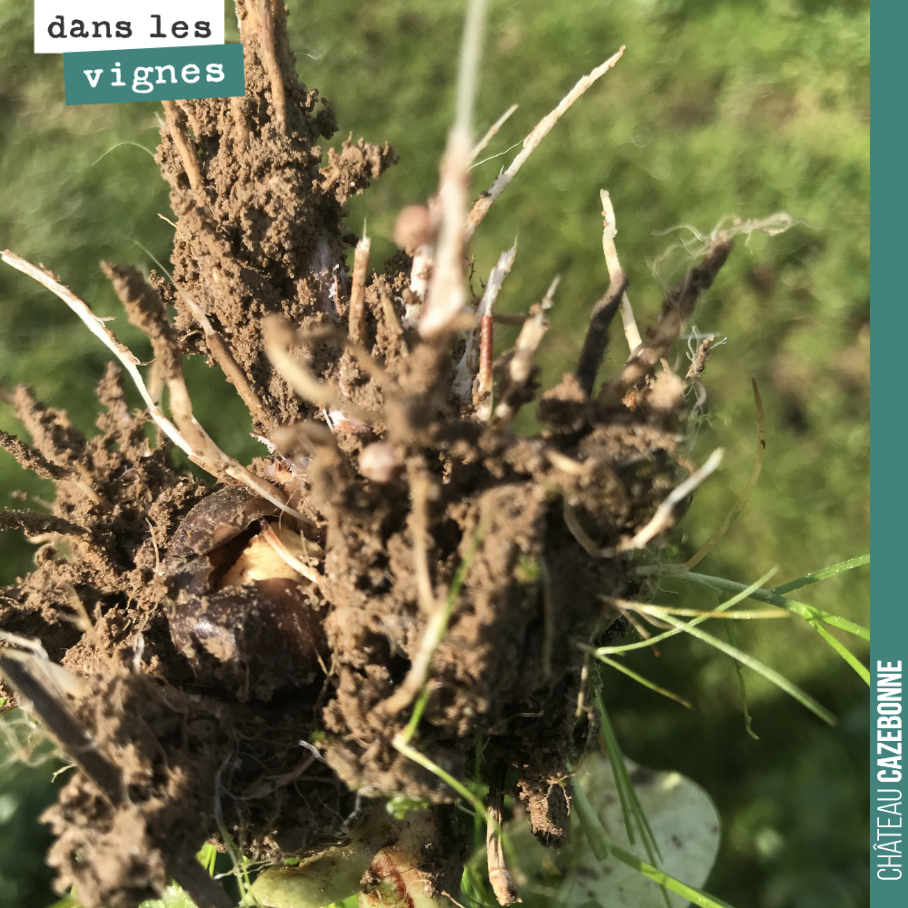
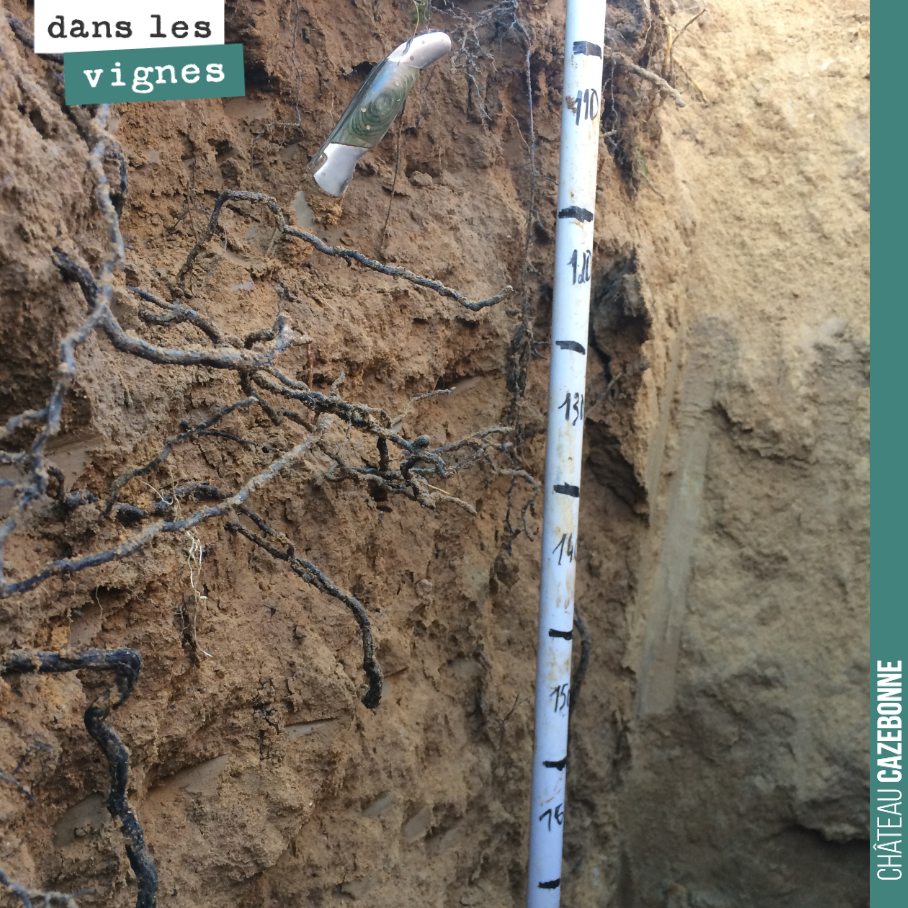
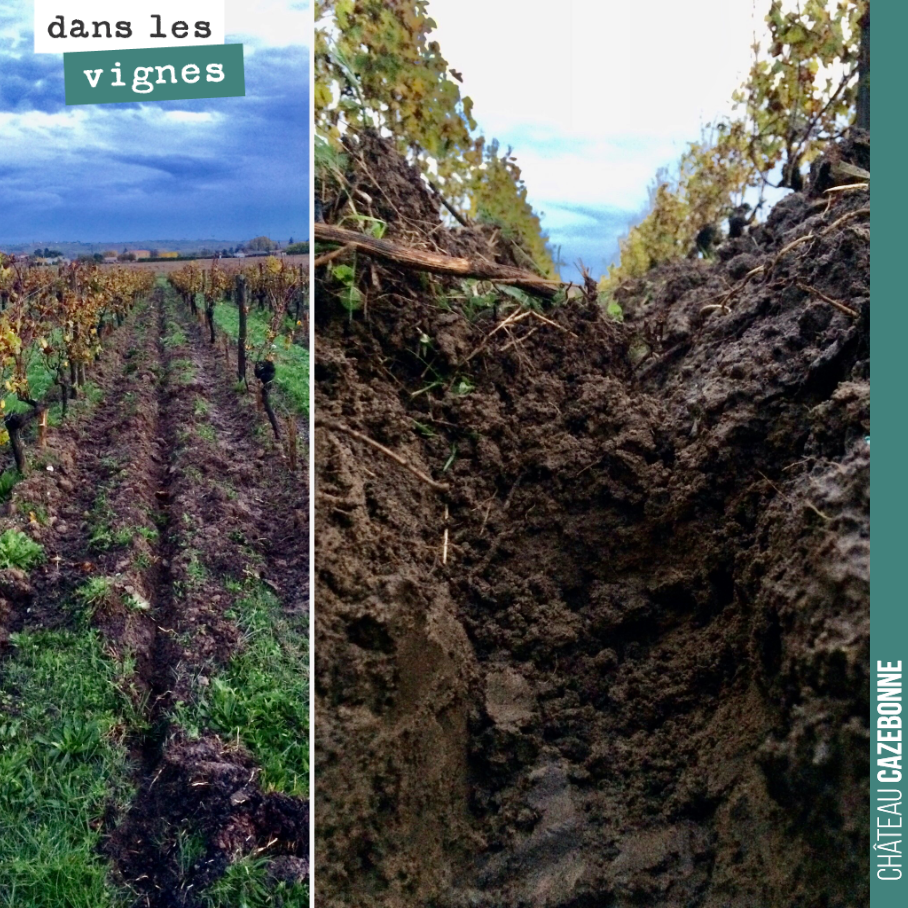
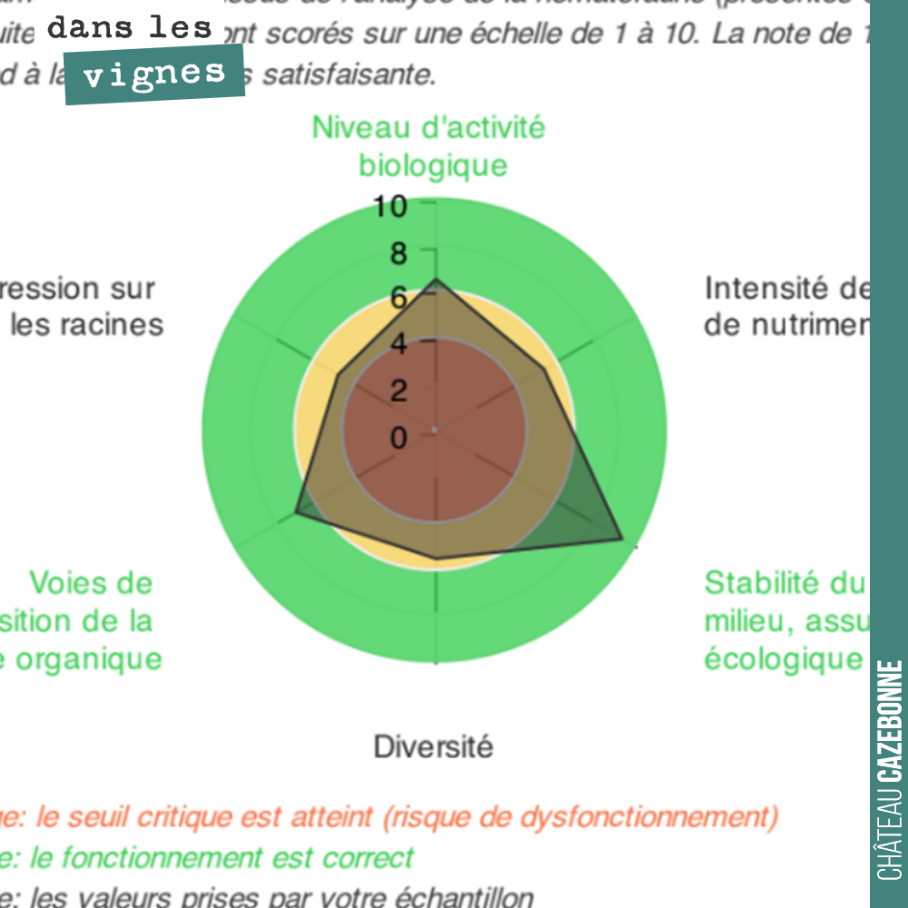
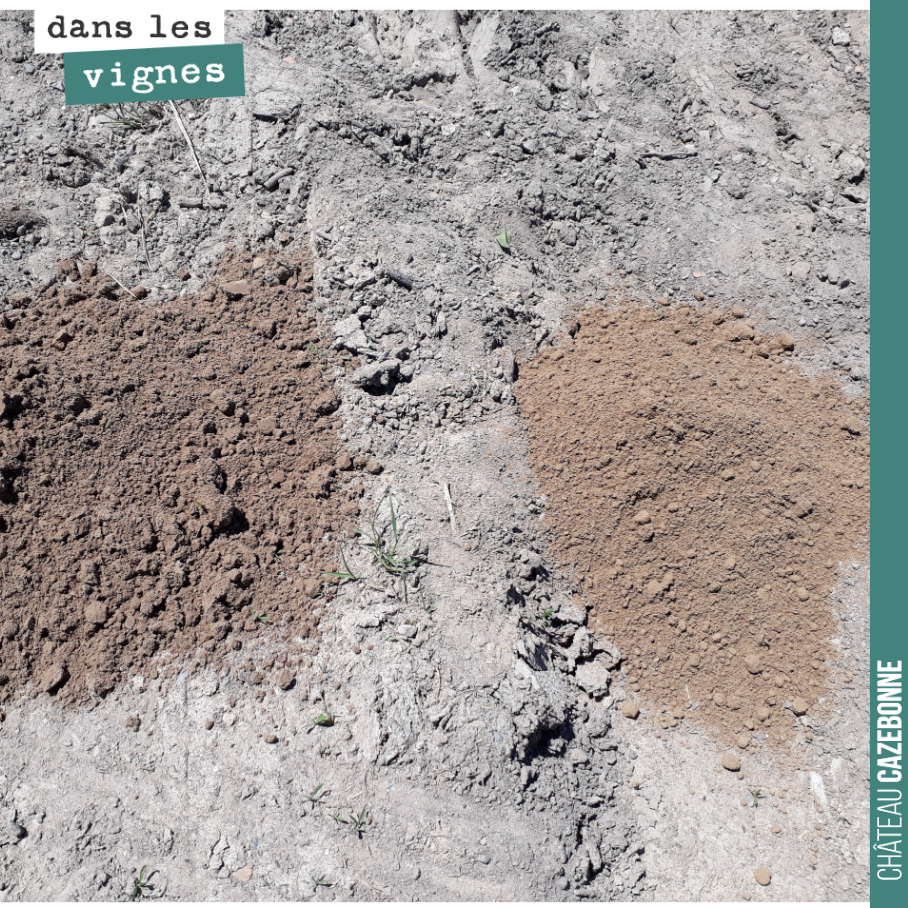
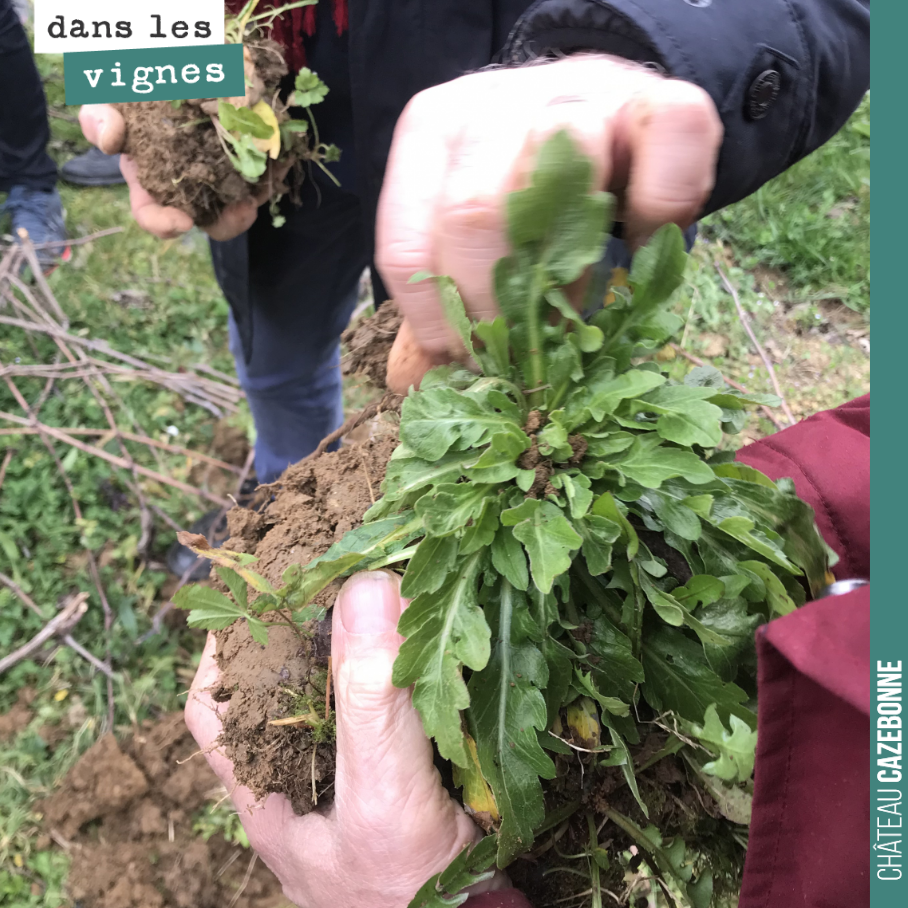
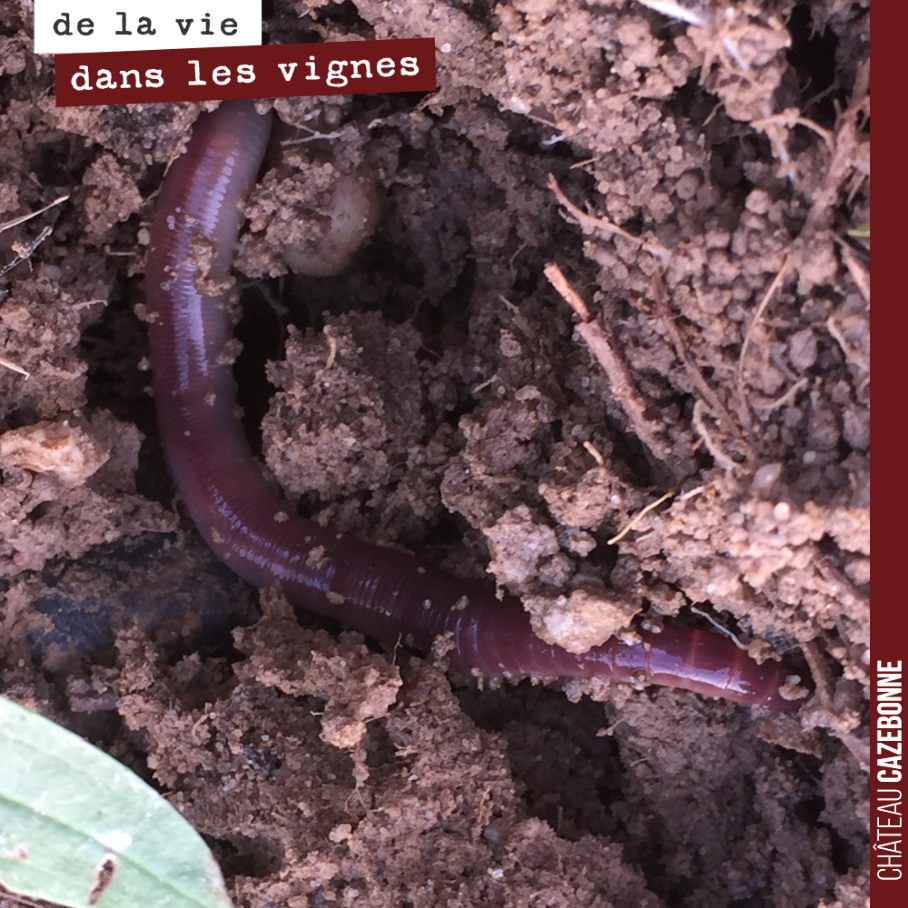
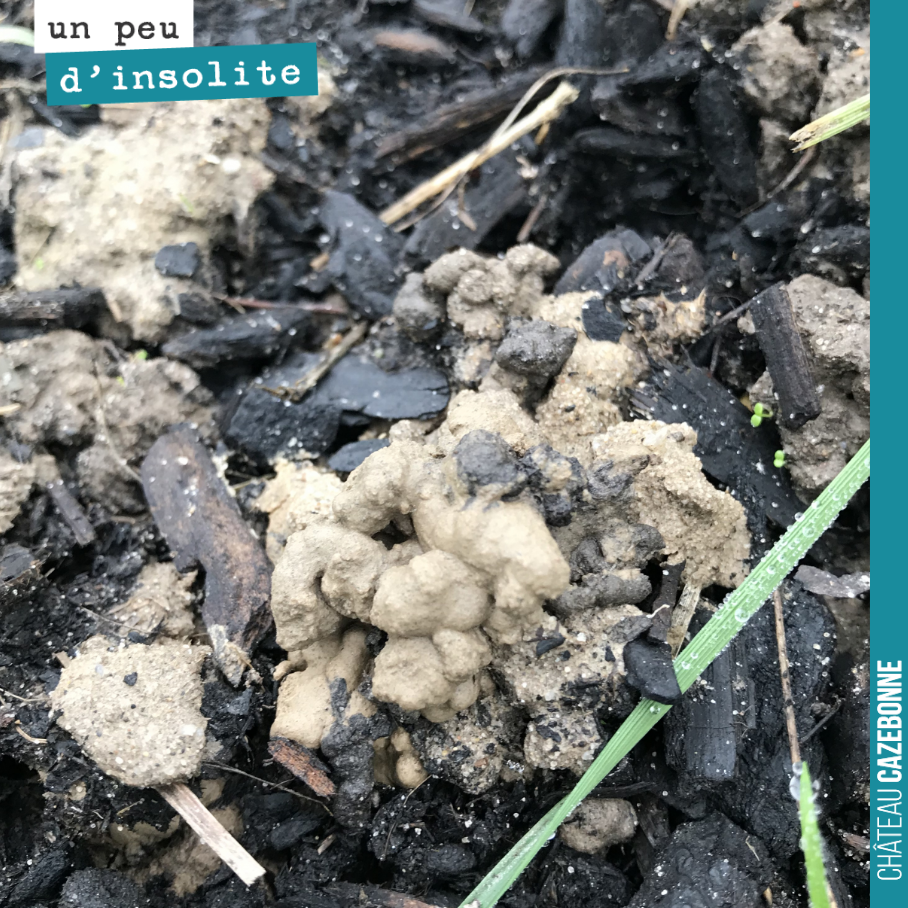
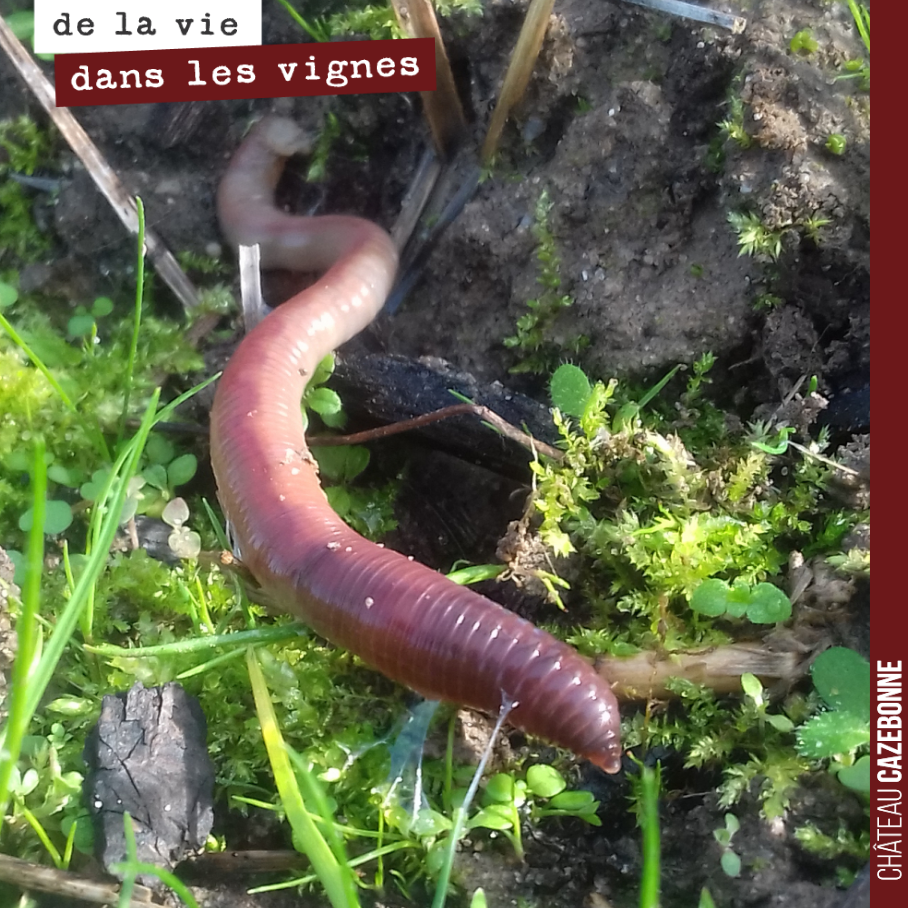
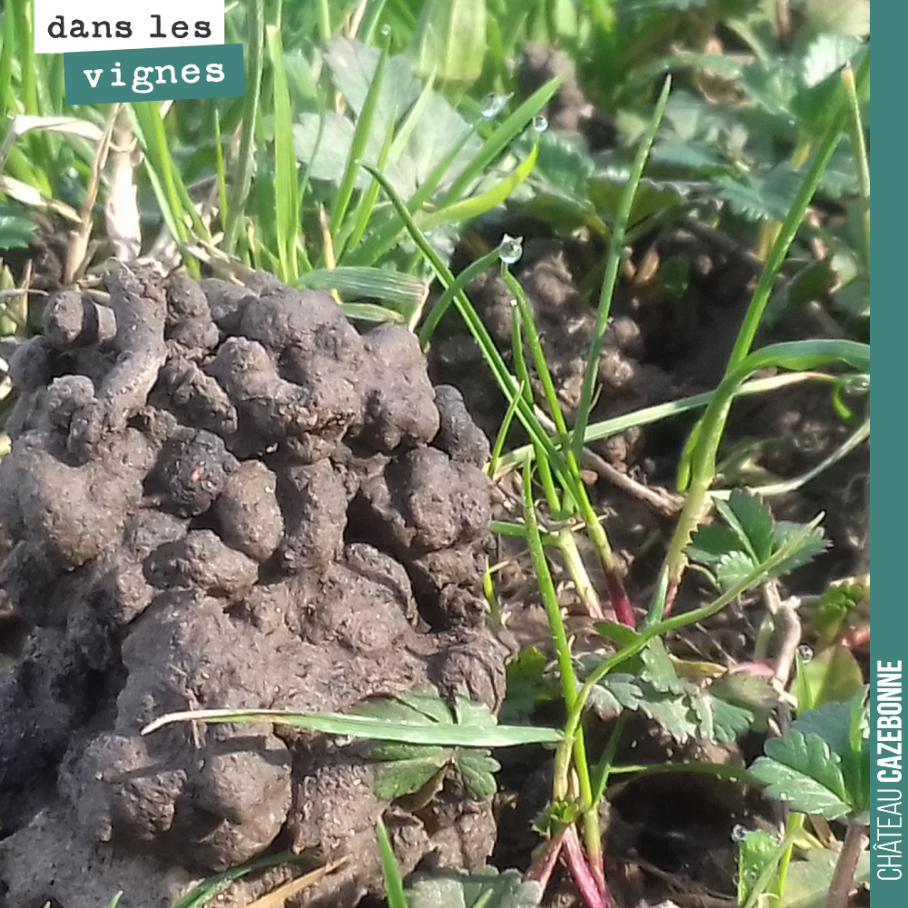
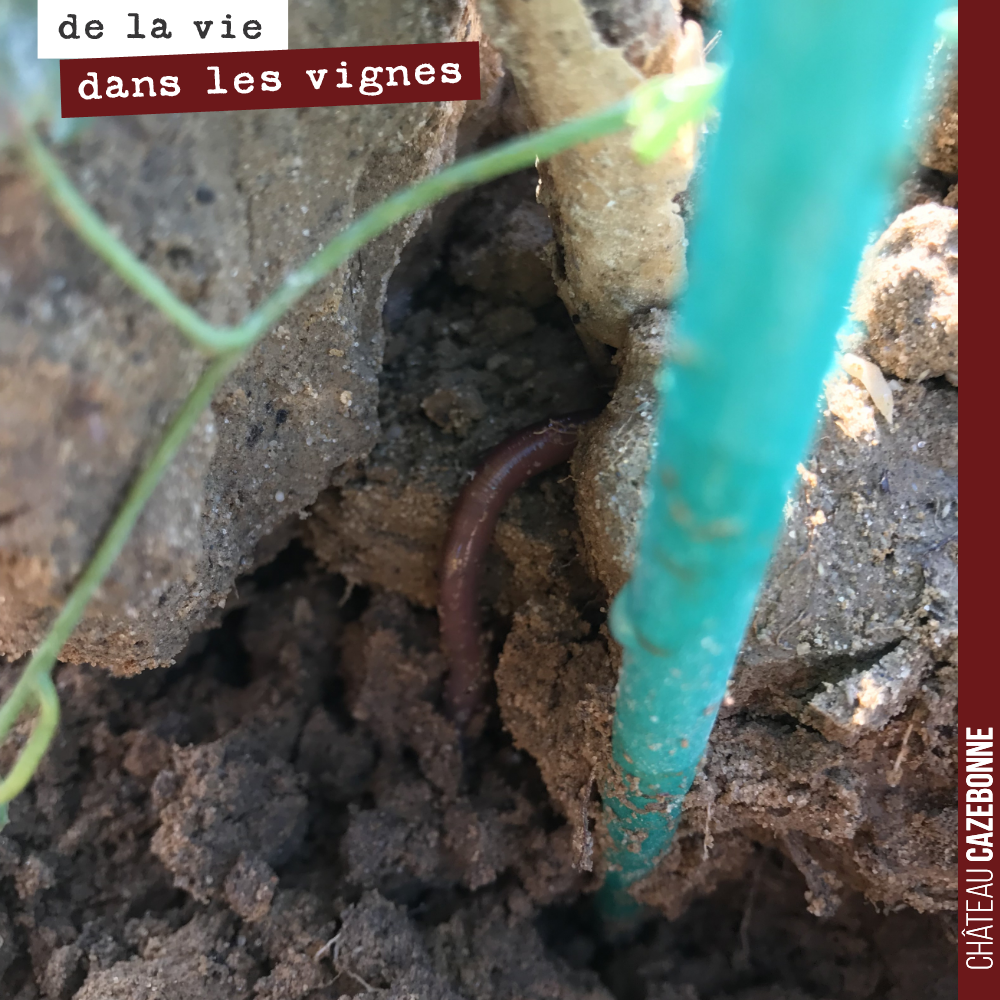
Far from being just a layer of earth, a living soil is a teeming ecosystem, a miniature world where a multitude of organisms are at work: bacteria, fungi, earthworms, and various micro-organisms. It is they who structure the soil, improve its aeration, its capacity to retain water and nutrients, and above all, they transform organic matter into elements that the vine can assimilate. Such a soil gives the roots optimal exploration and assimilation capabilities, providing the plant with all the trace elements necessary for its harmonious development. The result is a healthy grape, bringing balance and deep aromatic complexity, an essential prerequisite for the production of great wines, whose identity is intrinsically linked to their terroir.
The main agronomic objective of revitalising soils is to restore and maintain a biological balance essential to the health and sustainable productivity of the vine. A living soil promotes better plant resistance to diseases and climatic stress (heatwaves, frost, drought), reduces the need for external inputs, and improves the expression of the terroir. For example, the presence of mycorrhizae allows the vine to access water and nutrients more efficiently, and a soil rich in humus retains water and fertilising elements better.
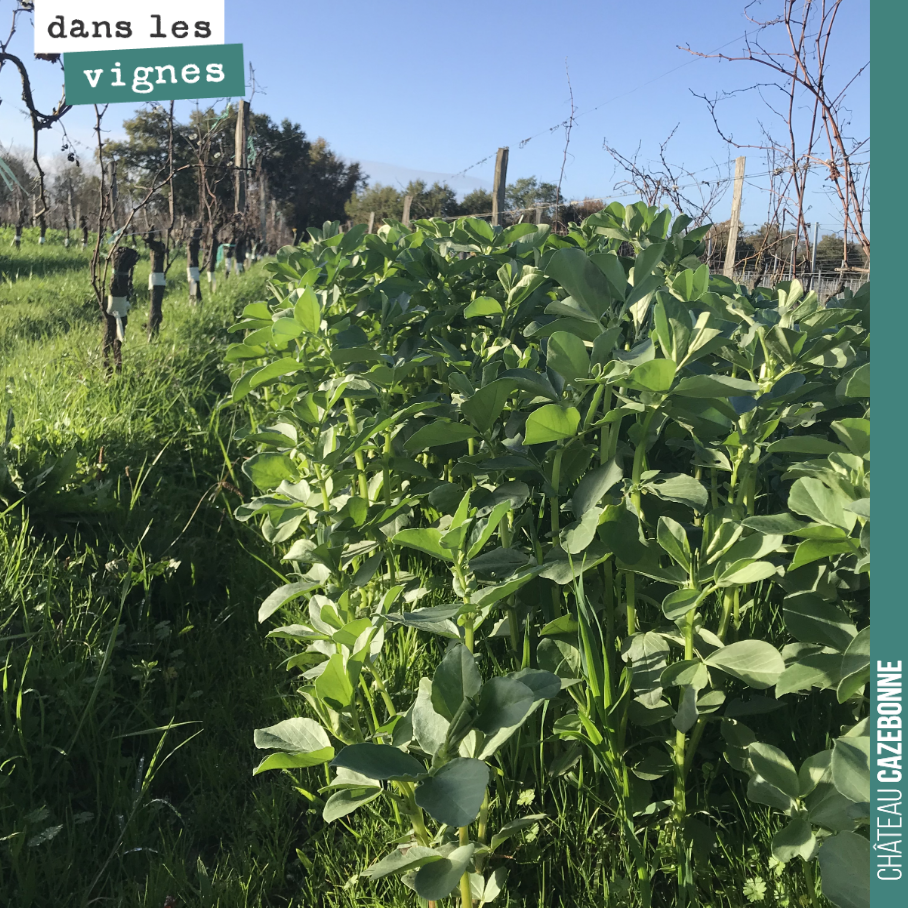
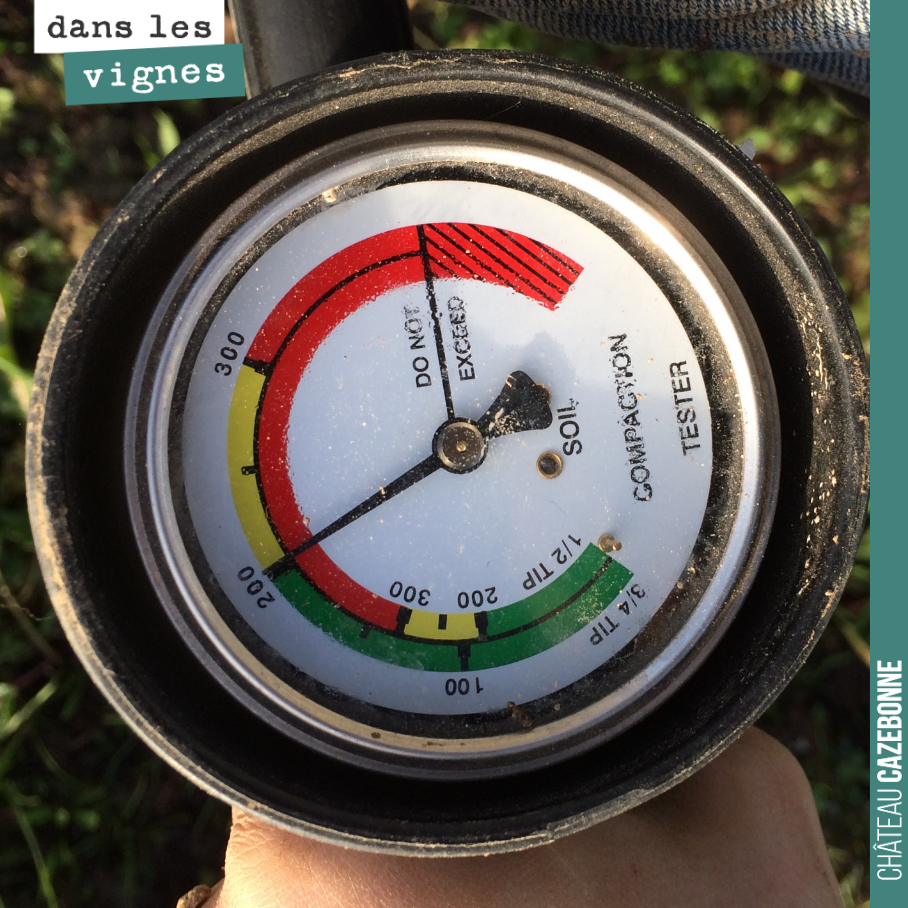
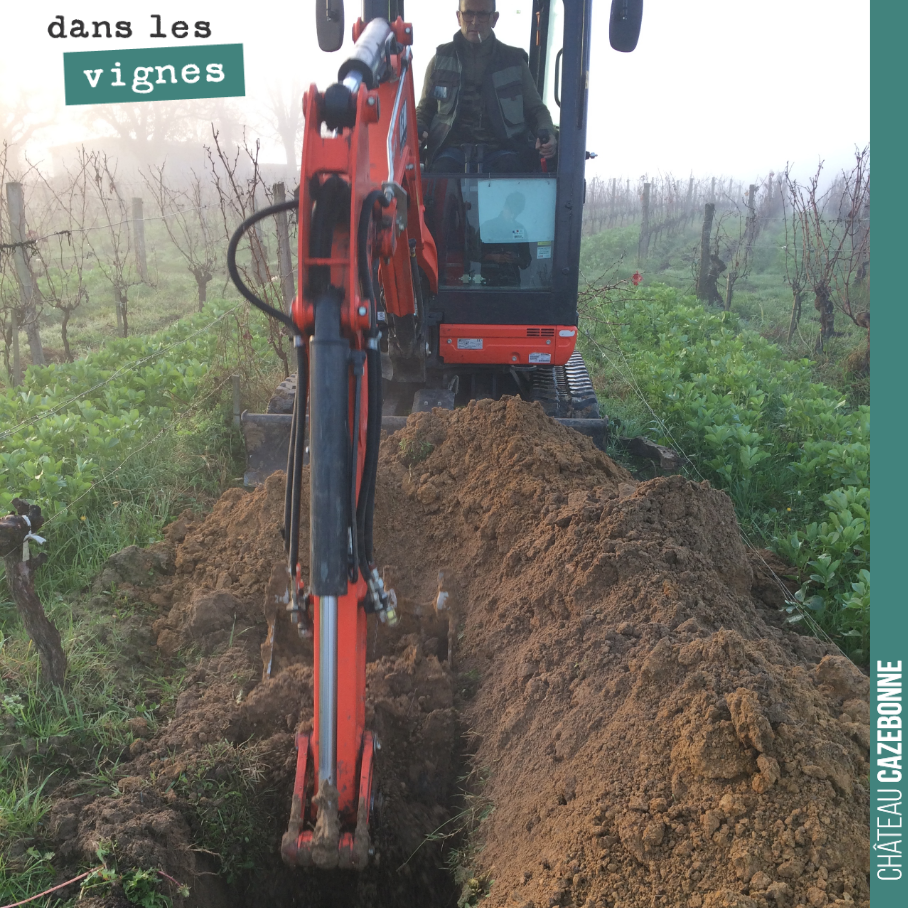
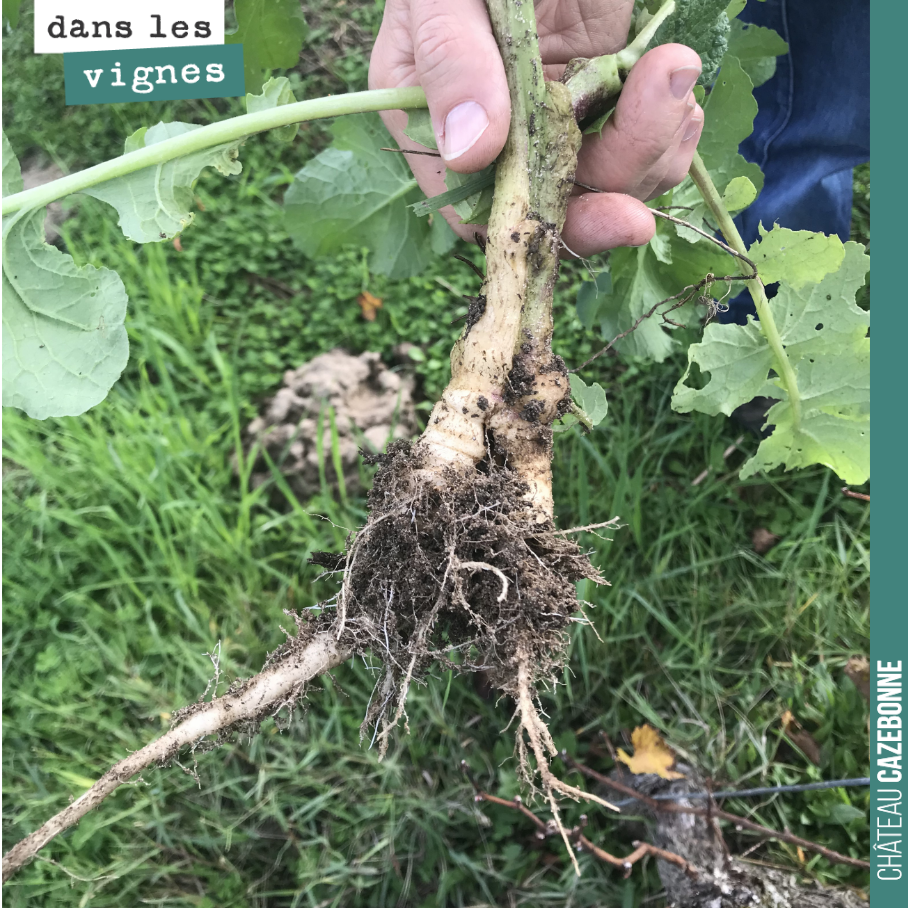
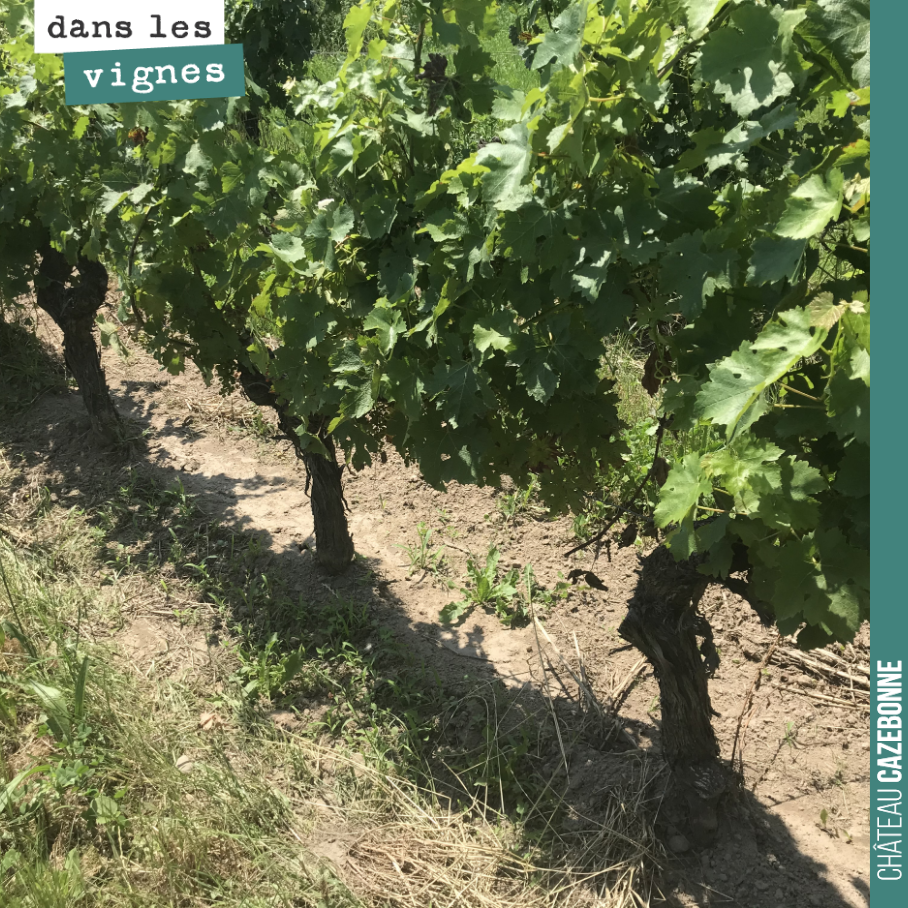
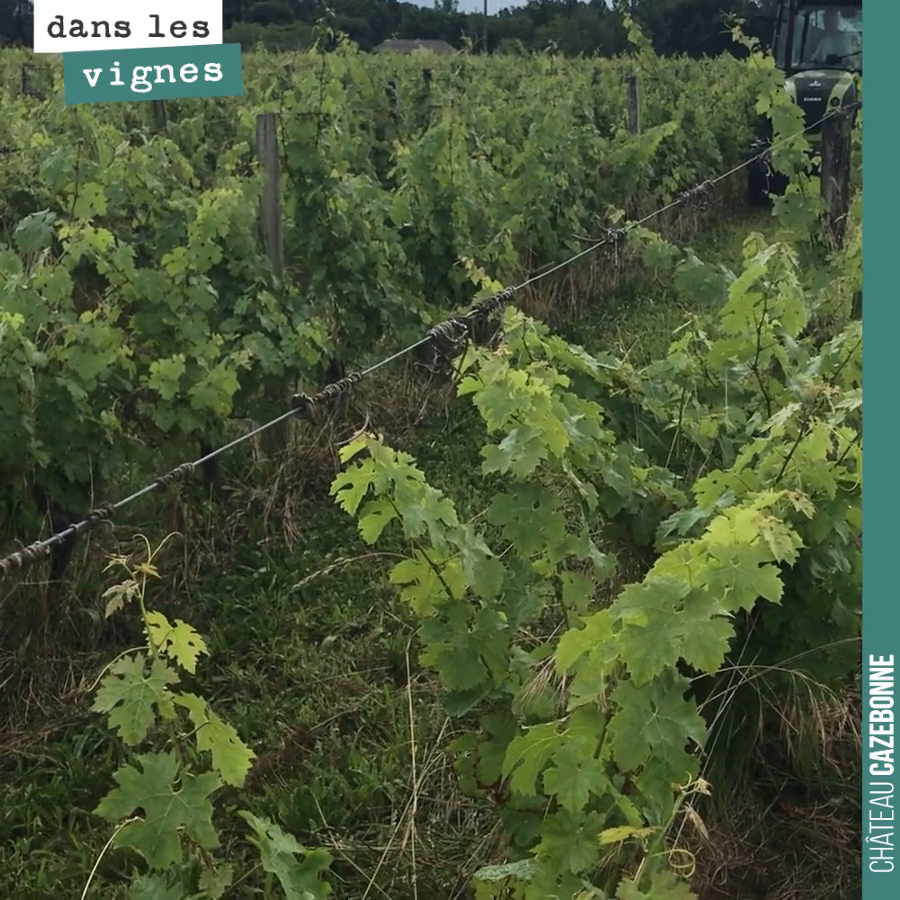
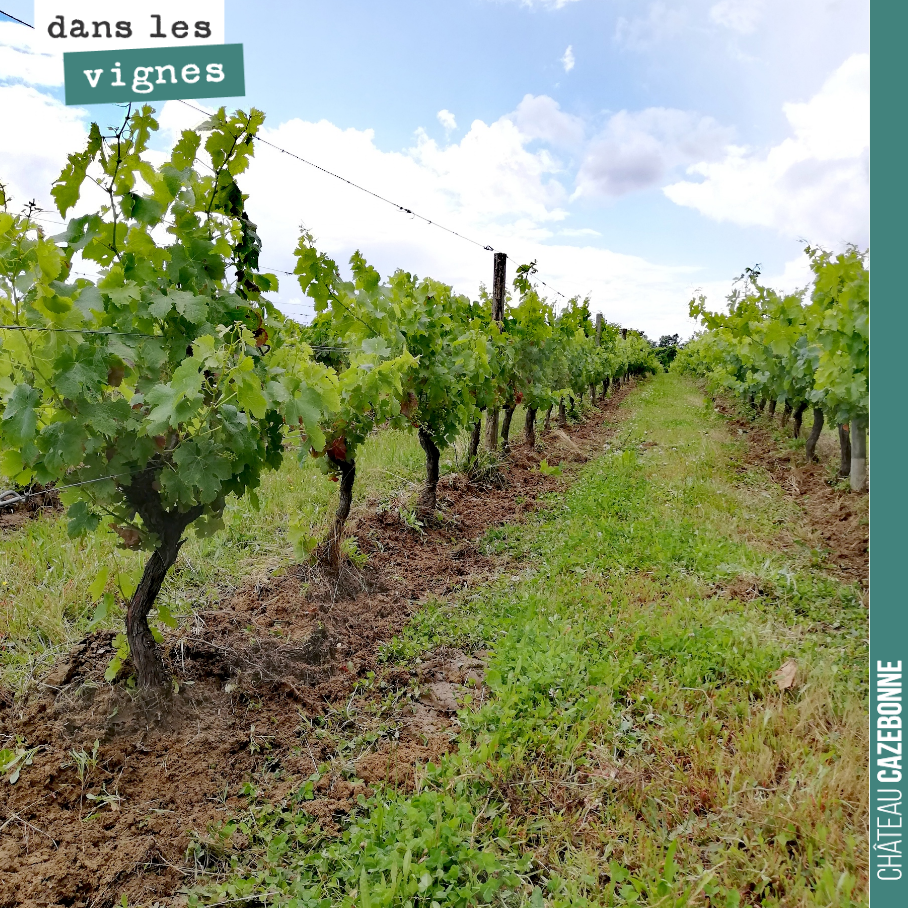
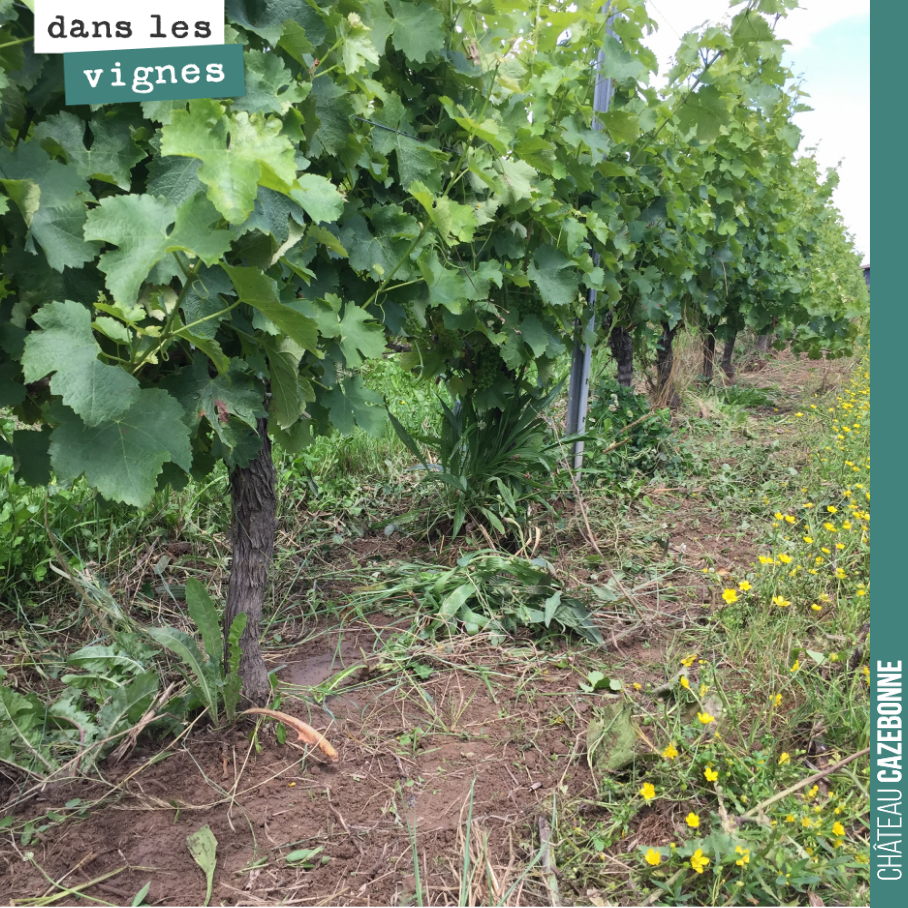
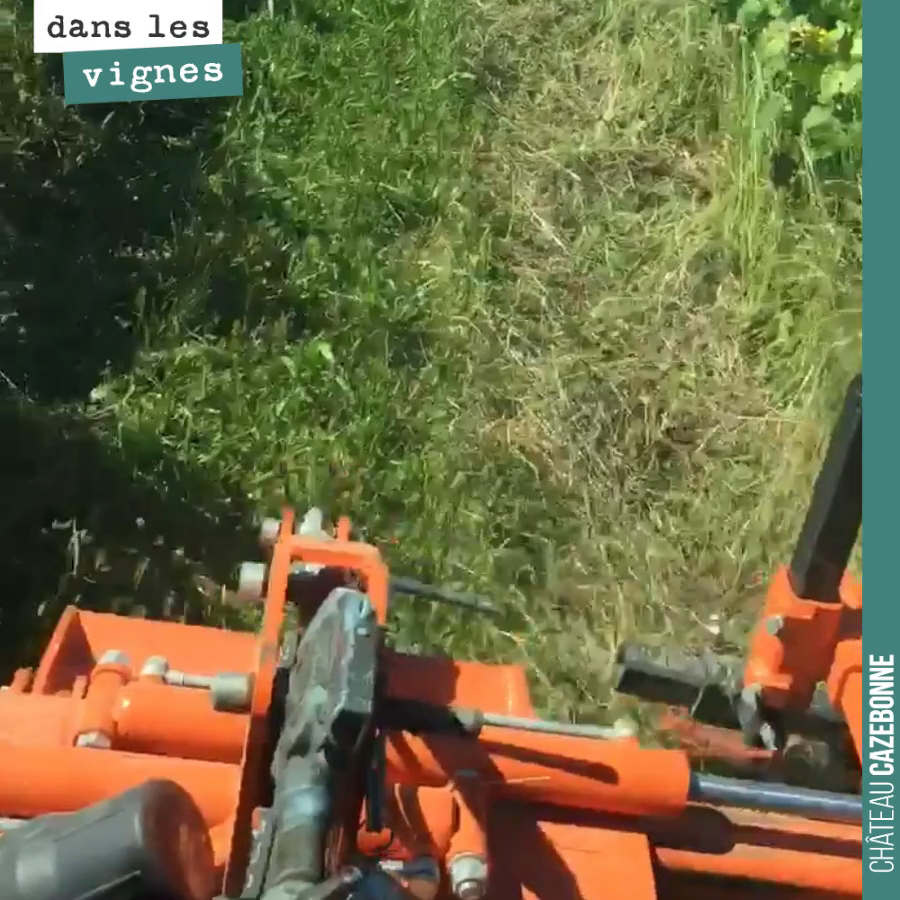
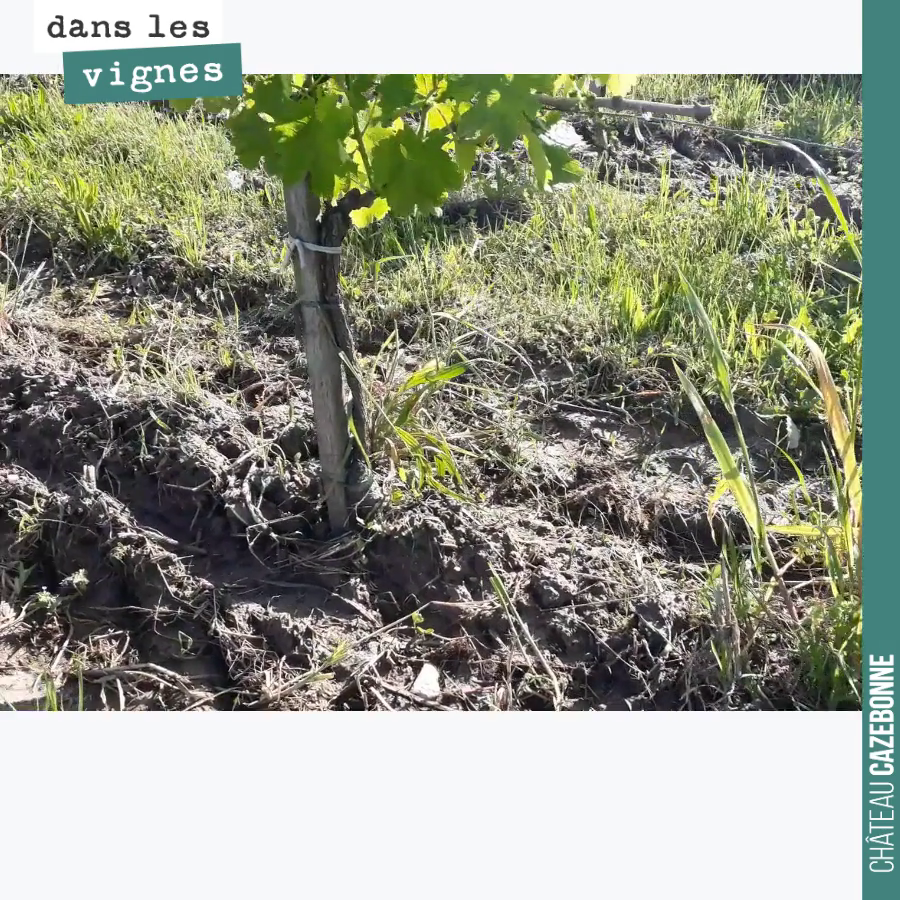
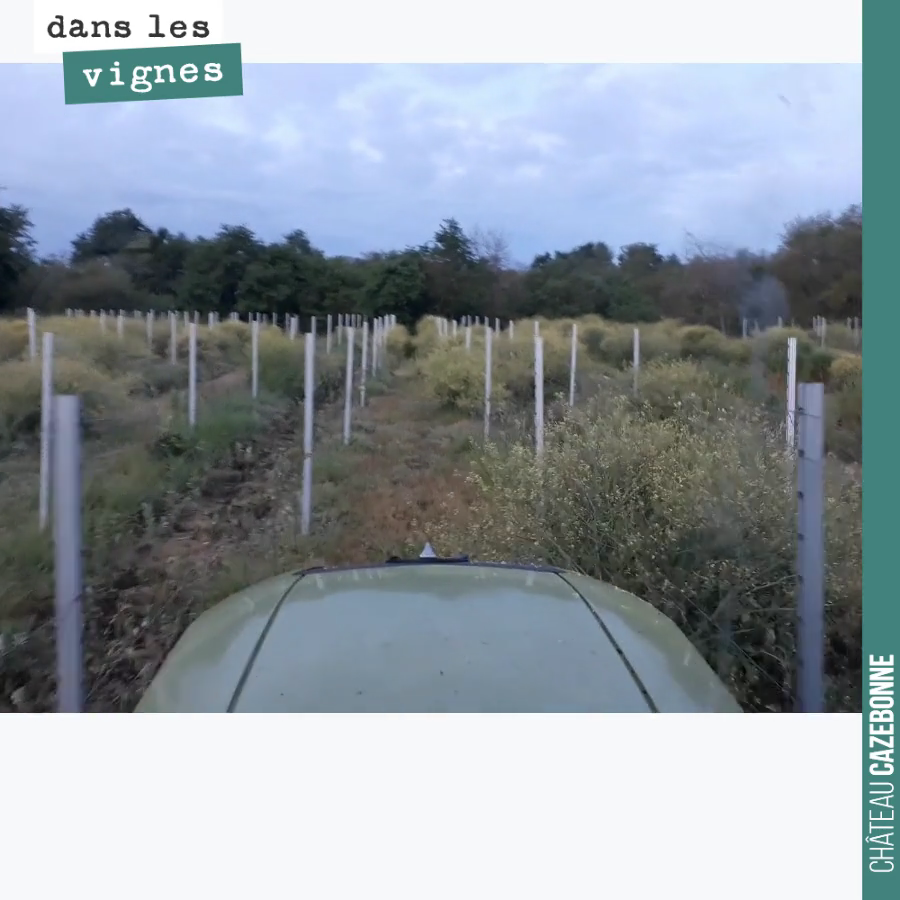
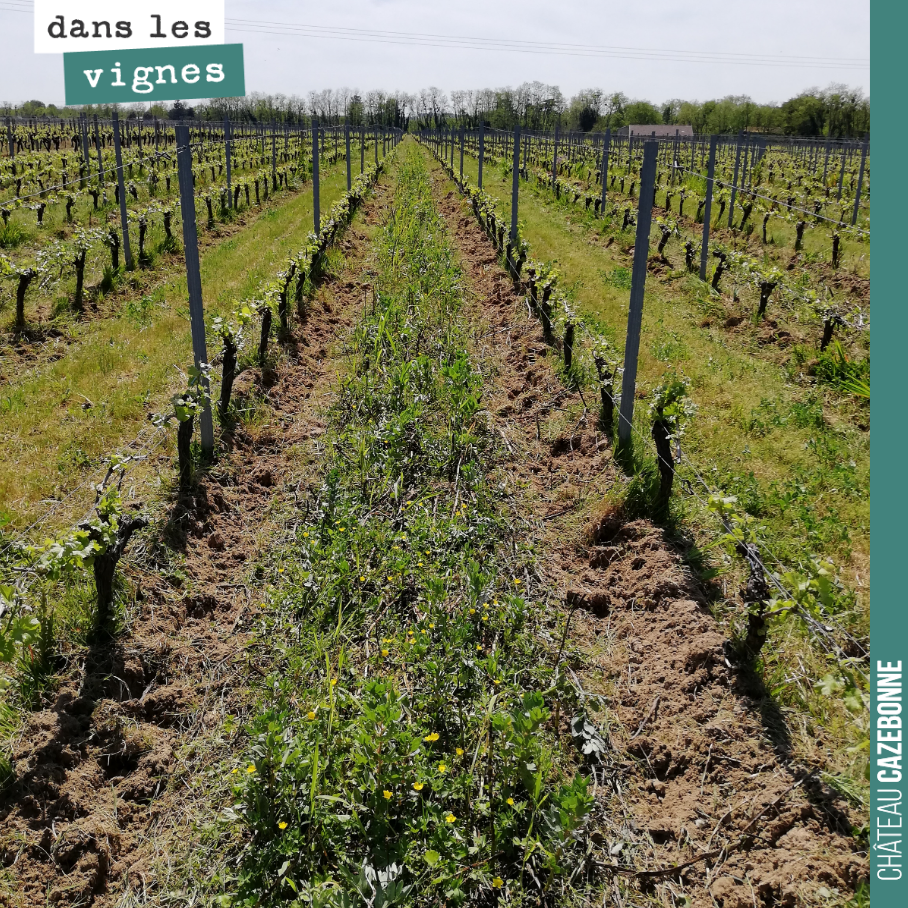
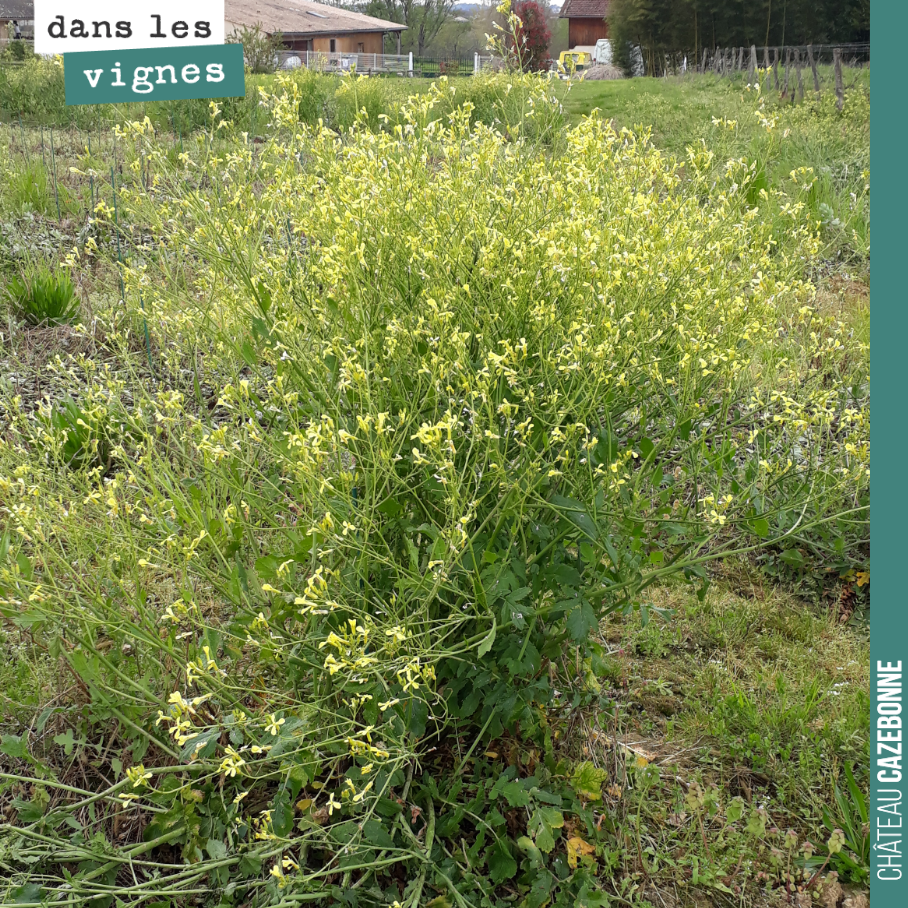
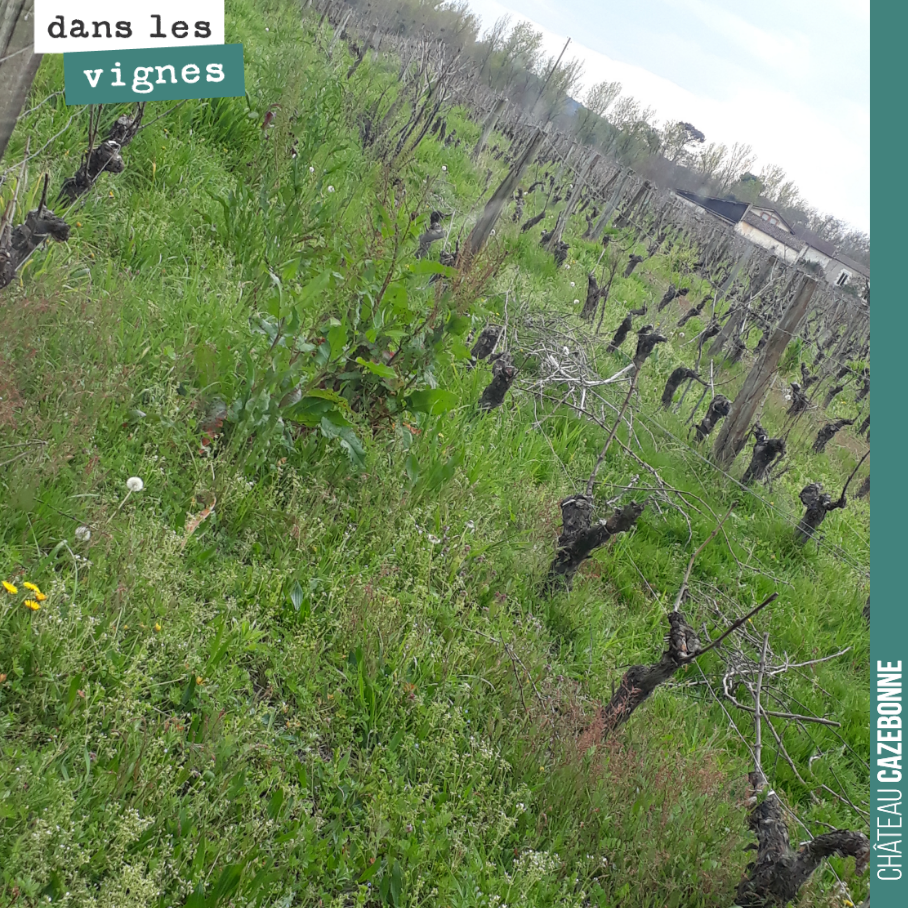
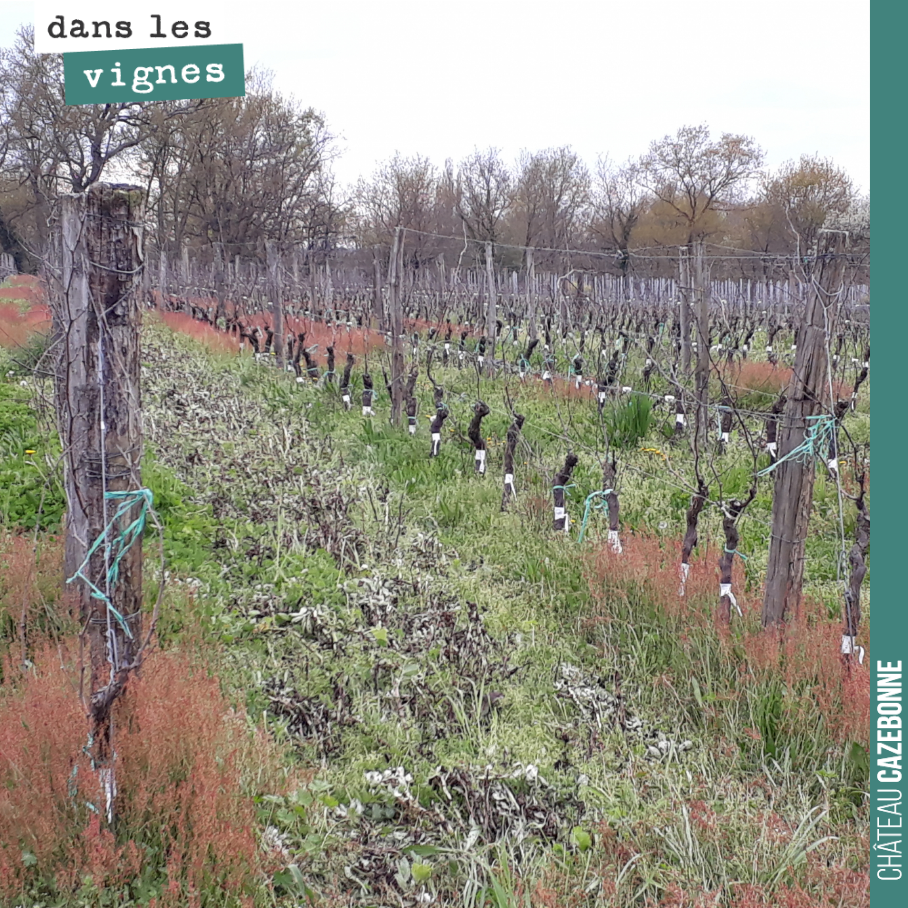
Throughout the year, various practices can be implemented to encourage microbial and macrobiological life. Compost, applied mainly in the autumn or winter after the harvest, enriches the soil with organic matter. The role of compost is therefore crucial in enriching the soil with organic matter and promoting its vitality. Cover crops, sown in autumn and mown in spring before bud burst, protect the soil from erosion, provide biomass, and decompact the earth. Mechanical weeding replaces herbicides, thereby limiting the disruption of the subterranean ecosystem. These actions are part of a sustainable and environmentally friendly approach to viticulture.
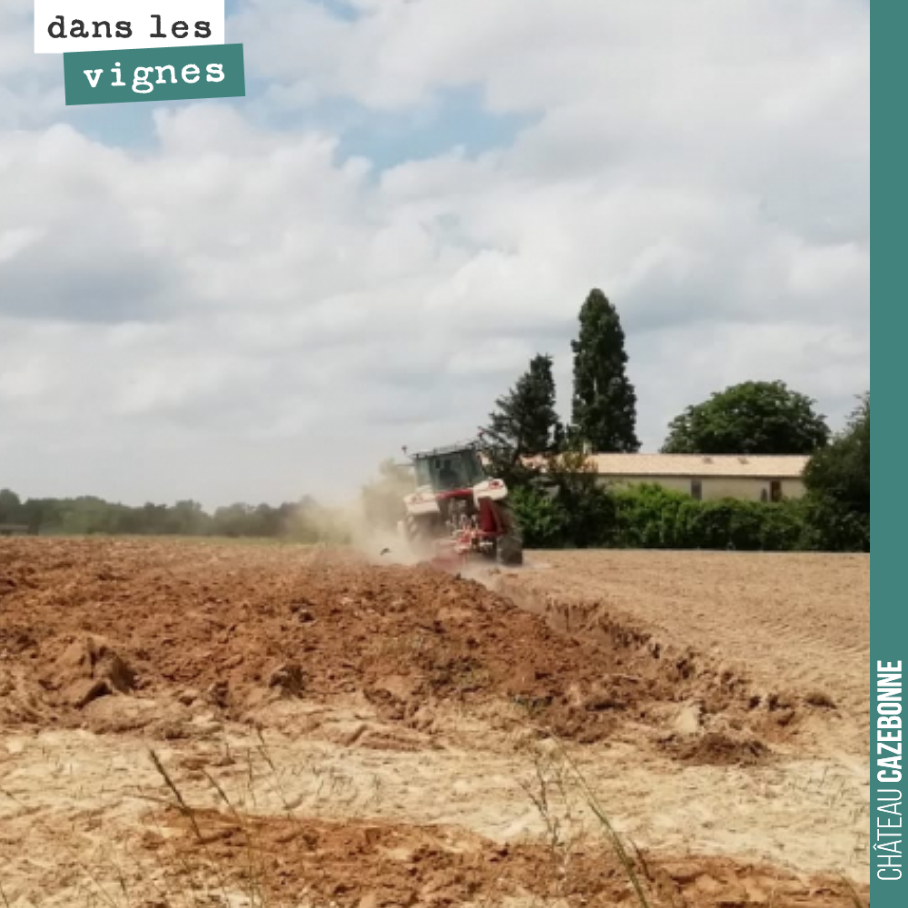
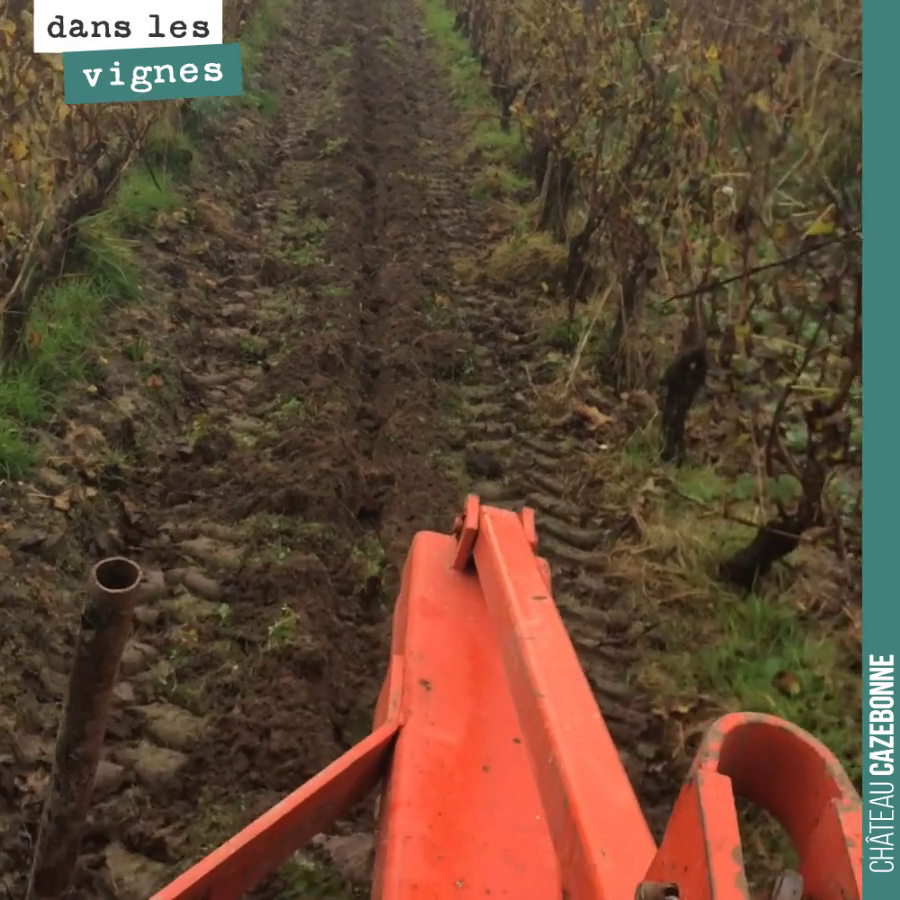
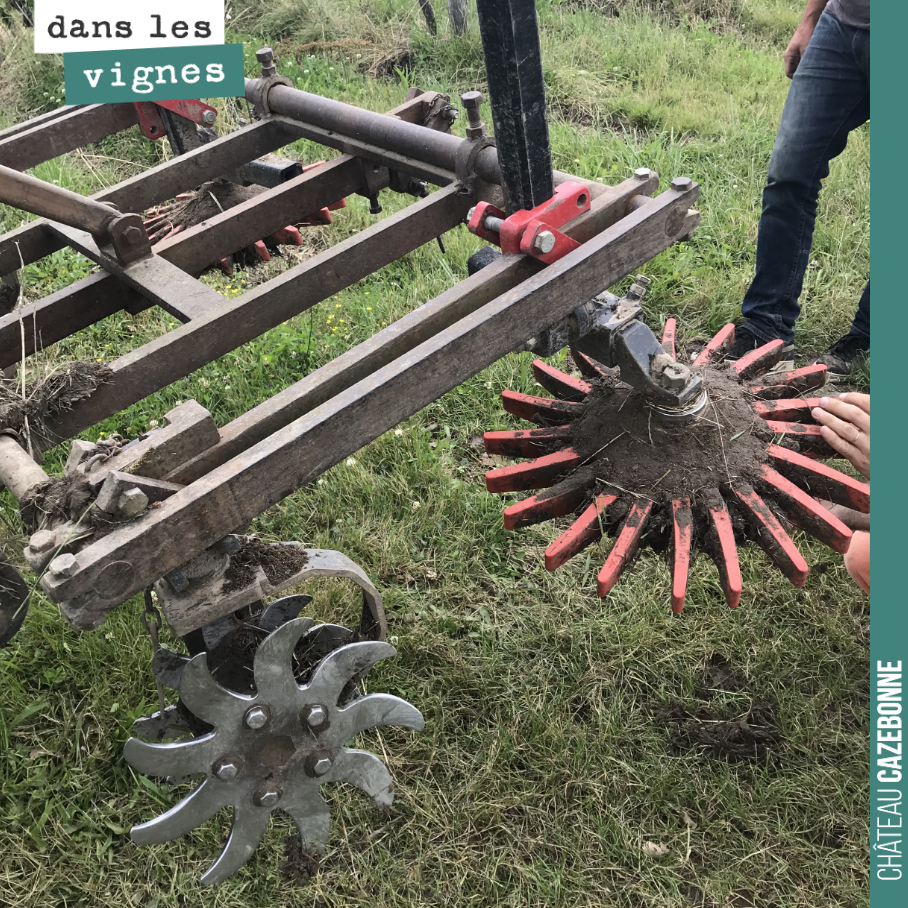
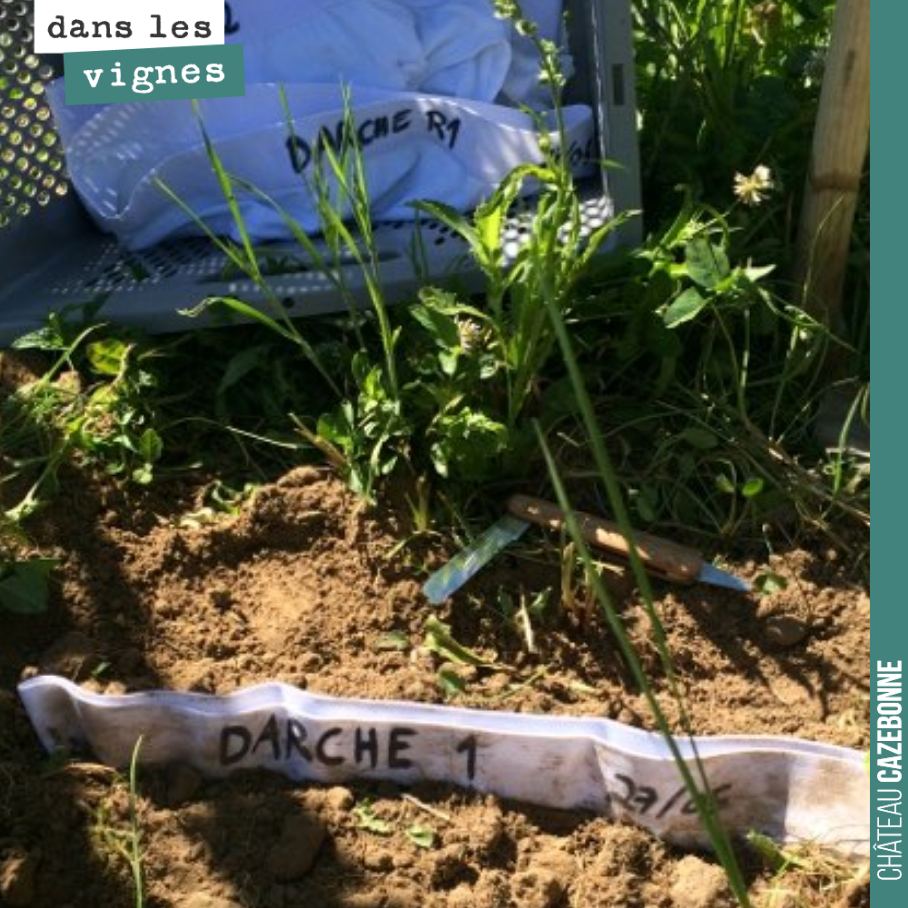
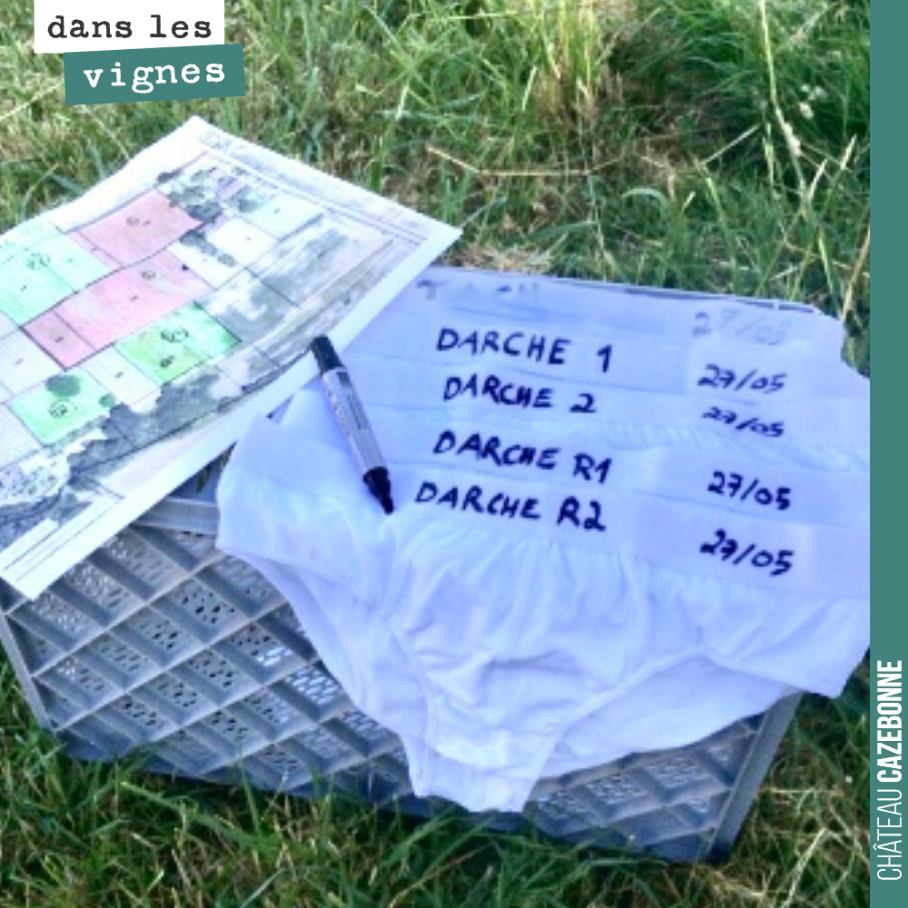
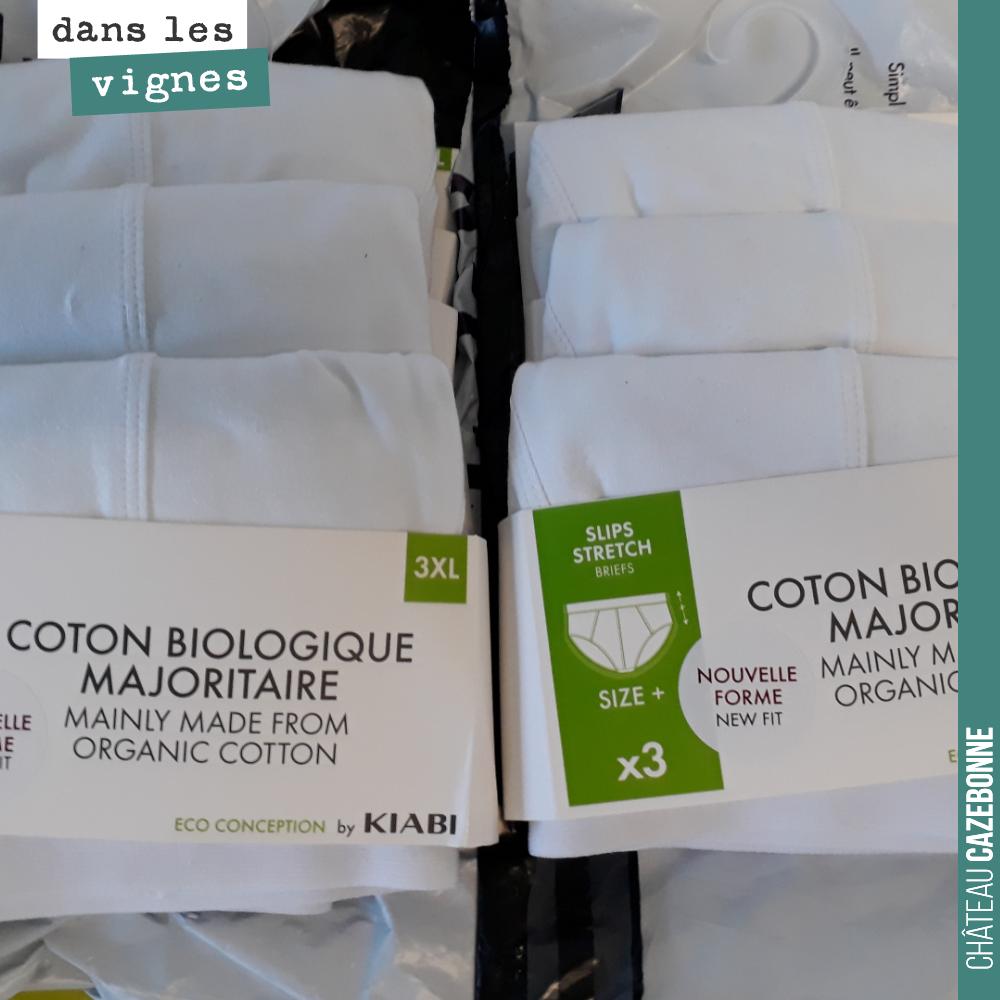
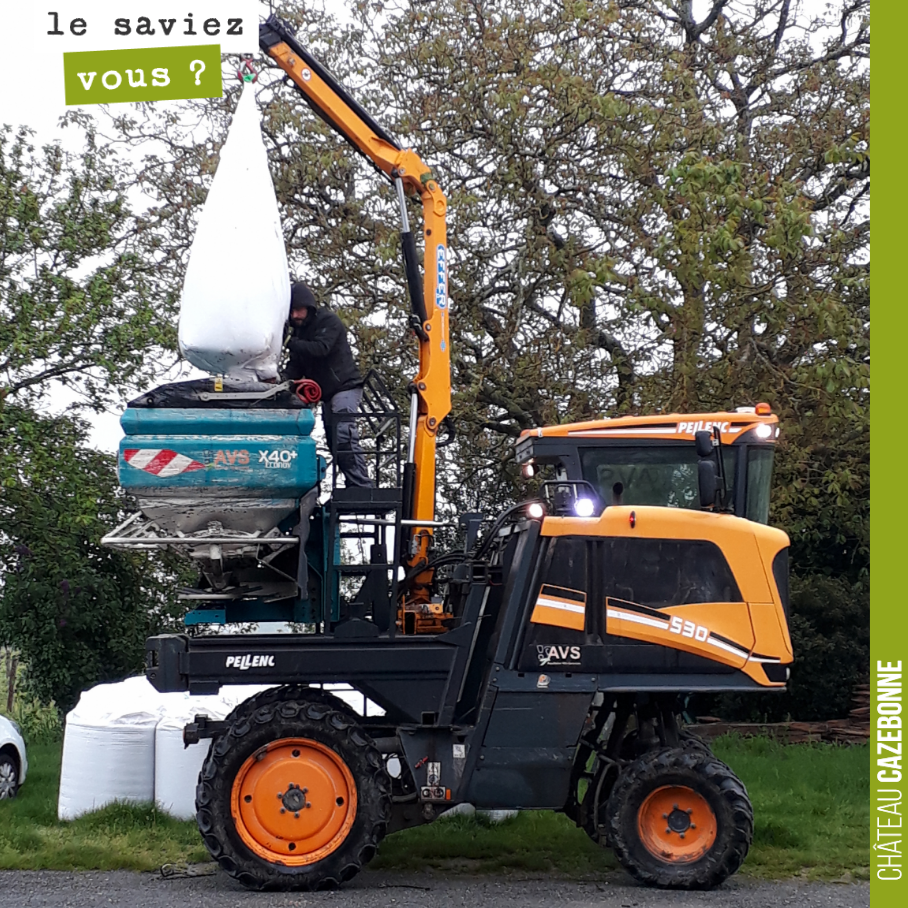
To maintain a living soil, the winegrower's arsenal changes: the plough is often replaced by shallow working tools such as the cultivator or the tine weeder, which aerate without inverting the soil layers and without disturbing the deep microbial life. The seed drill adapted for sowing cover crops becomes an ally, as does the compost spreader. Alternative approaches, such as biodynamics (everything you need to know about biodynamics), also incorporate the use of specific preparations (Preparation 500, Preparation 501) to stimulate soil vitality. Finally, do not hesitate to discover the underpants test for a living soil, a fun method to assess the quality of your earth.
At Château Cazebonne, we are convinced that respecting the soil is the cornerstone of our viticultural approach. It is by cultivating living soils that we can fully express the potential of our Bordeaux terroir and revive ancestral grape varieties that had disappeared from our vineyard landscapes, a true quest for authenticity and biodiversity. This desire to replant history, to restore forgotten Bordeaux grape varieties to their rightful place, is a long-term, fascinating, and essential endeavour. An endeavour made possible by the trust and support of our many enthusiasts who, by adopting our wines, allow us to pursue this quest for authenticity and diversity. We invite you to discover the full range of our cuvées in the Cazebonne boutique. To deepen your knowledge of our viticultural heritage, you can also obtain the digital version of the book "Bordeaux, une histoire de cépages", published by Éditions BBD and written by Jean-Baptiste Duquesne, by receiving the digital version, and to test your knowledge, take part in our oenological quizzes.
Our suggestions
-5%on your 1st order with code BIENVENUE
The essential6 bottles — Graves red 2022
The best price of the cellar: €12 per bottle delivered.
The everyday red: generous and straight to the point.
I want it Our recommendation92/100 RVF
6 bottles — Graves red 2022, 92/100 RVF
Rated 92/100 by La Revue du vin de France: a solid 10-year ageing potential.
Our Graves for ageing, the finest gateway to the estate.
I want it Go further
12 bottles — the whole range
12 bottles, the whole range tasted: the best discovery-to-price ratio.
The complete tour of the estate, in a single case.
I want it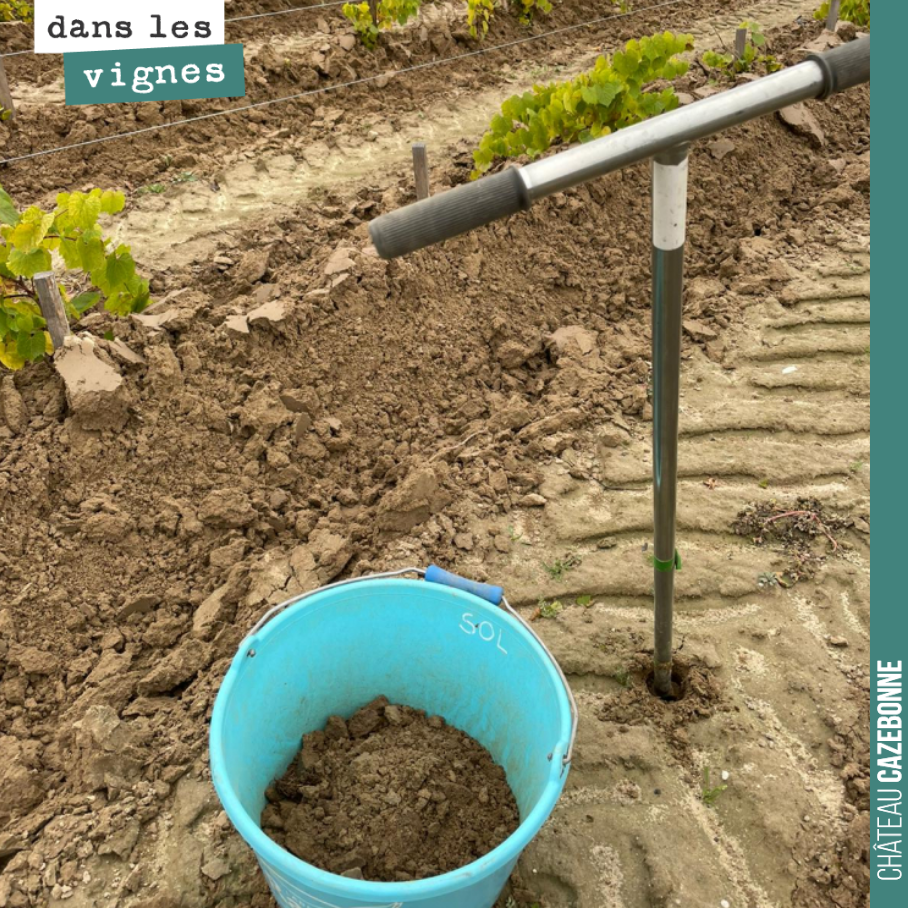
17 November 2021
06 June 2021
31 May 2021
20 May 2021

09 May 2021
11 December 2020
27 November 2020
25 November 2020
24 November 2020
22 November 2020
22 November 2020
15 November 2020
03 November 2020
23 October 2020
01 September 2020
27 June 2020
20 June 2020
20 June 2020
18 June 2020
17 June 2020

03 June 2020
31 May 2020
29 May 2020
29 May 2020
27 May 2020
27 May 2020
05 May 2020
30 April 2020
25 April 2020
19 April 2020
18 April 2020
17 April 2020
11 April 2020
09 April 2020
09 April 2020
07 April 2020
06 April 2020
04 April 2020
08 January 2020
25 December 2019
24 February 2019
30 January 2019
31 December 2018
19 December 2018
08 December 2018
27 October 2018
The cellar, forgotten grape varieties and our cuvées, twice a month. 5% off your first order with the code BIENVENUE.