
 The essential
6 × Entre Amis red
6 bottles — Graves red 2022
The best price of the cellar: €12 per bottle delivered.
The everyday red: generous and straight to the point.
I want itBiodynamics
Approaching biodynamics means embarking on a path that transcends mere organic farming. At Château Cazebonne, we view biodynamics as a comprehensive philosophy, a holistic approach to the vineyard where every intervention is designed in harmony with living things.
More than a succession of practices, biodynamics is a deep connection with the environment. It is based on the careful observation of cosmic rhythms – solar, lunar, and planetary influences – to guide our actions in the vineyard. These subtle, often imperceptible forces play an essential role in plant development, soil activity, and the uniqueness of each vintage.
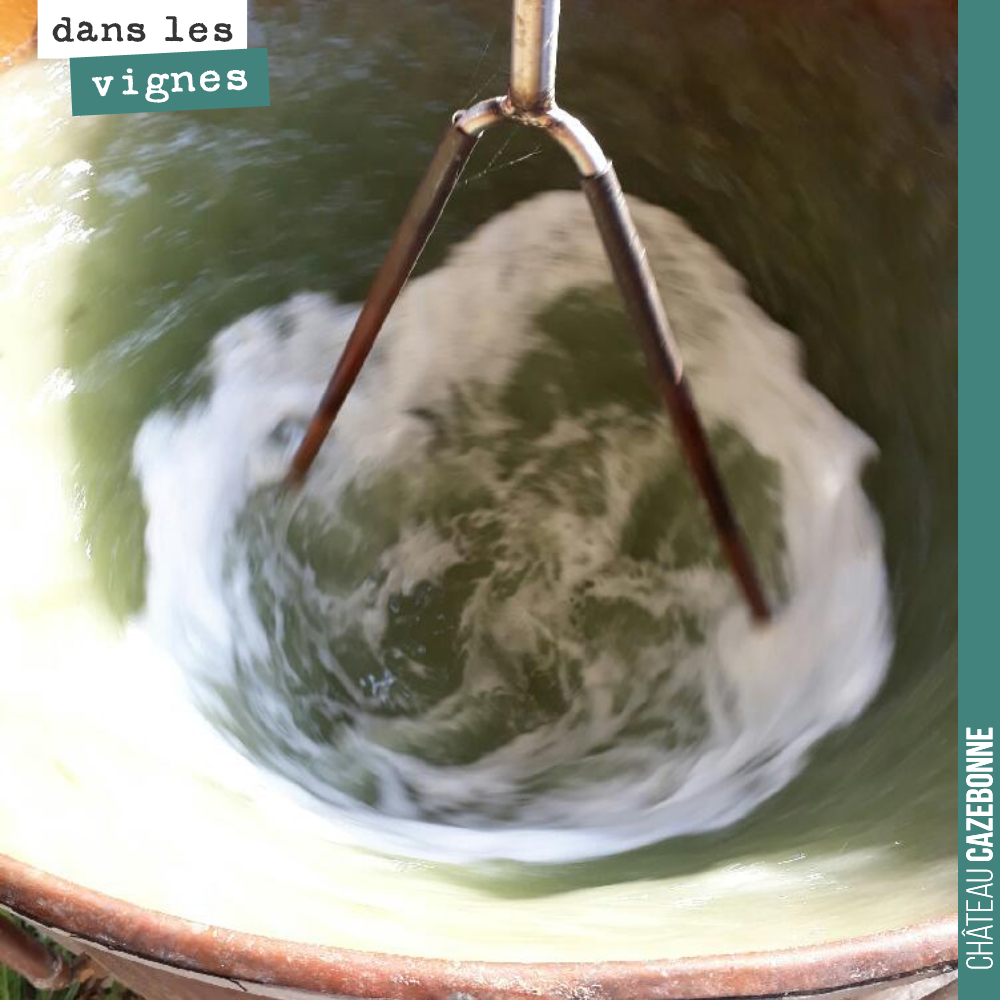
In practical terms, this entails rigorous organic viticulture, excluding all synthetic chemicals. But biodynamics goes further, enriching our soils and fortifying the vines through the application of specific preparations. These preparations, based on plants, minerals, or animal substances, are dynamised and used at precise moments to stimulate the vitality of the terroir and strengthen the plant's natural defences. These are not "magic methods" but the application of ancestral knowledge of natural cycles and vital energy.
It is a work of patience, observation, and profound respect. The soil, considered a living organism, is at the heart of our concerns. We strive to promote its biodiversity, structure, and fertility, because living soil is the pillar of a healthy vine and an authentic wine. This search for balance manifests itself in the robustness of our vines and the pure expression of our terroir.
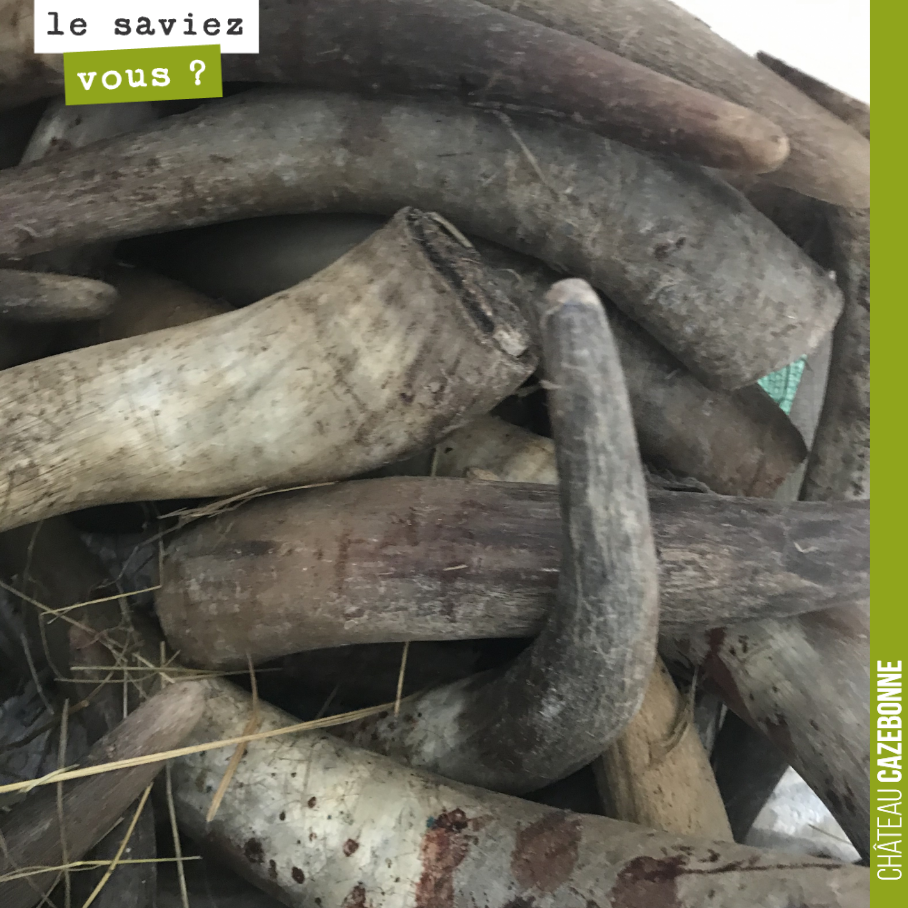
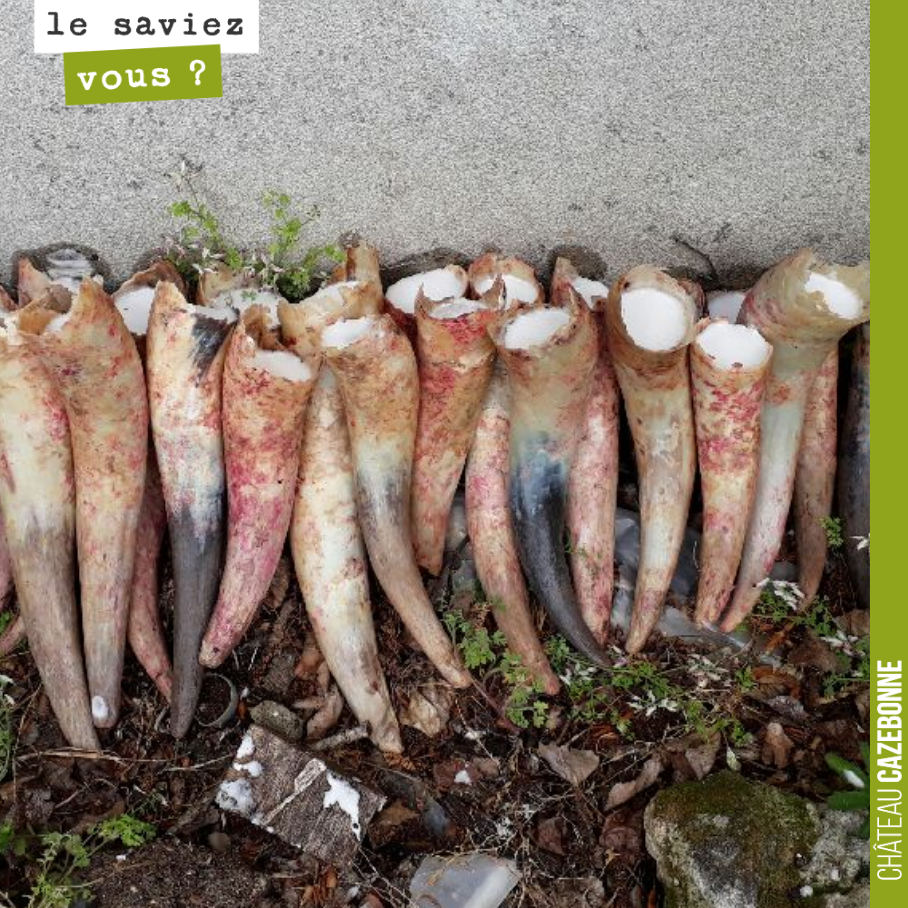
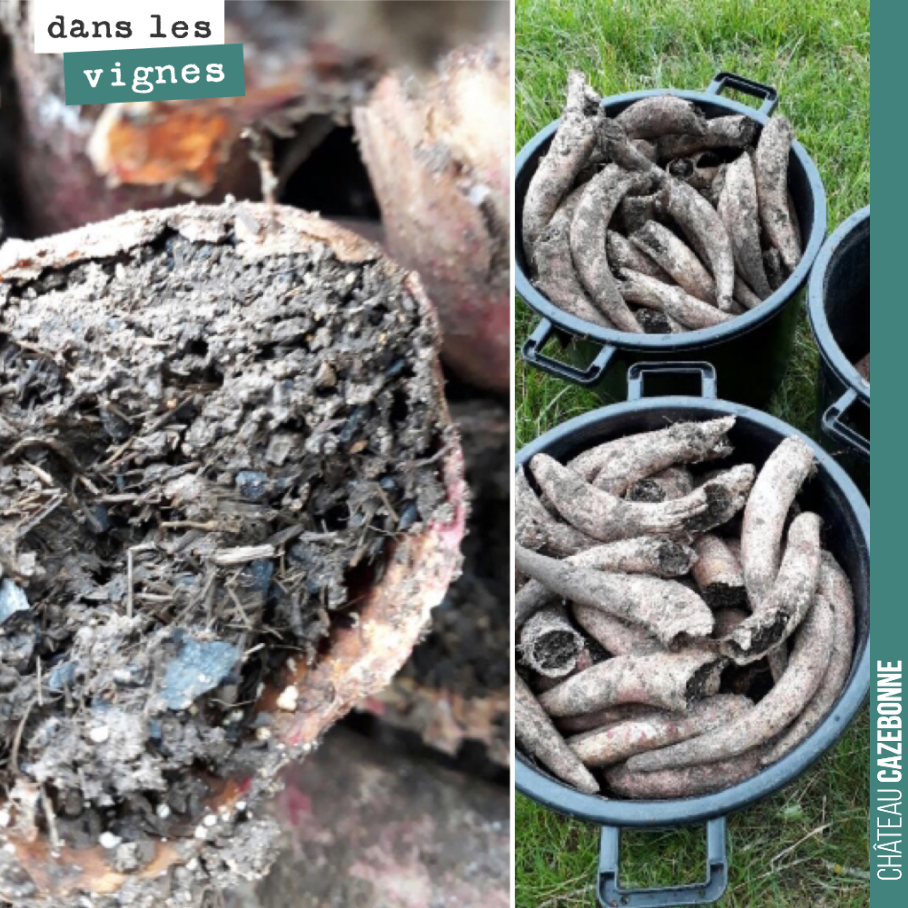
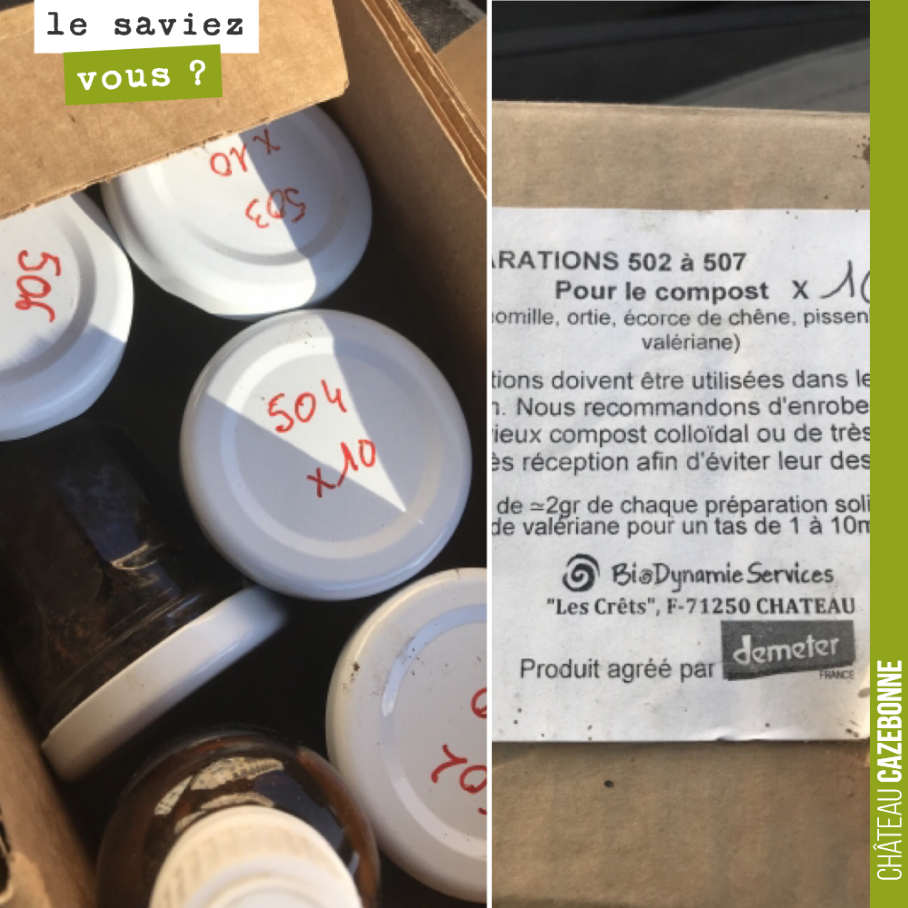
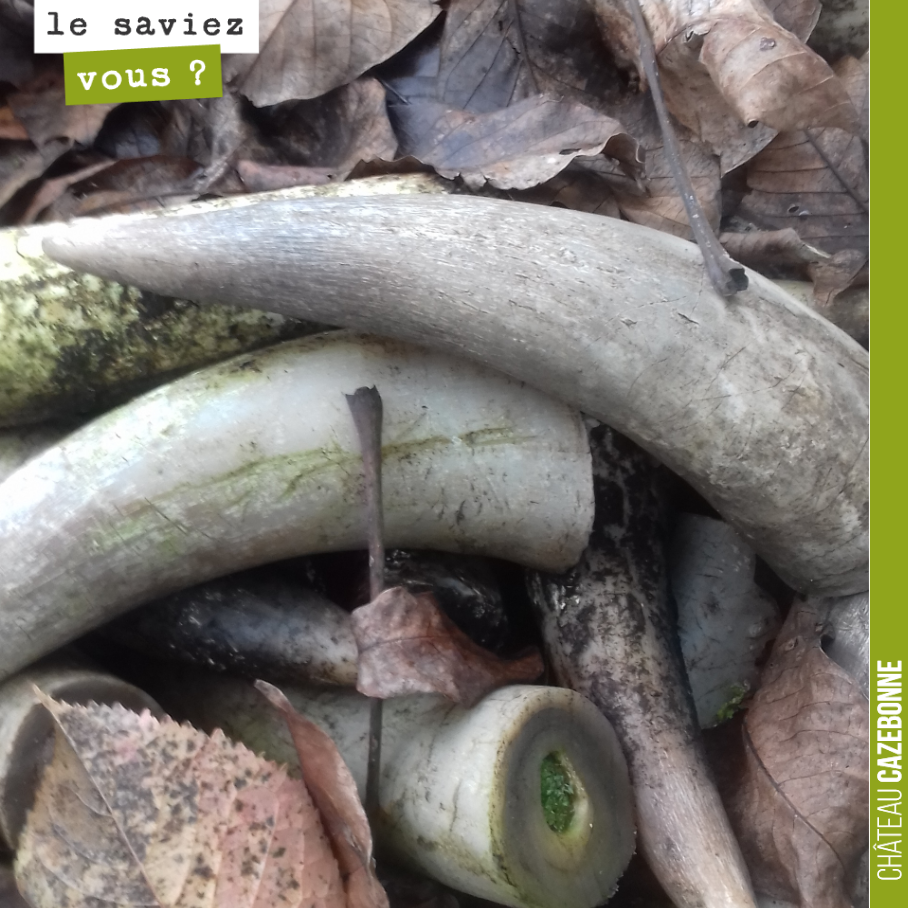
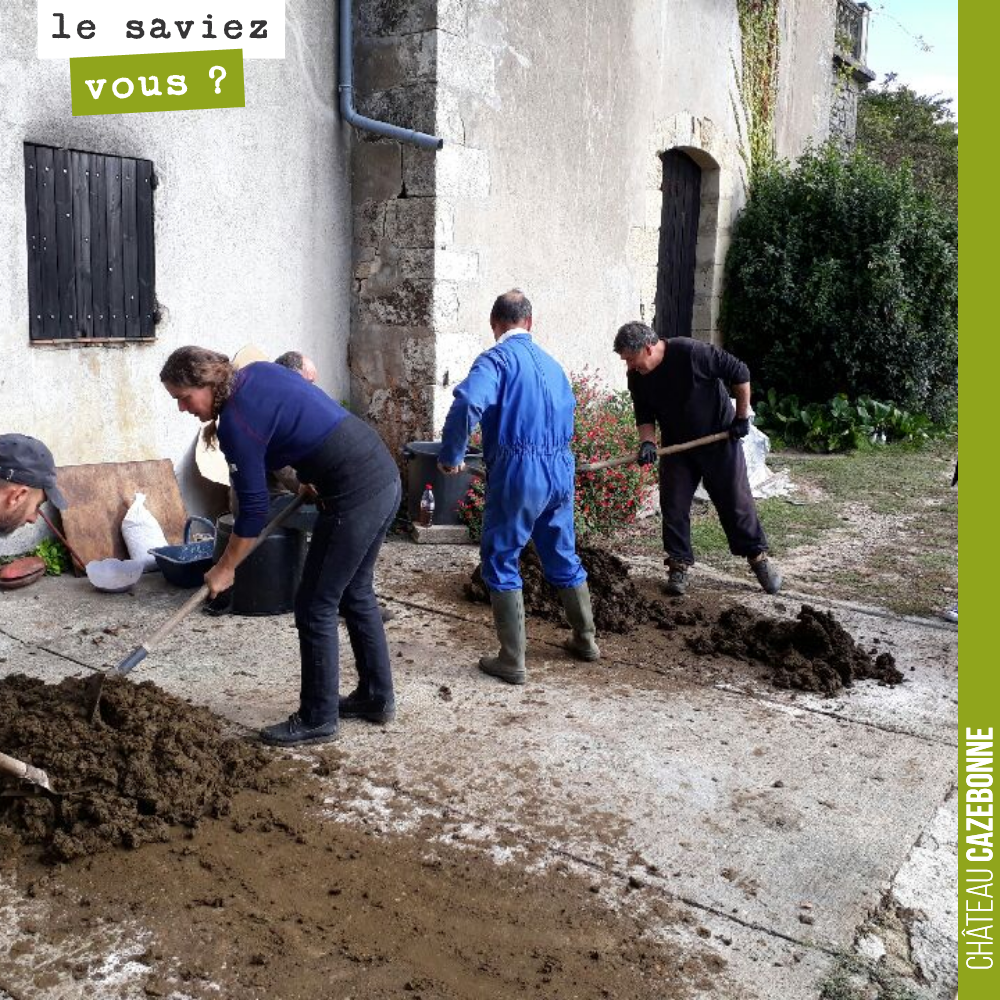
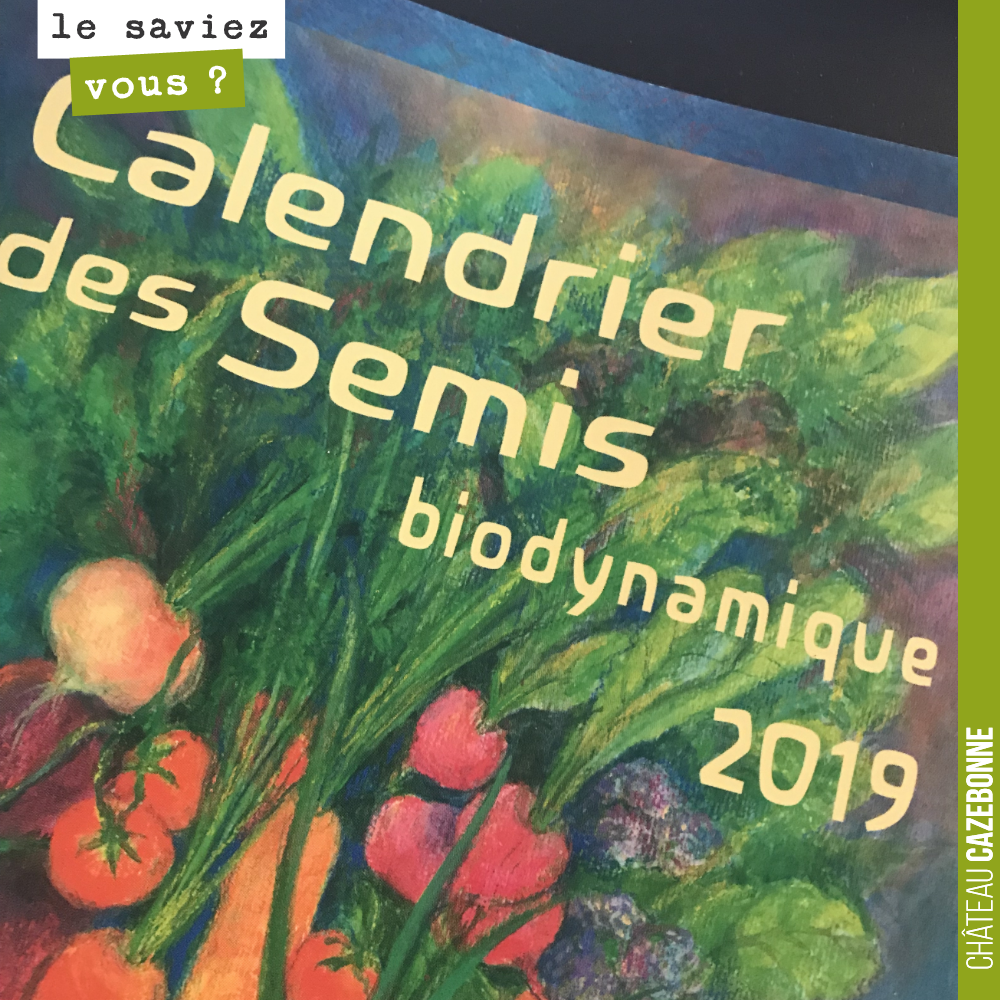
Biodynamics relies on the use of nine specific preparations, numbered 500 to 508. Each has a precise role in strengthening the vitality of the soil and plants. The most emblematic are the "horn manure" and "horn silica" preparations.
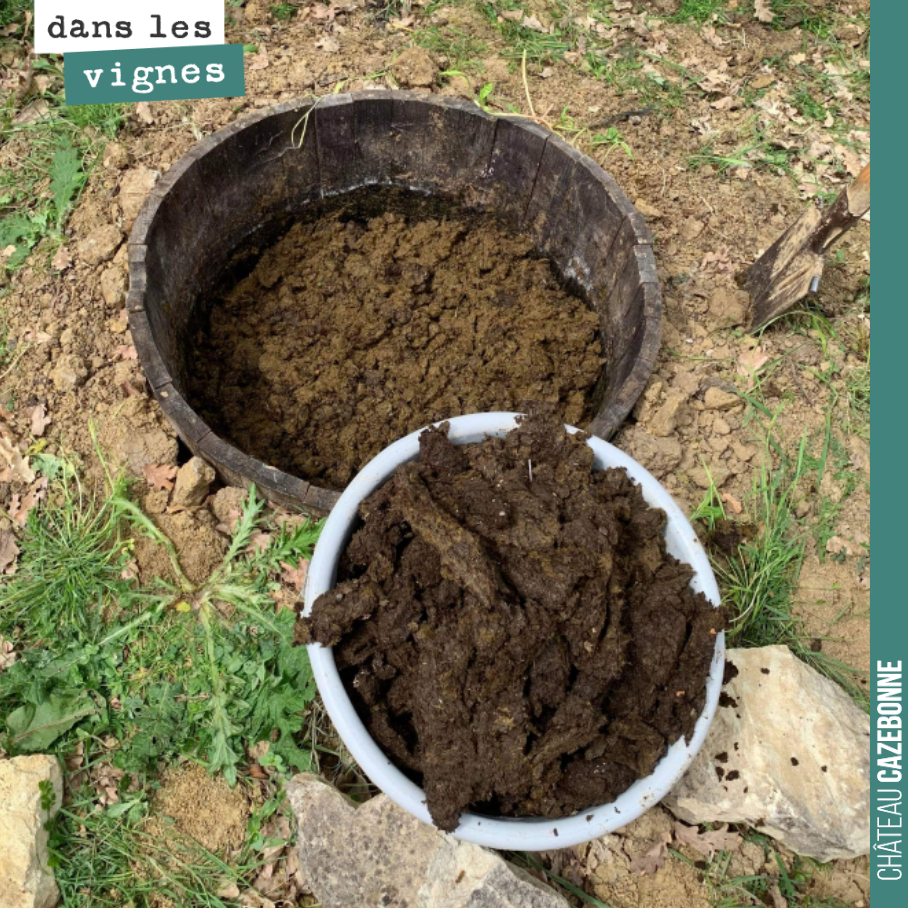
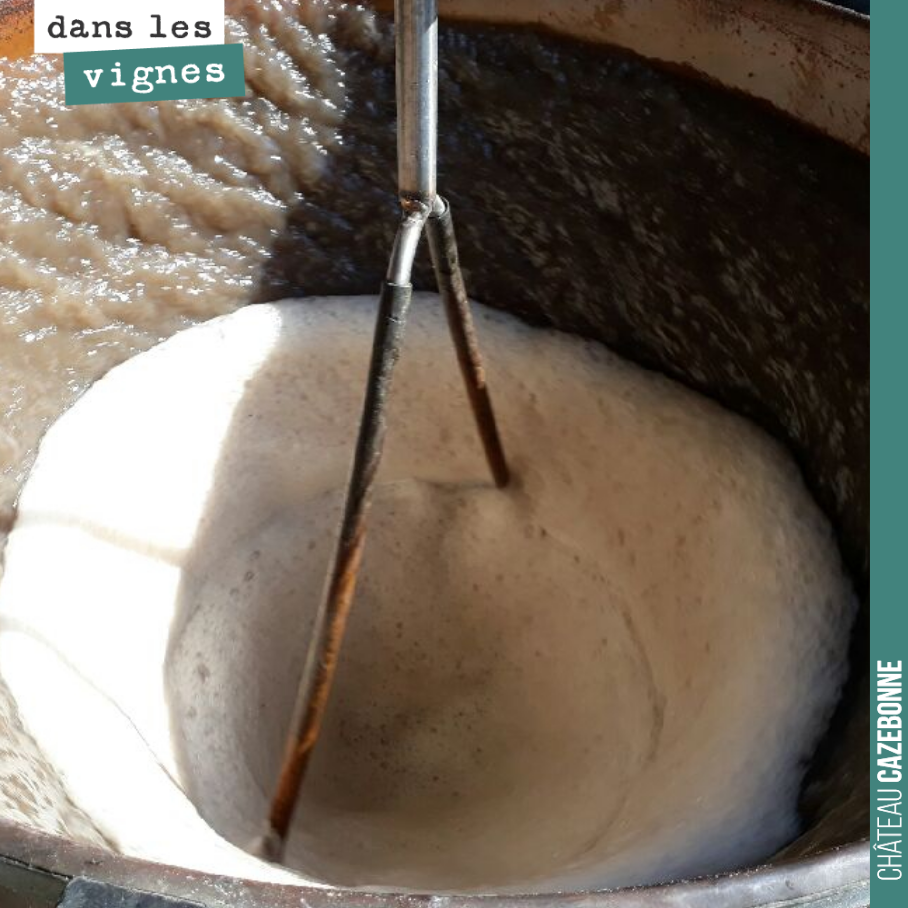
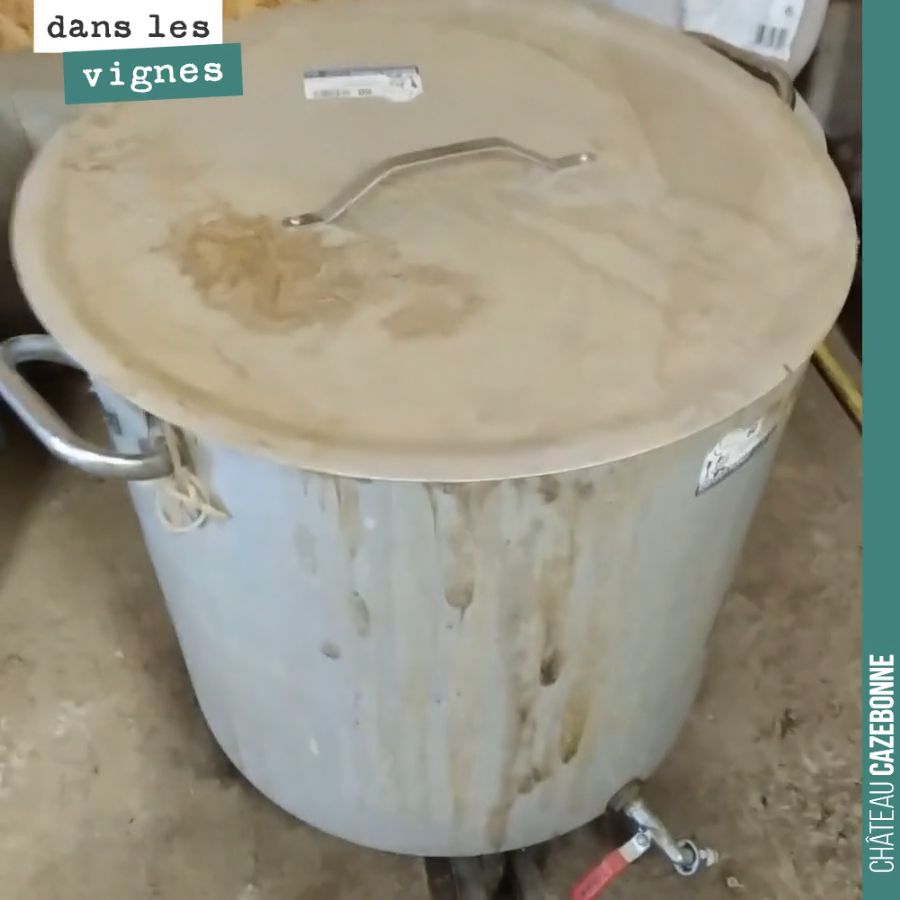
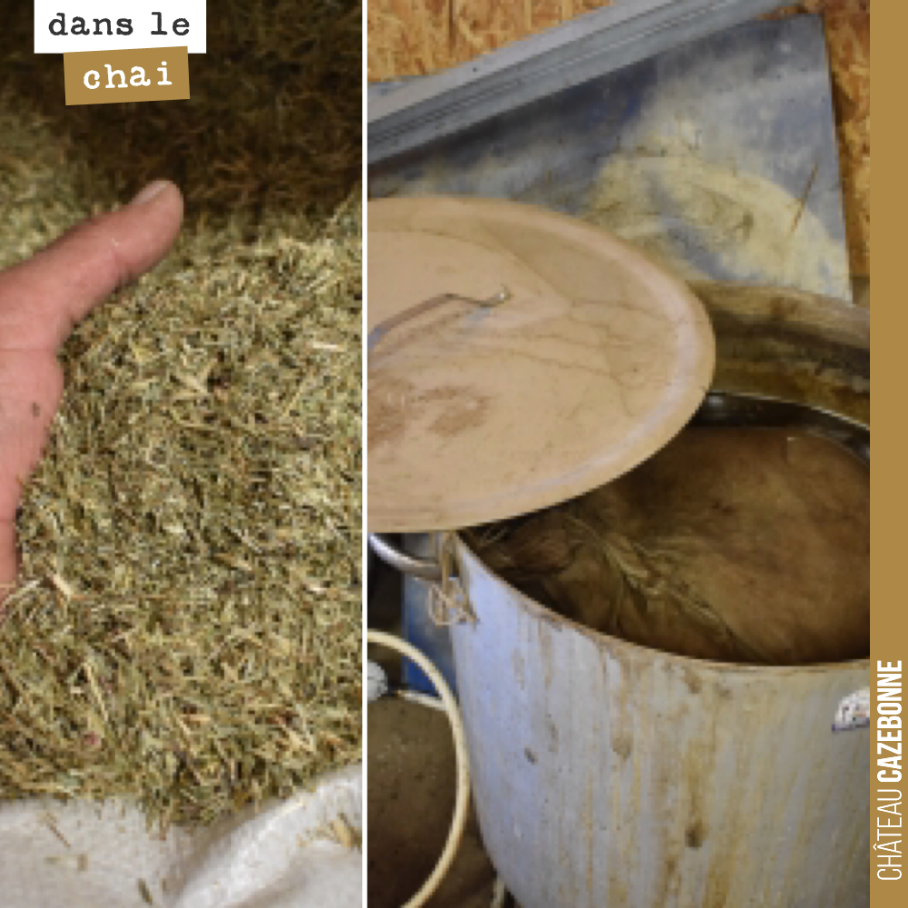
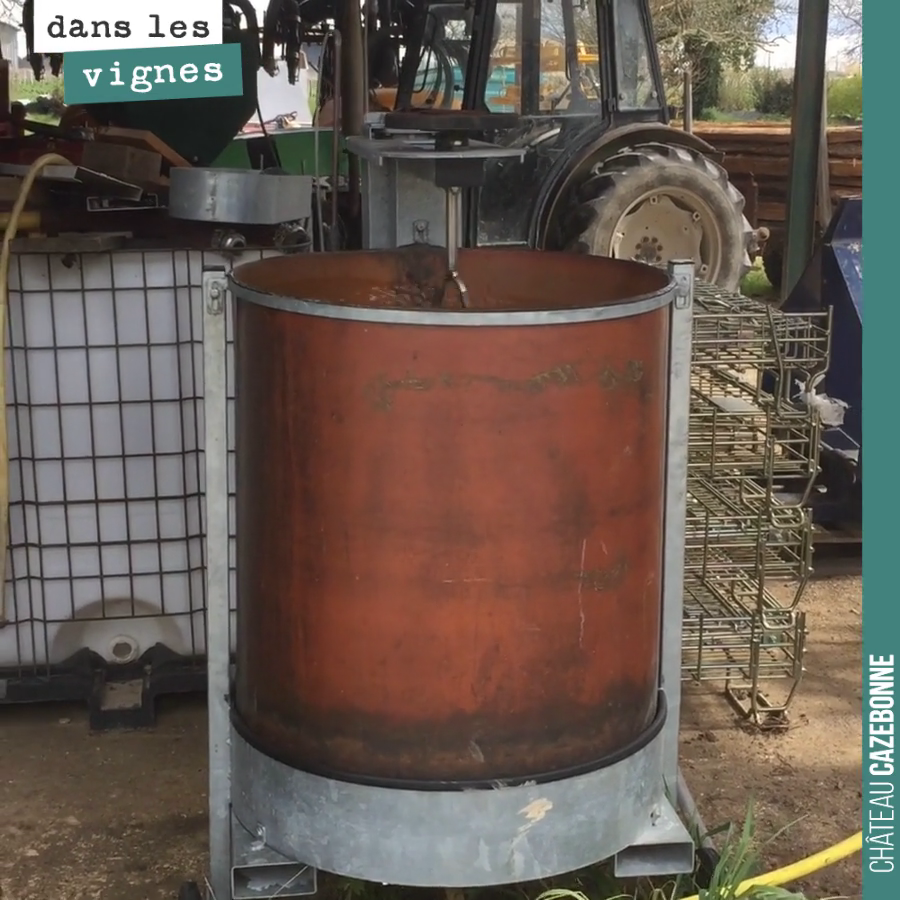
These preparations, used in infinitesimal doses after rigorous dynamisation in water, act as catalysts, awakening natural processes and strengthening the vine's intrinsic ability to express its terroir. It is with this in mind that we also use Maria Thun compost, which we apply to enrich our soils and dynamise our composts.
The initial impetus for biodynamics came from a series of lectures given by the Austrian philosopher Rudolf Steiner in 1924, at the request of farmers concerned about the declining quality of their soils and the vitality of their crops. These eight lectures, known as the "Agriculture Course", laid the foundations for a holistic approach to agriculture, considering the farm as a living organism interconnected with its cosmic environment.
Rudolf Steiner never specifically theorised on viticulture. His principles were later applied and adapted to the specificities of the vine by his followers and pioneering winegrowers. For him, it was about reconnecting agriculture to the laws of nature and celestial rhythms, based on observation and experimentation. His teachings, considered esoteric by some, were primarily aimed at revitalising agriculture by promoting soil and plant health through natural means, far removed from chemical inputs.
At Château Cazebonne, our commitment to biodynamics goes beyond simply adhering to a set of specifications. We advocate a pragmatic and holistic approach, where every action in the vineyard is the result of careful observation and a deep understanding of living things. Far from any dogmatism or esotericism, we seek to cultivate our vines with common sense, in harmony with natural cycles.
This approach allows us to go beyond the requirements of organic farming. By nourishing soil vitality, strengthening the vine's natural defences, and promoting biodiversity, we create a balance that translates into the quality and authenticity of our wines. It is a constant quest for typicity and expression of the terroir, where nature, guided by our commitment, offers the best of itself. This is the very essence of our biodynamic Bordeaux: a respectful, living viticulture, resolutely focused on the future.
At Château Cazebonne, we are committed to replanting forgotten grape varieties in Bordeaux, thereby contributing to the ampelographic richness and diversity of our region. This heritage preservation work is made possible thanks to enthusiasts like you. You can deepen your knowledge on this subject by downloading our book "Bordeaux, une histoire de cépages", test your knowledge with our oenological quizzes, or discover all our biodynamic cuvées by visiting our online shop.
Sources
Our suggestions
-5%on your 1st order with code BIENVENUE
The essential6 bottles — Graves red 2022
The best price of the cellar: €12 per bottle delivered.
The everyday red: generous and straight to the point.
I want it Our recommendation92/100 RVF
6 bottles — Graves red 2022, 92/100 RVF
Rated 92/100 by La Revue du vin de France: a solid 10-year ageing potential.
Our Graves for ageing, the finest gateway to the estate.
I want it Go further
12 bottles — the whole range
12 bottles, the whole range tasted: the best discovery-to-price ratio.
The complete tour of the estate, in a single case.
I want it
10 January 2023
03 May 2022
25 November 2020
15 November 2020
06 May 2020

17 April 2020
08 April 2020
08 April 2020
19 December 2019
23 November 2019
22 November 2019
14 November 2019

07 November 2019
31 July 2019
02 July 2019
23 June 2019
11 May 2019
05 May 2019
18 April 2019
16 April 2019
11 April 2019
20 March 2019
20 March 2019
28 February 2019
20 February 2019
14 December 2018
12 December 2018
30 November 2018
25 November 2018
25 November 2018
24 November 2018
24 November 2018
03 November 2018
28 October 2018

27 October 2018
25 October 2018
24 September 2018
21 September 2018
24 August 2018
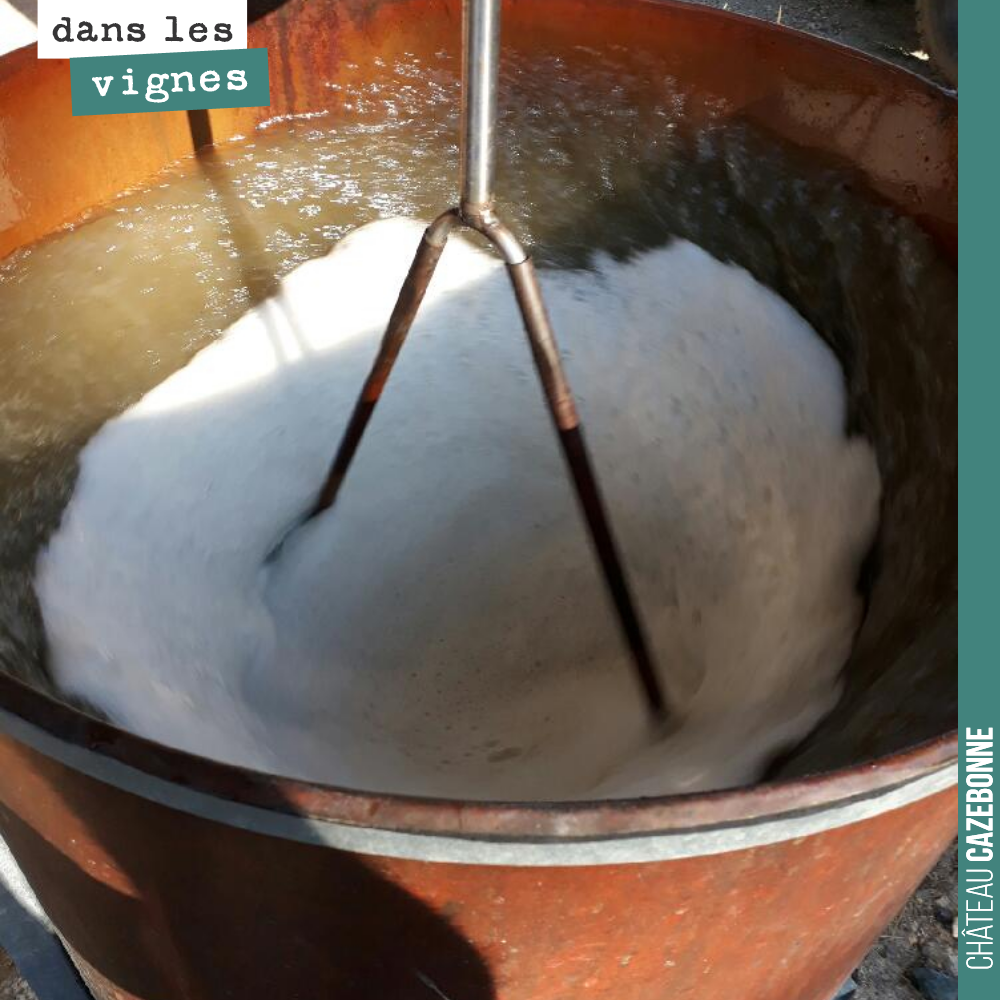
16 August 2018
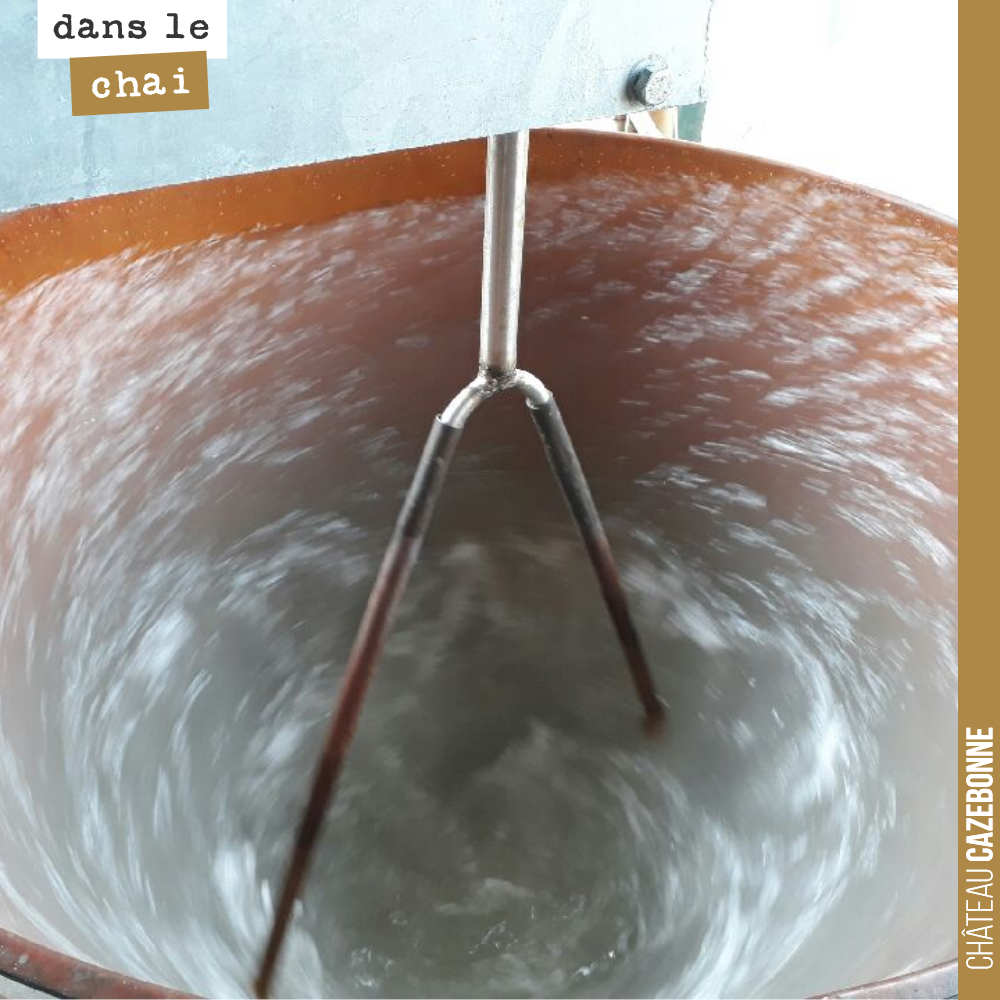
06 July 2018
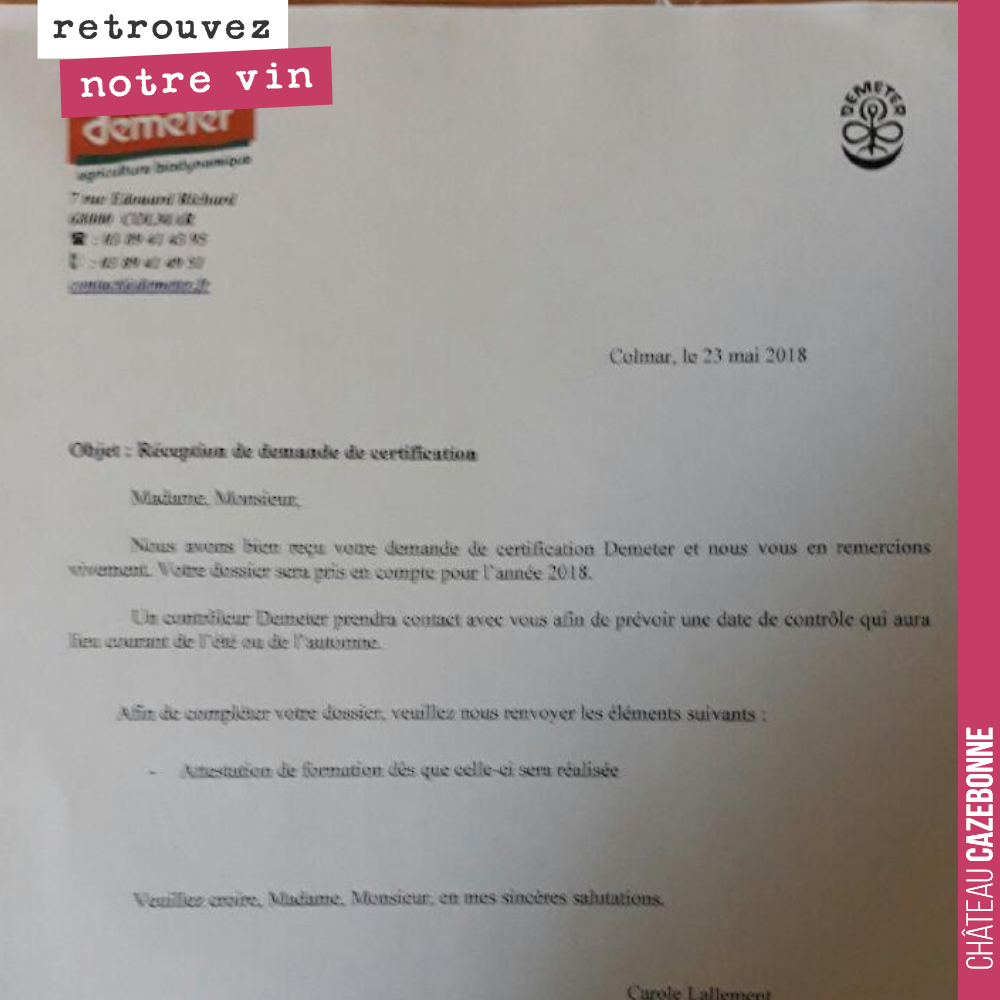
29 June 2018
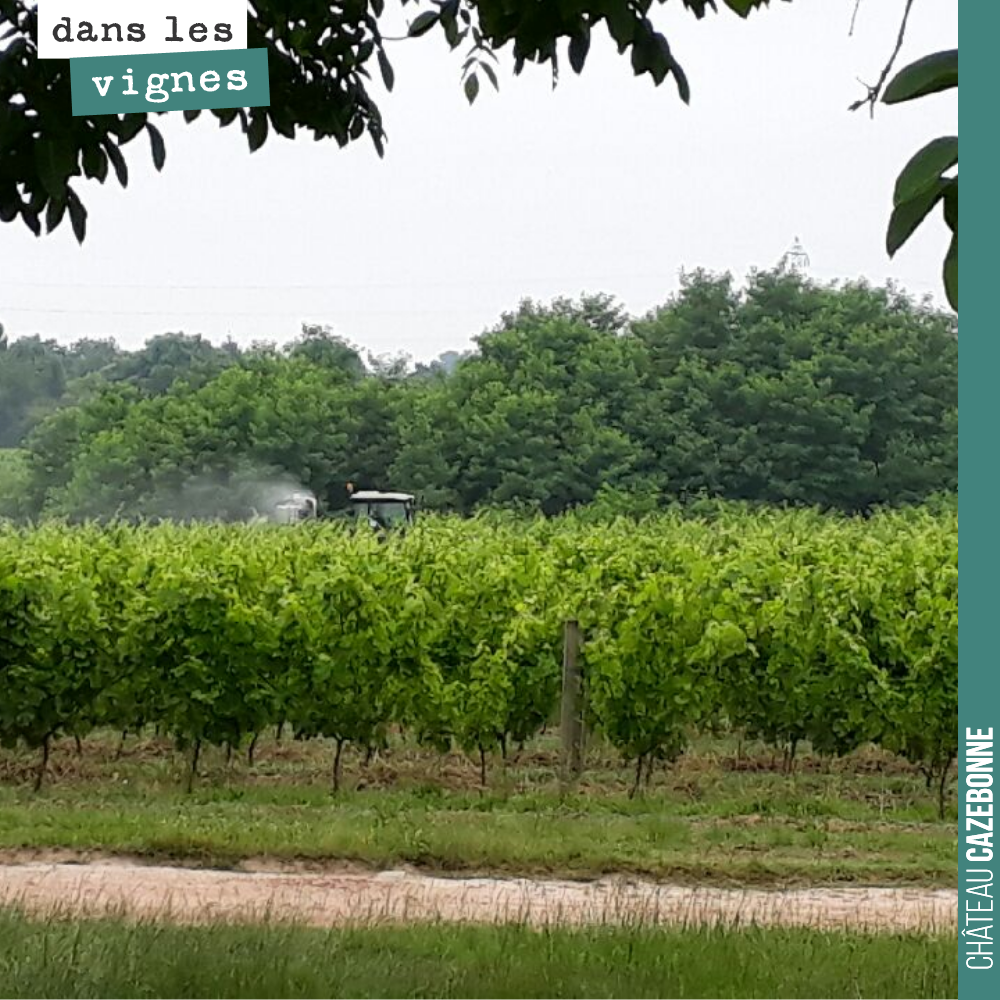
27 June 2018
The cellar, forgotten grape varieties and our cuvées, twice a month. 5% off your first order with the code BIENVENUE.