
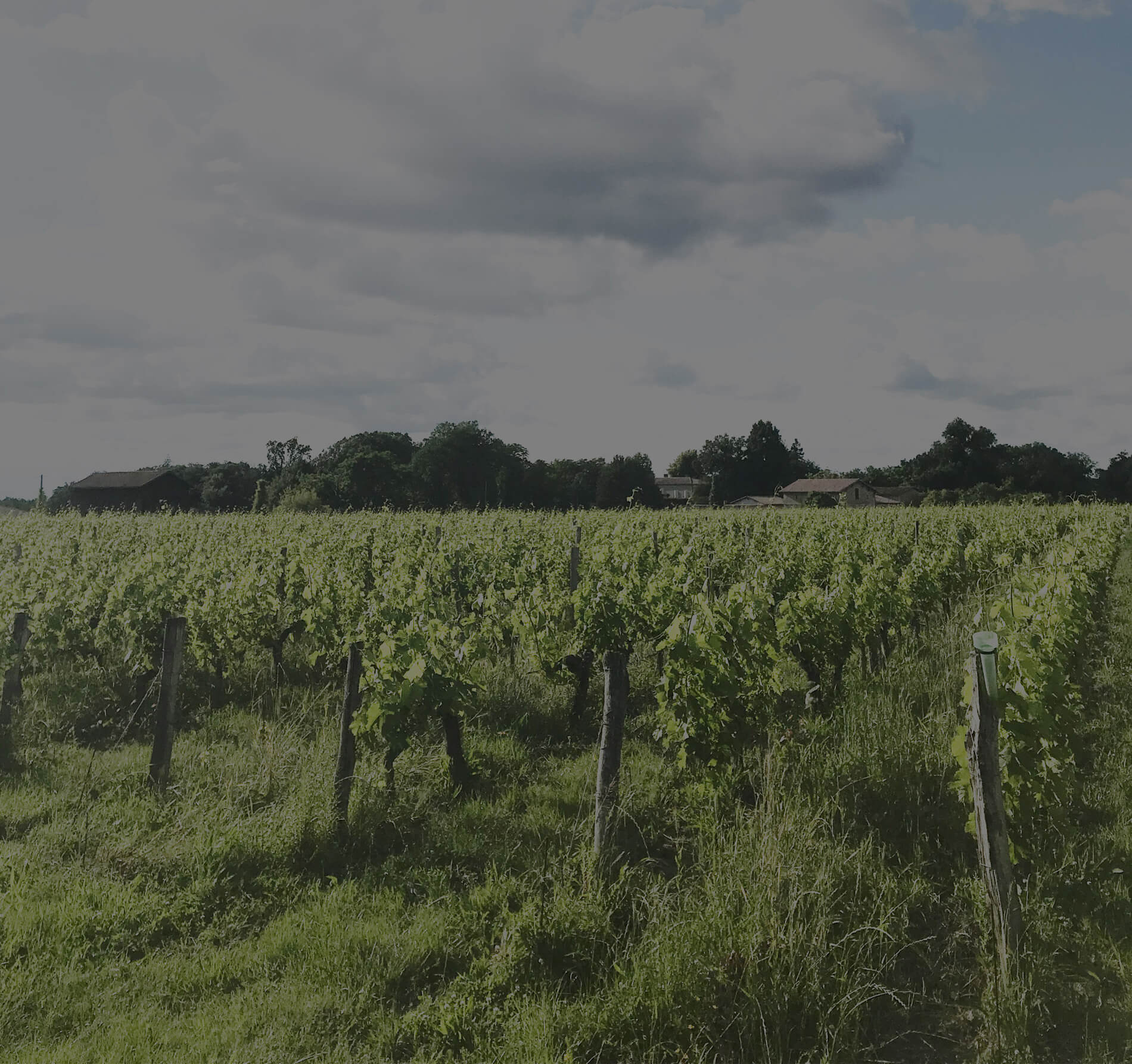
The estate
The story of Cazebonne
Eight centuries of history in the heart of the Graves, between legendary terroirs, figures of royal power and a biodynamic revival led today by Jean-Baptiste Duquesne.
A vineyard rooted in time
Between the Garonne and the Graves
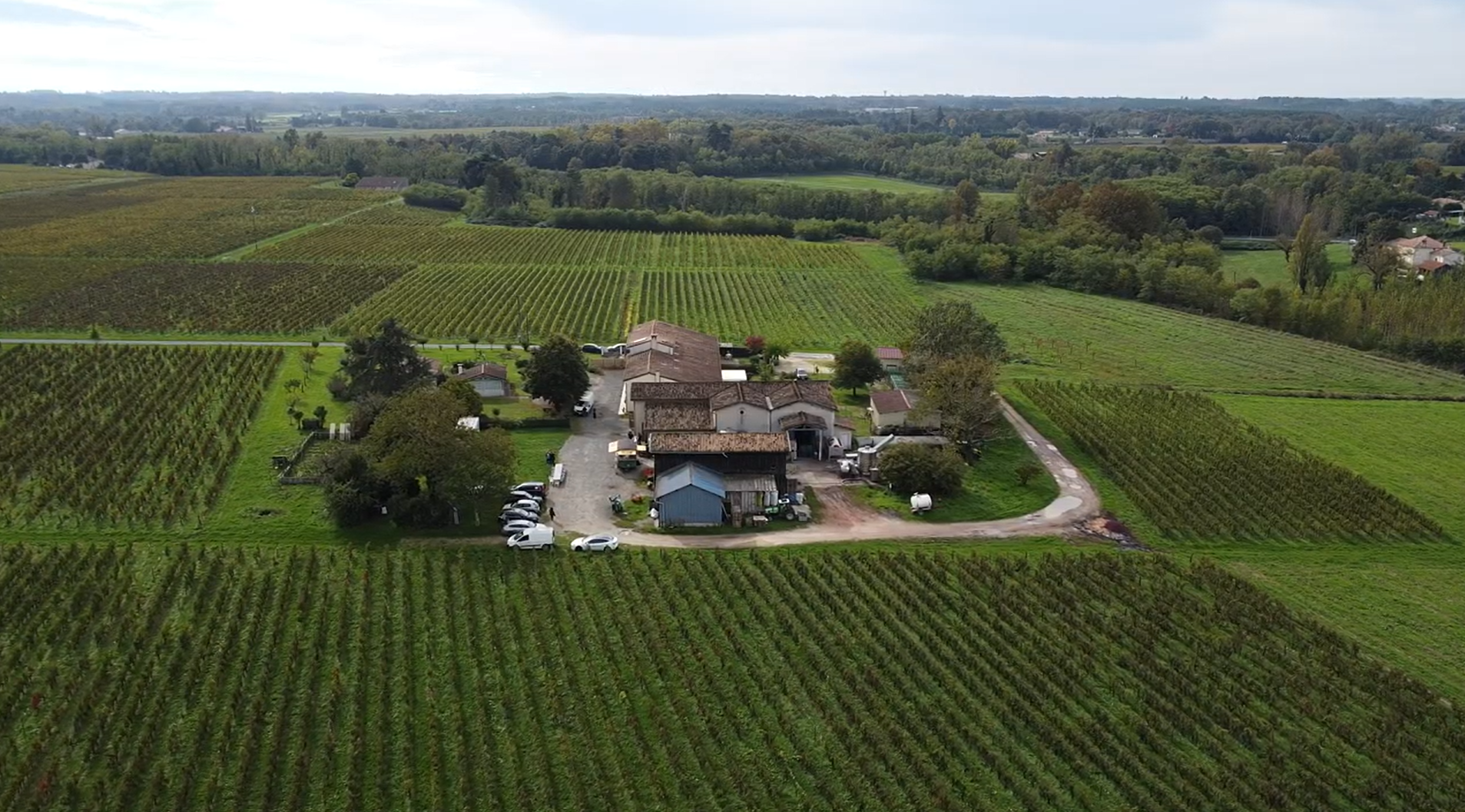
Château Cazebonne covers nearly 30 hectares in Saint-Pierre-de-Mons, in the Graves appellation, some thirty kilometres south of Bordeaux. Set on the left bank of the Garonne, it is one of the oldest estates in the village: a silent witness to almost eight centuries of winegrowing history.
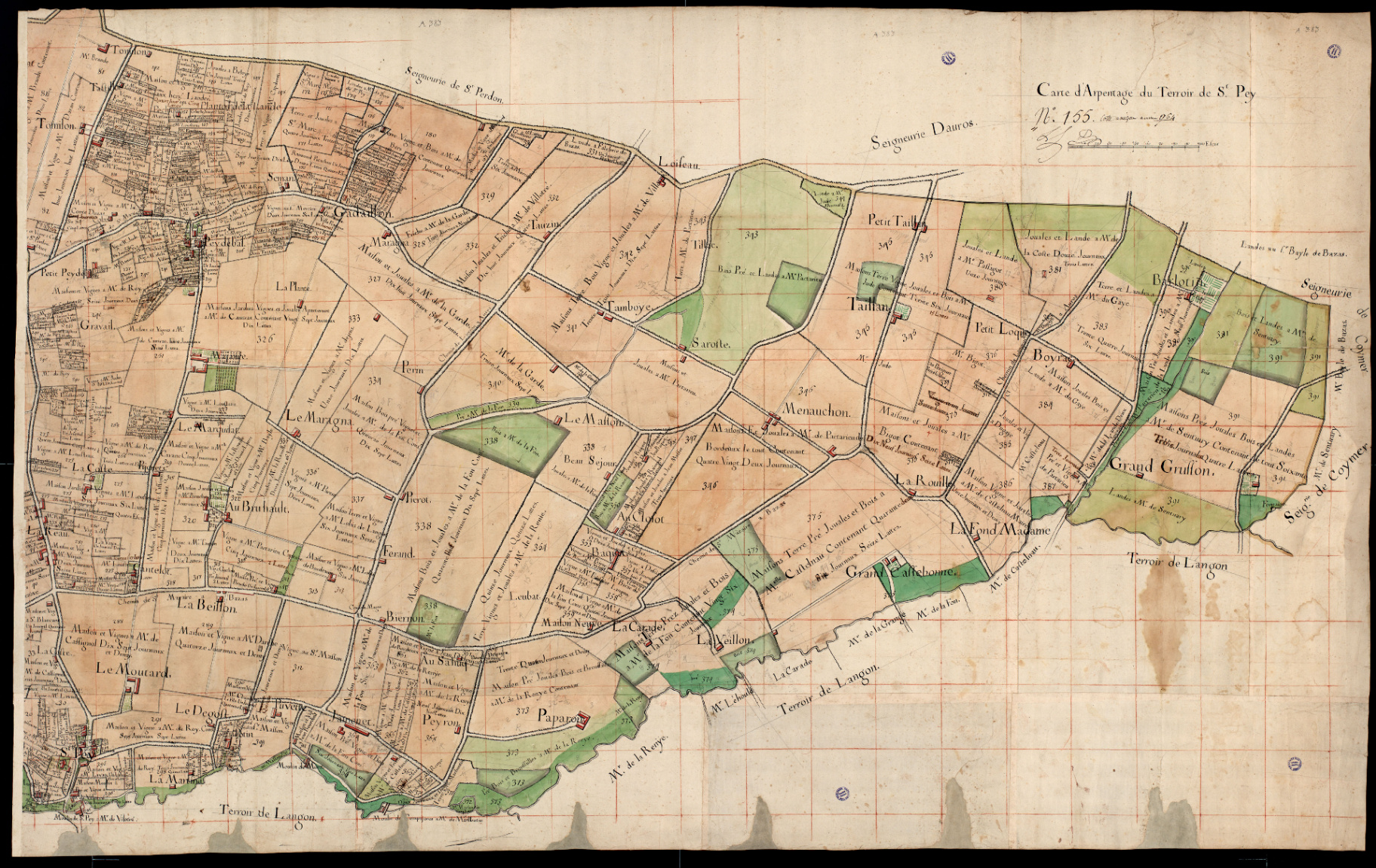
On these historic named plots — Grand Cazebonne, Peyron, Bouché, Darche, Le Maine — vines have grown since the Middle Ages. As early as the 14th century, the region's wines were shipped from Langon to England, Flanders and northern Europe: Cazebonne's wines were very probably part of those precious cargoes that built the fame of Bordeaux claret.
Gravels of sand, pebbles and clay over limestone subsoils: each plot offers a geological signature that gives our wines their diversity of expression, between aromatic finesse and mineral depth.
A winegrowing timeline
Eight centuries in a few dates
The first cargoes
The will of Jean de Grely mentions 41,739 barrels of wine shipped from Langon to England. The wines of Cazebonne and Peyron were very probably among those cargoes that built the reputation of Bordeaux claret.
The La Reynie era
Gabriel Nicolas de La Reynie, first lieutenant general of police of Paris under Louis XIV, owned the Peyron, Bouché and Darche terroirs — already 100% planted with vines. From 1667 he had thousands of lanterns installed in the streets of the capital: night-time public lighting unheard of in Europe, which earned Paris its nickname of the “City of Light”. On his death in 1709, with no direct heir to continue his work, his vines were taken over by local winegrowing families, who farmed them until the Sourget family arrived after the war.
The de Castelnau family
The de Castelnau family led Cazebonne from the late 18th century for four generations. Joanès de Castelnau lived in the manor and became mayor of Saint-Pierre-de-Mons, anchoring the estate lastingly in village life. In the mid-19th century, Cazebonne was sold to Jacques Martinet (1866-1924), from Sainte-Bazeille; his family kept the property at least until the interwar years, before passing it on to the Bridet family.
The Bridet family at Cazebonne
After the war, the Bridet family farmed the historic heart of the estate, around Grand Cazebonne. The plots inherited from the Castelnau family continued to sustain the village of Saint-Pierre-de-Mons vintage after vintage.
The Sourget family at Peyron-Bouché
On La Reynie's former terroirs, the Sourget family acquired Peyron and Bouché after the war. Jean Sourget farmed them until 2016, when he handed them over to Jean-Baptiste Duquesne. He still lives at Peyron and follows our adventures with a kindly eye.
THE REVIVAL
Jean-Baptiste Duquesne took over the estate and, for the first time, brought the Castelnau and La Reynie plots together as one. Conversion to biodynamics, Demeter and organic certification in 2020, and the gradual replanting of more than 45 historic Bordeaux grape varieties.
“Paris owes to Nicolas de la Reynie its becoming the City of Light. From there to saying that thanks to Cazebonne, Paris became what it is, there is but one step!”
2015
A biodynamic revival
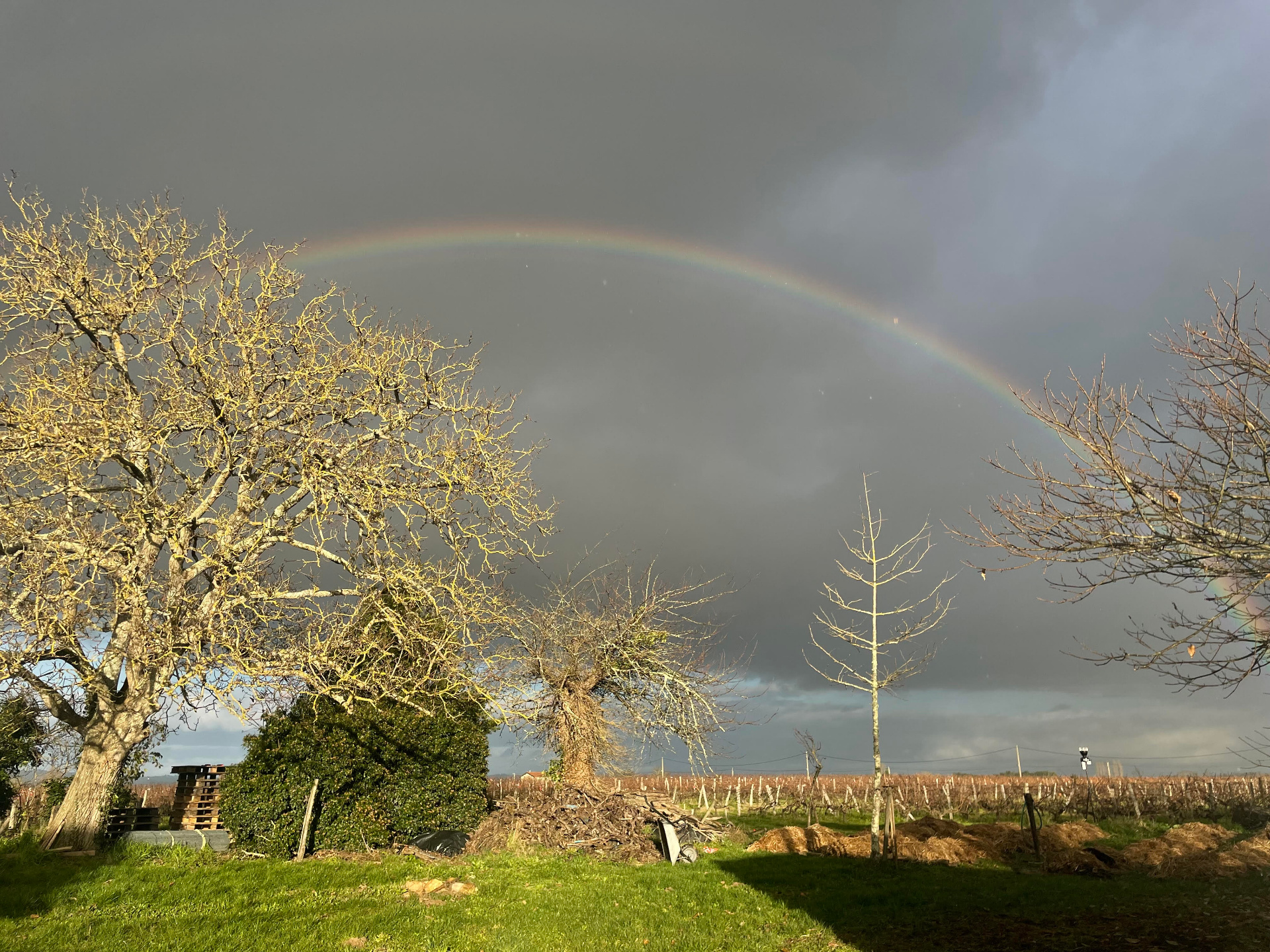
In 2015, Jean-Baptiste Duquesne took over Château Cazebonne and began a thorough conversion. Synthetic chemical inputs were abandoned, first for organic farming and then biodynamics: the estate regained a living balance with its soils, landscapes and natural rhythms.
Since the 2020 vintage, every cuvée has been certified Demeter and Organic. Plant-based preparations, observation of lunar and planetary cycles, soils worked for microbial life: the vine expresses itself more freely, and each vintage tells its year with greater precision.
It was also time to rewrite the grape mix. Recent varieties gave way to forgotten historic Bordeaux grapes — Castets, Mancin, Bouchalès, Saint-Macaire, Jurançon noir, Penouille, Mérille… — planted plot by plot. A work of archives, massal selection and patience, documented in Jean-Baptiste Duquesne's book, Bordeaux, une histoire de cépages.
30 ha
Demeter & organic
45+
Grape varieties replanted
Today Château Cazebonne is far more than a vineyard: it is a living laboratory where eight centuries of history nourish avant-garde winegrowing. Each plot tells of an era, each rediscovered variety reopens a forgotten page, each wine carries the imprint of a terroir worked with respect.
This project of replanting heritage grape varieties and farming biodynamically is made possible by the wine lovers who have adopted our wines. By choosing Cazebonne, you take a direct part in the revival of Bordeaux's ampelographic heritage and in writing a freer, more alive, more diverse Bordeaux.
Come and meet us at the estate, taste our cuvées and walk the rows of our vines. The story keeps writing itself, bottle after bottle.
Articles
See all →Loading…