
The estate
Our terroirs
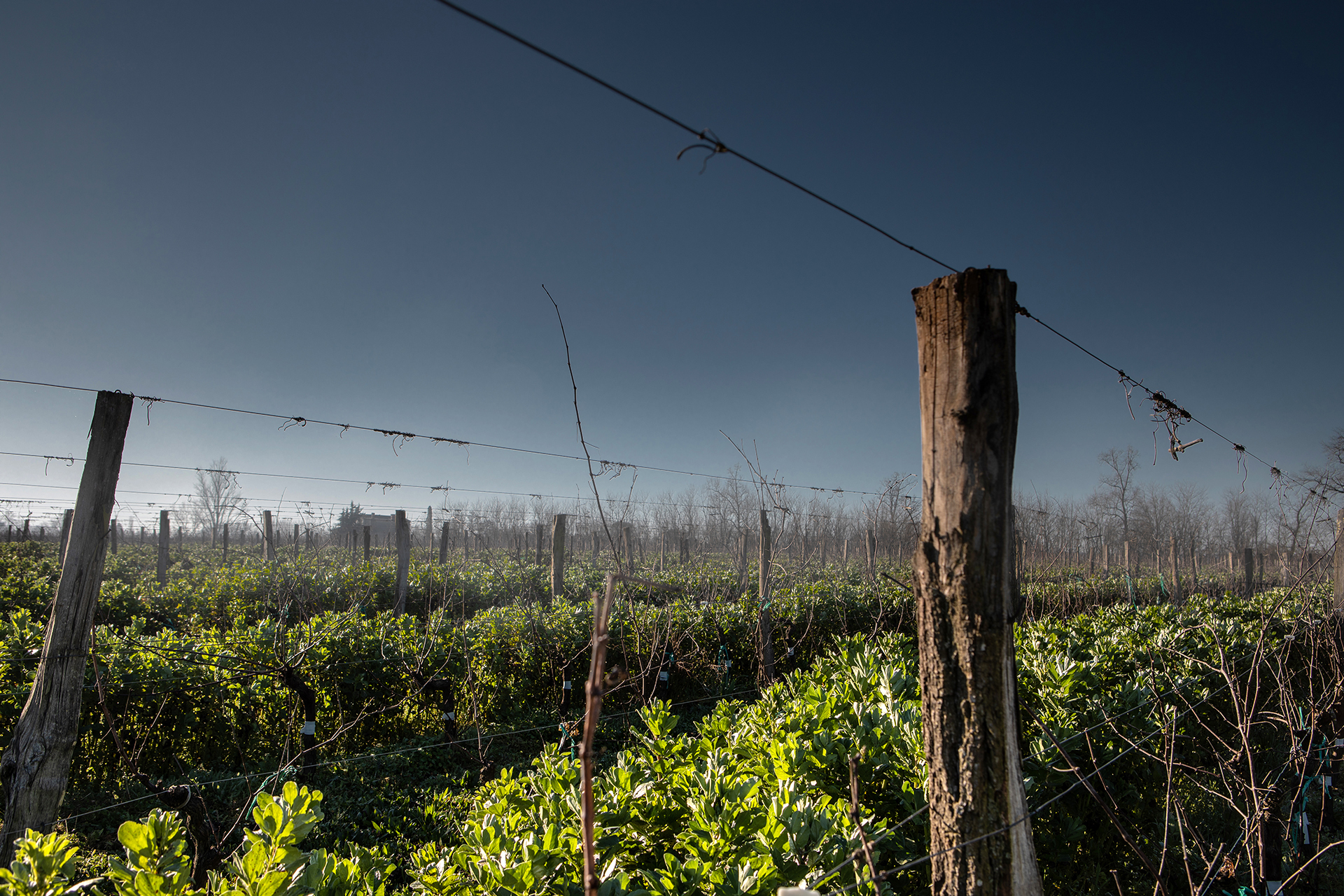
Four named plots, one single character: that of the Günzian gravels of Saint-Pierre-de-Mons, between the Garonne and the Landes forests.
A dreaming geologist
The Günzian gravels
The plots of Château Cazebonne lie on Günzian gravels, Quaternary soils made of gravel, sand and rolled pebbles deposited by the Garonne. Poor in organic matter, free-draining and deep, they force the vine to reach far down into the soil to feed itself.
That demand gives birth to taut, saline wines with a marked mineral backbone. The terroir sets the style: never heavy, always vertical, with a natural elegance that carries across vintages.
THE NAMED PLOTS
THE FACES OF CAZEBONNE
Peyron
The well-exposed heights
Set on the estate's higher ground, Peyron enjoys a privileged exposure and deep gravel soils. This is where the oldest plots grow, carrying sun-drenched ripeness and a silky tannic frame.
Bouché
Between the Garonne and the forests
The Bouché plots mix gravel and sand, balancing natural drainage with thermal regulation. This terroir yields wines of great finesse, marked by freshness and saline notes.
Darche
The historic anchor
Darche carries the history of Cazebonne. Around 1700 this terroir was already 100% planted with vines. Its Günzian gravels, inherited from the Quaternary, produce taut, mineral wines with great longevity.
CAZEBONNE
Freshness and balance
Close to the Landes forests and wetlands, Cazebonne captures night-time freshness and south-westerly breezes. The wines born here combine roundness and verticality, with a natural acidity that makes them very moreish.
Maine
Silty soils
Maine rests on deep silty soils that combine finesse with nourishment for the vine. This terroir offers supple wines with silky tannins and harmonious ripeness.
Peyrous
Clay soils
The clays of Peyrous retain water and freshness, feeding the vine even through the hottest summers. This terroir gives dense, structured wines with fine depth.
Médecine
Silty soils
The Médecine terroir lies on fine silty soils that bring softness and suppleness to the vine. They are hard to work because the soils harden quickly here. But the wines can be excellent once the vine is well established.
Climate and surroundings
Between river and forest
Some thirty kilometres south of Bordeaux, the estate benefits from the nearby Garonne and the influence of the Landes forests. Misty mornings, sunny days and cool nights create an ideal climate for slow, even ripening.
This thermal regularity preserves the grapes' natural acidity while complex aromas develop. It is this constant dialogue between terroir and climate that shapes the inimitable character of Cazebonne wines.
Biodynamics
Letting the terroir speak
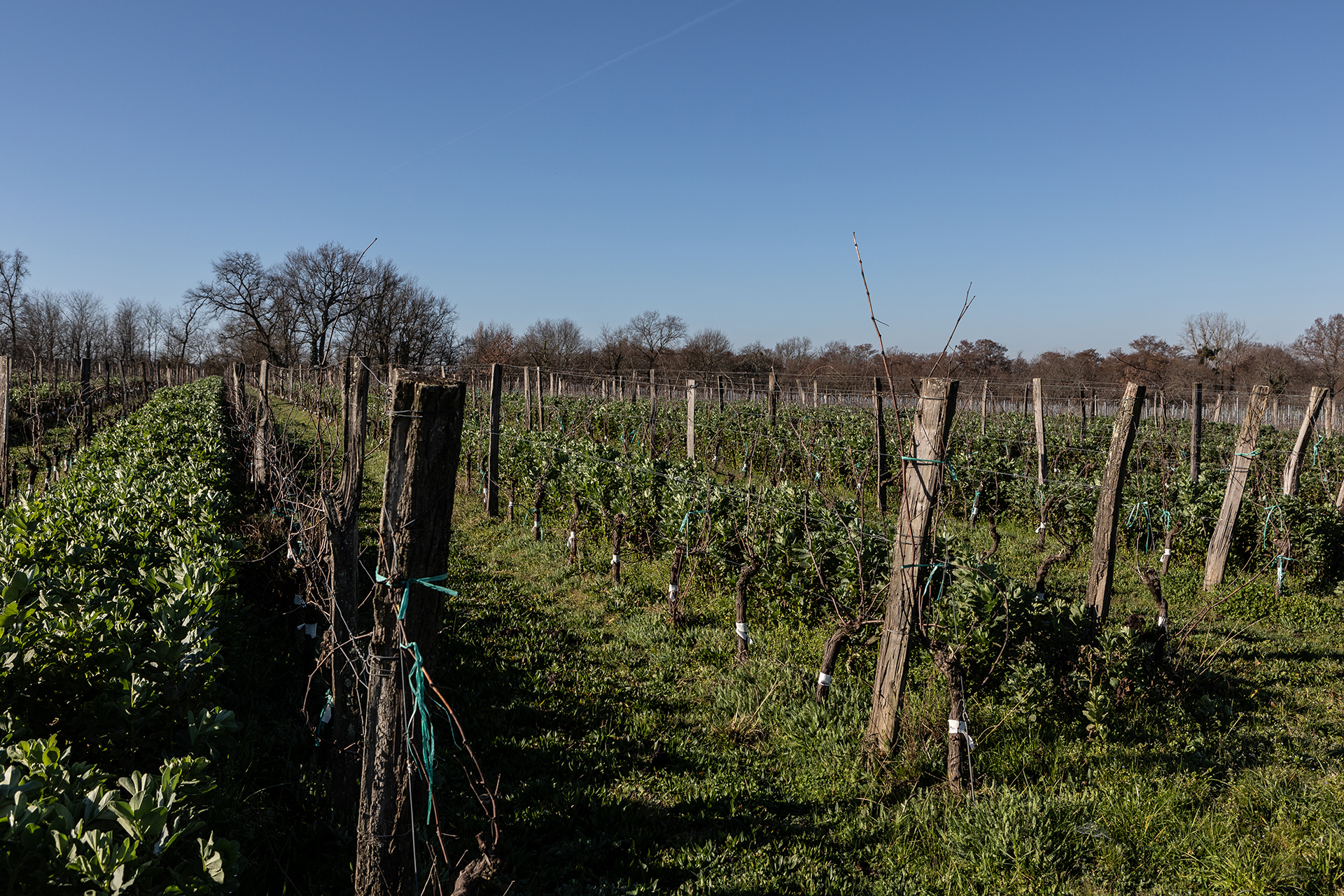
Since 2015 the estate has converted to organic and then biodynamic farming. No more chemical inputs, no more weedkillers: we work the soil, sow green manure and follow the lunar cycles to respect the vine's natural rhythm.
The aim is not to correct the terroir but to reveal it. Each plot is vinified separately, each vintage told as it is. The result? Living, authentic wines that carry their place and their year.
Articles
See all →Loading…