
 The essential
6 × Entre Amis red
6 bottles — Graves red 2022
The best price of the cellar: €12 per bottle delivered.
The everyday red: generous and straight to the point.
I want itCazebonne
The history of Cazebonne is based on hypotheses predating written records. Toponymic analysis suggests an ancient origin for the name "Cazebonne". It is possible that these lands were cultivated, with vines grown in "joualles", as early as the 13th or 14th century. A will by Jean de Grely records the export of 41,739 barrels of wine from Langon to England. The wines of Cazebonne and Peyron likely featured among these cargoes that contributed to the reputation of Bordeaux claret.
This medieval period, although less documented, lays the foundations of an agricultural and winegrowing vocation that would endure throughout the centuries. Sites for cultivation were often chosen for their fertility and exposure, qualities that the terroir of Cazebonne has undoubtedly offered since time immemorial.
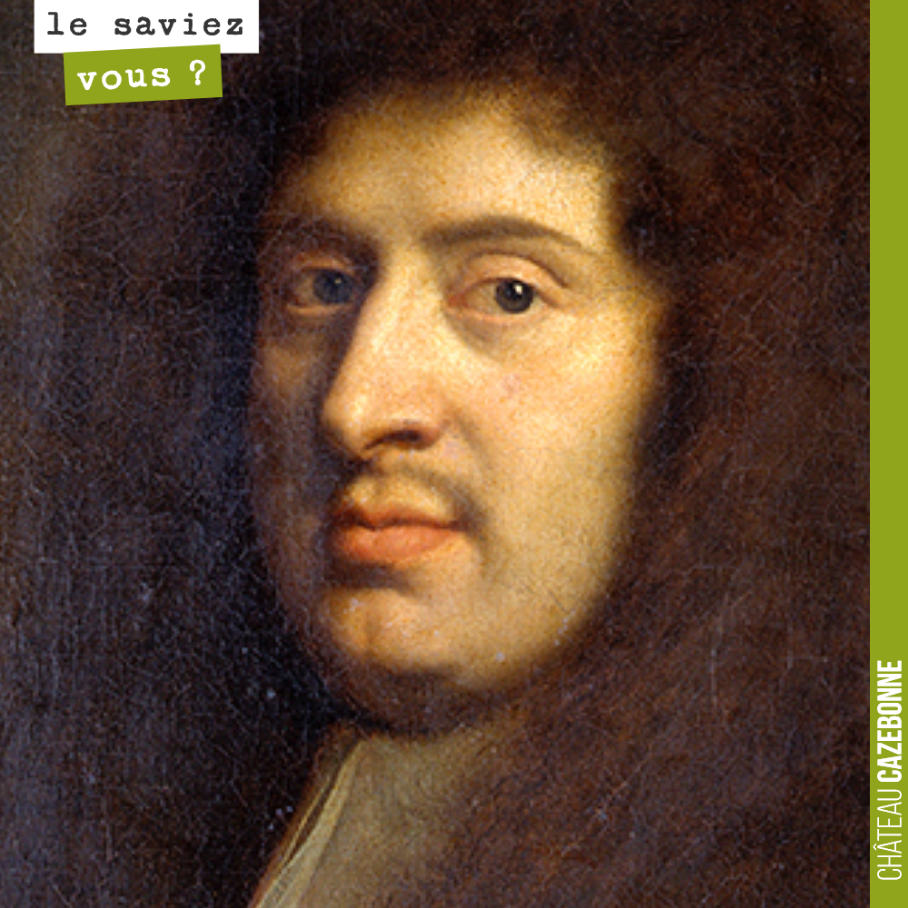
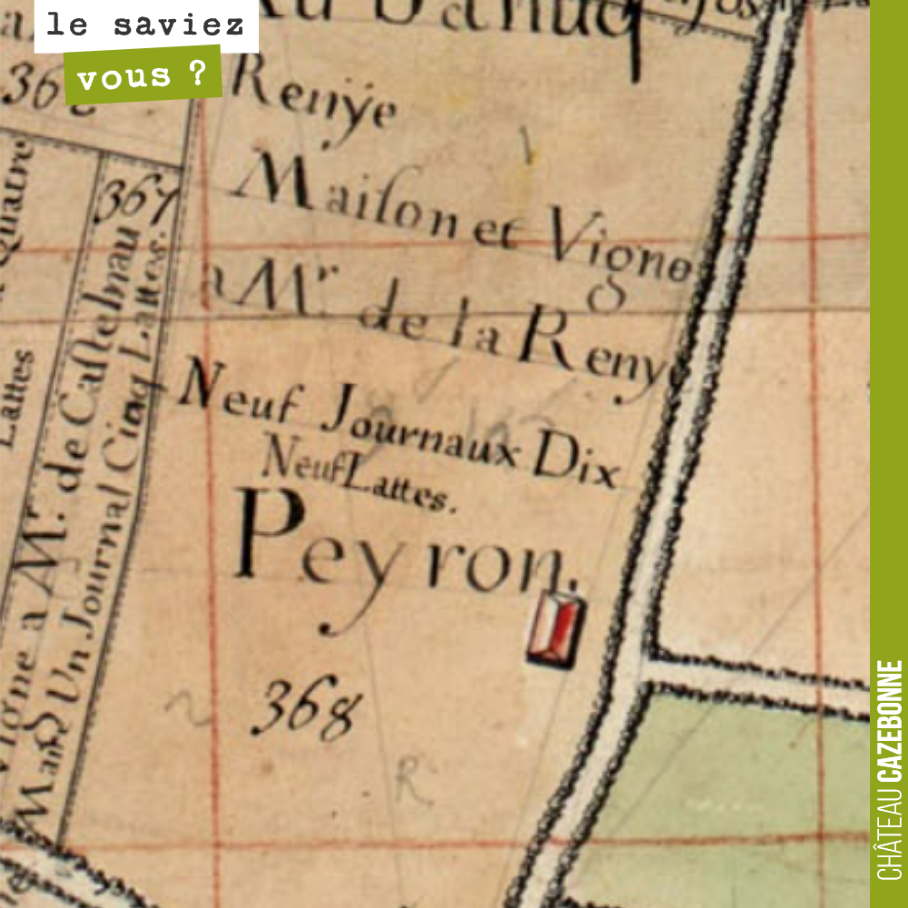
The history of Château Cazebonne becomes clearer in the 17th century with the involvement of notable figures. Nicolas de la Reynie, educated in Bordeaux and having practised as a lawyer, was president of the presidial of Guyenne before becoming intendant during the Fronde. His marriage in 1645 to Antoinette Desbarats, daughter of a Bordeaux lawyer, and an inheritance in 1655 from Jacques Ardent, a lawyer and jurat of Bordeaux, enabled him to acquire properties in the barony of Langon, including land and vines. Thus, from 1655, he is recorded as the owner of plots in Cazebonne and vines in Langon and Saint-Pierre de Mons; some of these plots, notably in the place known as Peyron, are today integral parts of Château Cazebonne. A map of the surrounding area from 1700 confirms his properties in the commune of Saint-Pierre de Mons. In 1667, he was appointed Lieutenant General of Police in Paris, a position he held for thirty years. He is renowned for his reforms aimed at improving urban safety, introducing street lighting, and organising the cleanliness of the streets. His actions also extended to politics, illustrated by the repression of pamphleteers and the application of measures linked to the Revocation of the Edict of Nantes. He notably presided over the Chambre Ardente during the Affair of the Poisons from 1679 to 1682. His public engagement did not prevent him from maintaining, by proxy, a connection with his Bordeaux estates.
The 18th century marks the arrival and taking root of the de Castelnau family, owners of Cazebonne. In 1700, Messire Pierre de Castelnau, king's counsellor and mayor of Langon, is identified as the owner. His influence and status testify to the political and social importance of the estate.
The Castelnau lineage would maintain its hold on Cazebonne for several generations, consolidating the bond between the family and the land. In 1840, Joanès de Castelnau, the fourth generation of the family, took on the role of mayor of Saint-Pierre-de-Mons, residing in the very heart of Cazebonne. This long familial commitment has shaped the estate's identity, inscribing its traditions into a rich and continuous local history. You can learn more about this family by consulting the obituary of Pierre de Castelnau written by his son in 1740, which sheds light on the close ties between the Castelnaus and the estate. Delving deeper into the history of the vine is at the heart of Cazebonne's concerns, as evidenced by our desire to revisit the grape varieties of yesteryear.
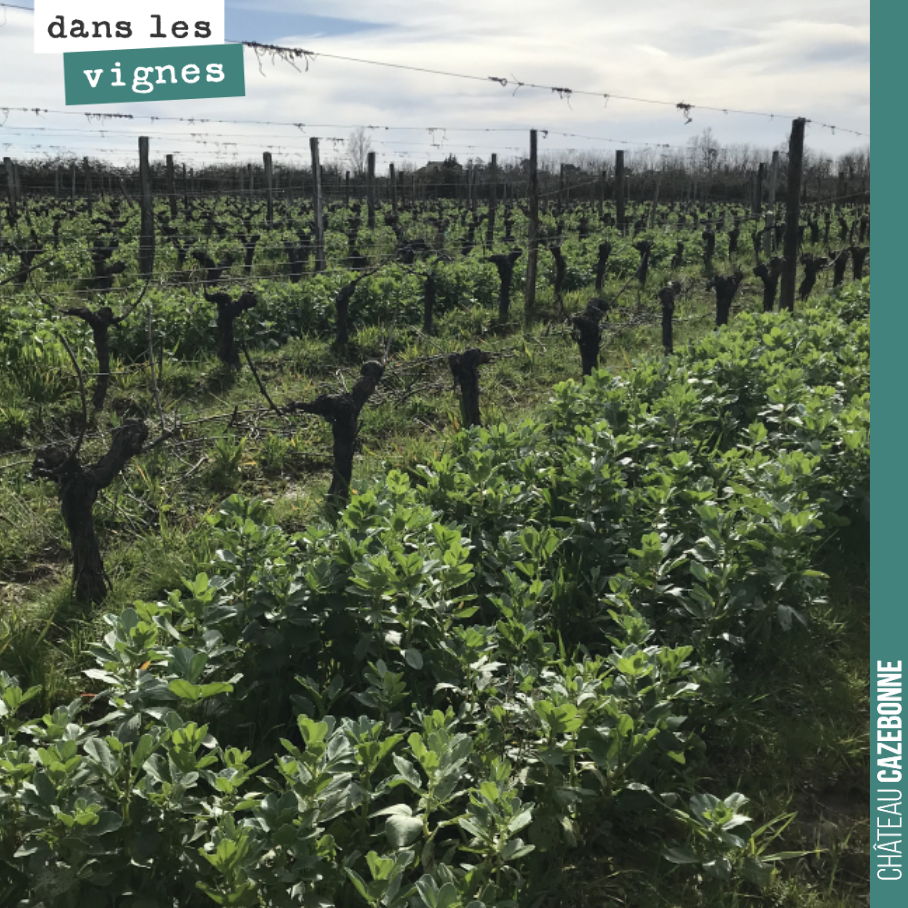
The Cazebonne estate has evolved over the centuries. The currently cultivated areas include land farmed by the Bridet family in Cazebonne, on plots inherited from the Castelnaus, and by Jean Sourget at Peyron-Bouché, who acquired it after the war. Jean Sourget managed this estate until 2016, the date of its sale. Currently, Château Cazebonne favours a modern approach focused on sustainability and respect for the environment. The estate, comprising 30 hectares of vines, is entirely cultivated using organic farming methods.
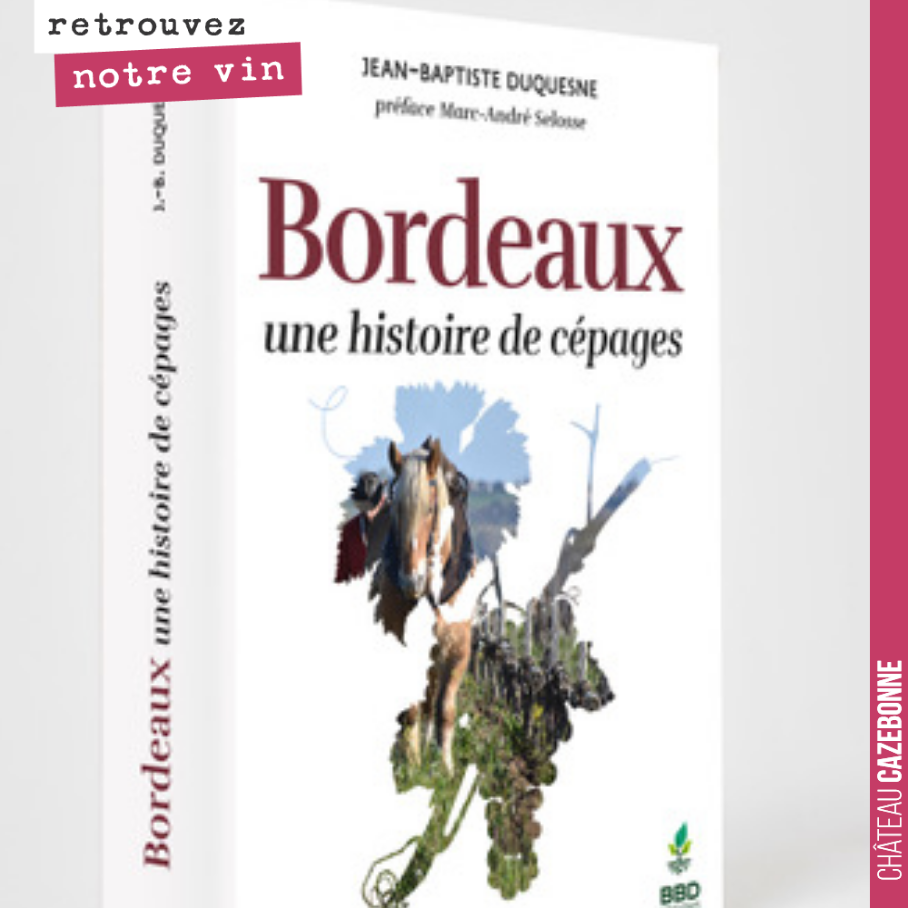
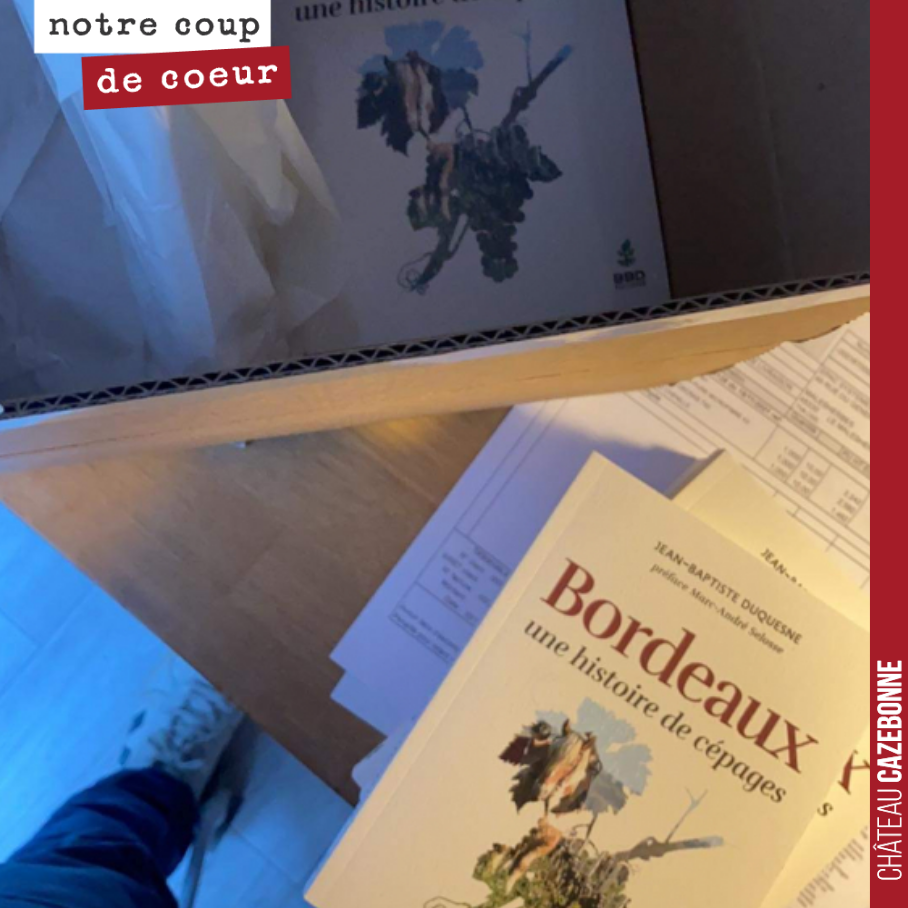
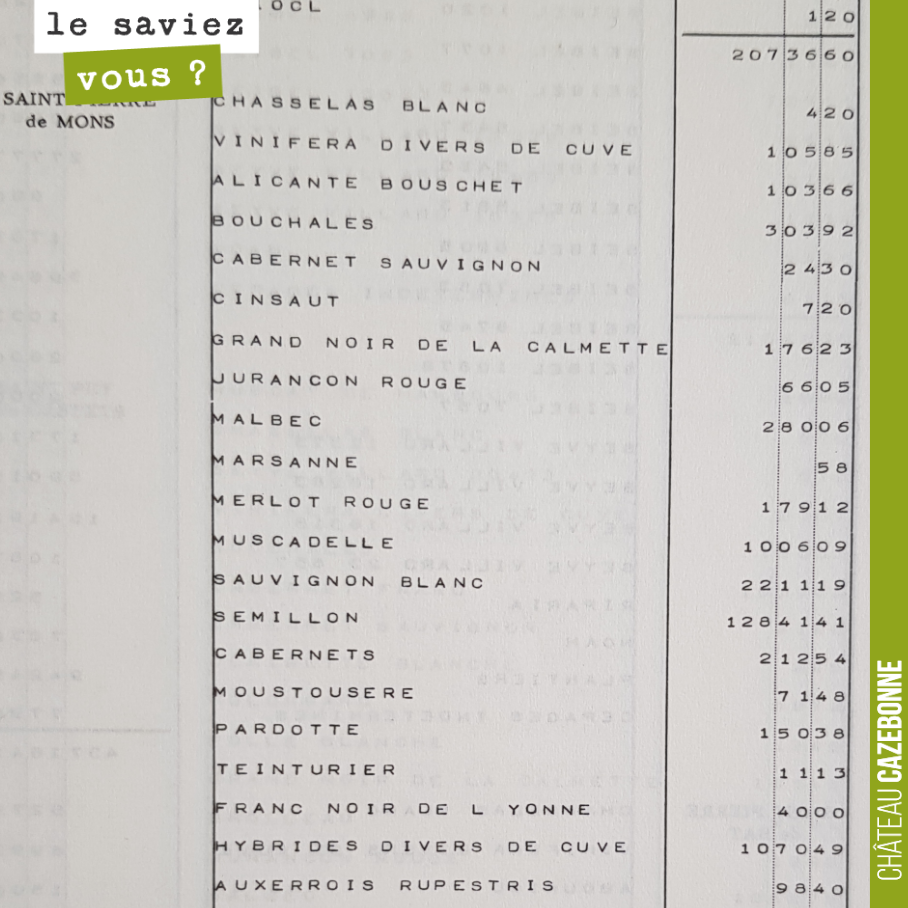
The history of Bordeaux wine is a complex mosaic, and Jean-Baptiste Duquesne's book, Bordeaux, une histoire de cépages, sheds valuable light on the evolutions of the vineyard. This work invites us to rediscover a rich ampelographic heritage, often forgotten in favour of progressive standardisation. It highlights the past existence and importance of numerous grape varieties which, despite having played a leading role in Bordeaux's vine plantings, have been abandoned over time. Château Cazebonne, inspired by this historical wealth, has committed itself to replanting the forgotten grape varieties of Bordeaux, creating a unique in situ conservatory, notably with varieties such as Saint-Macaire or other extinct Bordeaux grapes. This fundamental work is essential for understanding the roots of our terroir and restoring all its diversity, thus offering new perspectives for the revival of Bordeaux.
By replanting these forgotten grape varieties, Château Cazebonne is writing a new chapter in the winemaking history of Bordeaux, a task made possible thanks to the continuous support of wine lovers. To deepen your knowledge of this fascinating epic and all the varieties that have shaped the Bordeaux vineyard, please feel free to download the book "Bordeaux, une histoire de cépages". You can also test your knowledge of grape varieties and wine history through our oenological quizzes, and of course, discover the unique expression of our terroir by exploring the Cazebonne shop. Moreover, if our story resonates with you, you might find similarities with why I became a winegrower. Furthermore, the press regularly talks about Cazebonne, testifying to the interest shown in our singular approach, particularly after Chef Damien stated he loved Cazebonne.
Sources
Our suggestions
-5%on your 1st order with code BIENVENUE
The essential6 bottles — Graves red 2022
The best price of the cellar: €12 per bottle delivered.
The everyday red: generous and straight to the point.
I want it Our recommendation92/100 RVF
6 bottles — Graves red 2022, 92/100 RVF
Rated 92/100 by La Revue du vin de France: a solid 10-year ageing potential.
Our Graves for ageing, the finest gateway to the estate.
I want it Go further
12 bottles — the whole range
12 bottles, the whole range tasted: the best discovery-to-price ratio.
The complete tour of the estate, in a single case.
I want it
12 September 2026
By Jean-Baptiste
25 September 2025
17 August 2025
06 January 2023
04 May 2022
19 December 2021

13 December 2021
08 December 2021
18 February 2021

21 December 2020
19 November 2020
16 October 2020
13 September 2020
09 July 2020

02 July 2020
30 May 2020
01 April 2020
30 December 2019
29 May 2019
15 May 2019
02 October 2018
05 September 2018
01 August 2018
15 June 2018
12 June 2018
The cellar, forgotten grape varieties and our cuvées, twice a month. 5% off your first order with the code BIENVENUE.