
 The essential
6 × Entre Amis red
6 bottles — Graves red 2022
The best price of the cellar: €12 per bottle delivered.
The everyday red: generous and straight to the point.
I want itBâtonnage
In the winemaking process, the cellar is where the magic happens, transforming the fruit of the vine into a complex, expressive nectar. Among the techniques that demand keen attention and expertise, bâtonnage holds a special place. This practice consists of regularly resuspending the fine lees in contact with the wine, particularly in white and sparkling wines. These lees, composed of dead yeast cells and other particles derived from fermentation, are far from mere sediment—they are genuine treasures for wine development.
Bâtonnage is a precise, often manual gesture that goes far beyond simple stirring. It enables greater interaction between the wine and the lees, fostering the development of a richer, more complex aromatic palette. The lees release compounds that contribute roundness, weight, and a creamy, velvety mouthfeel. They also assist in stabilising the wine—notably by reducing the risks of premature oxidation—and enhance buttery, brioche, or dried-fruit notes that are particularly sought after in certain wine profiles. It is a technique requiring the winemaker's expert judgment to manage its intensity and frequency, striking the desired balance and unlocking the full potential of each cuvée.
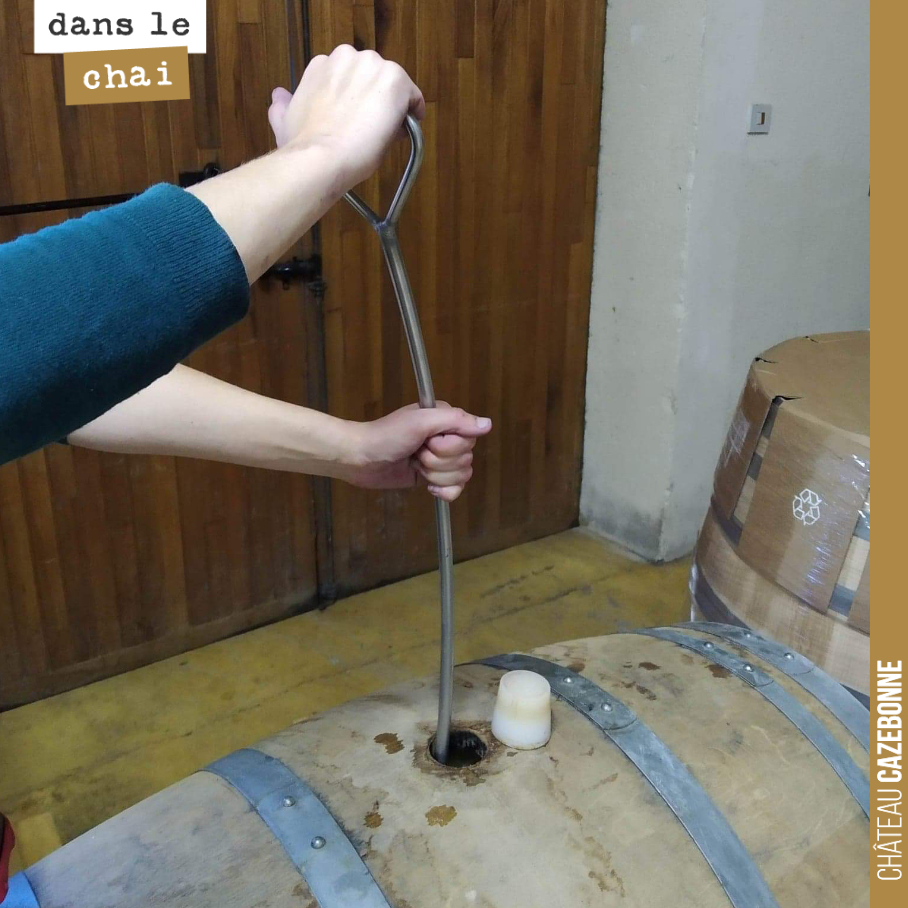
Bâtonnage is an oenological technique that involves stirring the fine lees (sediment of dead yeast and solid particles) that settle at the bottom of barrels or vats after alcoholic fermentation or malolactic fermentation. Performed using a specialised rod called a "dodine" or a mechanical stirring system, this action aims to resuspend the lees within the wine, encouraging prolonged contact with the liquid.
The main objective of bâtonnage is to enrich the wine. As the lees break down (autolysis), they release compounds (amino acids, polysaccharides, sulphur-containing compounds, and more) that lend body, roundness, and aromatic complexity to the wine. This practice imparts a creamier, richer texture on the palate and develops aromas of toasted bread, hazelnut, brioche, or butter. Bâtonnage also helps protect the wine against oxidation, thanks to the reducing properties of the lees.
Bâtonnage is primarily conducted during wine ageing (élevage), after fermentations—both alcoholic and malolactic—are complete. It is mainly used for white wines and certain red wines destined for barrel ageing, in order to enhance their complexity. The frequency and duration of bâtonnage vary depending on the desired wine style, grape variety, and the condition of the lees.
The practice of bâtonnage requires precise skill. When working manually, the winemaker uses a dedicated stirring rod, known as a "dodine", to gently agitate the lees. This smooth yet effective movement lifts the particles without bruising the wine. In modern wineries, automated systems can perform this task. It is crucial to monitor the wine's evolution closely, as excessive bâtonnage can lead to undesirable off-flavours or a loss of freshness. Regular monitoring through tasting is therefore essential.
The traditional tool for bâtonnage is the dodine, a long rod often crafted from wood or stainless steel, designed to fit the shape of barriques or vats. For larger volumes or routine cellar operations, mechanical agitators or pumps are employed to generate a current within the tank and resuspend the lees. The cleanliness of all equipment is paramount to avoid contaminating the wine.
While manual bâtonnage is widely practiced in traditional estates, alternatives exist to achieve similar results without direct intervention. The use of tanks with integrated stirring mechanisms or yeasts with specific autolytic properties are notable options. The decision to carry out bâtonnage, along with its frequency and intensity, depends on the winemaker's philosophy, the desired aromatic profile, and the typicity sought in the wine. Some wines are aged entirely in stainless steel tanks to preserve the crisp freshness of their primary fruit aromas.
At Château Cazebonne, we integrate bâtonnage into our agroecological philosophy of viticulture. This practice is invaluable in crafting our white wines, especially those matured in oak barrels. We perform regular rounds of bâtonnage, fine-tuning the frequency through careful tasting and monitoring of each cuvée's evolution. This allows us to produce wines of great complexity, appealing roundness, and rich aromatic expression, all while honouring the true character of our terroir.
At Château Cazebonne, we firmly believe that the richness of Bordeaux terroirs is inseparable from the diversity of their grape varieties. This is why we have embarked on a bold venture: replanting forgotten and historic native Bordeaux grape varieties. This work of heritage and forward-looking vision is made possible thanks to the valued support of wine lovers who enjoy our wines. To deepen your knowledge of the history of Bordeaux grape varieties, you can download the digital edition of the book "Bordeaux, une histoire de cépages", or test your knowledge with our wine quizzes, before exploring our cuvées online to support our project. The importance of racking (soutirage) in winemaking should also not be overlooked, as it ensures the clarity and stability of the finished wine.
Our suggestions
-5%on your 1st order with code BIENVENUE
The essential6 bottles — Graves red 2022
The best price of the cellar: €12 per bottle delivered.
The everyday red: generous and straight to the point.
I want it Our recommendation92/100 RVF
6 bottles — Graves red 2022, 92/100 RVF
Rated 92/100 by La Revue du vin de France: a solid 10-year ageing potential.
Our Graves for ageing, the finest gateway to the estate.
I want it Go further
12 bottles — the whole range
12 bottles, the whole range tasted: the best discovery-to-price ratio.
The complete tour of the estate, in a single case.
I want it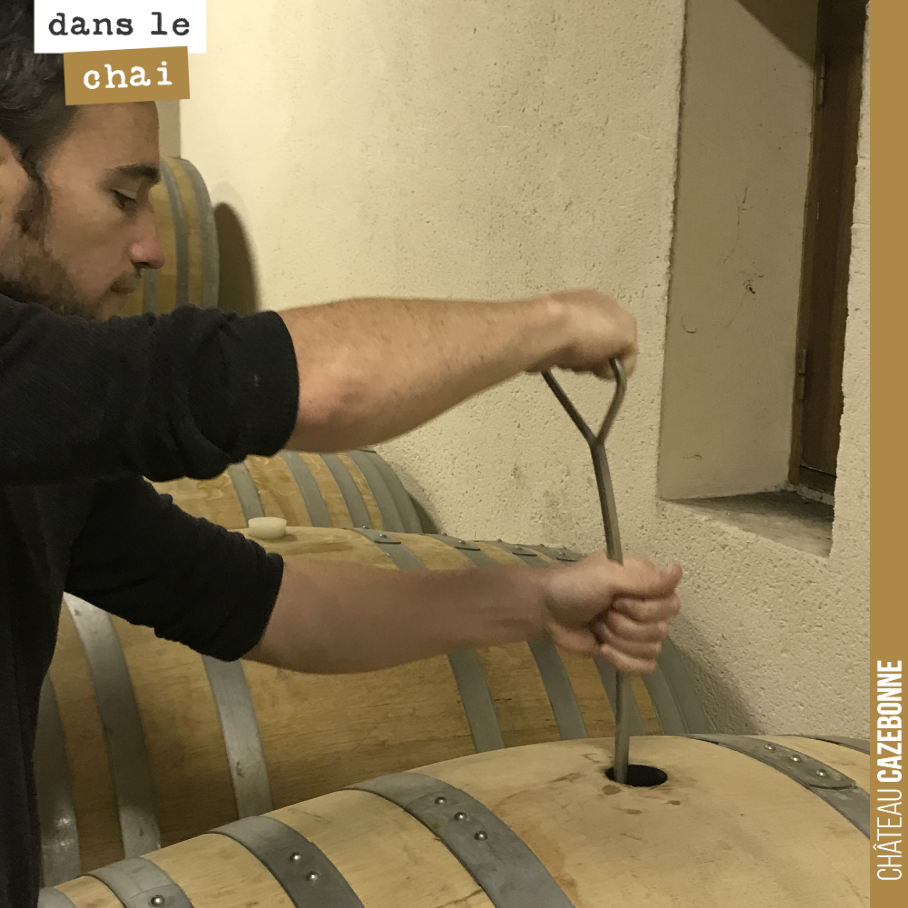
05 October 2020

04 October 2020
15 October 2019
The cellar, forgotten grape varieties and our cuvées, twice a month. 5% off your first order with the code BIENVENUE.