
 The essential
6 × Entre Amis red
6 bottles — Graves red 2022
The best price of the cellar: €12 per bottle delivered.
The everyday red: generous and straight to the point.
I want itBlack rot
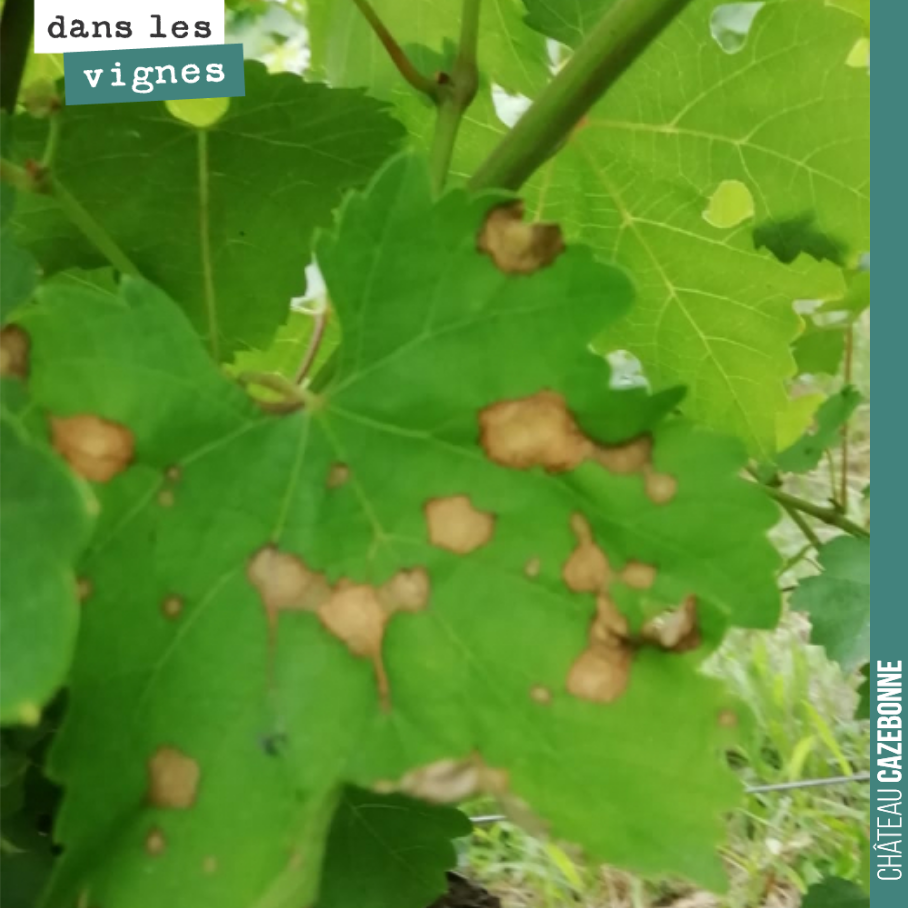
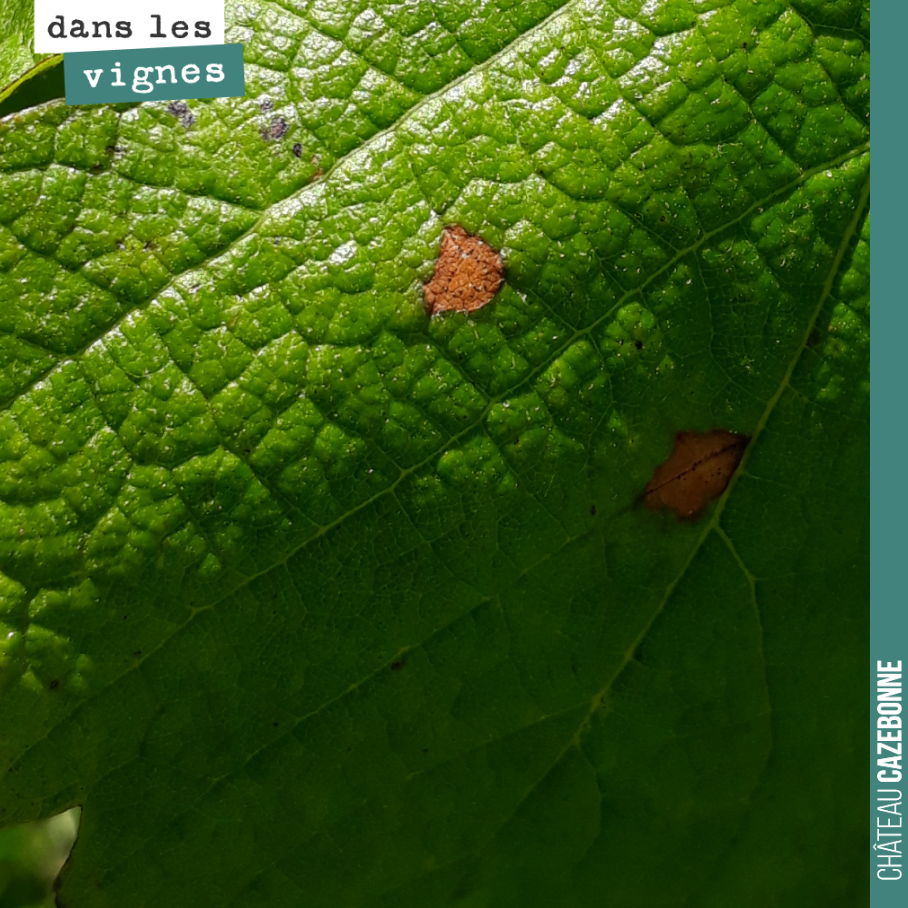
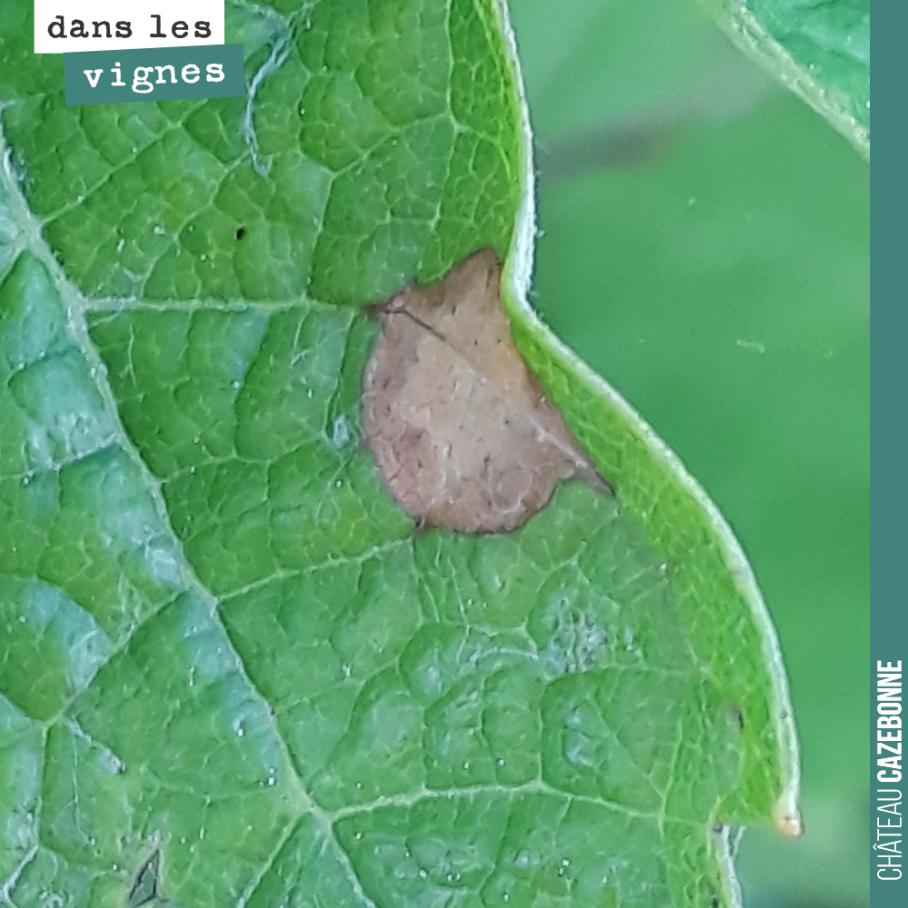
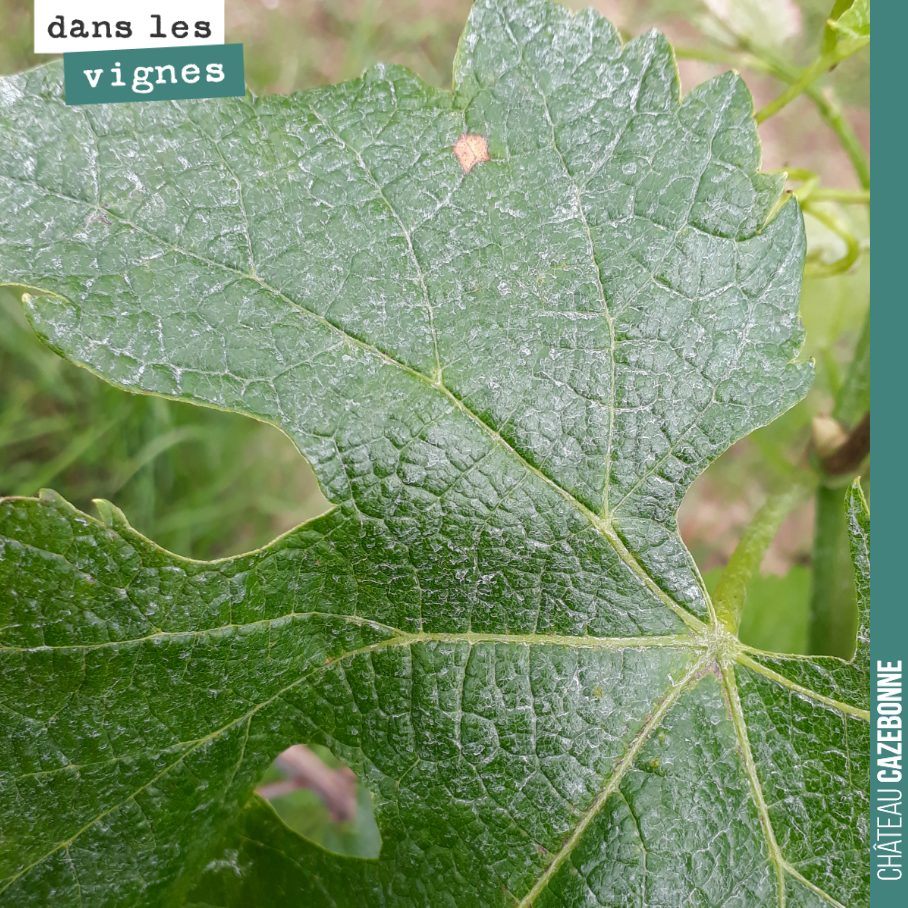
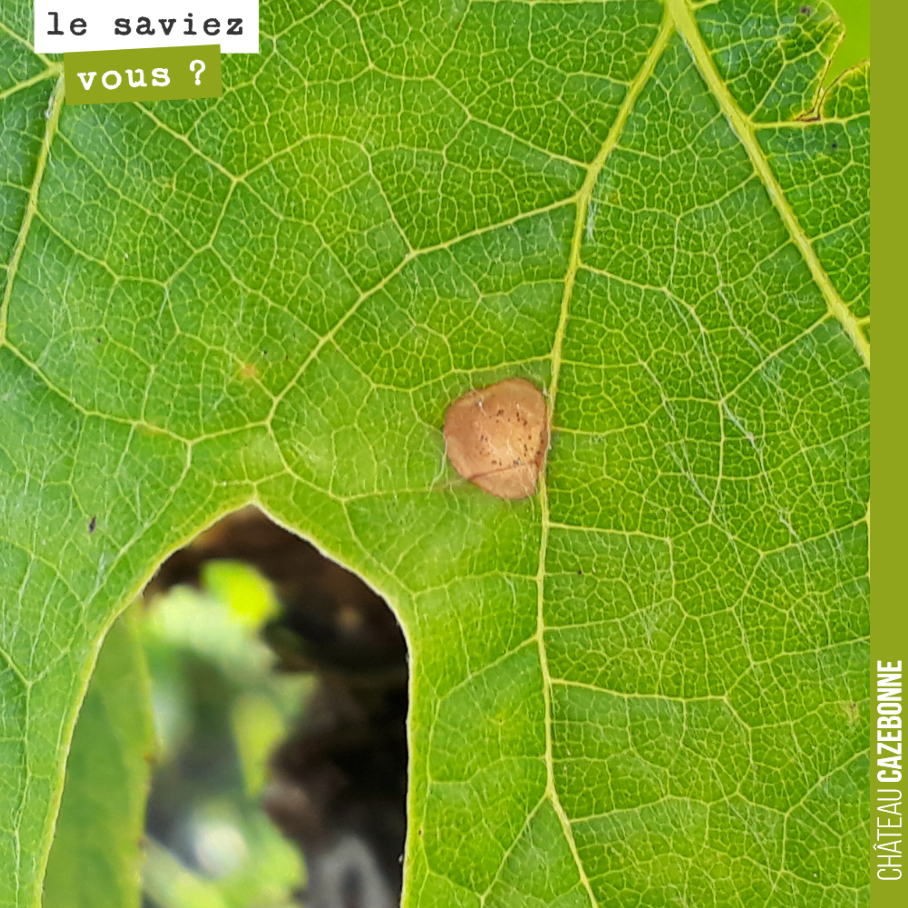
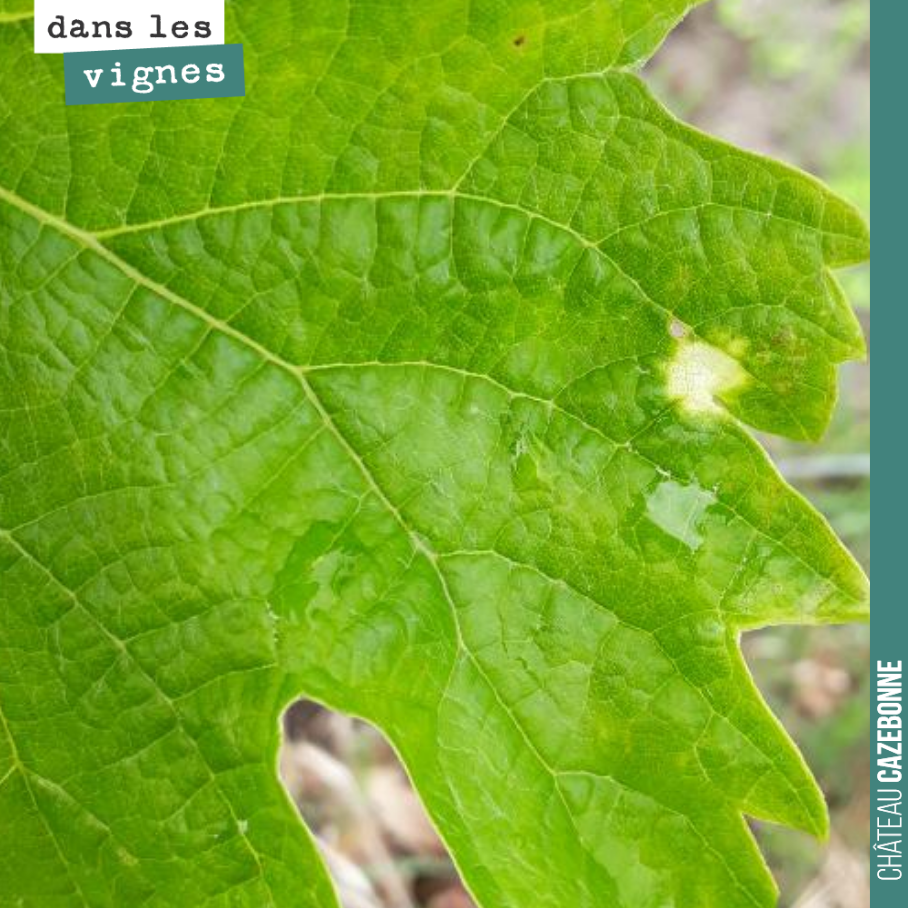
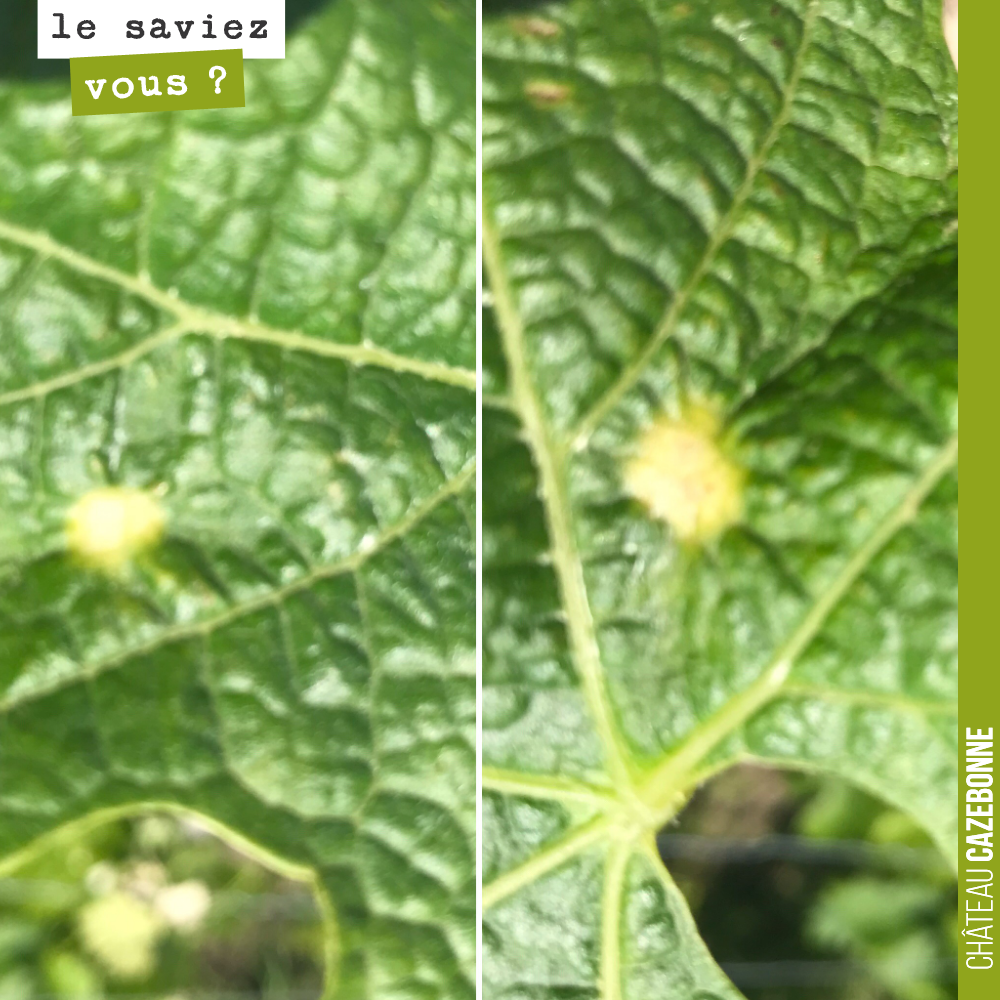
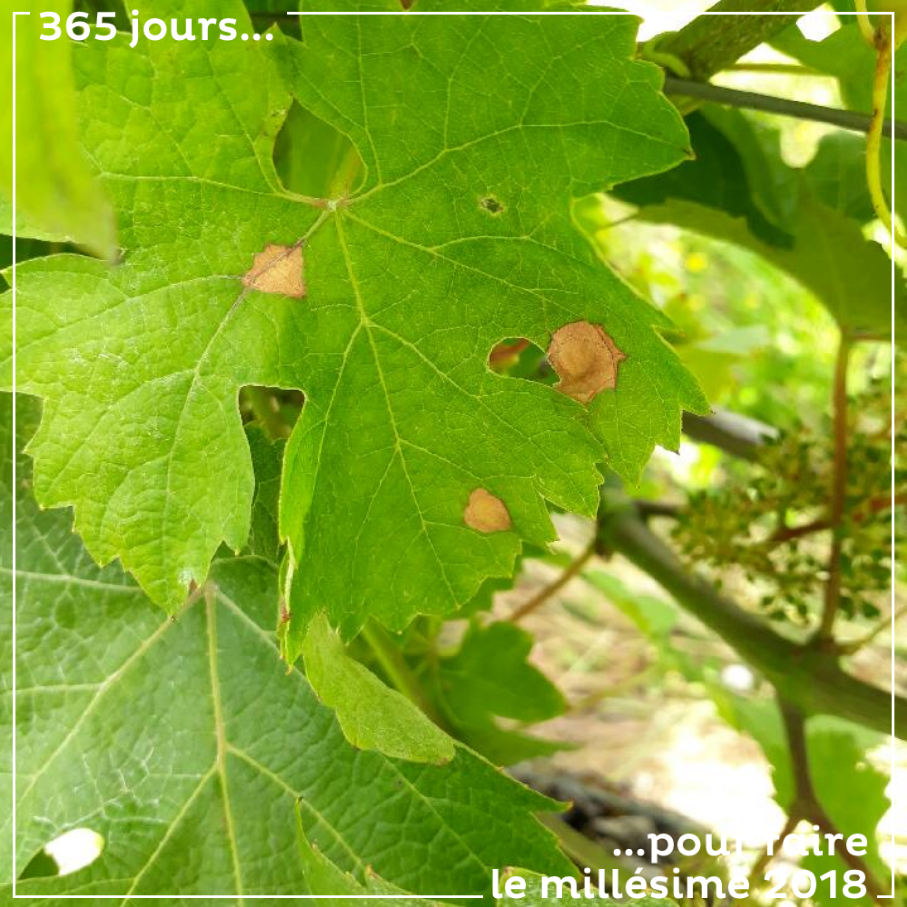
Black rot is a formidable fungal disease for the vine. Far from being an indigenous disease, it was imported from the Americas at the end of the 19th century, a period when numerous transatlantic exchanges also brought phylloxera and downy mildew. Upon its arrival in European vineyards, it spread rapidly, causing considerable damage. This disease, caused by the Guignardia bidwellii fungus, first manifests as round, reddish then brown spots, surrounded by a dark border on the leaves. These lesions then progress to the drying out of the affected part of the leaf blade, which can lead to a significant decrease in the photosynthetic surface area.
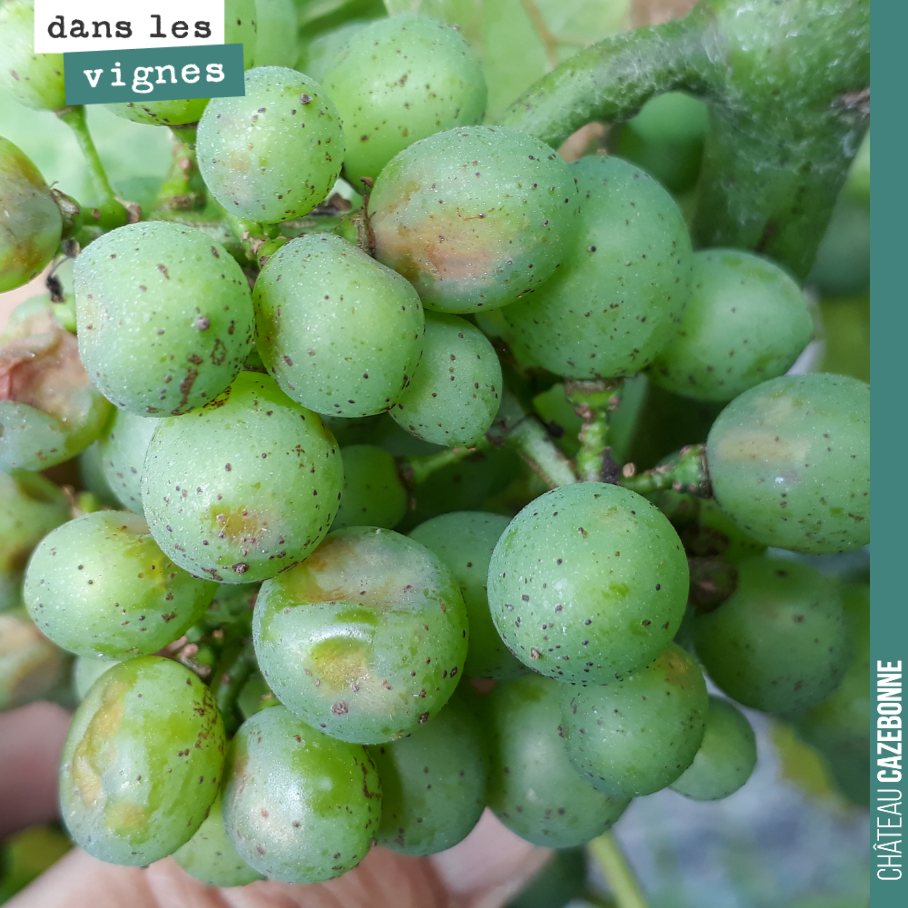
On young shoots, black rot causes the appearance of elongated, sunken spots that can weaken the structure of the plant. But it is on the berries that it is most destructive. Small brown spots, often with halos, first appear on the skin, spread quickly, and the grapes turn into black, wrinkled, and hard mummies, which often remain attached to the stalk. These infected berries become unusable for winemaking, compromising the quality and volume of the harvest. Once established, black rot is very difficult to eradicate, hence the paramount importance of preventive measures.
Guignardia bidwellii, the pathogen responsible for black rot, is an ascomycete fungus whose life cycle is closely linked to climatic conditions, particularly humidity. It overwinters as pycnidia and pseudothecia on infected plant debris (canes, leaves, mummified berries). In the spring, with heat and rain, ascospores and conidia are released and dispersed by the wind and water splashes, infecting the young tissues of the vine. The fungus then develops on the leaves, stems, and bunches, creating new spores that can initiate secondary infections throughout the growing season. It is therefore essential to manage these residues to break the life cycle of the fungus.
At Château Cazebonne, we observe black rot primarily in plots where ventilation is insufficient or after prolonged periods of high humidity. Our grassed plots (Managing grass cover in the vineyard) promote a biodiversity that can help limit the pressure of certain pathogens, but vigilance remains essential. The ecological role of black rot is purely harmful to viticulture, as it brings no known benefit to the vineyard ecosystem, unlike other soil microorganisms (Fungi in the vines) which can have a beneficial action.
The interaction of black rot with the vine is clearly destructive. It seriously compromises photosynthesis by destroying the leaf blade, weakens the structure of the plant by attacking the shoots, and renders the berries unfit for winemaking. Prevention is therefore our best weapon at Cazebonne. In organic viticulture (Cazebonne, an organic Bordeaux estate), we favour less susceptible grape varieties whenever possible, relying on the genetic diversity of the vine. We implement cultural practices that promote good aeration of the vines, such as meticulous leaf stripping (Leaf stripping the vine) and bunch thinning. Our preventive treatments use products of natural origin, complying with organic farming specifications (Organic treatments), whilst respecting the vineyard ecosystem and biodiversity.
As Jean-Baptiste Duquesne explains in his book "Bordeaux, une histoire de cépages", vine diseases have often forced Bordeaux winegrowers to adapt, pushing them to constantly reinvent their practices. At Château Cazebonne, this philosophy of adaptation is reflected in the meticulous and passionate work of replanting historic Bordeaux grape varieties, once lost or forgotten, to rediscover the richness and aromatic diversity of our terroir. This ambitious project is made possible by the invaluable support of our many enthusiasts who have adopted our wines and place their trust in us, thereby actively participating in the preservation of this viticultural heritage. To delve deeper into aspects relating to downy mildew on bunches and to download the digital version of the book "Bordeaux, une histoire de cépages" by Jean-Baptiste Duquesne, explore our website. You can also test your oenological knowledge with our quizzes or discover the unique expression of our terroirs through our various cuvées available at the Cazebonne shop.
Sources
Our suggestions
-5%on your 1st order with code BIENVENUE
The essential6 bottles — Graves red 2022
The best price of the cellar: €12 per bottle delivered.
The everyday red: generous and straight to the point.
I want it Our recommendation92/100 RVF
6 bottles — Graves red 2022, 92/100 RVF
Rated 92/100 by La Revue du vin de France: a solid 10-year ageing potential.
Our Graves for ageing, the finest gateway to the estate.
I want it Go further
12 bottles — the whole range
12 bottles, the whole range tasted: the best discovery-to-price ratio.
The complete tour of the estate, in a single case.
I want it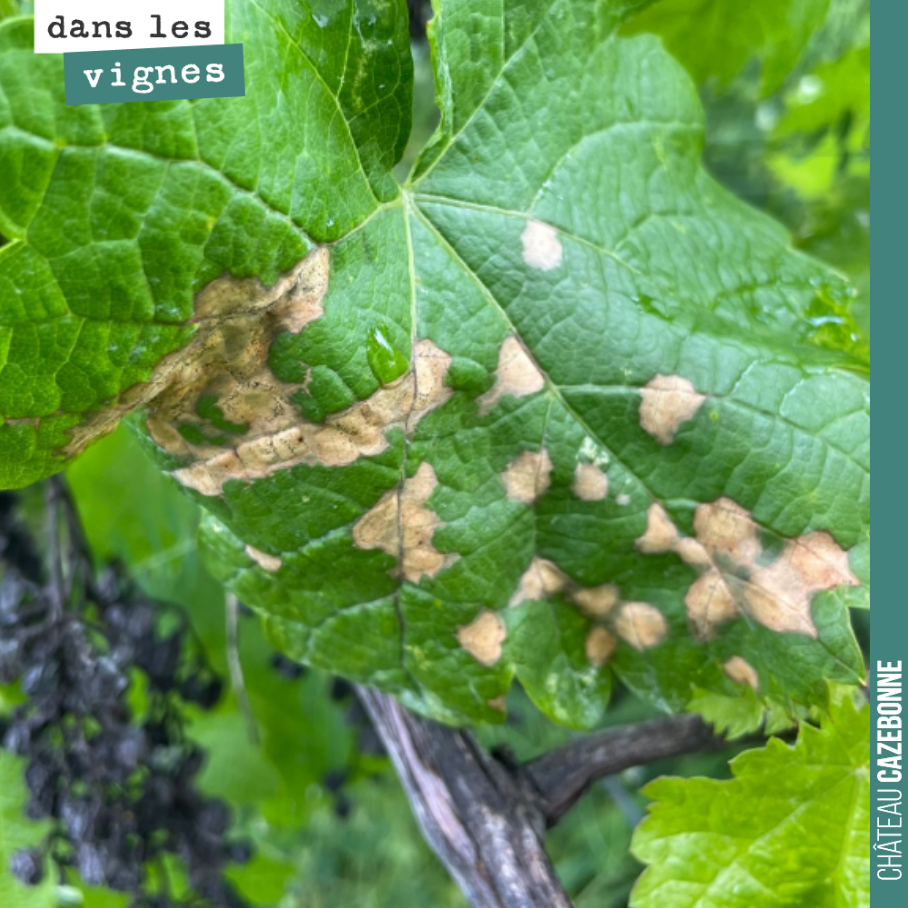
12 May 2023
09 July 2021
11 July 2020
21 May 2020
17 May 2020
16 May 2020
07 May 2020
03 May 2020
29 May 2019
23 June 2018
The cellar, forgotten grape varieties and our cuvées, twice a month. 5% off your first order with the code BIENVENUE.