
Bordeaux Wines
Bordeaux Wines: A Rich and Diverse Viticultural Tradition
A Millennium of History and Its Major Influences
The history of Bordeaux wines is deeply rooted in antiquity, their reputation already established in Rome by the 4th century, as evidenced by the poet Ausonius. It was under the aegis of English monarchs that the region experienced significant commercial growth, with the establishment of strict privileges aimed at ensuring exclusive sales for Bordeaux merchants and protecting their production from wines from neighbouring regions. This regulatory framework, notably the one that structured the Place de Bordeaux, played a decisive role in the development of the vineyard and its global renown. The Dutch influence was also crucial, contributing to the rise of dry and sweet white wines, thanks to innovations in winemaking methods and improved soil drainage, thereby facilitating their maritime transport. Historically, Bordeaux wines were already celebrated for their balance, characterised by a moderate alcohol content, a notable tannic structure, low acidity, and a richness in minerals, qualities that made them "tonic and restorative" according to Doctor Riche in 1890.
A Mosaic of Iconic Bordeaux Terroirs
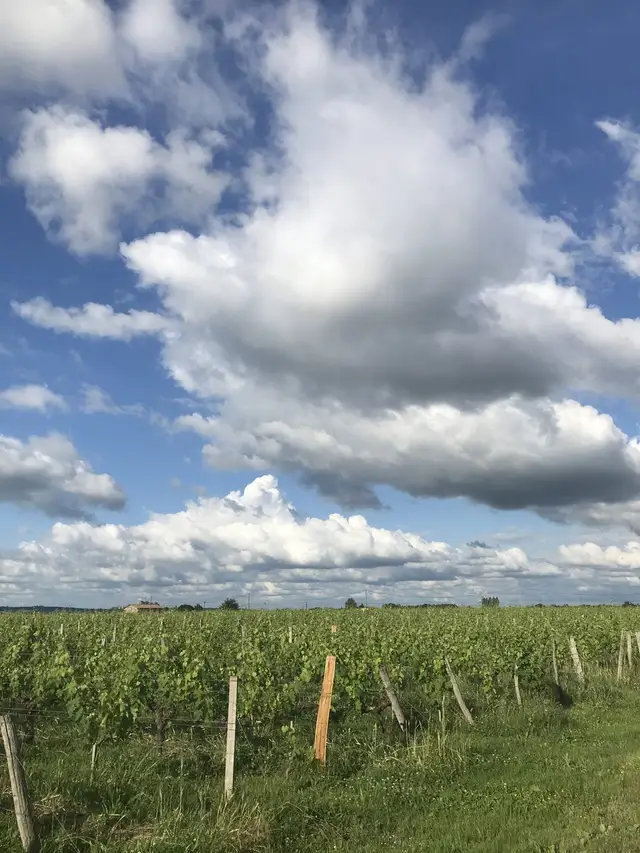
The vast Bordeaux vineyard is distinguished by an incredible diversity of terroirs and microclimates. On the left bank of the Garonne and the Gironde, Médoc is the birthplace of powerful and elegant red wines. Further south, Graves produces both remarkable reds and white wines, dry or sweet, of great finesse. Entre-Deux-Mers, a hilly plateau located between the Garonne and the Dordogne, is the preferred domain for dry white wines. On the right bank of the Dordogne, Libournais is home to prestigious appellations such as Saint-Émilion and Pomerol, world-renowned for their red wines, where Merlot reigns supreme. Finally, to the north, Blayais and Bourgeais complete this panorama with fruity and accessible red wines.
Appellations d'Origine Contrôlée: Reflecting a Wealth of Diversity
Bordeaux benefits from a myriad of Appellations d'Origine Contrôlée (AOC), a testament to its profound diversity. Generic AOCs like Bordeaux and Bordeaux Supérieur form the basis of production. Médoc, meanwhile, is famous for its communal appellations such as Margaux, Saint-Julien, Pauillac, and Saint-Estèphe, symbols of the Grands Crus Classés. In Graves, the Pessac-Léognan appellation is recognised for the quality of its reds and whites, while the Sauternes and Barsac AOCs are globally prized for their exceptional sweet wines. On the right bank, Saint-Émilion Grand Cru and Pomerol are among the most coveted appellations, offering wines of great complexity and rare elegance.
Grape Varieties: The Historical and Renewed Soul of the Vineyard
Bordeaux's grape varieties have historically been forged around a few emblematic varieties. In the 17th century, wines were already primarily made from four grape varieties: Carbenet (Cabernet), Malbec, Merlau (Merlot), and Verdot (Petit Verdot). The viticultural history of Bordeaux is also marked by numerous lost grape varieties, which estates like Château Cazebonne are actively working to rediscover and replant. This approach is part of a desire to highlight the full richness of Bordeaux grape varieties, and notably to revive Bordeaux's forgotten grape varieties, illustrating a tradition in constant evolution.
Château Cazebonne is fully committed to this approach of preserving Bordeaux's viticultural heritage, passionately replanting ancestral grape varieties and exploring innovative avenues for the future of viticulture. This demanding work is made possible thanks to the support of wine lovers who choose our cuvées. To deepen your knowledge of the history of these grape varieties, we invite you to download our book "Bordeaux, a History of Grape Varieties". You can also test your oenological knowledge via our online quizzes and, of course, discover our wines directly on our shop.
Sources
- Encyclopédie d'Hygiène — Docteur RICHE, Paris — 1890
- Bordeaux, une histoire de cépages — Jean-Baptiste Duquesne, Éditions BBD
To explore further
- Other grape varietiesDiscovering grape varieties from elsewhere
- Marche-BordeauxThe Bordeaux Wine Market
- Vintage Chart
- The grape varieties of BordeauxBordeaux Grape Varieties: A Diversity Shaped by History and Terroir
- The forgotten grape varieties of BordeauxBordeaux's Forgotten Grape Varieties
- [Draft pillar] Life of the vine
News from the estate
The cellar, forgotten grape varieties and our cuvées, twice a month. 5% off your first order with the code BIENVENUE.