
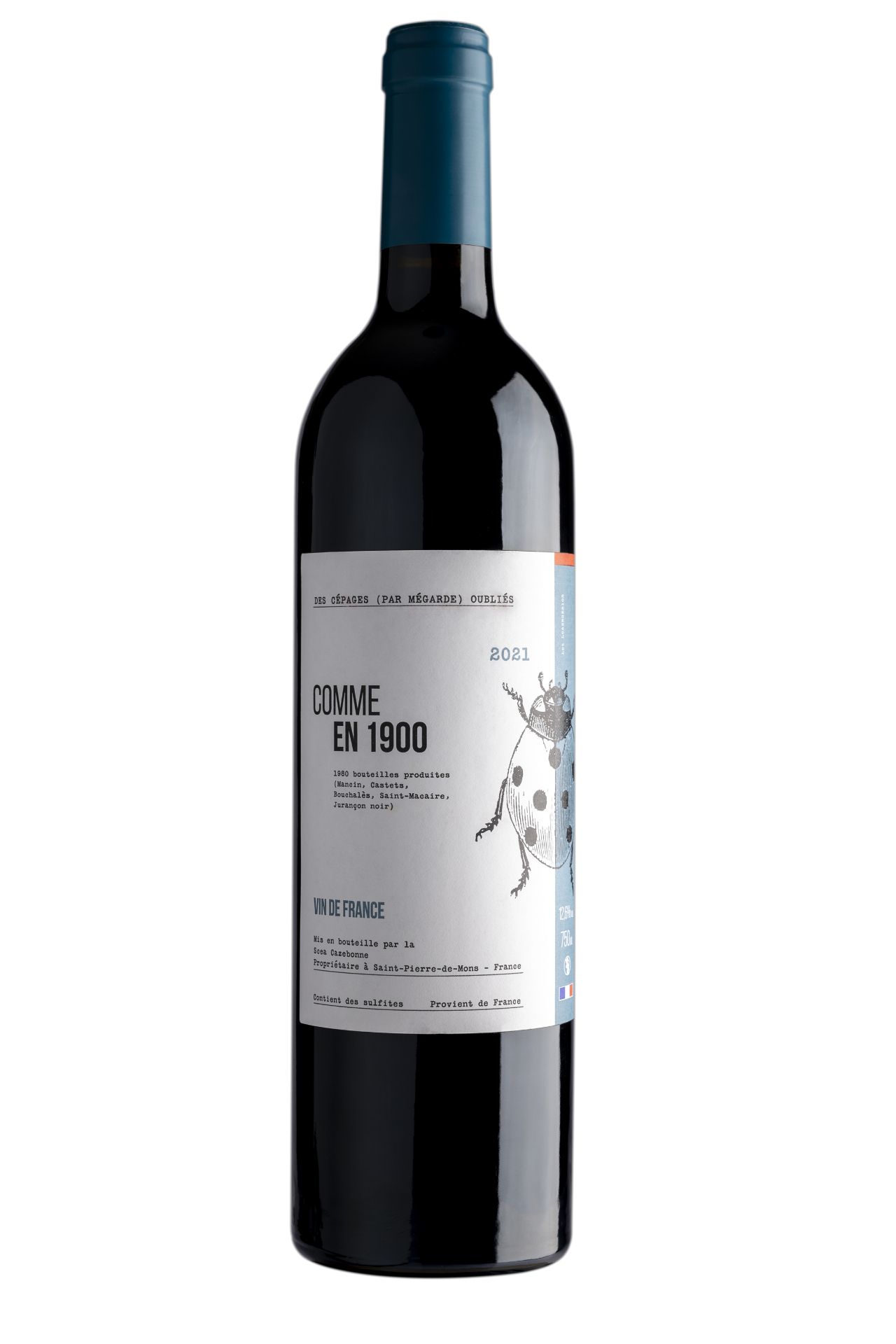
 The essential92/100 RVF
Comme en 1900 red 2022
Vin de France — heritage grapes, 92/100 RVF
The pre-phylloxera Bordeaux blend, revived at the estate.
Castets, Mancin, Pardotte: the Bordeaux before Bordeaux.
I want itThe grape varieties of Bordeaux
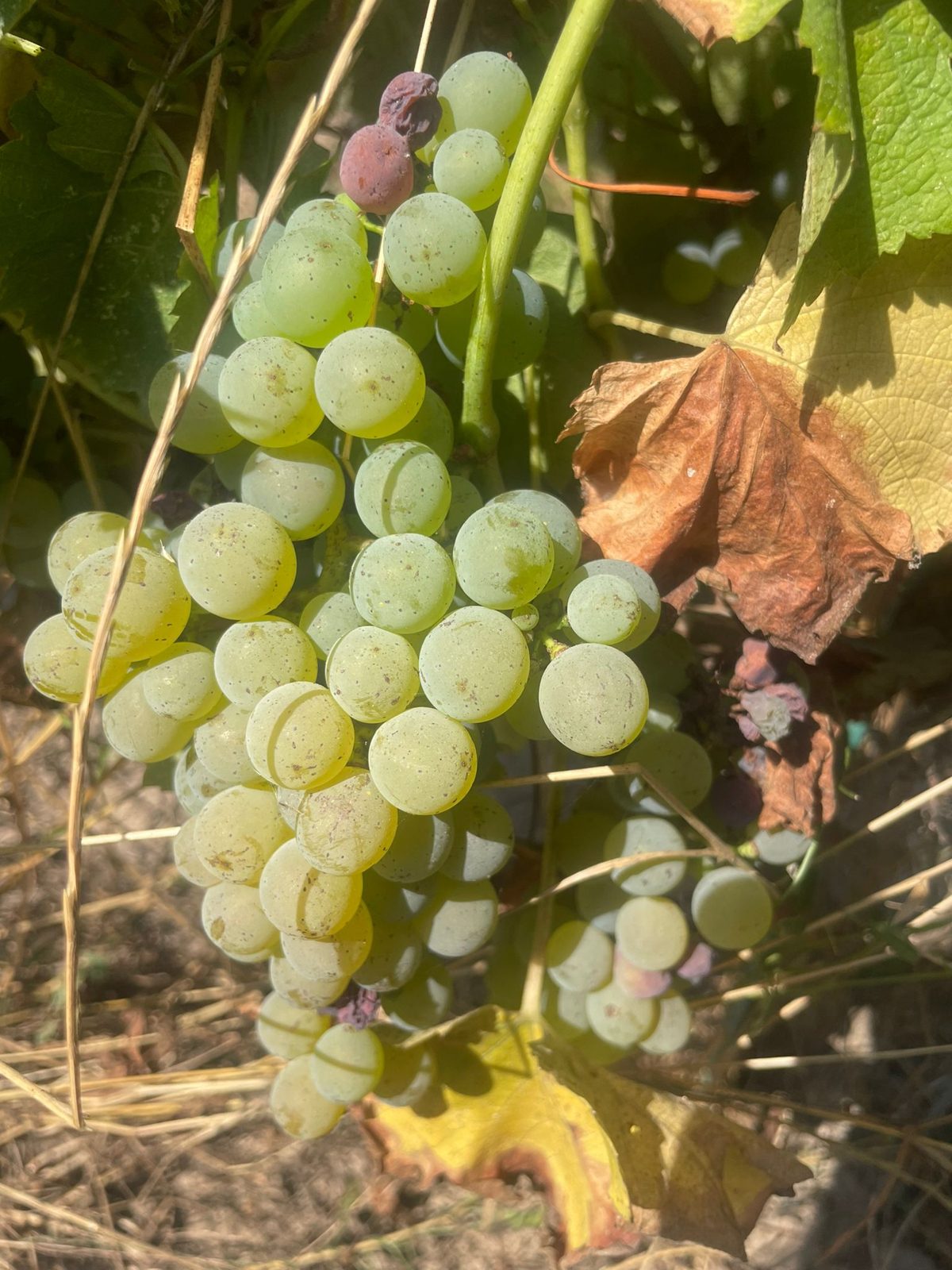
The viticultural identity of Bordeaux, as we know it today, is largely the result of a complex history, notably marked by the establishment of the Appellations d’Origine Contrôlée (AOC) from 1935 onwards. Before this date, the Gironde vineyard harboured a much greater ampelographic diversity. AOC legislation drastically simplified the varietal mix, by defining precise lists of authorised grape varieties, both principal and complementary, for each appellation. This regulatory framework, consolidated after the phylloxera crises and the frosts of 1956, helped to forge the typical aromatic profile of Bordeaux wines, by favouring certain grape varieties for their qualitative potential and their adaptation to different terroirs.
Historically, several white grape varieties have shaped the production of Bordeaux wines. Today, three of them dominate the varietal mix of Bordeaux white wines: Sémillon, Sauvignon Blanc, and Muscadelle. Sémillon is renowned for its ability to develop noble rot, essential for the great sweet wines of Sauternes. Sauvignon Blanc brings freshness, vibrancy, and citrus notes, while Muscadelle offers floral and musky touches. These three grape varieties, often blended, express the richness of the region's soils and climate.
The prestige of Bordeaux red wines rests on a quintet of main grape varieties: Merlot, Cabernet Sauvignon, Cabernet Franc, Malbec, and Petit Verdot. Merlot, predominant on the Right Bank, imparts roundness, suppleness, and red fruit aromas. Cabernet Sauvignon, king of the Médoc, brings structure, tannins, and notes of blackcurrant and cedar, favouring long ageing. Cabernet Franc offers finesse, aromatic complexity (violet, spice), and a touch of freshness. Malbec, though less present today, and Petit Verdot, used as a complementary variety for its intense colour and spice, complete this palette, each contributing to the balance and complexity of Bordeaux blends.
Sources
Our suggestions
-5%on your 1st order with code BIENVENUE
The essential92/100 RVFVin de France — heritage grapes, 92/100 RVF
The pre-phylloxera Bordeaux blend, revived at the estate.
Castets, Mancin, Pardotte: the Bordeaux before Bordeaux.
I want it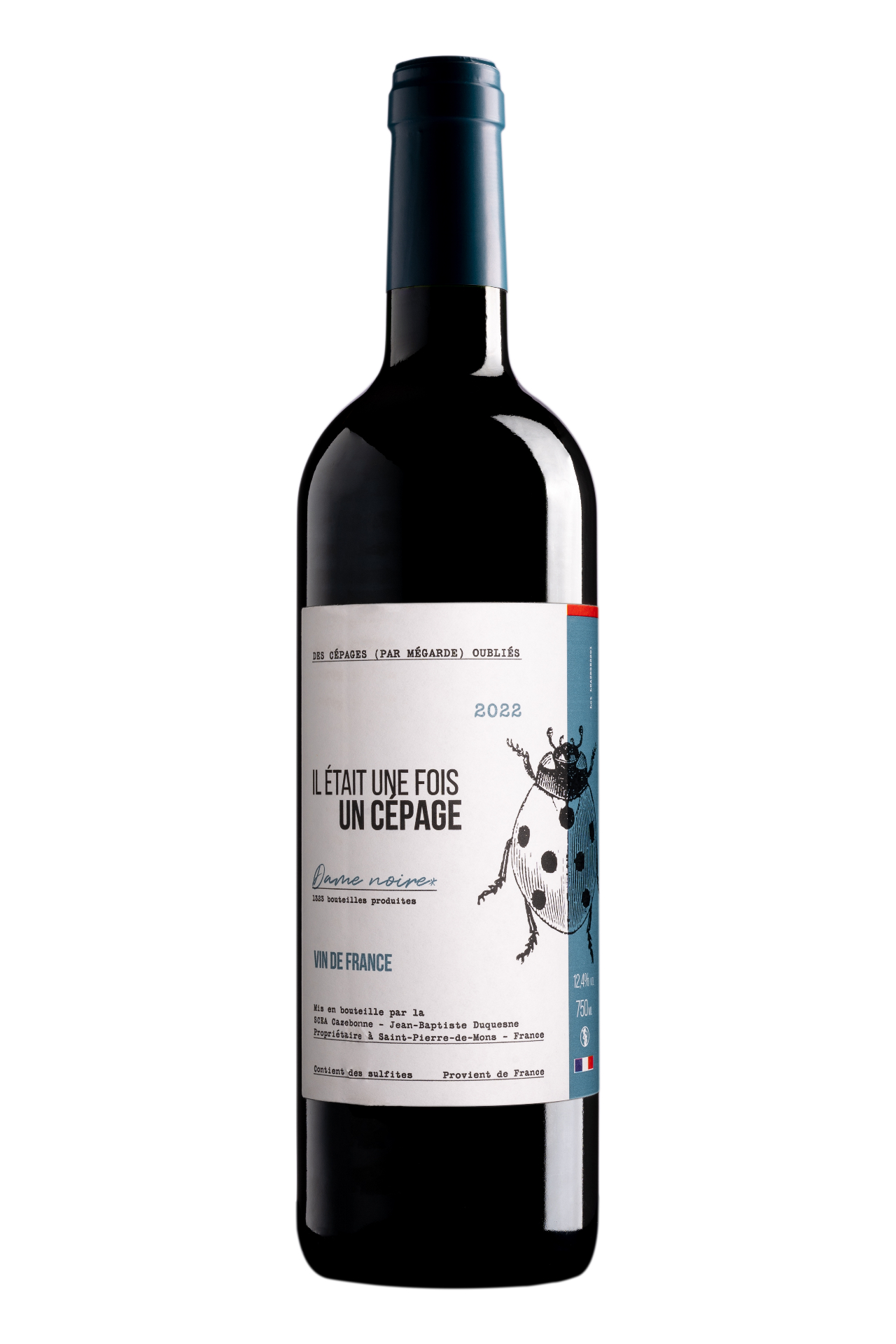 Our recommendation
IGP Atlantique — rare grape variety
A forgotten grape brought back: dense colour, wild fruit.
For the curious about lost grape varieties.
I want it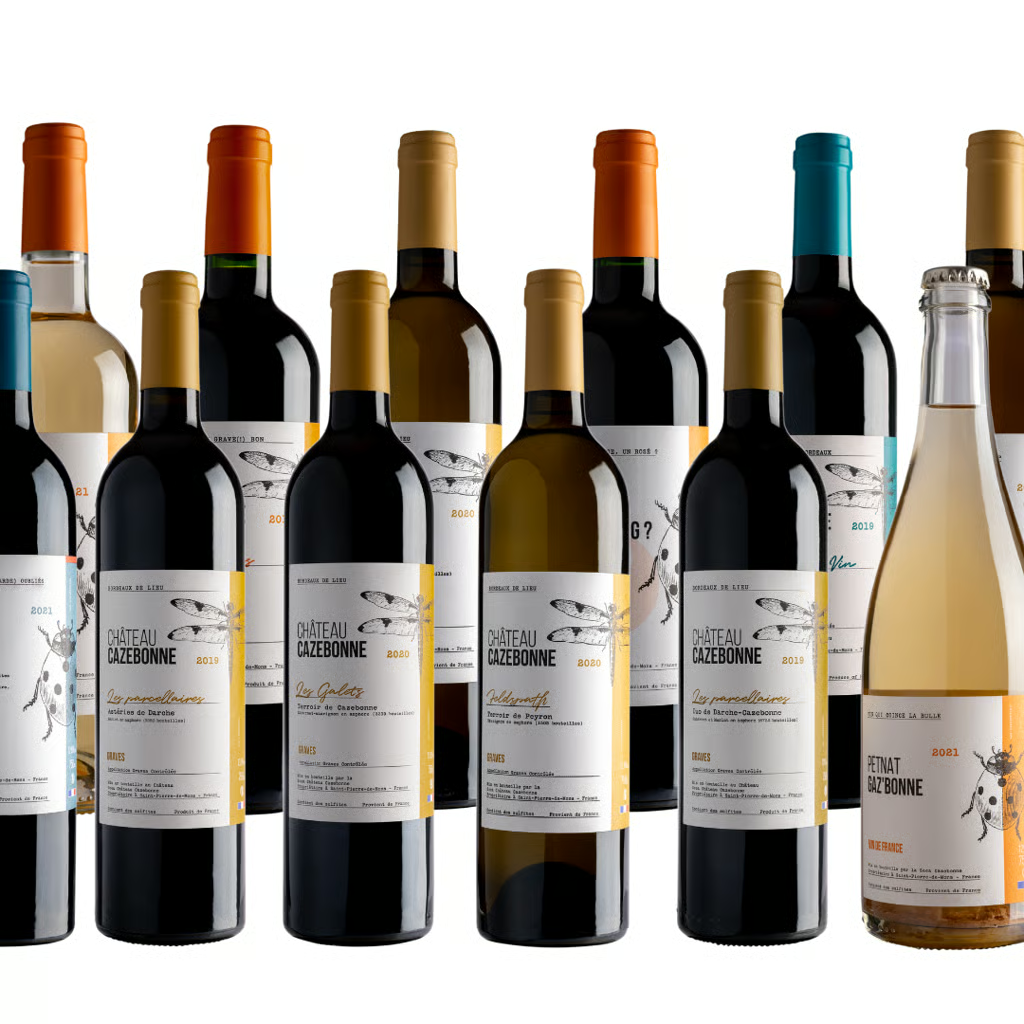 Go further
12 bottles — the whole range
12 bottles, the whole range tasted: the best discovery-to-price ratio.
The complete tour of the estate, in a single case.
I want it